TL;DR:
- Maintaining safe distances and staying aware of surroundings reduce the risk of wildlife encounters during outdoor activities.
- Proper food storage, noise-making, and timing help prevent animals from approaching humans unexpectedly.
A wildlife safety guide is a structured set of practices that reduces the risk of dangerous animal encounters during outdoor activities. The core principle is simple: maintain safe distances, stay aware of your surroundings, and never give wildlife a reason to approach you. Whether you are hiking in Yellowstone, camping in Colorado, or walking a trail with your dog and kids, the same rules apply. This guide covers the proven protocols that protect you, your family, and your pets from preventable wildlife conflicts.
What are the essential wildlife safety measures for hiking and camping?
The single most effective safety measure outdoors is awareness. Most dangerous wildlife encounters happen because humans surprise animals at close range. Knowing the rules before you hit the trail is what separates a great trip from a dangerous one.
Safe distances every outdoor enthusiast must know
The U.S. National Park Service sets the minimum safe distance at 100 yards for bears and wolves, and 25 yards for all other large wildlife including elk, bison, and moose. These are not suggestions. Violating them puts you and the animal at risk. At 25 yards, a moose can cover the distance in seconds.
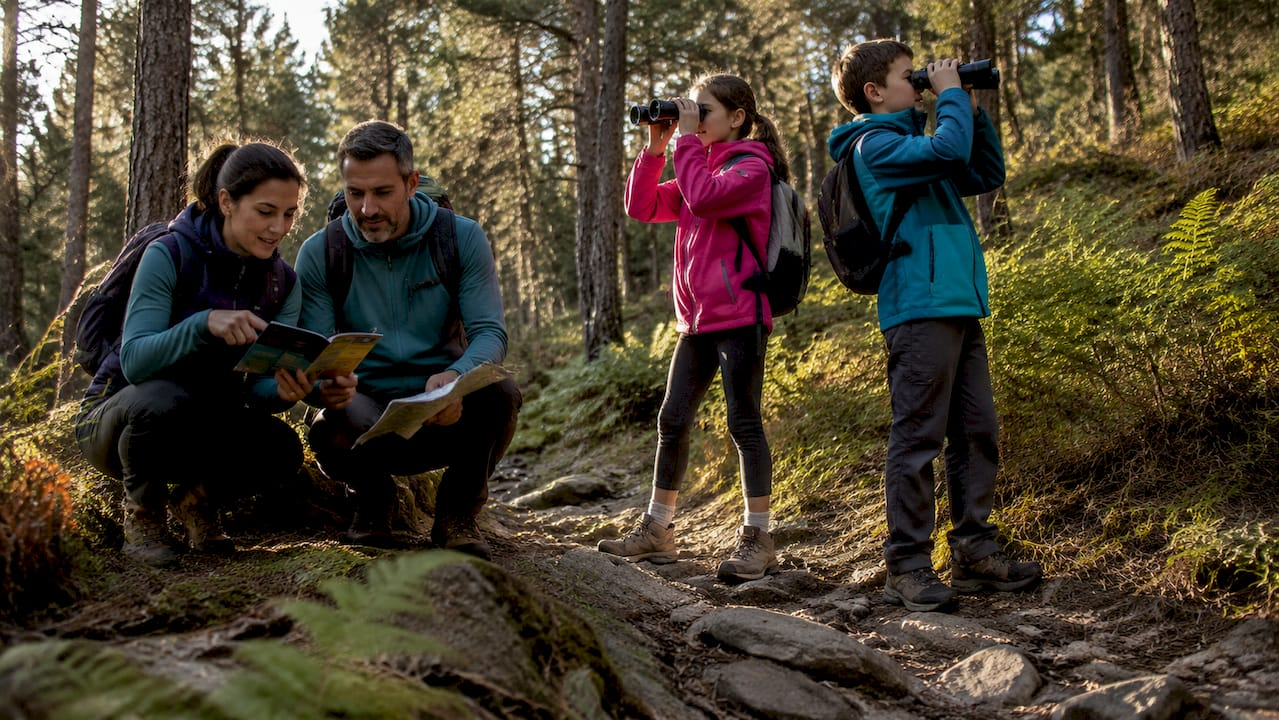
Pro Tip: Carry a pair of binoculars. They let you observe wildlife from a safe distance without the temptation to move closer for a better look.
Noise, timing, and group size
Animals avoid humans when they know humans are present. Sudden, non-rhythmic sounds alert wildlife to your presence far more effectively than the steady rhythm of footsteps, which animals often ignore. Talk loudly, clap occasionally, and call out "hey bear" on blind corners or dense brush.
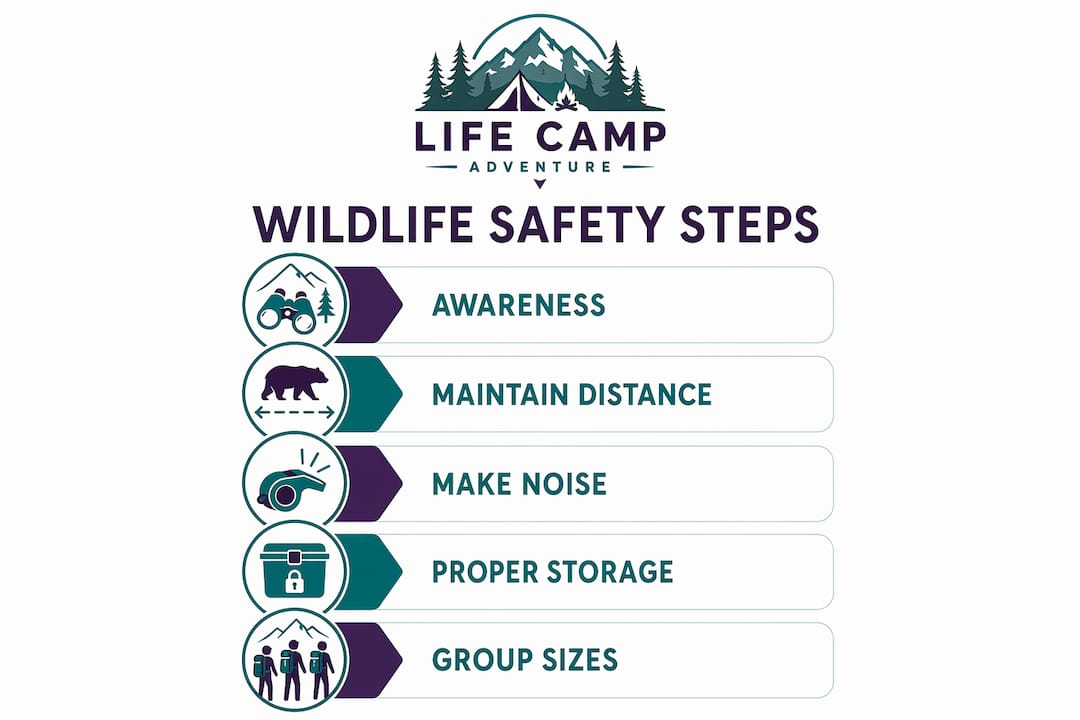
Timing matters as much as noise. Peak predator activity occurs at dawn, dusk, and through the night. Plan your hikes and camp activities during full daylight to reduce the chance of crossing paths with cougars, bears, and coyotes at their most active. In noisy environments like rushing rivers or windy ridges, stop every 15–20 minutes to scan your surroundings. Ambient noise masks your presence, and a brief pause to look around can prevent a surprise encounter.
| Safety Measure | Guideline |
|---|---|
| Bear safe distance | Minimum 100 yards at all times |
| Large wildlife distance | Minimum 25 yards for elk, moose, bison |
| Noise-making | Sudden, non-rhythmic sounds; call out on blind corners |
| Activity timing | Stick to full daylight hours |
| Group size | Travel in groups of 3 or more when possible |
| Food storage | Use bear canisters or hang food 10 feet off the ground |
Store all food, trash, and scented items in bear canisters or hung food bags at least 10 feet off the ground and 4 feet from the trunk of a tree. A cooler in your car is not bear-proof. Bears in national parks have learned to associate cars with food, and a smashed window is a predictable result.
How can families and pet owners minimize wildlife risks?
Families with children and pets face specific risks that solo hikers do not. Children move unpredictably and make sounds that can attract curious or defensive animals. Pets, especially dogs, can provoke wildlife and then run back to their owner, bringing the threat with them.
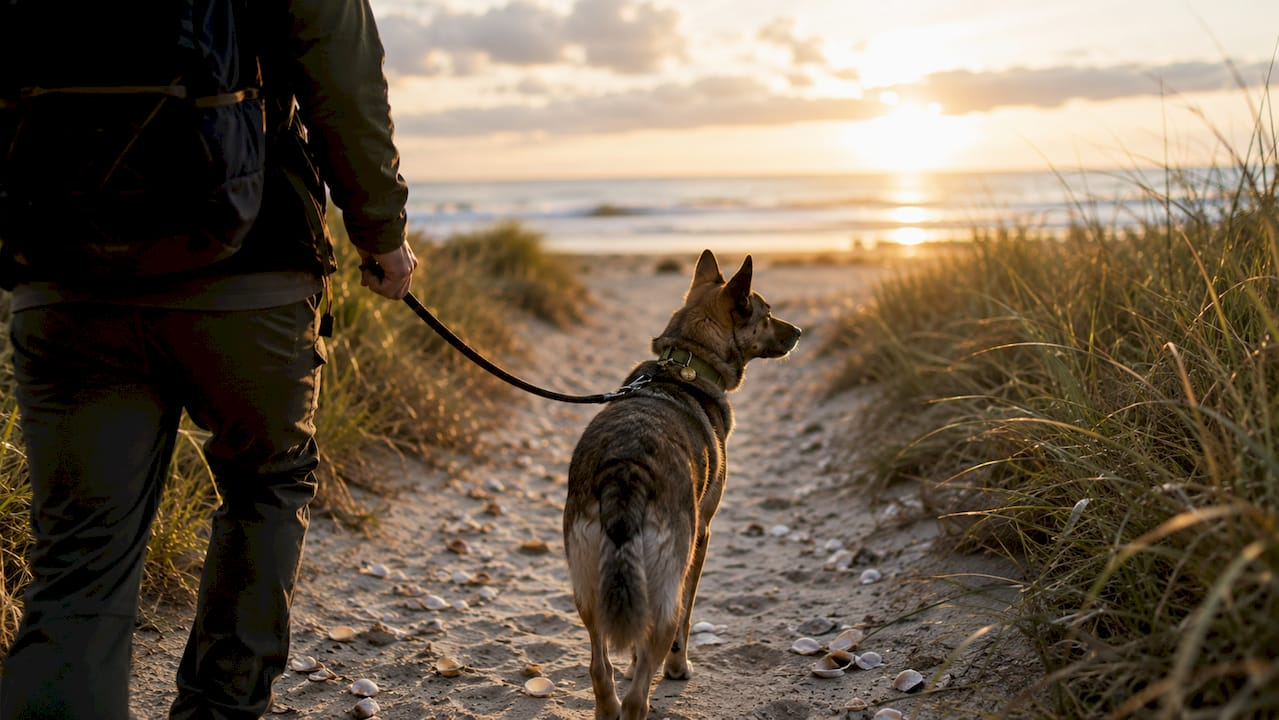
- Leash your pet at all times. Leashing pets is the most effective single action to prevent wildlife encounters during outdoor activities. An unleashed dog that chases a bear cub will almost certainly trigger a defensive response from the mother.
- Keep children within arm's reach near wildlife habitat. Dense brush, creek banks, and meadow edges are transition zones where animals move frequently. Children should not run ahead or lag behind on these sections of trail.
- Avoid solo hiking with children or pets. Groups of three or more people are statistically less likely to experience a predator encounter. A second adult also means someone can manage children while the other handles an unexpected situation.
- Know peak activity windows. Coyotes, mountain lions, and bears are most active at dawn, dusk, and night. Schedule family hikes to finish well before sunset. If you are camping, bring pets inside the tent after dark.
- Understand what loose pets trigger. A dog off-leash in wildlife habitat can chase deer, disturb nesting birds, and provoke territorial responses from animals that would otherwise avoid humans. Many national parks and state forests require leashes at all times, and fines apply.
Pro Tip: Attach a small bell to your dog's collar on the trail. It adds a layer of noise-making that alerts wildlife without requiring you to remember to call out constantly.
Check out why outdoor safety matters for families before your next trip for a deeper look at family-specific protocols.
How should you respond during different types of wildlife encounters?
The wrong reaction to a wildlife encounter can turn a tense moment into a dangerous one. The right response depends on the species, but several rules apply across almost every encounter.
"Running from a predator triggers its chase instinct. Standing your ground, making yourself look large, and speaking in a firm voice is the correct response for bear and cougar encounters." — Denali National Park Wildlife Safety
Bears
Back away slowly while facing the bear. Do not turn your back. Speak in a calm, firm voice. If a black bear makes contact, fight back aggressively. If a grizzly bear makes contact after a surprise encounter, play dead: lie flat on your stomach, protect the back of your neck with your hands, and spread your legs to make it harder to flip you over. Stay still until the bear leaves the area.
Cougars and mountain lions
Standing your ground and making yourself appear as large as possible is the correct response. Open your jacket, raise your arms, and speak loudly. Pick up small children immediately so they do not appear as prey. Never crouch down or turn away.
Moose and elk
Moose are responsible for more injuries in North America than bears. They charge with little warning, especially cows with calves. If a moose charges, run and put a solid object like a large tree or boulder between you and the animal. Unlike predators, moose do not pursue prey. Getting behind cover breaks the charge.
Do's and don'ts for wildlife encounters
- Do back away slowly and calmly from any large animal.
- Do make yourself look large and speak firmly to predators.
- Do pick up small children immediately during a predator encounter.
- Do carry bear spray and know how to use it before you need it.
- Don't run from bears, cougars, or wolves.
- Don't make direct eye contact with a moose or bison, which can read it as a challenge.
- Don't get between a mother and her young under any circumstances.
- Don't attempt to photograph wildlife at close range.
For a broader outdoor emergency preparedness plan, review the full protocol before your trip.
What are best practices for preventing wildlife conflicts?
Most wildlife conflicts are preventable. The leading cause is habituation: animals that associate humans with food lose their natural fear and become aggressive. Feeding wildlife or leaving unsealed trash is the primary driver of dangerous behavior, and it often ends with the animal being euthanized.
Pro Tip: Pack out everything you pack in. If your campsite smells like food when you leave, the next camper inherits your wildlife problem.
Proper camp hygiene is non-negotiable. Store all scented items, including toothpaste, sunscreen, and lip balm, in your bear canister or hung food bag. Cook and eat at least 200 feet from your sleeping area. Wash dishes immediately and dispose of gray water far from camp.
| Conflict Cause | Preventive Measure |
|---|---|
| Unsecured food | Bear canister or hung food bag, 10 feet up |
| Scented personal items | Store with food, away from sleeping area |
| Feeding wildlife | Never feed any wild animal, including birds |
| Approaching nests or dens | Observe from a distance; do not investigate |
| Attempting wildlife rescue | Contact a licensed rehabilitator immediately |
Never attempt to rescue or handle injured wildlife without expert help. Layperson rescue attempts can cause capture myopathy, a fatal stress condition in wild animals, and put the rescuer at serious risk of bites or scratches. Many young animals that appear abandoned are not. Parent animals are often nearby, watching. The correct action is to leave the animal alone and contact your state wildlife agency or a licensed rehabilitator.
Key takeaways
Safe outdoor experiences depend on consistent preparation, correct distances, and the discipline to never feed or approach wildlife.
| Point | Details |
|---|---|
| Maintain safe distances | Stay 100 yards from bears and 25 yards from all other large wildlife. |
| Make noise proactively | Use sudden, non-rhythmic sounds to alert animals before a surprise encounter. |
| Leash pets at all times | A leashed pet cannot provoke wildlife or lead a threat back to your group. |
| Secure all food and scents | Bear canisters and hung food bags prevent habituation and campsite conflicts. |
| Never run from predators | Stand your ground, make yourself large, and back away slowly to stay safe. |
What years of outdoor experience taught me about wildlife safety
Most people treat wildlife safety as a checklist they skim before a trip. That approach works until it doesn't. The encounters that catch people off guard almost always involve one of two failures: they made no noise on a blind corner, or they left something scented out at camp.
The noise rule is the one I see ignored most often. Hikers wear earbuds, talk quietly, and move fast. Animals do not get enough warning. I have watched groups walk within 30 feet of a black bear because they were moving too quickly and too quietly through dense brush. The bear left. They got lucky. Luck is not a safety plan.
The pet leash rule is the other constant failure point. I understand the appeal of letting a dog run free on a trail. But a dog that disappears into the brush and comes back at a sprint with a coyote behind it is a real scenario, not a hypothetical. Keep the leash on. Every time.
The wildlife rescue instinct is well-meaning but genuinely dangerous. A fawn lying still in tall grass is not abandoned. A baby bird on the ground is likely learning to fly. Picking them up stresses the animal, can injure it, and removes it from parental care. The best thing you can do is walk away and let nature handle it.
Preparation is what separates a confident outdoor experience from a frightening one. Know the animals in the area you are visiting. Understand their behavior patterns. Carry bear spray and practice the draw before you need it. These are not dramatic measures. They are the basics that make every trip better.
— Billy
Gear that supports safer outdoor adventures
Reliable gear reduces the variables that lead to wildlife conflicts. A well-designed tent with sealed zippers and a low-profile footprint keeps scents contained and gives you a secure sleeping space. The right food storage system, cookware, and site organization tools make camp hygiene practical rather than a burden.

Lifecampadventure carries camping equipment built for exactly this kind of trip. From bear-aware food storage solutions to durable tents and essential survival gear, the product range is designed for outdoor enthusiasts who take preparation seriously. Check the camping tents comparison to find a shelter that fits your trip type, or browse the full camping gear guide for expert-reviewed picks across every category.
FAQ
What is the safe distance from bears in national parks?
The U.S. National Park Service requires a minimum distance of 100 yards from bears and wolves, and 25 yards from all other large wildlife. These distances apply in all national parks and most federal lands.
Should you run if you encounter a bear?
Never run from a bear. Running triggers the chase instinct in predators and dramatically increases your risk. Stand your ground, speak firmly, make yourself look large, and back away slowly.
How do you keep pets safe from wildlife on the trail?
Keep pets leashed at all times during outdoor activities. An unleashed dog can provoke wildlife and lead a threat back to your group. Check local regulations, as many parks require leashes on all trails.
What should you do if you find injured wildlife?
Do not attempt to handle or rescue the animal yourself. Contact a licensed wildlife rehabilitator or your state wildlife agency immediately. Handling injured wildlife can cause fatal stress to the animal and serious injury to you.
When is the most dangerous time to be outdoors near wildlife?
Dawn, dusk, and nighttime are peak activity periods for predators including bears, cougars, and coyotes. Plan outdoor activities to finish well before sunset and avoid early morning starts in dense wildlife habitat.
