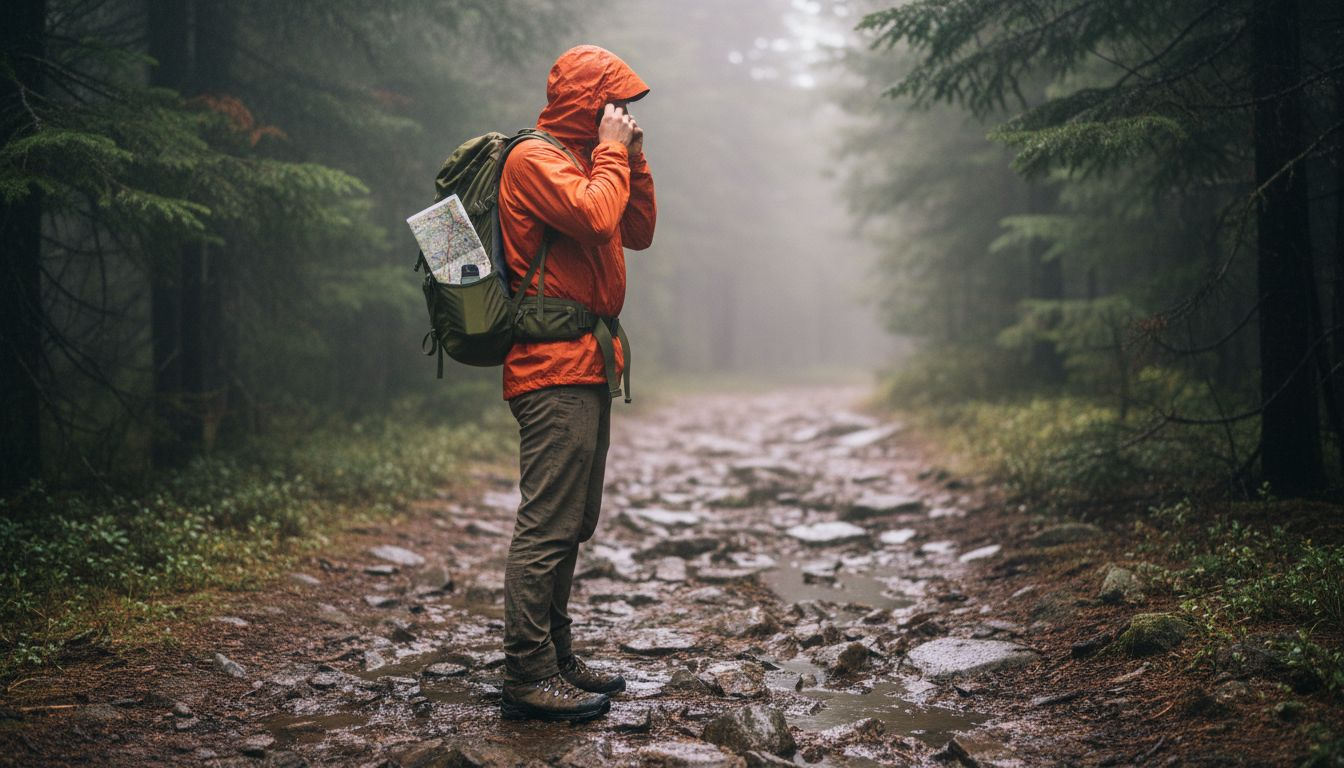
Most american hikers and campers underestimate just how quickly unpredictable rain can soak even the most promising trail in the Pacific Northwest. When a single downpour can saturate your gear and ruin a trip, knowing the real difference between waterproof and water-resistant equipment matters. With over 100 rainy days per year in cities like Seattle, choosing gear built to block water completely could be the key to comfort and safety during every adventure.
Key Takeaways
| Point | Details |
|---|---|
| Understanding Waterproof vs. Water-Resistant | Waterproof gear provides complete protection against moisture, while water-resistant gear only offers minimal resistance to light rain. |
| Importance of Waterproof Ratings | Familiarize yourself with waterproof ratings, as they indicate a fabric's ability to withstand water pressure and ensure your gear meets the demands of your environment. |
| Invest in Quality Gear | Choose high-quality, multifunctional waterproof gear to ensure durability and comfort during outdoor adventures. |
| Regular Maintenance is Key | Regularly inspect and apply waterproof treatments to extend the lifespan and effectiveness of your gear against moisture. |
Defining Waterproof Gear and Common Misconceptions
Waterproof gear is more than just a simple fabric barrier - it represents a sophisticated defense system designed to protect outdoor adventurers from environmental challenges. Unlike water-resistant materials that provide minimal protection, truly waterproof equipment prevents moisture penetration under demanding conditions. Accurate definitions of waterproof capabilities are crucial for understanding outdoor safety equipment.
The fundamental misconception among many outdoor enthusiasts is equating water-resistant with waterproof. Water-resistant gear might repel light moisture, but it fails during sustained exposure or heavy rainfall. Waterproof gear requires specialized construction involving multiple protective layers, sealed seams, and advanced fabric technologies that completely block water infiltration. This difference becomes critical when you're miles from shelter in the Pacific Northwest's unpredictable mountain environments.
Professional outdoor equipment manufacturers utilize advanced testing standards to certify waterproof ratings. These ratings, typically measured in millimeters of water pressure, indicate how much moisture a fabric can withstand before leaking. For instance, a rating of 5,000mm means the material can resist a 5,000mm water column before water penetrates - a standard most serious hiking gear must exceed. Understanding these technical specifications helps adventurers make informed gear selections.
Pro tip: Always check the specific waterproof rating and construction details before purchasing outdoor gear to ensure genuine protection against moisture and environmental challenges.
Major Types of Waterproof Gear for Outdoor Use
Waterproof gear encompasses a wide range of specialized equipment designed to protect outdoor adventurers from moisture and harsh environmental conditions. Comprehensive waterproof gear categories reveal multiple specialized types tailored for specific outdoor activities and environmental challenges. From head protection to full-body systems, these gear types represent critical safety investments for serious outdoor enthusiasts.
The primary categories of waterproof gear include protective outerwear, footwear, headgear, and specialized equipment like personal flotation devices. Waterproof jackets and pants utilize advanced membrane technologies such as Gore-Tex or proprietary fabric treatments that block water molecules while allowing internal moisture and sweat to escape. Waterproof hiking boots feature sealed seams and waterproof membranes that keep feet dry during stream crossings and wet terrain navigation. Specialized items like waterproof backpack covers, dry bags, and electronic device cases provide additional protection for critical gear and personal belongings.
Professional outdoor equipment manufacturers, particularly those serving maritime and wilderness exploration markets, develop specialized protective equipment with rigorous performance standards. Personal flotation devices (PFDs) represent a critical waterproof gear category for water-based activities, combining safety features with advanced materials designed to withstand prolonged moisture exposure. These devices are engineered not just to repel water, but to provide essential protection in potentially life-threatening aquatic environments.
Pro tip: Invest in multipurpose waterproof gear that offers versatility across different outdoor conditions and activities, maximizing your equipment's utility and protection.
Here's a summary of common waterproof gear types and their key purposes:
| Gear Type | Primary Use | Notable Features |
|---|---|---|
| Jackets and Pants | Full-body moisture defense | Breathable membranes, sealed seams |
| Hiking Boots | Foot protection on wet terrain | Waterproof membranes, reinforced construction |
| Backpack Covers/Dry Bags | Safeguarding belongings | Water-repellent coatings, flexible material |
| Personal Flotation Devices | Water safety | Buoyant materials, long-term moisture resistance |
| Device Cases | Protecting electronics | Sealed closures, shock absorption |
How Waterproofing Technology Protects You
Waterproofing technology represents a sophisticated scientific approach to protecting outdoor adventurers from moisture and environmental challenges. Advanced waterproof coating techniques have revolutionized how manufacturers create protective gear that shields users from water while maintaining breathability and comfort. These innovative technologies work at a microscopic level to create invisible barriers that repel water molecules without compromising the fabric's natural properties.
The core mechanism of waterproofing involves creating hydrophobic surfaces that cause water droplets to bead up and roll off instead of penetrating the material. Modern waterproofing methods include surface treatments and integral admixtures that modify fabric at a molecular level. Comparative waterproofing methods demonstrate how different approaches provide varying levels of protection, from light water resistance to complete moisture barriers. These technologies utilize chemical compounds that create nanoscopic barriers, effectively blocking water molecules while allowing air and moisture vapor to escape.
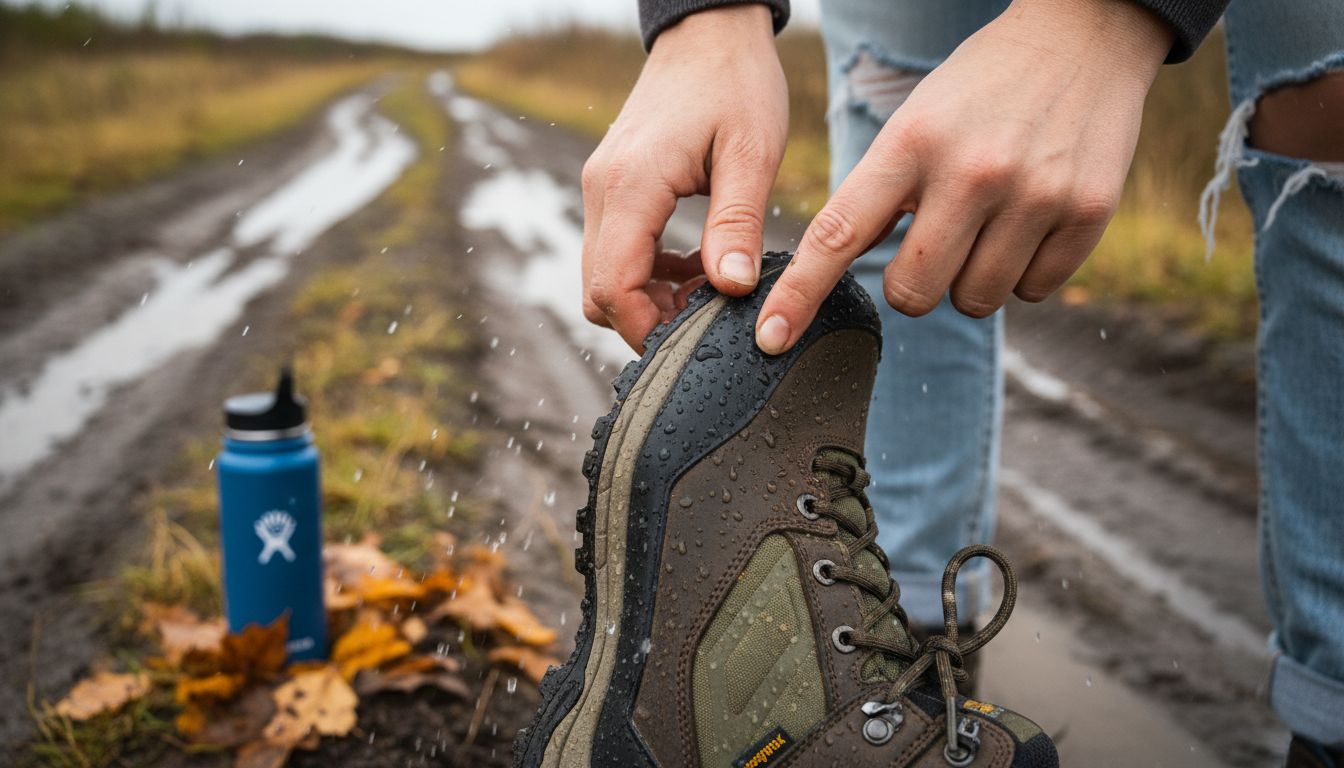
Professional outdoor gear manufacturers employ multiple waterproofing strategies, including durable water repellent (DWR) coatings, membrane technologies, and advanced fabric weaving techniques. These methods not only prevent water penetration but also enhance the gear's overall durability and performance in challenging outdoor environments. By creating microscopic barriers that interrupt water's surface tension, these technologies ensure that adventurers remain dry and comfortable during even the most demanding outdoor activities.
Pro tip: Regularly reapply waterproofing treatments to maintain your gear's protective capabilities and extend its effective lifespan.
Key Features That Maximize Comfort and Durability
Designing waterproof gear requires a sophisticated balance between protection and user comfort. Key design features demonstrate how advanced materials can create equipment that performs exceptionally while maintaining wearer mobility. The most effective outdoor gear integrates multiple performance attributes that work together to enhance overall user experience and protection.
The fundamental features that maximize comfort and durability include strategic material selection, ergonomic design, and advanced moisture management technologies. Breathable fabrics with advanced membrane technologies allow internal moisture to escape while blocking external water penetration. Composite materials with flexible weave structures provide range of motion without compromising protective capabilities. Durability research reveals that layered textile construction creates gear capable of withstanding extreme environmental conditions while maintaining structural integrity.
Professional outdoor equipment designers focus on creating multi-functional gear with adaptable features. This includes articulated joints in jackets, reinforced stress points, adjustable ventilation systems, and lightweight materials that reduce user fatigue. Innovative design elements like sealed seams, water-resistant zippers, and chemical treatments that enhance fabric performance transform basic protective equipment into sophisticated gear that adapts to changing outdoor environments.
Pro tip: Prioritize gear with modular design features that allow you to adapt to changing weather conditions and activity levels.
Risks of Neglecting Waterproof Protection
Neglecting proper waterproof protection exposes outdoor adventurers to significant risks that extend far beyond simple discomfort. Water exposure risks demonstrate the critical importance of comprehensive protective gear in preventing potential health hazards and equipment damage. Without adequate waterproofing, adventurers can face dangerous scenarios that compromise both personal safety and gear performance.
The primary risks of inadequate waterproof protection include potential health complications, gear deterioration, and compromised performance in challenging environments. Moisture penetration can lead to hypothermia, skin infections, and increased vulnerability to environmental pathogens. Electronic equipment becomes particularly vulnerable, with water damage potentially destroying expensive devices and critical navigation tools. Source water protection research underscores how unprotected gear can become a vector for contamination and structural degradation.
Professional outdoor safety experts emphasize that waterproof protection is not merely a convenience but a critical safety requirement. Prolonged moisture exposure can cause rapid gear breakdown, including fabric deterioration, metal corrosion, and compromised structural integrity. Synthetic materials can develop mold and mildew, creating additional health risks and reducing the functional lifespan of expensive outdoor equipment. The cumulative impact of neglecting waterproof protection can result in significant financial losses and potentially dangerous outdoor experiences.
Pro tip: Invest in high-quality waterproofing treatments and regularly inspect your gear for potential moisture vulnerabilities.
Comparing Waterproof vs. Water-Resistant Gear
Understanding the critical differences between waterproof and water-resistant gear is essential for outdoor adventurers seeking reliable protection in challenging environments. Regulatory gear classifications highlight the nuanced distinctions that determine equipment performance under various moisture conditions. While these terms are often used interchangeably, they represent fundamentally different levels of protective capability.
Waterproof gear provides a complete barrier against water penetration, engineered to withstand prolonged exposure and intense moisture conditions. Water-resistant material properties demonstrate that these materials only delay water infiltration, offering minimal protection during light precipitation or brief environmental challenges. Water-resistant equipment might repel light moisture for short periods, but it will ultimately allow water penetration under sustained exposure or heavy rainfall. Waterproof gear, by contrast, uses advanced membrane technologies and sealed construction to prevent any water molecules from passing through the material.
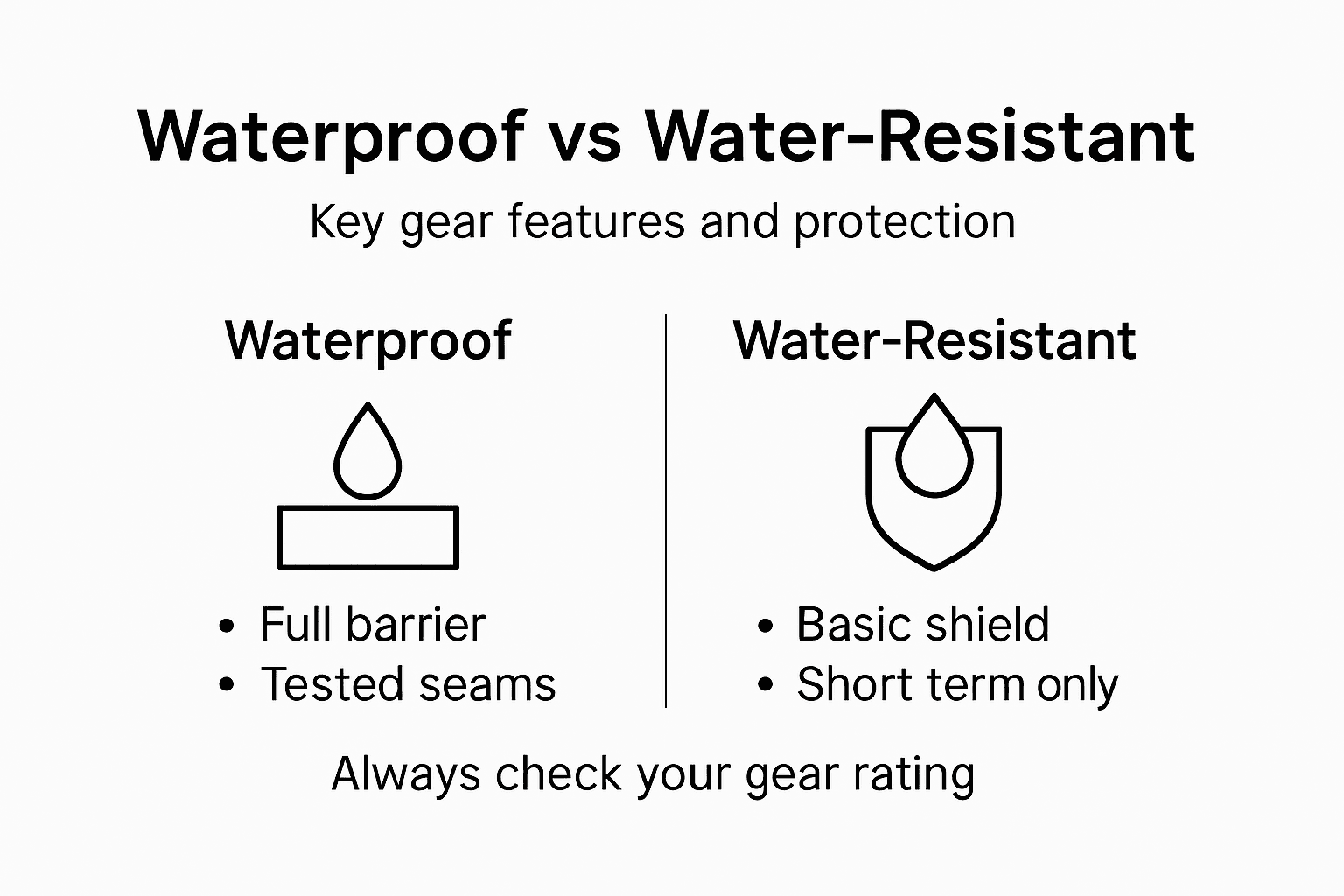
Professional outdoor equipment manufacturers utilize sophisticated testing standards to differentiate between water-resistant and waterproof gear. These standards typically measure water resistance through hydrostatic head tests, which determine the maximum water pressure a fabric can withstand before leaking. A water-resistant jacket might withstand 1,000mm of water pressure, while a true waterproof jacket could resist 20,000mm, representing a dramatic difference in protective capabilities. Understanding these technical specifications allows adventurers to make informed decisions about gear selection based on their specific outdoor activities and environmental conditions.
Pro tip: Always check the specific hydrostatic head rating when selecting outdoor gear to ensure appropriate protection for your intended environment.
For quick reference, here is a comparison of waterproof vs. water-resistant gear features:
| Attribute | Waterproof Gear | Water-Resistant Gear |
|---|---|---|
| Water Protection | Complete barrier, no penetration | Repels only light moisture |
| Fabric Tech | Multi-layer membranes, sealed seams | Basic surface treatment |
| Durability | Withstands heavy rainfall | Limited moisture exposure |
| Testing Standard | Hydrostatic head: 5000mm–20000mm+ | Hydrostatic head: ~1000mm |
| Use Case | Severe weather, long expeditions | Light rain, casual hikes |
Stay Dry and Confident with Life Camp Adventure's Waterproof Gear
The challenge discussed in "Why Waterproof Gear Matters for Outdoor Adventurers" centers on the critical need to protect yourself against harsh moisture and unpredictable weather using true waterproof gear. You understand the importance of choosing equipment with advanced membrane technologies, sealed seams, and high hydrostatic head ratings to prevent water penetration that leads to discomfort, health risks, and gear damage. Whether you are preparing for heavy rainfall or extended outdoor expeditions, your goal is clear—stay dry, safe, and comfortable in all conditions.
At Life Camp Adventure, we share your passion for exploration and your demand for reliable, high-performance gear that meets these exacting standards. Our collection includes waterproof jackets, pants, hiking boots, and protective accessories designed with the latest fabric technologies to block moisture while allowing breathability. By investing in gear from Life Camp Adventure, you reduce the risk of hypothermia and equipment failure caused by moisture exposure. Our products emphasize durability, comfort, and innovative waterproofing solutions that elevate your outdoor experience.
Discover how easy it is to equip yourself with trustworthy waterproof gear by visiting our online store today. Browse the full range of adventure-ready solutions and gear up for your next trip knowing you have reliable protection when it matters most.
Explore Our Adventure-Ready Waterproof Gear
Don’t let moisture hold you back from your outdoor ambitions. Visit Life Camp Adventure now and prepare yourself with waterproof gear that performs under pressure. Take the first step toward mastering the elements before your next journey.
Frequently Asked Questions
What is the difference between waterproof and water-resistant gear?
Waterproof gear provides a complete barrier against water penetration and is engineered to withstand prolonged exposure to moisture, while water-resistant gear only repels light moisture and allows some water to penetrate under sustained exposure.
How can I determine the waterproof capability of outdoor gear?
The waterproof capability is typically measured by hydrostatic head testing, which indicates how much water pressure a fabric can withstand before leaking. For example, a waterproof jacket might withstand 5,000mm to over 20,000mm of water pressure, while water-resistant gear usually withstands about 1,000mm.
Why is waterproof gear important for outdoor safety?
Waterproof gear protects against moisture penetration, which can lead to serious health risks such as hypothermia and skin infections, as well as damage to essential equipment and personal belongings, ensuring safety and comfort during outdoor activities.
How can I maintain my waterproof gear?
To maintain waterproof gear, regularly inspect for signs of wear, clean with appropriate detergents, and reapply waterproofing treatments as needed to ensure maximum protection and longevity.
Recommended
- What Is Outdoor Gear and Why It Matters
- The Essential Guide to Weatherproof Tents
- Why Pack Survival Gear: Safety, Comfort, and Confidence
- 8 Reliable Camping Cookware Reviews for 2026
- Climbing Equipment: Choosing the Right Gear Matters - Gripnatic
- Understanding the Importance of Hydration for Athletes – MyGymSupplements
