TL;DR:
- Carrying a well-organized, customized first aid kit is essential for outdoor safety, as minor injuries occur frequently and prompt treatment prevents serious complications. Knowing what's inside and practicing basic skills transform a kit from mere gear into a vital emergency response tool, reducing panic and enhancing group confidence during trips. Regularly reviewing and practicing first aid preparedness ensures effective use of supplies and improves overall outdoor experience and safety.
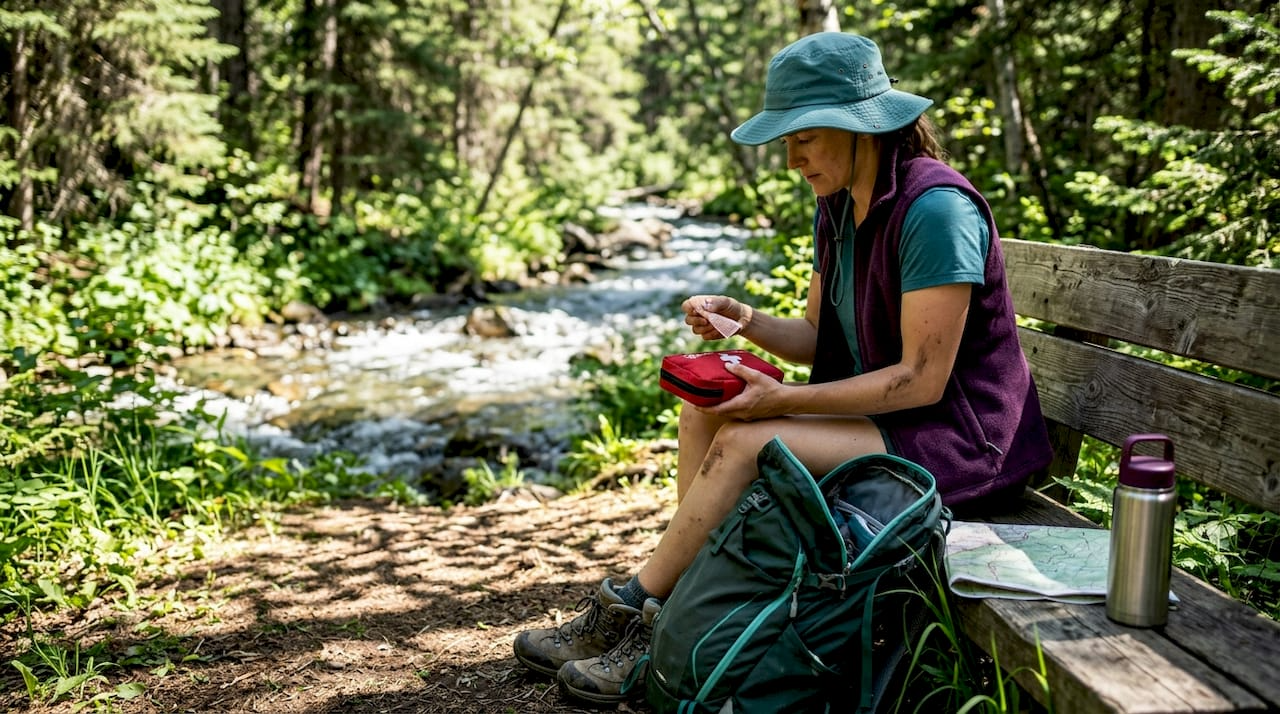
Most people head into the outdoors thinking careful movement and good judgment will keep them safe. That thinking feels reasonable until you're three miles from the trailhead with a gash on your shin and nothing to clean it with. Understanding why pack first aid is not about expecting disaster. It's about recognizing that minor injuries happen constantly outdoors, and the difference between a quick fix and a serious infection often comes down to what you're carrying. This article breaks down what you actually need, why it matters, and how to pack it in a way that works when it counts.
Key takeaways
| Point | Details |
|---|---|
| Minor injuries happen frequently outdoors | Cuts, blisters, and sprains can occur on any trip regardless of skill level or caution. |
| Generic kits often fall short | Store-bought kits frequently lack critical items like irrigation syringes and enough blister care supplies. |
| Organization speeds up response | A well-organized kit reduces panic and improves your ability to act quickly during emergencies. |
| Knowledge matters as much as gear | Carrying tools you don't know how to use can create a false sense of security rather than real safety. |
| Customization increases effectiveness | Tailoring your kit to your trip type, duration, and personal health needs dramatically improves outcomes. |
Why pack first aid: the real case for outdoor preparedness
The honest answer to why pack first aid is simple. Outdoor environments do not have pharmacies around the corner. Prompt first aid can mean the difference between a minor and severe medical situation, and that gap closes fast when you're far from help.
Think about what a typical day hike involves. Uneven terrain, exposed roots, loose gravel, sun exposure, insect activity. Every one of those factors creates injury opportunities that have nothing to do with being reckless. You can be an experienced hiker and still roll an ankle on a root you didn't see.
The importance of first aid kit access becomes most obvious when you're the person in the group everyone else turns to. Whether you're solo or with family, having a kit shifts you from helpless to capable. That shift matters more than most people expect until they actually need it.
Common outdoor injuries that demand immediate attention
Before you can appreciate the benefits of packing first aid, you need a clear picture of what typically goes wrong on outdoor trips. The injuries are rarely dramatic. They're frustratingly ordinary.
Here's what outdoor adventurers deal with most often:
- Blisters. New boots, longer-than-expected mileage, wet socks. Blisters develop fast and become debilitating without proper padding and protection.
- Cuts and scrapes. Brushing past sharp vegetation, handling gear, or catching a fall with your hands. These are nearly universal on multi-day trips.
- Sprains. Ankle sprains are among the most common trail injuries, especially on descents or uneven terrain.
- Insect bites and stings. Reactions range from mild irritation to serious allergic responses requiring antihistamines or epinephrine.
- Burns. Campfire cooking, hot camp stoves, and sun exposure all create burn risks that require proper wound care.
- Dehydration-related symptoms. Headaches, cramps, and dizziness often respond well to early intervention with electrolytes and rest.
The psychological side of this matters too. Families and groups who keep kits accessible and teach recognition of symptoms respond faster and with less panic when something goes wrong. Preparedness is partly mental, and the presence of a kit reinforces calm decision-making under pressure.
Pro Tip: Place your first aid kit somewhere you can reach it without removing your pack completely. Side pockets or the top compartment of a hiking pack are ideal. Seconds matter when someone is bleeding.
What goes inside a well-packed first aid kit
Knowing why pack a first aid kit is only half the answer. You also need to know what actually belongs inside one. The contents should match your trip type, duration, and the number of people you're with.
Here's a comparison of what a basic store-bought kit typically includes versus what an outdoor trip actually requires:
| Category | Typical store-bought kit | What outdoor trips actually need |
|---|---|---|
| Blister care | 2 to 3 blister pads | 8 or more blister pads for multi-day trips |
| Wound cleaning | Antiseptic wipes | Wipes plus an 18 to 20cc irrigation syringe |
| Fracture support | None | SAM splint for immobilizing limbs |
| Medications | Basic pain reliever | Pain reliever, antihistamine, anti-diarrheal, and personal prescriptions |
| Temperature emergencies | None | Emergency Mylar blanket |
| Infection control | Basic bandages | Gauze pads, medical tape, nitrile gloves, antiseptic solution |
| Airway support | None | CPR face shield or pocket mask |
That irrigation syringe deserves special attention. Most commercial kits omit it entirely, yet wound irrigation at the right pressure (about 8 psi from an 18 to 20cc syringe) is the single most effective way to reduce infection risk from trail injuries. Wipes alone don't generate enough force to flush debris from a wound.
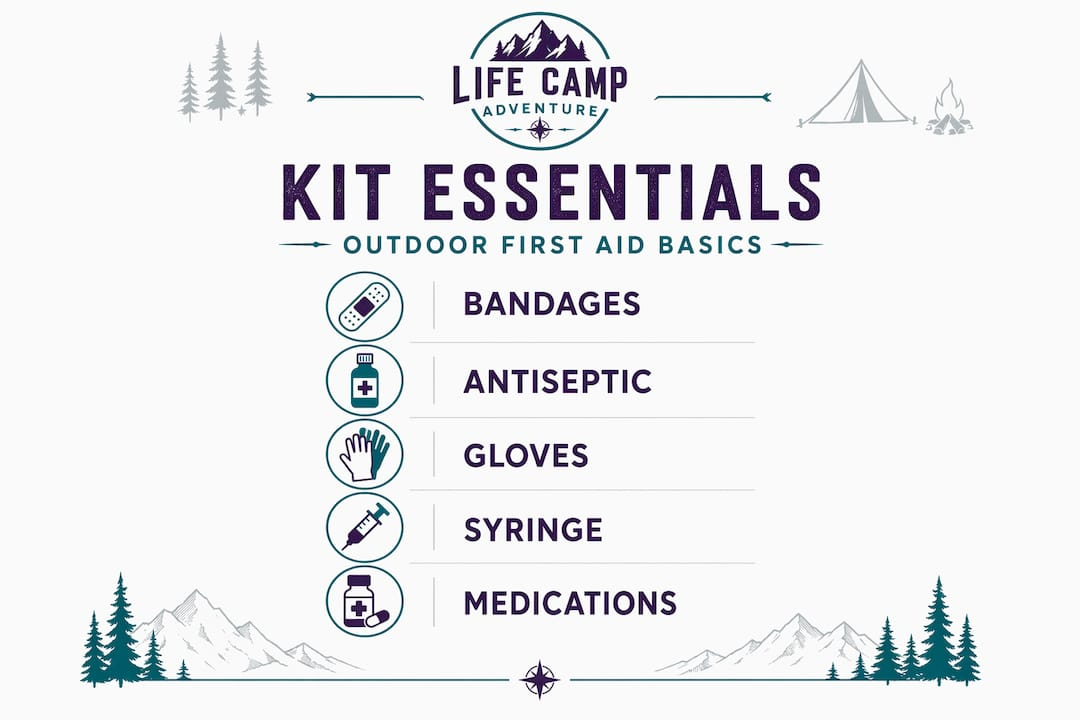
For travelers heading to remote regions, prescriptive standby kits developed with physician input can include antibiotics and anti-nausea medications for early intervention when professional care is far away. This level of preparation is worth discussing with your doctor before any expedition longer than a weekend.
Pro Tip: Pack your medications in a waterproof bag inside the kit. A wet antihistamine tablet is useless, and moisture gets into almost every pack during rain or stream crossings.
How a first aid kit improves your entire trip
The first aid kit necessity goes beyond treating injuries. It changes how you experience the trip.
Here's what having a properly packed kit actually does for you:
- Prevents minor injuries from escalating. A small cut treated immediately stays a small cut. Left untreated in a sweaty boot or dirty environment, it can become infected within 24 to 48 hours and end your trip entirely.
- Supports faster recovery. Treating a blister at mile five means you can keep walking. Ignoring it often means limping out on day two with skin damage that takes a week to heal.
- Improves group confidence. When people know a kit is present and someone knows how to use it, group morale stays higher during stressful moments.
- Enables better emergency decisions. Stabilizing a sprained ankle before attempting to walk out gives you time to assess the situation rather than react out of desperation.
- Reduces the burden on emergency services. Self-sufficient outdoor travelers who can handle minor emergencies don't overload search and rescue resources that exist for genuine life-threatening situations.
Mistakes that make first aid kits useless on the trail
Packing a kit and packing the right kit are very different things. These are the pitfalls that undermine the first aid kit necessity most outdoor adventurers overlook:
- Grabbing a generic kit without reviewing the contents. Most commercial kits are assembled for retail appeal, not clinical effectiveness. Tailoring your kit to specific trip needs is more important than brand name or price.
- Burying the kit at the bottom of your pack. If it takes five minutes to reach during an emergency, it's almost as useless as not having one.
- Never checking expiration dates. Antiseptics lose effectiveness. Medications expire. Routine inspection and rotation of perishable items keeps your kit actually functional rather than just present.
- Carrying tools you don't know how to use. Advanced tools like SAM splints and tourniquets require training to use correctly. Without that knowledge, they're dead weight at best and harmful at worst.
- Skipping restocking after a trip. Used supplies don't replace themselves. A post-trip audit takes five minutes and keeps you ready for the next outing.
Pro Tip: Take a wilderness first aid course before any trip lasting more than two days. Even a one-day basic course teaches you how to assess injuries, use your supplies correctly, and stay calm under pressure. The gear is only as good as the person using it.
Making first aid packing a natural part of your trip prep
The best way to treat first aid packing tips is to build them into your standard pre-trip routine rather than treating them as an afterthought. Here's a practical process that works for most outdoor trips:
- Start with a base kit. Assemble the core supplies: bandages in multiple sizes, gauze, medical tape, antiseptic solution, nitrile gloves, tweezers, small scissors, pain reliever, antihistamine, and a CPR face shield. A 72-hour survival standard recommends these as your non-negotiable foundation.
- Add trip-specific supplies. Day hike in summer heat? Add extra blister pads and electrolyte packets. Multi-day backcountry trip? Include a SAM splint, irrigation syringe, anti-diarrheal, and an emergency blanket.
- Review expiration dates before every trip. Medications and antiseptics degrade. Set a calendar reminder at the start of each outdoor season to go through your kit.
- Organize for speed, not just storage. Color-coded pouches or clear bags let you find what you need instantly. Group wound care together, medications together, and tools together.
- Position the kit for access. Your pack's top lid or a hip belt pocket keeps the kit reachable without removing your entire pack.
- Learn the basics before you go. Review how to clean and bandage a wound, recognize signs of infection, and splint a limb before you actually need that knowledge. The wilderness first aid skills that matter most are simple but require practice.
- Brief your group. Everyone on the trip should know where the kit is and what's in it. You may not be the one who can treat yourself.
My take on first aid kits after years outdoors
I've seen well-prepared hikers turn a bad ankle injury into a manageable walk-out, and I've seen people in genuine distress because their kit was either missing or they'd never opened it before that moment. The difference wasn't luck. It was preparation.
The thing most articles won't tell you is that a kit you've never explored before an emergency is only marginally better than no kit at all. I'd strongly recommend opening yours, touching every item, and practicing the ones that require technique. Knowing how to properly irrigate a wound or secure a splint before adrenaline hits changes your entire response.
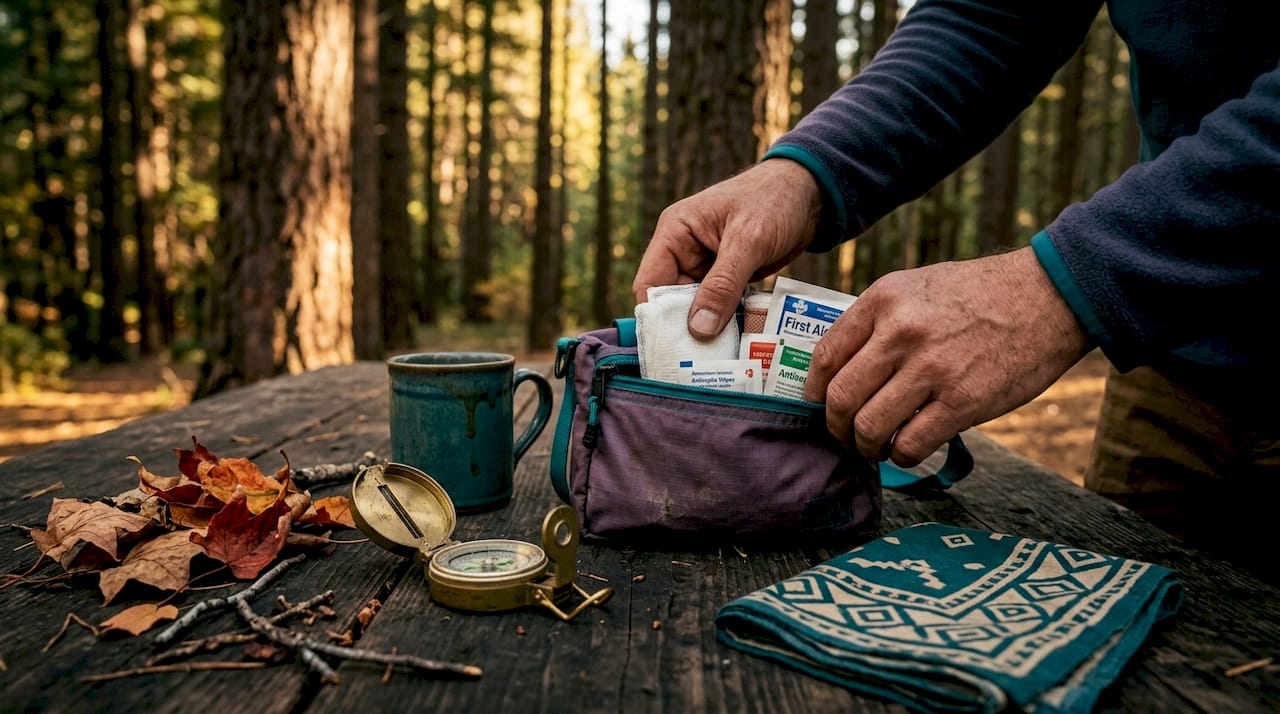
What I've found is that the mental benefit is just as real as the physical one. Knowing your kit is packed correctly and that you know how to use it changes your mindset on the trail. You're less reactive. You make better decisions. That confidence isn't arrogance. It's the product of actual preparation.
The "pack and forget" approach is dangerous in a specific way. It gives people the feeling of preparedness without the substance of it. Real readiness means checking your kit, knowing its contents, and refreshing your skills every season. That's when first aid kits go from gear to genuine safety tools.
— Billy
Gear up for every adventure with Lifecampadventure
At Lifecampadventure, preparedness isn't a suggestion. It's built into everything we do. If reading this has made you rethink what's in your pack before your next trip, that's the right instinct to follow. A first aid kit belongs alongside every other piece of gear you rely on outdoors. Browse our essential outdoor safety gear to find adventure-ready products designed for real conditions, not just good weather. If you want a complete picture of what belongs in a prepared pack, our best camping gear guide covers the full range of equipment that experienced adventurers actually depend on. And if you're building your kit from the ground up, our survival essentials guide gives you a clear starting point. Gear up smart before your next trip out.
FAQ
Why should you always pack a first aid kit for outdoor trips?
Outdoor environments expose you to cuts, sprains, burns, and insect bites where professional medical help may be hours away. Prompt first aid prevents minor injuries from becoming serious infections or complications before you can reach care.
What are the most important items to include in an outdoor first aid kit?
Core supplies include bandages, gauze, antiseptic solution, an irrigation syringe, nitrile gloves, tweezers, a CPR face shield, and medications such as pain relievers and antihistamines. Specialized trips may also require a SAM splint and an emergency blanket.
Are store-bought first aid kits enough for hiking and camping?
Most commercial kits are a starting point, not a complete solution. They typically lack adequate blister care and critical tools like irrigation syringes, so customizing for your trip type and duration is necessary for real safety.
When is the best time to check and restock your first aid kit?
Review your kit before every trip and after every outing where supplies were used. Set a seasonal reminder to check expiration dates on medications and antiseptics and replace anything that has degraded or been depleted.
Does training matter if you already carry a first aid kit?
Yes, significantly. Tools like SAM splints and tourniquets require proper technique to be effective and safe. Even a basic wilderness first aid course gives you the skills to use your supplies correctly when it counts most.
