TL;DR:
- Modular gear systems allow for customizable and flexible loadouts tailored to any outdoor activity. They use standardized interfaces like PALS webbing to attach and arrange pouches efficiently, enhancing adaptability during trips. Proper discipline, practice, and selective loading maximize their weight savings and operational effectiveness.
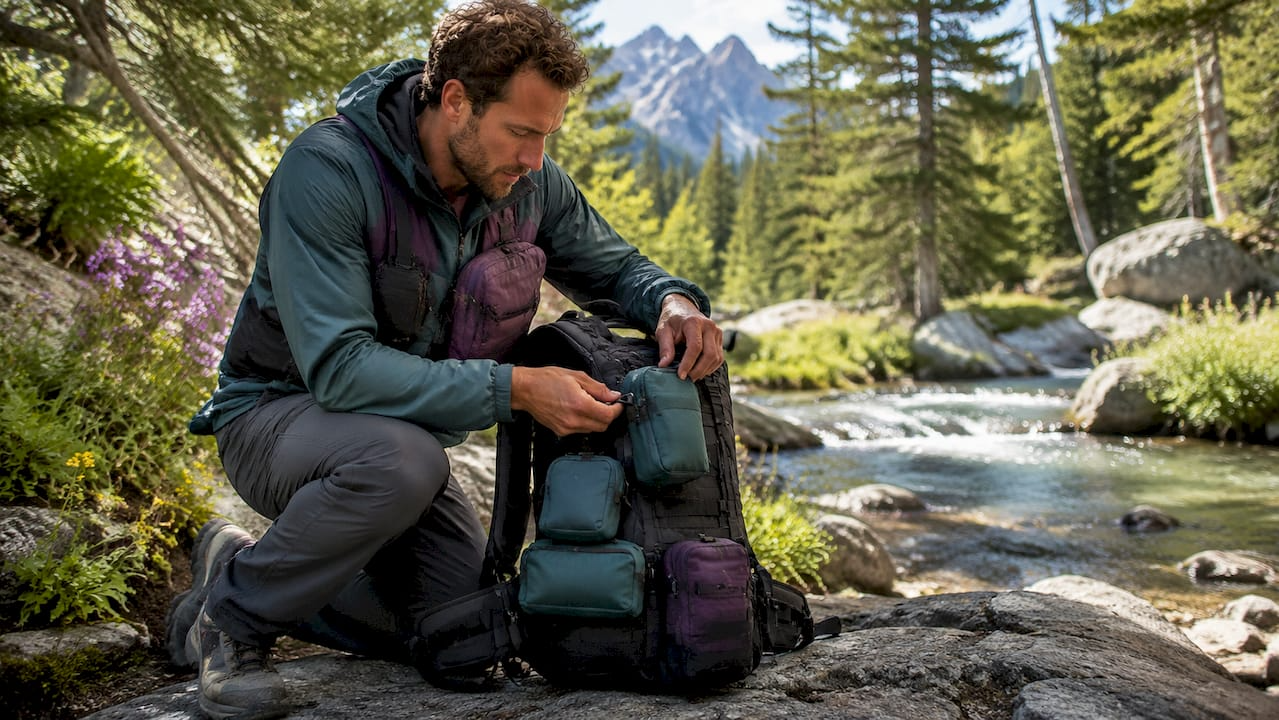
Modular gear systems are customizable equipment setups that let you freely interchange, reposition, and arrange components to match any outdoor activity or environment. Unlike fixed packs or all-in-one kits, these systems shift control from the manufacturer to you. The foundation of most modular load-carrying gear is the PALS standardized webbing grid, which uses roughly 1-inch webbing with 1.5-inch seam spacing to create a universal attachment surface. Whether you're day hiking, setting up a base camp, or preparing for emergencies, understanding why modular gear systems matter is the difference between a kit that works for you and one that fights you.
Why modular gear systems use MOLLE and PALS interfaces
The MOLLE (Modular Lightweight Load-carrying Equipment) standard and its companion PALS (Pouch Attachment Ladder System) grid are the technical backbone of modern modular gear. PALS creates a blank canvas arrangement that you configure based on your body mechanics, activity type, and access priorities. No two trips require the same layout, and PALS makes that flexibility real rather than theoretical.
How the PALS grid works
The grid uses horizontal rows of 1-inch webbing stitched at 1.5-inch intervals. Pouches attach by weaving their straps through alternating rows, locking them in place without hardware. This weaving method is what gives MOLLE its stability. Skipping rows or loose weaving leads to unstable pouches that shift under load, which is a real problem on technical terrain.
| Feature | Classic Sewn Loops | Laser-Cut MOLLE Slots |
|---|---|---|
| Durability | High, proven over decades | High, cleaner profile |
| Attachment speed | Moderate, requires weaving | Faster, slots guide straps |
| Weight | Slightly heavier webbing | Lighter, minimal material |
| Compatibility | Universal PALS standard | Mostly universal, minor fit variance |
| Best use | Heavy-duty field use | Speed-focused or minimalist setups |
Minor deviations in webbing spacing or loop tolerances across brands can cause noticeable differences in pouch stability. Not every MOLLE pouch fits every PALS platform perfectly, so testing fit before a trip is worth the five minutes it takes.
Pro Tip: Always attach a new pouch at home and load it to field weight before your trip. Loose attachment points that feel fine empty will shift and bounce under a full load.
What advantages do modular systems offer over fixed gear?
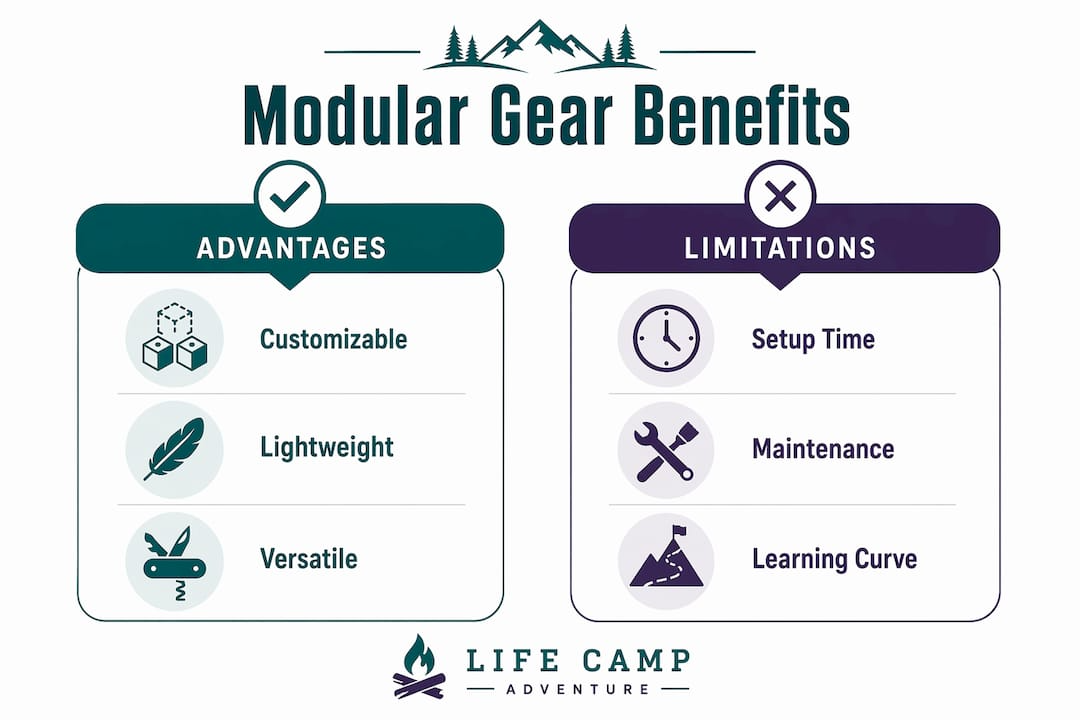
The core benefit of modular gear is that customization control shifts from the manufacturer to you. Fixed packs and all-in-one kits lock you into a layout someone else designed for a generic user. Modular systems let you build around your actual workflow.
Here are the four primary advantages modular gear delivers over fixed alternatives:
- Trip-specific loadout flexibility. You can strip your pack down to a minimalist day kit or expand it to a multi-day base camp setup without buying new gear. The same vest or pack serves both roles.
- Weight discipline when practiced correctly. Disciplined gear selection is the key to realizing the weight advantage. Leave the pouches you don't need at home, and your system is lighter than any comparable all-in-one.
- Optimized access by priority. Placing your most-used items in top layers or front pouches means you reach them without unpacking everything else. This matters most when weather changes fast or you need a first aid kit immediately.
- Rapid reconfiguration in the field. Reconfigurable interiors and layouts let you adjust within minutes when conditions or task priorities shift. Emergency responders use this principle daily, and it applies equally to backcountry adventurers.
Pro Tip: Before any trip, lay out every pouch and item you plan to carry. Ask yourself if you'll use each one. If the answer is "maybe," leave it behind. Modular gear only saves weight when you practice that discipline.
For a deeper look at how modular backpacking reduces pack weight through careful selection, Lifecampadventure has a full guide worth reading before your next trip.
What are the limitations of modular gear systems?
Modular systems are not the right answer for every situation. They require skill, practice, and honest self-assessment to deliver their full value. Knowing the trade-offs helps you decide when to use them and when a simpler all-in-one kit is the smarter call.
The most common challenges modular gear users face include:
- Setup complexity for beginners. Attaching MOLLE pouches correctly takes practice. New users often under-weave straps or choose incompatible components, resulting in a system that feels worse than a standard pack.
- The "just in case" weight trap. Modular gear's weight advantage disappears when users carry every pouch they own because they might need it. The flexibility that makes modular systems great also makes it easy to overpack.
- Time investment before the payoff. Seasoned users treat modular systems as skills, rehearsing setup, tear-down, and pack order so they can deploy quickly under pressure. That proficiency takes time to build.
- All-in-one kits win for simplicity. For short, predictable trips where conditions won't change, a well-designed all-in-one pack is faster to use and harder to misconfigure.
"Modular gear rewards the prepared and punishes the impulsive. The adventurer who practices their setup at home will always outperform the one who figures it out on the trail."
Managing a modular system well means treating your configuration as a living document. Review it after every trip, drop what you didn't use, and add only what you genuinely missed.
Real-world applications: shelters, packs, and case systems
Modular gear system advantages show up most clearly in three categories: load-carrying systems, shelters, and case-based tool organization. Each applies the same core principle in a different context.
Modular load-carrying systems
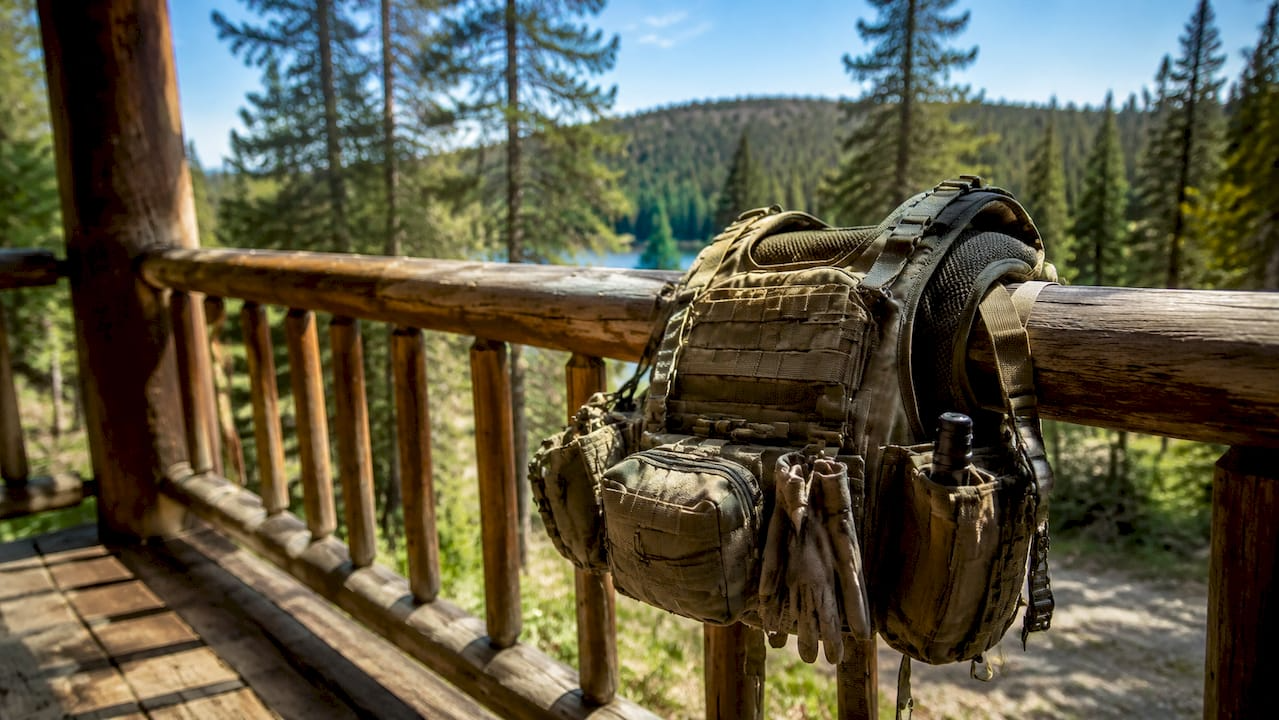
MOLLE-compatible vests, chest rigs, and packs are the most familiar application. You attach mission-specific pouches for water, navigation tools, first aid, or food based on the day's plan. A trail runner might carry only a hydration pouch and a small utility pocket. A multi-day camper adds a larger main pack with modular side pouches for fuel and cookware. The same base platform serves both. For efficient gear packing across different trip types, Lifecampadventure's packing tips guide covers how to apply this thinking to your actual loadout.
Modular shelter systems
Rapid-deploy shelter systems take modularity into camp setup. The Safeware ASAP-12 is a real-world example: two trained people can set it up in about 60 seconds, and multiple units connect to expand a base camp as needed. That speed and scalability matter in search and rescue operations, but the principle applies to any adventurer who needs shelter fast in changing weather. Lifecampadventure covers the full range of modular shelter options for campers who want to understand their choices before buying.
Modular case systems for tool organization
Pelican-style modular cases with reconfigurable foam or divider inserts are standard in emergency response. Configuring layouts by access frequency places the most-reached items at the top, reducing full reorganizations and improving speed under pressure. For outdoor adventurers, the same logic applies to first aid kits, camera gear, or survival tool kits. Organize by how often you need something, not by size or aesthetics.
| Application | Modular Advantage | Best For |
|---|---|---|
| MOLLE vests and packs | Reconfigure per trip type | Hiking, trail running, base camp |
| Rapid shelter systems | Fast deploy, expandable | Search and rescue, base camp |
| Modular case inserts | Access by priority, no full repack | First aid, photography, survival tools |
| Chest rigs | Lightweight, task-specific | Day hikes, technical terrain |
Pro Tip: Organize your modular case or pack by access frequency, not by item size. The thing you'll grab in an emergency goes on top, every time.
Key takeaways
Modular gear systems deliver their full value only when users combine standardized interfaces like PALS with disciplined selection, practiced setup, and layouts organized around real-world access needs.
| Point | Details |
|---|---|
| PALS grid is the foundation | The 1-inch webbing grid enables universal pouch attachment and full layout customization. |
| Discipline drives weight savings | Leave unused pouches at home; modular gear only saves weight when you pack with intent. |
| Practice builds field speed | Rehearse setup and tear-down at home so you can deploy quickly under pressure. |
| Organize by access frequency | Place most-used items at the top or front for fast retrieval without full unpacking. |
| All-in-one still wins sometimes | For short, predictable trips, a fixed kit is faster and simpler than a modular setup. |
Why i think most adventurers underuse modular gear
I've watched a lot of people buy MOLLE-compatible gear, attach every pouch they own, and then complain that their setup is heavy and awkward. That's not a modular gear problem. That's a discipline problem.
The real shift modular systems require is mental, not physical. You have to be willing to leave gear behind. You have to practice your configuration before you need it in the field. And you have to be honest about what you actually use versus what makes you feel prepared.
The adventurers I've seen get the most out of modular systems treat their loadout like a craftsman treats a tool kit. Every piece earns its place. Nothing rides along "just in case" without a specific reason. That mindset is what separates a well-configured modular setup from an overloaded mess.
My honest recommendation is to start with one modular base, like a simple MOLLE vest or a small PALS-compatible day pack, and add only two or three pouches. Use that configuration for several trips. Then adjust based on what you actually reached for and what stayed untouched. Hybrid setups that combine a modular base with one or two fixed all-in-one components often work better than going fully modular from day one.
Modular gear is a skill. Treat it like one, and it will pay you back every time you're in the field.
— Billy
Build your modular kit with Lifecampadventure
Lifecampadventure carries gear built for adventurers who want flexibility without sacrificing reliability. Whether you're building your first modular loadout or upgrading an existing setup, the right foundation matters.
Browse the camping tents comparison to find shelter options that fit a modular base camp strategy, or check the best camping gear for 2025 for expert-reviewed picks across categories. From survival essentials to cookware and load-carrying systems, Lifecampadventure stocks the components that let you build a kit around your actual adventures, not someone else's idea of what you need.
FAQ
What is a modular gear system?
A modular gear system is a customizable equipment setup that uses standardized attachment interfaces, like the PALS webbing grid, to let users freely reposition and swap components based on their activity or environment.
How does MOLLE attachment work?
MOLLE pouches attach by weaving straps through alternating rows of PALS webbing, locking them in place without hardware. Correct alternating weave is required for stability; loose or skipped rows cause pouches to shift under load.
Do modular gear systems actually save weight?
They can, but only with disciplined selection. Carrying every available pouch eliminates the weight advantage. Leave components you won't use at home, and a modular system will be lighter than a comparable fixed kit.
When is an all-in-one kit better than modular gear?
All-in-one kits are faster and simpler for short, predictable trips where conditions won't change. Modular systems pay off most on longer or variable trips where you need to reconfigure your loadout between legs.
How long does it take to get proficient with modular gear?
Proficiency depends on practice. Regular setup and tear-down rehearsals at home build the muscle memory needed to configure and deploy quickly in the field, especially under adverse conditions.
