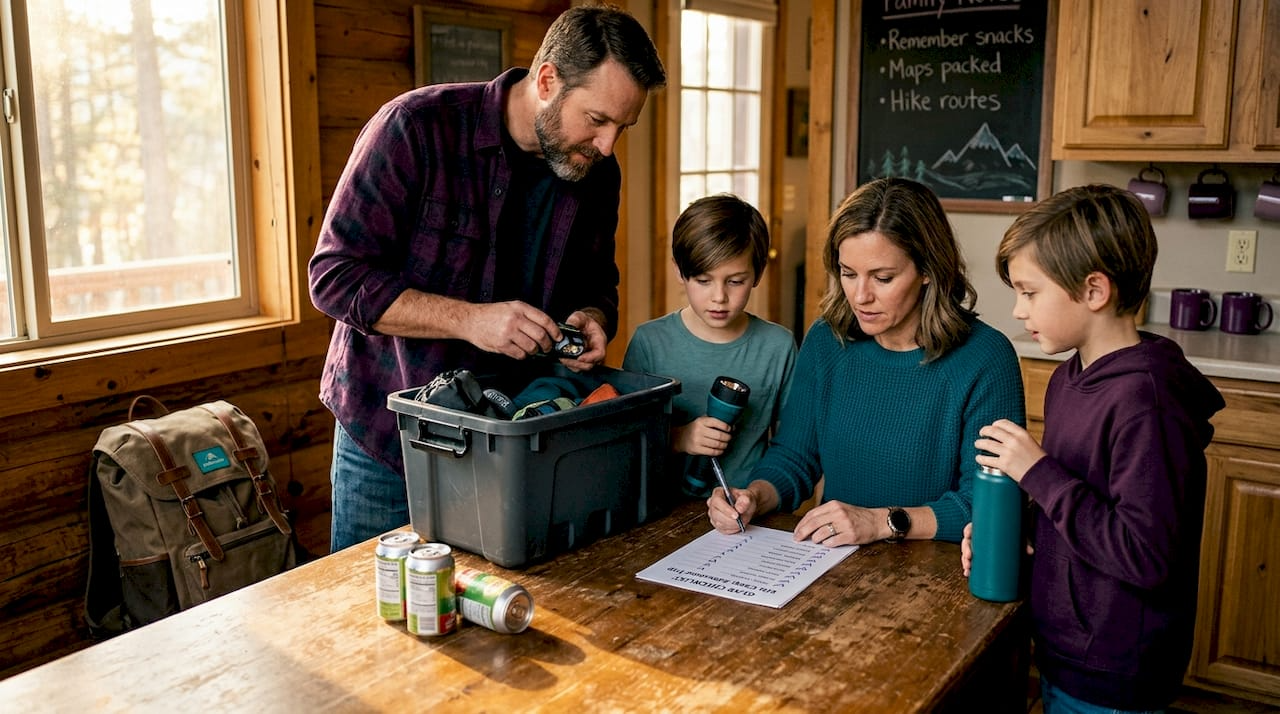
TL;DR:
- Emergency kits are essential for self-reliance during disasters since responders may take days to arrive. Customizing kits for your household’s needs and environment enhances preparedness, providing vital support beyond just survival. Regular maintenance and practice ensure your kit remains functional, reducing panic and empowering smarter decisions in emergencies.
Most people think emergencies happen to someone else. That assumption is exactly why so many households are caught completely unprepared when disaster strikes. Understanding why emergency kits are important is not about living in fear. It's about making one smart decision before you need it. Whether you're facing a hurricane, a wildfire evacuation, a winter blackout, or an unexpected situation on a backcountry trail, having a kit means you can act instead of panic. This article breaks down what belongs in a kit, why it matters far beyond basic survival, and how to build one that actually fits your life.
Key Takeaways
| Point | Details |
|---|---|
| Kits cover the gap period | Emergency responders may take days to arrive, so your kit must sustain you in the meantime. |
| Personalization is non-negotiable | Generic kits often miss medications, infant formula, or pet needs that your household requires. |
| Peace of mind is a real benefit | Preparedness reduces panic and helps families make better decisions under pressure. |
| Maintenance keeps kits functional | Rotating food and water and checking gear regularly prevents failure when it matters most. |
| Location matters for kit design | Rural households and wildfire-prone regions need extended supplies beyond the standard 72 hours. |
What an emergency kit is and what it should contain
An emergency kit is a collection of supplies assembled in advance so your household can survive and function without external support for a defined period. Think of it as your self-reliance buffer. When a storm knocks out power and roads are blocked, your kit is what stands between comfort and crisis.
FEMA recommends every household maintain at least a 72-hour supply of essentials. That means food, water, first aid supplies, and communication tools to last three full days without outside help. Most preparedness experts treat 72 hours as the floor, not the ceiling.Here are the core categories every kit should cover:
- Water: One gallon per person per day for at least three days. Do not forget pets.
- Food: Non-perishable items like canned goods, protein bars, and dried fruit. Prioritize foods your family actually eats.
- First aid: Bandages, antiseptic wipes, pain relievers, a thermometer, and any prescription medications your household depends on.
- Light and communication: A hand-crank or battery-powered weather radio, flashlights, and extra batteries.
- Hygiene supplies: Hand sanitizer, moist towelettes, feminine hygiene products, and a basic sanitation kit.
- Important documents: Copies of IDs, insurance policies, bank account information, and medical records.
Beyond the home kit, you should also consider a go-bag for rapid evacuation and a car kit for roadside or travel emergencies. Each serves a different scenario and should be stocked accordingly.
Pro Tip: Store your home kit in a single, labeled waterproof container placed near an exit. If you need to leave fast, you should be able to grab it in under 60 seconds.
| Kit Type | Best For | Key Additions |
|---|---|---|
| Home kit | Shelter-in-place emergencies | Extended food and water, tools |
| Go-bag | Rapid evacuation | Lightweight, portable, essentials only |
| Car kit | Travel and roadside emergencies | Jumper cables, blanket, basic first aid |
Customizing your kit matters enormously. Most people overlook specific needs like prescription medications, infant formula, or supplies for pets. A kit that does not account for your household's real needs is a kit that will fail you when it counts.
The real benefits of emergency preparedness beyond survival
Here is what most people miss when they think about why emergency kits are important. Survival is the obvious answer. But the benefits reach further than that.
The first and most practical benefit is access. Emergency responders may be delayed for several days after a major disaster. Roads close, resources get stretched, and help simply cannot arrive fast enough for every household. Your kit fills that gap. It gives your family a window of self-reliance when the system cannot reach you in time.
The second benefit is psychological. Preparedness reduces panic and gives families a clear framework to operate from during high-stress moments. When you know exactly where your supplies are and what your plan is, your brain shifts from reactive to problem-solving mode. That shift can be the difference between smart decisions and costly ones.
"Preparedness is not just a physical readiness but a mindset that reduces fear and empowers action when it matters most."
The third benefit is community-level resilience. When households take care of themselves, emergency responders can focus on people who genuinely cannot help themselves. Community preparedness directly lessens the burden on emergency services, making the overall response more effective for vulnerable groups.
Emergency kits are vital not just for natural disasters but for infrastructure failures too. Power outages, water supply disruptions, and supply chain breakdowns are all scenarios where a well-stocked kit keeps your household running smoothly.
How to tailor your kit to your environment
One kit does not fit every situation. Where you live, how far you are from emergency services, and who is in your household all shape what your kit needs to include. This is where the importance of emergency kits becomes personal.
If you live in a wildfire-prone region, experts recommend extending your supplies to two weeks. Service restoration after wildfires takes significantly longer than after typical storms. Planning for 72 hours in a high-risk fire zone is simply not enough.
Rural residents need more robust kits than their urban counterparts because emergency response times are longer and utility restoration can drag on for weeks. If you live 30 miles from the nearest hospital, your first aid kit needs to reflect that reality.Here is what to consider when tailoring your kit:
- Location-based risks: Earthquakes, floods, hurricanes, and wildfires each require specific supplies. A flood kit prioritizes waterproof storage and sanitation. An earthquake kit emphasizes shelter tools and communication.
- Household members: Infants need formula and diapers. Elderly family members may need mobility aids or additional medications. Pets require food, water, and carriers.
- Medical needs: Keep at least a one-week supply of prescription medications in your kit, and rotate them regularly to avoid expiration.
- Rural vs. urban living: Rural households should extend food and water supplies and consider backup power options like a portable generator or solar charger.
- Documents in waterproof containers: Storing vital documents in waterproof, portable containers prevents a secondary disaster when you need proof of identity or insurance after the primary emergency passes.
If you spend time outdoors hiking or camping, your preparedness needs extend into the backcountry. Lifecampadventure's guide on outdoor emergency prep covers the specific steps needed when cell service and emergency services are hours away.
Assembling, maintaining, and using your kit effectively
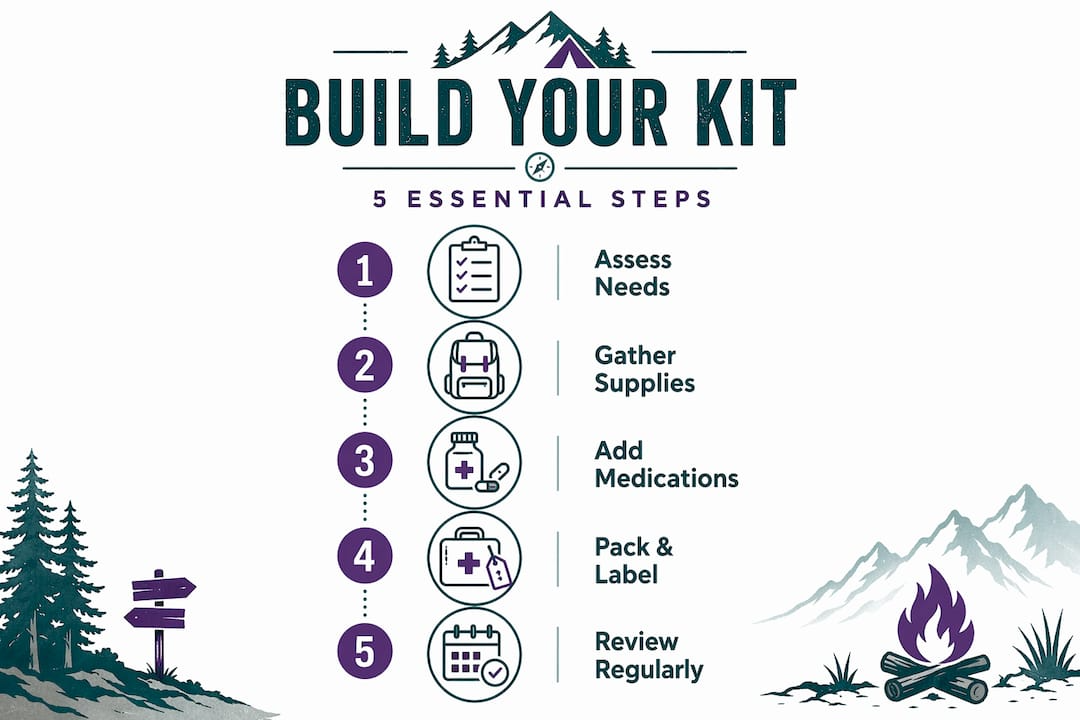
Building a kit sounds simple until you actually start. Here is a practical approach that works for real families with real budgets and busy schedules.
- Start with a checklist and buy incrementally. You do not need to buy everything at once. Prioritize water and first aid first, then add food and communication tools over the following weeks.
- Store kits in accessible, known locations. Every adult in your household should know exactly where each kit is stored. A kit no one can find in the dark is not useful.
- Rotate perishable supplies every six months. Set a calendar reminder twice a year to swap out expired food, replace water, and check battery levels.
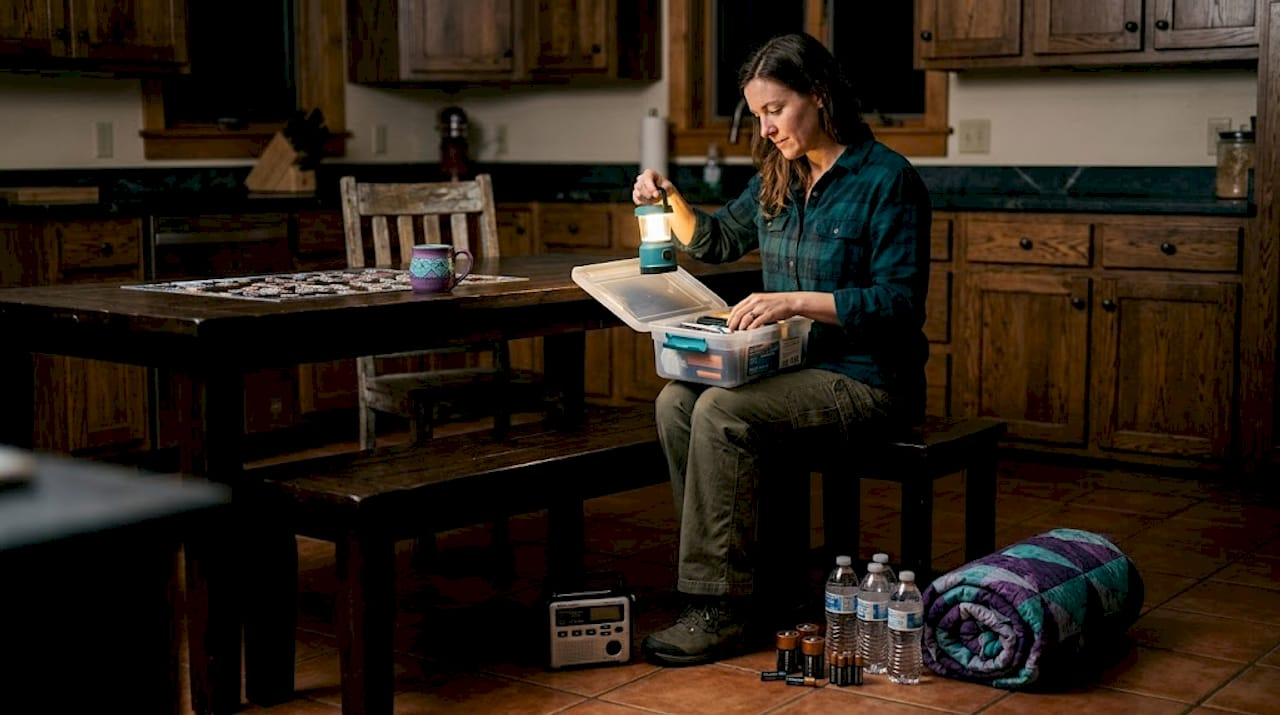
- Test your equipment. Turn on your flashlight. Charge your radio. Verify your first aid kit is fully stocked. Gear that fails during an emergency offers zero protection.
- Practice your emergency plan using the kit. Practicing emergency plans with your actual supplies builds the familiarity and confidence that makes a real emergency less overwhelming.
- Add a portable phone charger and a weather radio. These two items dramatically improve your ability to get information and communicate during extended outages.
Pro Tip: Tape a laminated one-page emergency contact list and household meeting point instructions to the inside lid of your home kit. In a high-stress moment, having that information immediately visible removes one more decision from an already overloaded brain.
Knowing how to use an emergency kit is just as important as having one. Walk your family through where things are, what each item does, and when to use the go-bag versus shelter-in-place supplies. For families who spend time in the outdoors, reviewing first aid kit use in wilderness contexts is an additional layer of readiness worth building.
Common myths that undermine real preparedness
Even people who mean well make predictable mistakes with their emergency kits. Knowing what not to do is half the battle.
- "Emergencies won't happen to me." This is the most dangerous assumption in preparedness. Floods, wildfires, and power outages are not rare. They affect ordinary neighborhoods every single year.
- Relying on a generic kit without personalization. A kit designed for a single adult with no medical needs is useless for a family with an infant, a diabetic, and a dog.
- Ignoring expiration dates. Expired food and water purification tablets can render a kit dangerously unreliable at the worst possible moment.
- Underestimating hydration and medications. Hydration and medications are among the most critically overlooked elements in poorly assembled kits. Without water, survival is measured in hours, not days.
- Having only one kit. Your home kit does not help you if you are stranded in your car. Build kits for multiple locations.
- Skipping the plan. A kit without a practiced plan is a collection of supplies, not a preparedness strategy. The gear and the plan must work together.
My honest take on why this matters more than most people admit
I've talked to a lot of people who treat emergency preparedness like a chore they'll get to eventually. I get it. When nothing bad is happening, stocking a kit feels abstract and maybe a little dramatic. But I've also seen what happens when something does go wrong and there is nothing in the house to work with.
What changed my perspective was not a catastrophic disaster. It was a three-day winter storm that knocked out power in a suburban neighborhood. The families who had even a basic kit, flashlights, a few days of food, a charged radio, were calm. They were actually fine. The families without one spent those three days scrambling, stressing, and relying on neighbors who were also underprepared.
The peace of mind that comes from knowing you are covered is worth far more than the cost or effort of assembling a kit. I've learned that preparedness is not a dramatic survival mindset. It's just a practical choice that most people keep putting off until they no longer have the option. Customization is where most people fall short, too. A generic kit from a store shelf is a starting point, not a solution. Your household's actual needs, your location, your medical requirements, your outdoor habits, all of that shapes what a genuinely useful kit looks like.
If there is one thing I'd want you to take away, it's this: the best time to build your kit was before you needed it. The second best time is now.
— Billy
Get trail-ready and home-ready with Lifecampadventure
Whether you're heading into the backcountry or preparing your household for the next power outage, Lifecampadventure has the gear to back you up. Our survival and emergency gear is selected for real-world use, not just shelf appeal. From fully stocked survival kits and essentials to individual tools built for durability in the field, every product is designed to perform when conditions are at their worst. If you want expert guidance on what to buy and how to build a kit that fits your specific situation, explore our camping gear comparison guide for tested recommendations across categories. Preparedness starts with one decision. Make it the right one.
FAQ
Why are emergency kits important for families?
Emergency kits give families immediate access to food, water, and first aid supplies when responders are delayed. They reduce panic and support better decision-making during high-stress situations.
What should every emergency kit include?
Every kit should have at least 72 hours of water (one gallon per person per day), non-perishable food, a first aid kit, flashlights, a weather radio, and important documents stored in a waterproof container.
How often should you update your emergency kit?
Review and rotate your kit at least twice a year. Replace expired food, refresh stored water, and test all battery-powered equipment to make sure everything functions properly.
Do you need different kits for home and outdoor activities?
Yes. A home kit focuses on shelter-in-place supplies, while an outdoor or go-bag kit is lighter and built for mobility. If you hike or camp regularly, your outdoor kit should also include wilderness-specific first aid tools.
How long should emergency supplies last?
FEMA recommends a minimum of 72 hours of supplies. In high-risk areas like wildfire zones or rural regions with slow emergency response, extending that to two weeks is strongly advised.
