Why Choose Ultralight Tents for Outdoor Adventures
Over 60 percent of American backpackers are choosing lighter gear for greater comfort on the trail. For anyone passionate about exploring wild places, the right shelter can make or break the journey. Ultralight tents have transformed the way outdoor enthusiasts approach camping, delivering freedom of movement without losing vital protection. If you want to understand how these innovative shelters support longer hikes and faster travel, this guide highlights what sets ultralight tents apart and why they matter for every modern adventurer.
Key Takeaways
| Point | Details |
|---|---|
| Ultralight Tents Revolutionize Camping | Weighing between 1-3 pounds, ultralight tents are designed for mobility and efficiency, making them ideal for backpackers and hikers. |
| Advanced Materials Enhance Performance | High-strength fabrics like silnylon and cuben fiber offer exceptional durability while minimizing weight, enabling superior outdoor protection. |
| Key Features to Consider | When selecting an ultralight tent, focus on weight distribution, weatherproofing, and ventilation systems to ensure optimal performance. |
| Evaluate Alternatives | Consider the downsides of ultralight tents, such as limited interior space and durability, and explore options like traditional tents or tarp shelters based on specific trip needs. |
Defining Ultralight Tents and Core Benefits
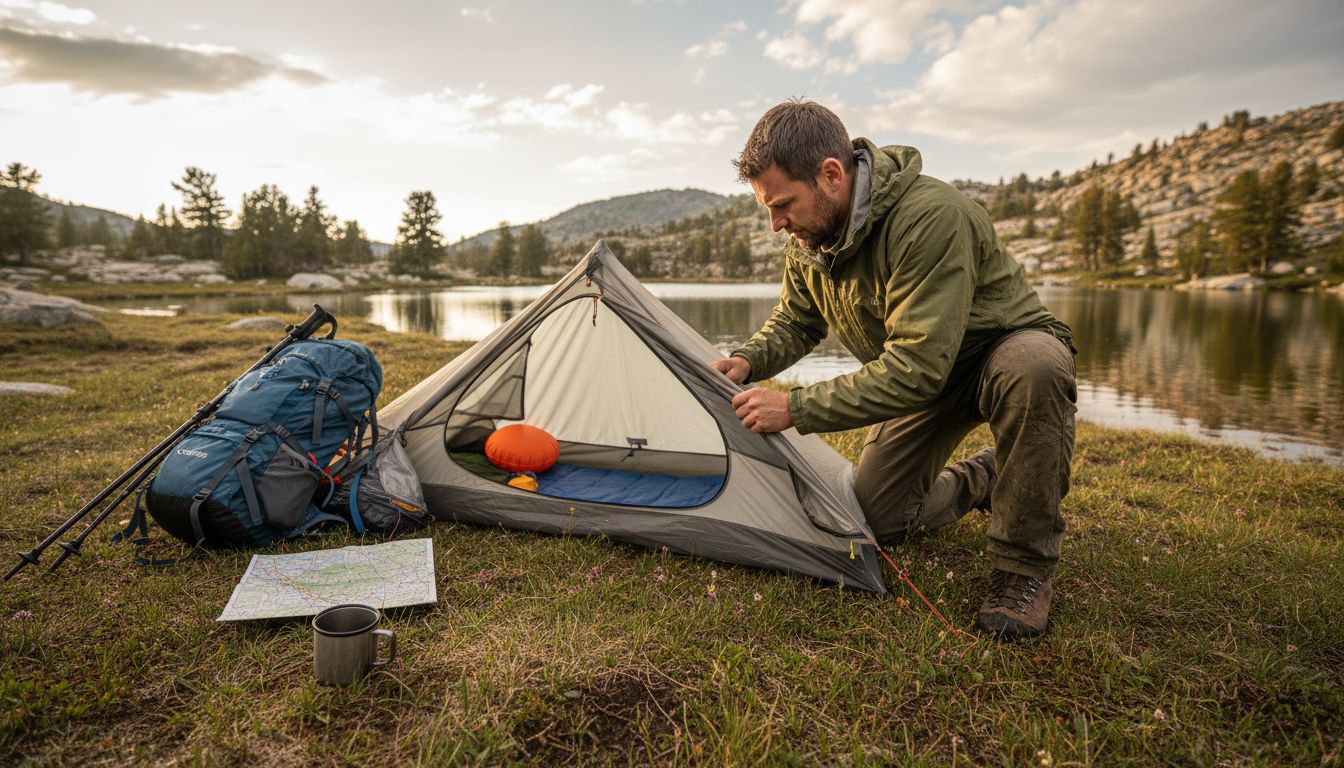
Ultralight tents represent a revolutionary approach to outdoor shelter design, focusing on minimalist construction and dramatically reduced weight without compromising essential performance features. These specialized camping shelters typically weigh between 1-3 pounds, making them game changers for backpackers, hikers, and wilderness adventurers who prioritize mobility and efficiency.
The core benefits of ultralight tents stem from their strategic engineering and material selection. Manufacturers achieve remarkable weight reduction through advanced fabric technologies like silnylon and cuben fiber, which provide exceptional strength-to-weight ratios. Exploring different camping shelter options reveals how ultralight designs have transformed traditional outdoor equipment paradigms. These innovative shelters often feature minimalist architectures that eliminate unnecessary bulk while maintaining critical protective attributes such as wind resistance, water repellency, and structural integrity.
Key characteristics that define ultralight tents include:
- Total weight under 3 pounds
- Compact packability
- Rapid setup mechanisms
- Durable synthetic or specialized lightweight materials
- Adaptable configurations for varied terrain
For outdoor enthusiasts seeking maximum performance with minimal equipment weight, ultralight tents represent an intelligent investment. They enable more agile exploration, reduce physical strain during long treks, and provide reliable protection against environmental challenges. Whether navigating mountain trails, desert landscapes, or forest pathways, these modern shelters empower adventurers to move faster, travel lighter, and experience wilderness with unprecedented freedom.
Comparing Tent Types and Weight Classes
Understanding the diverse landscape of tent types and weight classifications is crucial for selecting the right shelter for your outdoor adventures. The ultimate guide to outdoor tent selection reveals critical distinctions between tent categories that significantly impact performance and user experience.
Tent weight classes can be broadly categorized into three primary segments:
- Ultralight Tents: 1-2 kg (2.2-4.4 lbs)
- Lightweight Tents: 2-3 kg (4.4-6.6 lbs)
- Standard Camping Tents: 3-5 kg (6.6-11 lbs)
Each weight class offers unique advantages tailored to specific outdoor scenarios. Ultralight tents excel in backpacking and fastpacking environments where minimizing pack weight is paramount. These designs prioritize compact size and minimal material usage, making them ideal for solo trekkers and long-distance hikers who must balance protection with portability. Single person backpacking tents represent the pinnacle of this weight-conscious approach, providing essential shelter without unnecessary bulk.
The choice between tent types depends on multiple factors including intended terrain, trip duration, group size, and personal preferences. Car camping tents offer spacious interiors and enhanced comfort, trading weight for roominess, while expedition tents provide robust protection in extreme environmental conditions. Ultimately, understanding these nuanced differences allows outdoor enthusiasts to make informed decisions that align perfectly with their specific adventure requirements.
Essential Features for Campers and Hikers
Selecting the right ultralight tent requires a comprehensive understanding of critical features that distinguish top-performing outdoor shelters. High-quality tent characteristics highlight the importance of strategic design elements that balance weight, durability, and protection for adventurers.
Key essential features for campers and hikers include:
- Weight Distribution: Ultralight tents typically range between 1-3 pounds
- Material Strength: High-tensile synthetic fabrics with superior tear resistance
- Weatherproofing: Robust water-repellent coatings and wind-resistant constructions
- Ventilation Systems: Breathable mesh panels and strategic air circulation design
- Compact Packability: Ability to compress into minimal storage volumes
The most sophisticated ultralight tents incorporate advanced engineering principles that optimize space, minimize weight, and provide reliable shelter across diverse environmental conditions. From alpine environments to desert landscapes, these innovative shelters represent the pinnacle of portable protection for modern adventurers who refuse to compromise between comfort and mobility.
Durability, Comfort, and Practical Use Cases
Durability stands as a critical consideration for outdoor enthusiasts evaluating ultralight tent options. Ultralight tent performance enhancements demonstrate that reduced weight does not necessarily compromise structural integrity when modern engineering techniques are applied intelligently.
Practical use cases for ultralight tents span multiple outdoor scenarios:
- Long-Distance Backpacking: Minimizing pack weight for extended wilderness journeys
- Mountain Expeditions: Providing reliable shelter in challenging alpine environments
- Backcountry Hiking: Enabling rapid campsite deployment with minimal effort
- Thru-Hiking: Supporting multi-day treks with compact, lightweight shelter solutions
- Ultralight Bikepacking: Integrating seamlessly with minimalist travel strategies
Comfort in ultralight tents emerges through strategic design rather than excessive material. Advanced fabric technologies and intelligent geometric configurations create living spaces that balance weight reduction with livable interior dimensions. Sophisticated ultralight tent manufacturers prioritize breathability, interior headroom, and weather resistance while maintaining an impressively low overall weight profile.
Ultimately, selecting an ultralight tent represents a nuanced decision balancing personal preferences, intended use cases, and performance requirements. Outdoor adventurers must carefully evaluate their specific needs, understanding that the lightest tent is not always the most appropriate solution for every environment or travel style.
Alternatives to Ultralight Tents and Downsides
While ultralight tents represent an innovative approach to outdoor shelter, adventurers must carefully consider potential limitations and explore alternative solutions. Comprehensive tent selection strategies reveal a diverse landscape of shelter options that cater to different outdoor requirements.
Alternative shelter options include:
- Traditional Double-Wall Tents: Provide maximum durability and interior space
- Bivy Sacks: Extreme minimalist protection for solo travelers
- Tarp Shelters: Versatile, lightweight solutions with minimal weather protection
- Hammock Systems: Ideal for areas with uneven terrain
- Bug Shelters: Specialized protection against insects in tropical environments
Downsides of ultralight tents are significant and merit careful consideration. These lightweight shelters often compromise on critical aspects such as interior space, durability, and weather resistance. Thin fabric materials can be more susceptible to punctures, and minimal structural designs may struggle in extreme wind or heavy precipitation conditions. Adventurers must balance the weight savings against potential vulnerability in challenging environmental scenarios.
Ultimately, the choice between an ultralight tent and alternative shelter systems depends on individual preferences, specific trip requirements, and personal risk tolerance. Experienced outdoor enthusiasts understand that no single shelter solution works perfectly for every scenario, requiring thoughtful selection based on terrain, weather conditions, and personal comfort thresholds.
Discover the Freedom of Ultralight Tents with Life Camp Adventure
Choosing the right ultralight tent means addressing key challenges like minimizing pack weight without sacrificing durability or weather protection. If you want to explore trails with less strain and more confidence, it is crucial to rely on gear engineered for strength, compactness, and comfort. At Life Camp Adventure, we understand the desire to travel lighter while staying prepared for any environment. Our selection of innovative ultralight tents and camping equipment is built to help you conquer long-distance backpacking and mountain treks without compromise.
Take the next step toward effortless exploration by browsing our quality outdoor gear designed specifically for ultralight travelers. Visit Life Camp Adventure to find camping essentials that match the demands highlighted in "Why Choose Ultralight Tents for Outdoor Adventures". Equip yourself with reliable shelters and gear that keep you moving fast and protected. Start your journey today and experience true freedom on every adventure.
Frequently Asked Questions
What are ultralight tents and what makes them different?
Ultralight tents are specialized outdoor shelters designed for minimal weight without sacrificing essential features. They typically weigh between 1-3 pounds and utilize advanced materials like silnylon and cuben fiber to offer high strength-to-weight ratios.
What are the main benefits of using ultralight tents for backpacking?
Ultralight tents enhance mobility and efficiency, reducing physical strain on long treks. Their lightweight design allows for agile exploration and easier carrying, making them ideal for backpackers and hikers prioritizing performance and portability.
What should I consider when choosing an ultralight tent?
When selecting an ultralight tent, consider factors such as total weight, material strength, weatherproofing capabilities, ventilation systems, and packability. Balancing these features according to your specific outdoor activities will ensure your chosen tent meets your adventure needs effectively.
What are the downsides of ultralight tents compared to traditional tents?
While ultralight tents offer significant weight savings, they may compromise on aspects like interior space, durability, and weather resistance. Thinner fabrics can be more prone to punctures, and their minimalist design may be less effective in extreme weather conditions.
Recommended
- 1-Person Backpacking Tent; Lightweight and PU 5000mm Waterproof for Camping Tra
- Why Choose Four Season Tents for Year-Round Camping
- Top 6 Backpacking Tents – Expert Comparison 2025
- 7 Essential Types of Camping Shelters Explained for Campers
- Complete Guide to Why Choose Lightweight Footwear – YDA UK
- Understanding Why Use Outdoor Fabrics for Your Projects - fabric fabric
