TL;DR:
- Modular gear is an adaptable outdoor equipment system built from interchangeable components that suit various conditions. It offers better flexibility than fixed gear by allowing quick reconfiguration for different activities and weather changes. Phased investment in modular systems reduces costs and waste while improving organization and setup efficiency.
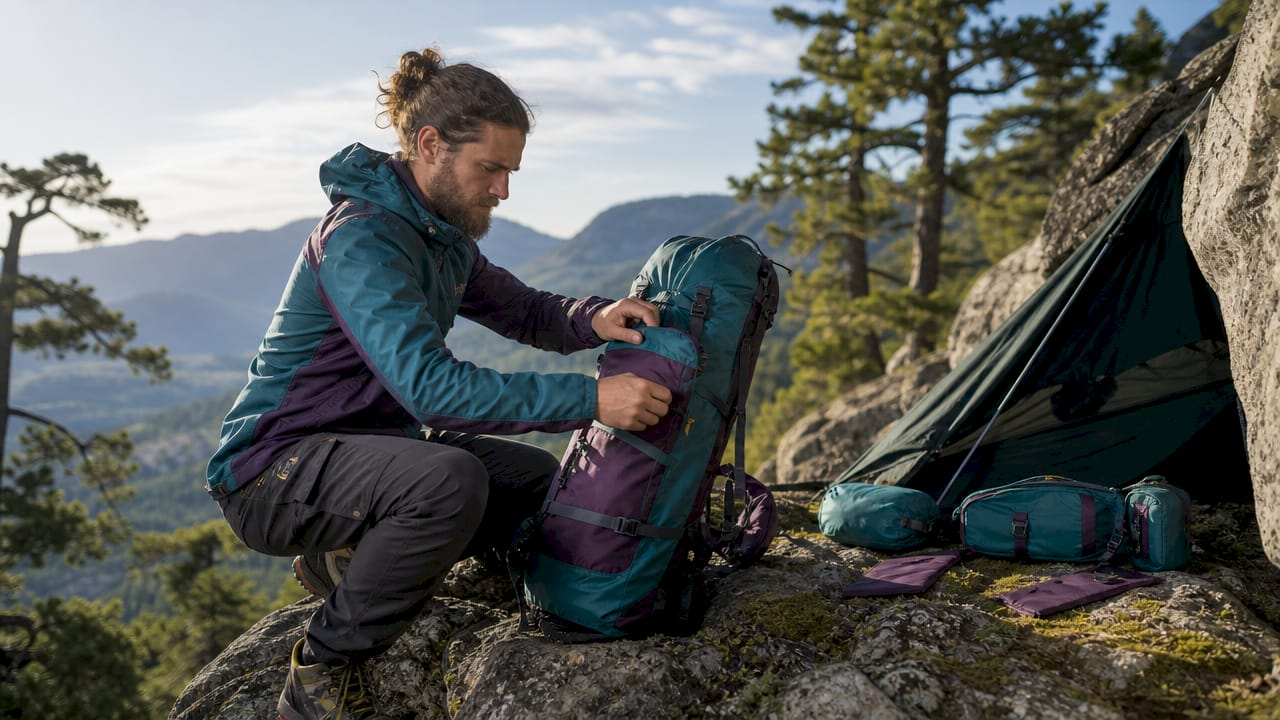
Modular gear is defined as a customizable outdoor equipment system built from interchangeable components that adapt to your specific trip, climate, and activity. That definition matters because it separates modular systems from traditional fixed gear, which locks you into one configuration regardless of conditions. Why choose modular gear? Because it gives you control over your setup without forcing you to buy entirely new kits every time your needs change. Modular backpacks, tents with swappable vestibules, and expandable power stations like those from Jackery all follow this same principle: build a base, then add what you need.
Why choose modular gear over traditional fixed setups?
Modular gear outperforms traditional fixed gear in one critical area: adaptability. Interchangeable parts and configurable components let you swap tent floors, add vestibules, or adjust shelter ventilation based on the weather you actually face. A fixed tent gives you one configuration. A modular tent gives you a system that works in a dry desert camp and a wet Pacific Northwest forest.
Traditional gear forces a compromise. You either overpack to cover every scenario or underpack and get caught short. Modular systems eliminate that trade-off by letting you carry exactly what the trip demands. A three-day summer hike needs a different configuration than a five-day fall hunt, and modular gear handles both without duplication.
Resilience to changing plans is a central reason outdoor enthusiasts switch to modular systems. Mid-trip weather shifts, unexpected terrain, or a change in group size no longer mean you are stuck with the wrong gear. You reconfigure on the fly instead of compromising your comfort or safety.- Swap tent floors and add vestibules for rain or snow
- Adjust pack volume by attaching or removing external pouches
- Reconfigure shelter ventilation for hot or cold climates
- Add or remove power modules based on trip length
- Combine modular components across hiking, camping, and hunting setups
Pro Tip: Start your modular system with one high-quality base piece, such as a modular backpack or a configurable shelter. Master that piece before adding components. Buying everything at once defeats the purpose of phased investment.
What are the cost and sustainability benefits of phased investment?
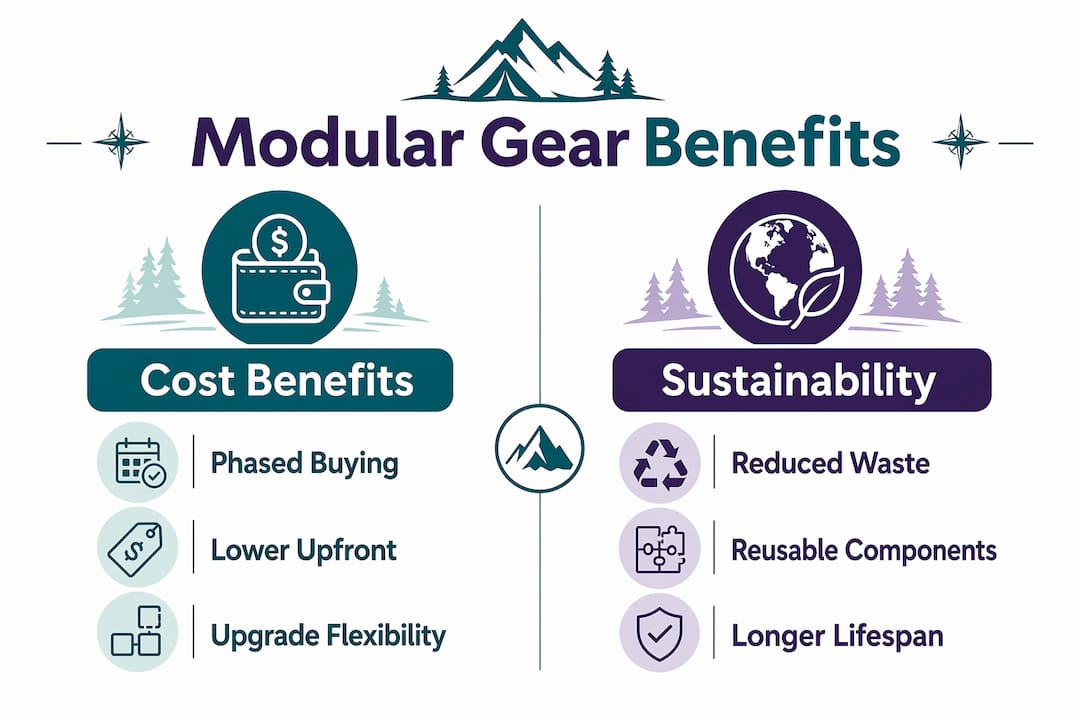
Phased investment is the financial backbone of the modular gear argument. You buy a base system first, then add components as your needs grow and your budget allows. That approach avoids the large upfront cost of a fully equipped traditional kit and reduces the waste that comes from replacing entire gear sets when one component wears out.
The Jackery model of expandable battery packs illustrates this clearly. A modular power station starts as a compact unit for weekend trips. Over time, you add battery modules for longer expeditions. A fixed power unit forces you to buy a larger, more expensive unit upfront, even if you only need that capacity once a year.
Phased investment yields the most value when your outdoor trips and gear needs evolve over time. If your trips never change, the modular advantage shrinks. But most outdoor enthusiasts do not stay static. They add new activities, push into new terrain, and upgrade skills, and modular gear grows with them.
The sustainability case is equally strong. Replacing one worn module instead of an entire kit produces less waste. Repairable, modular components also last longer than fixed units, which often become landfill when a single part fails.
Here is how phased investment compares to traditional gear replacement:
- Year one: Buy a modular base system at moderate cost. Use it as-is for initial trips.
- Year two: Add one or two components that match new trip requirements. No full replacement needed.
- Year three: Repair or swap a worn module. The base system remains intact and functional.
- Year four and beyond: Expand capacity with new modules as your adventures grow. Traditional gear would require a full new purchase at this stage.
How does modular gear improve organization and reduce setup time?
Modular interior systems save time at camp by creating dedicated, repeatable spaces for every piece of gear. Quick reconfiguration without repacking means you spend less time digging through a disorganized pack and more time on the activity itself. That benefit applies equally to photographers, hunters, and weekend campers.
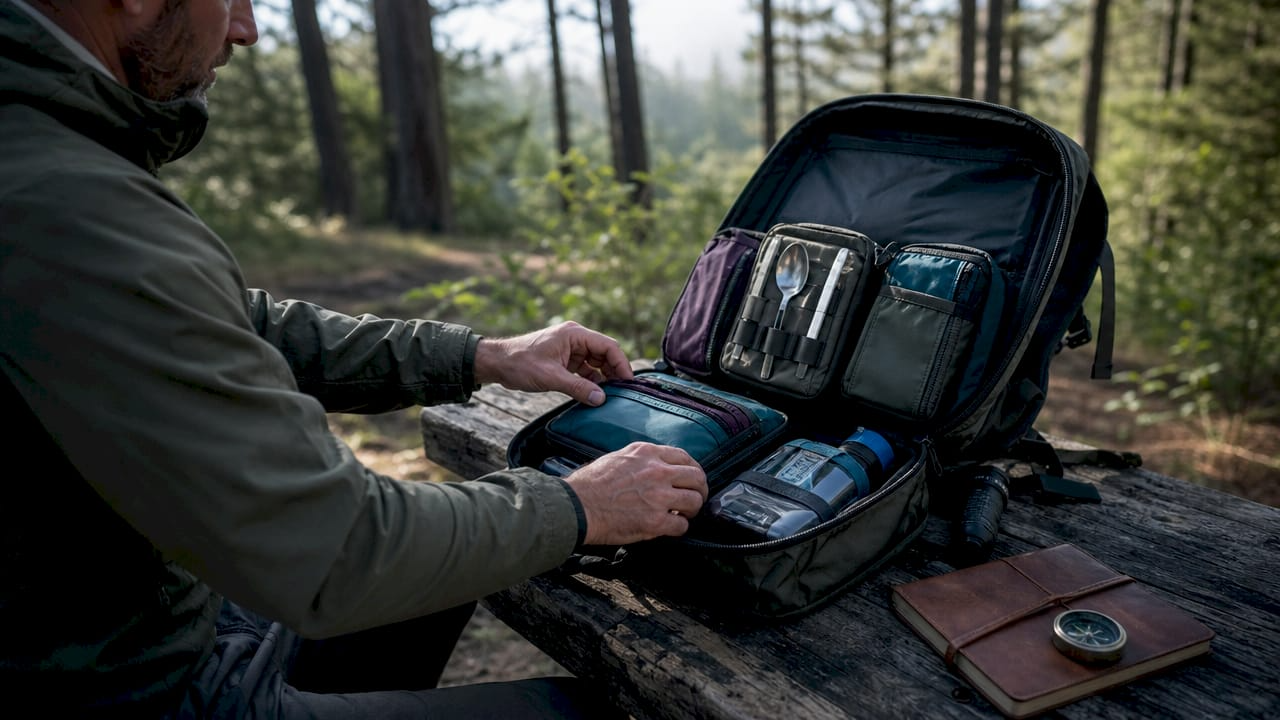
Pro Tip: Label your modular compartments or use color-coded pouches for different categories: navigation, first aid, food, and electronics. The visual system cuts setup time and prevents forgotten items.
The comparison below shows how modular organization stacks up against a traditional single-compartment pack:
| Feature | Modular system | Traditional pack |
|---|---|---|
| Setup time | Fast, repeatable layout | Variable, depends on packing order |
| Item protection | Dedicated foam or divider per item | Items shift and contact each other |
| Reconfiguration | Swap modules without full repack | Full repack required |
| Error prevention | Fixed spaces reduce forgotten items | Easy to miss small items |
| Decision fatigue | Low, stable base configuration | High, repacking decisions every trip |
Repeatable compartments also prevent loss of critical small items like fire starters, compass, or extra batteries. Every experienced outdoor enthusiast has lost a small item in a chaotic pack. Modular organization removes that problem by design.
How does modular gear adapt to different outdoor activities?
Modular gear systems cover a wider range of activities than any single fixed kit. The same base backpack that works for a solo day hike can be reconfigured for a group camping trip or a multi-day hunting expedition. That range is the core advantage of modular carry systems for adventurers who do not limit themselves to one type of outing.
Activity-specific configurations make the difference in practice. A photographer adds a padded modular case insert to protect lenses. A hunter attaches external pouches for calls, scent control, and field dressing tools. A family camper expands the shelter system with additional vestibule panels for gear storage. Each user builds the same base into something purpose-specific.
Modular gear also scales between solo and group trips without requiring separate kits. You add capacity for a group by attaching external modules. You strip back to a minimal solo configuration for fast-and-light travel. That flexibility makes modular systems a long-term investment rather than a single-purpose purchase. For a deeper look at how this applies to backpacking specifically, the modular backpacking guide from Lifecampadventure covers the full system in detail.
- Hiking: Lightweight base pack with removable hydration sleeve and summit pouch
- Camping: Modular tent with add-on vestibule and configurable floor panels
- Hunting: External attachment pouches for calls, tools, and field gear
- Photography: Padded modular inserts with foam dividers for lenses and bodies
- Group trips: Expanded shelter panels and additional storage modules
Key takeaways
Modular gear is the most cost-effective and adaptable outdoor equipment system for adventurers whose trips, activities, and gear needs evolve over time.
| Point | Details |
|---|---|
| Adaptability over fixed gear | Interchangeable components handle climate shifts and trip changes without a full gear replacement. |
| Phased investment saves money | Start with a base system and add modules over time to avoid large upfront costs and reduce waste. |
| Organization reduces errors | Dedicated compartments create repeatable layouts that prevent lost items and cut setup time. |
| Versatility across activities | One modular base system reconfigures for hiking, camping, hunting, and photography. |
| Decision fatigue drops | A stable base configuration removes repacking guesswork and conserves mental energy on long trips. |
My honest take on modular gear after years on the trail
Modular gear changed how I think about packing, but not in the way most gear reviews describe. The biggest benefit was not the flexibility itself. It was the consistency. Once I built a modular system I trusted, I stopped second-guessing my kit before every trip. That mental shift saved more energy than any piece of lightweight gear I have ever bought.
The caveat most articles skip: modular gear is not worth it if your trips never change. If you do the same three-day loop every summer with the same group, a well-fitted fixed kit is simpler and cheaper. Modularity earns its value when your outdoor life is genuinely varied, when you move between hiking, camping, and hunting across different seasons and climates.
My advice is to audit your last five trips before investing. If the conditions, group size, and activity type varied significantly, modular gear will pay for itself. If they were nearly identical, a quality fixed kit serves you better. The gear should match your actual life, not the adventure life you imagine having. Check out why packing light matters before you commit to any system, modular or otherwise.
— Billy
Gear built for the way you actually adventure
Lifecampadventure curates outdoor gear with one standard: it has to work across real conditions, not just ideal ones. Modular tents, configurable packing systems, and adventure-ready essentials are all part of the catalog, selected for adventurers who need gear that keeps up with changing plans.
Whether you are comparing shelter options or building your first modular kit, the camping tents comparison at Lifecampadventure gives you a clear side-by-side view of what works for different trip types. For a broader look at what belongs in your pack, the best camping gear guide covers expert-tested picks across every category. Build your system with gear that was chosen to last.
FAQ
What is modular gear?
Modular gear is an outdoor equipment system built from interchangeable components that can be added, removed, or swapped to match specific trip conditions. Examples include modular backpacks, configurable tents, and expandable power stations.
Is modular gear worth it for occasional campers?
Modular gear delivers the most value when your trips vary in activity type, climate, or group size. For occasional campers with identical, predictable trips, a quality fixed kit is often simpler and more cost-effective.
How does modular gear reduce setup time?
Dedicated compartments and repeatable layouts mean you reach for gear without searching or repacking. That consistency cuts setup time and prevents small items from being left behind.
Can one modular system cover hiking, camping, and hunting?
Yes. A modular base pack reconfigures with activity-specific pouches, inserts, and attachments for hiking, camping, hunting, and photography without requiring separate kits for each activity.
What is the main difference between modular gear and traditional gear?
Traditional gear is fixed in configuration and must be fully replaced when needs change. Modular gear uses swappable components, so you upgrade or adapt individual parts rather than the entire system.
