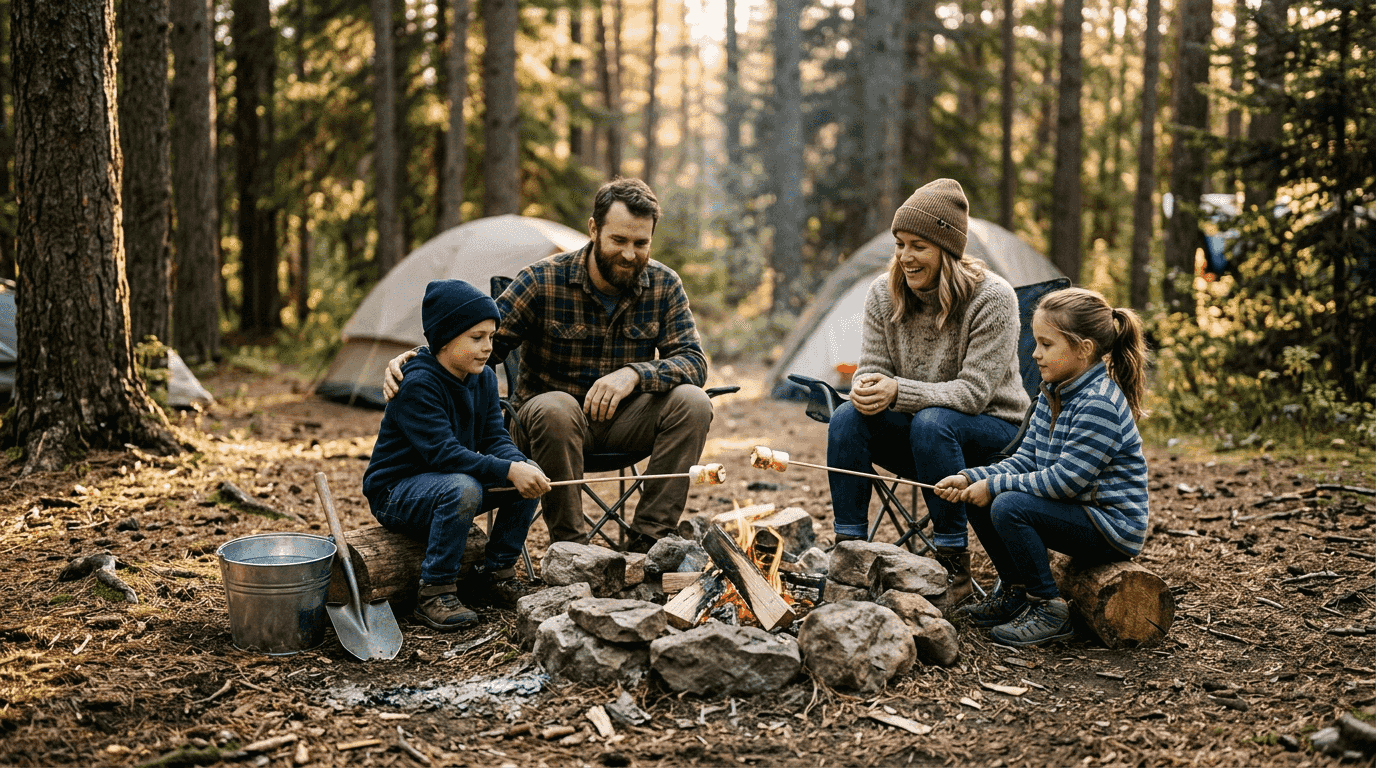
You might assume wildfires are natural disasters beyond human control, but nearly 90% are caused by people and often linked to improper campfire use. Understanding campfire safety isn't just about following rules. It's about protecting ecosystems, preventing devastating wildfires, and ensuring everyone enjoys the outdoors safely. This guide explains why responsible campfire practices matter and how you can make a difference on your next camping trip.
Key takeaways
| Point | Details |
|---|---|
| Human activity causes most wildfires | Nearly 90% of wildfires in the U.S. are preventable and stem from human actions involving campfires. |
| Environmental impact is significant | Campfires emit millions of tons of CO2 annually and damage soil and habitats around high-use sites. |
| Safety guidelines reduce risks | Following proper campfire protocols and checking local restrictions dramatically lowers fire danger. |
| Proper extinguishing prevents accidents | Completely dousing fires with water until cool to touch stops accidental wildfire starts. |
| Alternatives exist during high fire danger | Propane camp stoves and no-fire activities provide safe options when open flames are restricted. |
How campfires contribute to wildfires and environmental damage
Campfires create more problems than most campers realize. Recreation campfires alone emit 7 million tons of CO2 annually, contributing to climate change and air quality issues. When you multiply that impact across millions of camping trips each year, the environmental footprint becomes substantial.
The wildfire connection is even more alarming. Nine out of ten wildfires are human-caused and could have been prevented with proper fire management. A single ember from an improperly extinguished campfire can smolder for hours before igniting dry vegetation. Wind spreads these embers rapidly, turning a small oversight into thousands of acres of burned forest.
Environmental damage extends beyond carbon emissions and fire risk. High-use campsites experience significant soil compaction and erosion around fire rings. The intense heat from campfires sterilizes soil, killing beneficial microorganisms essential for plant growth. Trampling around popular fire sites destroys ground vegetation, leaving bare patches vulnerable to erosion during rain.
Habitat destruction follows inevitably. Birds, small mammals, and insects lose shelter when vegetation disappears. The cumulative effect of thousands of campfires across public lands degrades ecosystems that took decades to develop. Water quality suffers too as eroded soil washes into nearby streams and lakes.
Pro Tip: Choose established fire rings whenever possible to concentrate impact in already-disturbed areas rather than creating new damage.
Understanding these consequences helps explain why land managers implement fire restrictions. It's not about limiting your enjoyment. It's about preserving outdoor spaces for future generations. Following campfire safety tips and staying informed about wildfire causes and prevention protects both you and the environment.
- Campfires release substantial greenhouse gases that accelerate climate change
- Unattended fires spread quickly when wind carries embers to dry fuel
- Heat and trampling damage soil health and vegetation around fire sites
- Wildlife habitat disappears as vegetation is destroyed and soil erodes
- Water quality declines when sediment from eroded areas enters waterways
Common campfire hazards and real-world safety risks
Some campfire accidents seem almost unbelievable until they happen to you. Using gasoline or other accelerants to start fires causes explosions and severe burns every camping season. The vapors ignite before the liquid, creating a flashback that can engulf anyone nearby in flames.
Unattended campfires rank among the most preventable yet common causes of wildfires. Park regulations explicitly state that campfires should never be left unattended because wind can quickly spread embers beyond the fire ring. Even a brief trip to the car or tent can provide enough time for conditions to change dangerously.
Environmental conditions dramatically affect fire behavior. Drought-stressed vegetation ignites easily and burns intensely. Wind speeds above 15 mph make fire control nearly impossible as embers travel hundreds of feet. Low humidity dries out fuels faster, creating ideal wildfire conditions.
"A campfire left smoldering overnight can reignite hours later when afternoon winds pick up, sending sparks into surrounding brush."
Fire season timing varies by region but generally peaks during summer months when vegetation is driest. Mountain West states often see restrictions from June through September. Coastal areas may have different patterns based on local climate and fuel moisture levels.
Site selection matters enormously for safety. Placing fires too close to overhanging branches, dry grass, or tent fabric invites disaster. Rocky or sandy areas with minimal vegetation provide safer bases than forest duff or tall grass. Clearance of at least 10 feet in all directions reduces ignition risk.
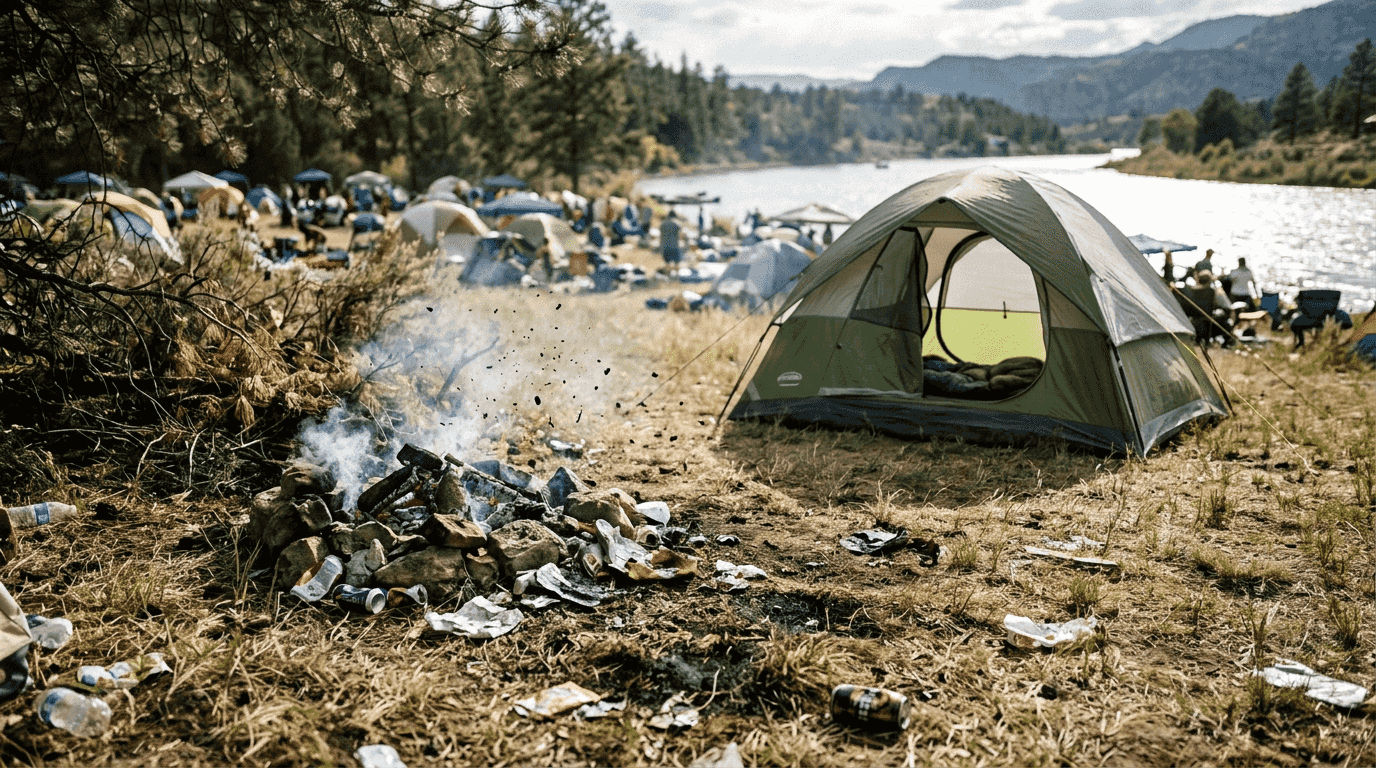
Pro Tip: Keep a filled water bucket and shovel within arm's reach of any campfire so you can respond instantly if flames spread.
Supervision requirements aren't suggestions. Someone must watch the fire constantly, especially when children are present. Burns from touching hot rocks or stumbling into fire pits send people to emergency rooms regularly. Following family campfire safety tips prevents these injuries.
- Never use gasoline, lighter fluid, or other volatile liquids to start or revive fires
- Assign one responsible adult to monitor the fire at all times
- Check weather forecasts for wind speed and fire danger ratings before lighting fires
- Select sites with adequate clearance from vegetation and structures
- Keep fire suppression tools immediately accessible throughout the burn
Best practices for safe and responsible campfires
Starting with regulations saves you from fines and prevents wildfires. Fire restrictions change frequently based on weather and fuel conditions, so checking the day before your trip isn't enough. Call ranger stations or check official websites the morning you plan to have a fire.
Established fire rings exist for good reasons. They concentrate environmental impact in areas already disturbed and provide stone or metal barriers that contain flames. Creating new fire rings damages pristine areas unnecessarily and fragments habitats. If no designated ring exists, that's often a signal fires aren't appropriate for that location.
Size matters more than most campers think. A fire only needs to be large enough for cooking or modest warmth. Building bonfires wastes wood, creates excessive heat that damages soil, and produces more embers that can escape. Keep flames below knee height for better control.
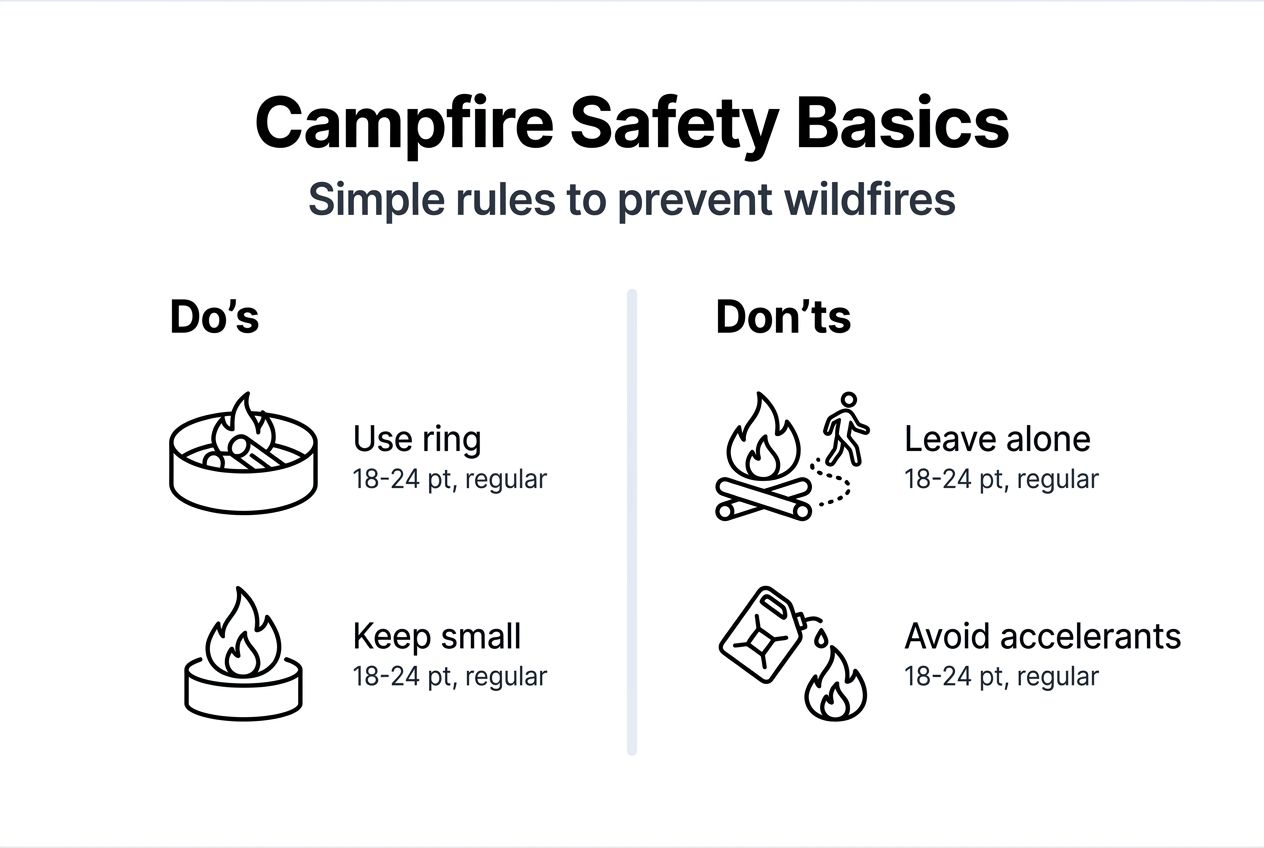
Accelerants have no place in camping. They cause injuries and make fires unpredictable. Dry kindling, newspaper, and patience work perfectly well without chemical assistance. If you can't start a fire with natural materials, conditions are probably too wet for safe burning anyway.
Extinguishing fires completely is non-negotiable. Pour water over all embers, stir the ashes, and add more water until everything is cool to touch. This takes longer than most people expect. Hot coals can reignite hours after they look dead, especially when buried under ash.
Pro Tip: Gather all fire-starting materials and tools before striking the first match so you maintain full control from ignition through extinguishing.
Alternatives deserve serious consideration during high fire danger. Propane camp stoves provide controlled heat for cooking without wildfire risk. They're also more convenient and efficient than wood fires. Many experienced campers prefer them year-round for these benefits.
Leave No Trace principles apply directly to campfire practices. Minimizing environmental impact means using existing fire rings, burning only small amounts of wood, and scattering cool ashes over a wide area rather than leaving piles. These small actions preserve outdoor spaces for everyone.
- Verify current fire regulations with local land managers before your trip
- Use only established fire rings or designated camping areas with fire facilities
- Keep campfires small enough to control easily and extinguish quickly
- Never introduce accelerants that create unpredictable flame behavior
- Drown fires with water and stir ashes until completely cool before leaving
- Switch to propane camp stoves when fire danger ratings are high
- Practice Leave No Trace by using minimal wood and dispersing cool ashes
- Prepare all necessary safety equipment before lighting any fire
Alternative options to campfires during high fire risk periods
Fire restrictions aren't arbitrary inconveniences. During drought conditions and high winds, open campfires are prohibited because the wildfire risk is simply too great. Understanding these restrictions helps you plan trips that remain enjoyable without compromising safety.
Propane camp stoves solve most cooking needs without flame exposure to vegetation. They ignite instantly, provide adjustable heat, and extinguish completely with a valve turn. Many land management agencies allow propane stoves even during fire bans because the flame is contained and controllable.
No-fire camping might sound disappointing initially, but it opens creative possibilities. Storytelling around headlamps creates intimacy that crackling fires sometimes overwhelm. Stargazing improves without fire light pollution. Card games and conversation flow naturally without smoke blowing in anyone's face.
Local restrictions follow predictable patterns. Stage 1 restrictions in Tahoe National Forest permit fires only in established rings, while Stage 2 bans all wood fires entirely. Understanding these stages helps you plan appropriate activities and equipment.
Planning ahead ensures compliance and safety. Research fire conditions weeks before your trip. Pack a camp stove as backup even if fires seem likely to be allowed. Bring alternative entertainment that doesn't require flames. This preparation prevents disappointment and keeps you legal.
| Feature | Traditional Campfire | Propane Camp Stove |
|---|---|---|
| Wildfire Risk | High if improperly managed | Minimal with proper use |
| CO2 Emissions | Significant carbon release | Lower overall emissions |
| Setup Time | 15-30 minutes | Under 5 minutes |
| Cooking Control | Difficult temperature regulation | Precise heat adjustment |
| Restrictions | Often prohibited during fire season | Usually permitted year-round |
| Cleanup Required | Extensive ash disposal | Minimal maintenance |
Pro Tip: Invest in quality camping equipment that works in all conditions so fire restrictions never limit your outdoor adventures.
Exploring camp stove advantages reveals benefits beyond fire safety. They're cleaner, faster, and more reliable than wood fires. Many campers who try stoves during fire bans continue using them by choice afterward. The convenience and reduced environmental impact make them appealing regardless of regulations.
- Fire restrictions typically run June through September in Western states
- Propane stoves provide safe, efficient cooking during fire bans
- No-fire activities like stargazing and games enhance camping experiences
- Stage 1 allows fires in rings only; Stage 2 prohibits all open flames
- Planning with alternatives ensures enjoyable trips regardless of restrictions
Explore top camping gear for your safe adventures
Now that you understand campfire safety fundamentals, equipping yourself properly makes every trip safer and more enjoyable. Quality gear supports responsible outdoor practices while enhancing comfort and confidence in varying conditions.
Whether you're upgrading your shelter or building a complete kit, selecting reliable equipment matters. Browse our camping tent comparisons to find options that match your adventures and group size. Explore the best camping gear for 2026 to discover innovations that improve safety and convenience. Learn more about choosing camping equipment that aligns with Leave No Trace principles and modern safety standards. Life Camp Adventure helps you prepare for memorable outdoor experiences with gear designed for durability and ease of use.
Frequently asked questions
What are the biggest dangers of campfires?
The primary dangers include uncontrolled wildfire spread, severe burns from flames or hot surfaces, and carbon monoxide poisoning in enclosed spaces. Using accelerants like gasoline causes explosions and flash burns that require hospitalization. Environmental damage from soil sterilization and vegetation destruction creates long-term ecosystem harm that takes years to recover.
How can I prevent wildfire when having a campfire?
Never leave fires unattended even briefly, as wind conditions change rapidly and spread embers beyond containment areas. Use only established fire rings in designated camping areas rather than creating new fire sites. Completely extinguish fires by drowning with water and stirring ashes until everything is cool to touch before leaving the site.
When are campfires prohibited in U.S. forests?
Fire seasons vary by region but typically run June through September in Mountain West states when vegetation is driest. Restrictions activate during drought conditions, high winds, or when Stage 1 and higher fire warnings are in effect. Always check with local ranger stations or official forest service websites before lighting any fire, as conditions change frequently based on weather patterns.
What are safer alternatives to campfires?
Portable propane camp stoves provide controlled flames for cooking with minimal wildfire risk and are usually permitted during fire bans. No-fire activities like storytelling, stargazing, card games, and acoustic music offer entertainment without flame dangers. Following local guidelines and preparing appropriate alternatives ensures you can enjoy camping safely regardless of fire restrictions.
