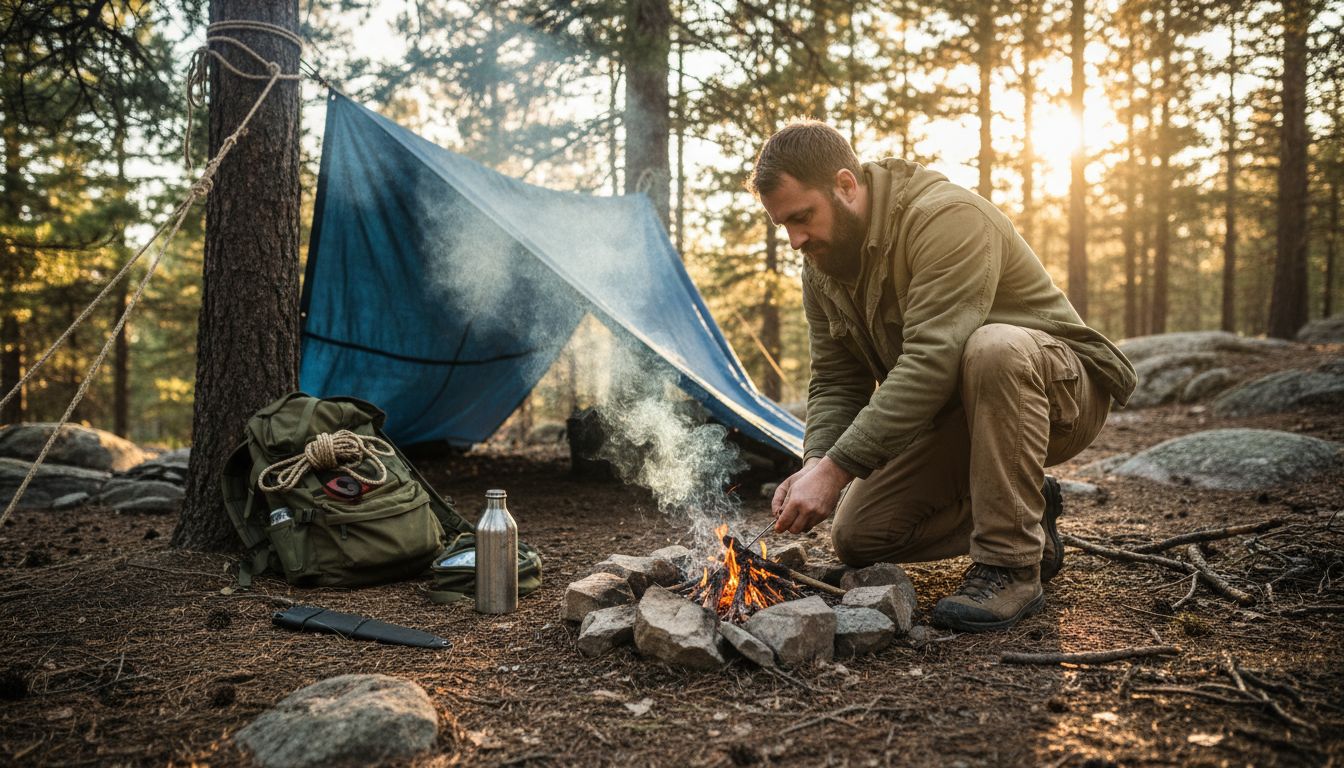
What Is Outdoor Survival and Why It Matters
Most American adventurers believe that outdoor survival is about brute strength or expensive gear, yet studies show that mental resilience and knowledge are the real keys to staying alive in the wilderness. The truth is, common myths can put even the most prepared explorer at risk. Whether you are planning a simple hike or an extended backcountry trip, understanding effective survival skills and separating fact from fiction can make all the difference when it matters most.
Key Takeaways
| Point | Details |
|---|---|
| Understanding Survival | Outdoor survival emphasizes skills and knowledge for safety in the wilderness, focusing on mental resilience over physical strength or expensive gear. |
| Core Skills | Mastering essential survival skills like shelter building, water sourcing, and fire starting is crucial for managing unpredictable environments. |
| Effective Gear Selection | Choosing compact, multi-functional survival gear enhances preparedness and adaptability in various scenarios. |
| Continuous Learning | Regular practice and education in survival techniques are vital for reducing risks and enhancing response to emergencies. |
Defining Outdoor Survival and Common Myths
Outdoor survival represents the critical skills and knowledge required to stay safe, healthy, and alive in challenging wilderness environments. At its core, survival means more than just avoiding immediate danger—it involves understanding fundamental techniques that enable individuals to navigate, shelter, find food and water, and manage potential risks when removed from standard urban infrastructure.
Contrary to popular misconception, outdoor survival is not about heroic, dramatic scenarios seen in movies, but rather a systematic approach to preparedness and smart decision making. Wilderness survival skills actually involve understanding environmental hazards, maintaining calm under pressure, and knowing practical techniques that can mean the difference between life and death.
Some common myths about outdoor survival include believing that expensive gear guarantees safety, or that survival is only about physical strength. In reality, mental resilience and knowledge are far more important than muscular capability or high-end equipment. Successful survivors understand key principles like maintaining body temperature, finding clean water sources, signaling for potential rescue, and making rational choices when confronted with unexpected challenges.
Effective outdoor survival preparation involves a holistic approach: learning basic first aid, understanding local terrain and potential wildlife risks, carrying essential compact emergency tools, and developing skills like fire starting, basic navigation, and emergency shelter construction. By demystifying survival and focusing on practical, learnable skills, anyone can develop the confidence and competence needed to handle unexpected outdoor scenarios safely and effectively.
Core Survival Skills for Wilderness Safety
Mastering core survival skills is fundamental to ensuring safety and resilience in unpredictable wilderness environments. Top outdoor survival tips emphasize that survival is not about heroic feats, but about systematic preparation, smart decision-making, and maintaining a calm, strategic approach when facing challenging conditions.
The most critical survival skills revolve around meeting basic human needs: shelter, water, warmth, and sustenance. Wilderness trekking experts recommend prioritizing shelter construction to protect against environmental threats, which can include creating insulated structures that maintain body heat and shield against wind, rain, and extreme temperatures. Understanding how to build a fire, locate clean water sources, and generate body heat can literally mean the difference between survival and potential life-threatening exposure.

Beyond physical skills, mental preparedness plays an equally crucial role in wilderness survival. Psychological resilience involves maintaining a positive attitude, managing stress, making rational decisions under pressure, and adapting quickly to changing circumstances. Successful survivors develop skills like basic navigation, emergency first aid, signaling techniques, and the ability to improvise solutions with limited resources. Essential tools like the 14 in 1 Outdoor Emergency Survival Gear Kit can provide critical support, but knowledge and mental fortitude remain the most important survival assets.
Practical survival preparation involves continuous learning and practice. Outdoor enthusiasts should invest time in developing skills such as knot tying, basic wilderness first aid, fire starting techniques, emergency shelter building, and understanding local terrain and potential environmental risks. By combining technical knowledge with mental discipline, individuals can transform potential wilderness emergencies from life-threatening situations into manageable challenges that can be navigated with confidence and skill.
Essential Survival Gear and Equipment Needs
Survival gear is the lifeline between wilderness challenges and personal safety, representing a critical investment for anyone venturing into unpredictable outdoor environments. Top outdoor survival resources emphasize selecting equipment that offers maximum utility, durability, and versatility across multiple potential scenarios.
Wilderness trekking experts consistently recommend carrying reliable fire-starting tools as a fundamental survival priority. Essential gear should include multiple ignition sources like waterproof matches, ferrocerium rods, and lightweight lighters, ensuring the ability to generate warmth and cook food even in challenging conditions. Beyond fire tools, critical equipment categories include water purification systems, emergency shelters, first aid kits, navigation tools like compasses and maps, and multi-purpose cutting implements.
Strategic survival gear selection requires balancing weight, functionality, and potential scenarios. The 8 Smart Budget Camping Essentials guide highlights the importance of choosing compact, lightweight equipment that serves multiple purposes. Recommended items typically include emergency blankets, paracord, water filtration straws, compact multi-tools, signaling devices like whistles, and high-energy, non-perishable food rations. Smart adventurers prioritize gear that is lightweight, durable, and capable of addressing multiple potential survival challenges.
Ultimately, survival gear is about more than just equipment—it represents preparedness, knowledge, and the ability to remain calm under pressure. While having the right tools is crucial, understanding how to use them effectively is equally important. Outdoor enthusiasts should invest time in practicing with their gear, understanding its limitations, and developing the skills necessary to maximize each tool's potential. By combining thoughtful equipment selection with practical skills training, individuals can transform potential wilderness emergencies from life-threatening situations into manageable challenges that can be navigated with confidence and strategic thinking.
Real-World Applications and Everyday Preparedness
Survival skills are not just theoretical concepts reserved for extreme wilderness scenarios, but practical knowledge that can prove critical in everyday unexpected situations. Wilderness travel resources emphasize that preparedness is about understanding potential hazards and developing adaptive strategies that can be applied across various challenging environments.
Top survival experts recommend developing a holistic approach to preparedness that extends beyond traditional outdoor contexts. Real-world applications of survival skills can be lifesaving during natural disasters, urban emergencies, power outages, or unexpected travel complications. Critical skills like maintaining a calm mental state, understanding basic first aid, improvising shelter, finding clean water sources, and generating heat become universally valuable when standard infrastructure fails. These capabilities transform from specialized wilderness techniques into essential life skills that can protect individuals and families during unpredictable circumstances.
Everyday preparedness involves creating strategic backup plans and maintaining basic emergency resources. This means developing a home emergency kit, learning fundamental first aid techniques, understanding local emergency protocols, and maintaining basic communication and navigation tools. Practical steps include keeping non-perishable food supplies, maintaining a portable water filtration system, having backup power sources like solar chargers, and developing basic skills in navigation, communication, and emergency signaling. The 8 Smart Budget Camping Essentials guide provides excellent insights into selecting versatile, compact equipment that can serve multiple preparedness needs.
Ultimately, survival preparedness is a mindset of adaptability, continuous learning, and proactive problem-solving. It's about developing a combination of practical skills, maintaining essential resources, and cultivating mental resilience that allows individuals to remain calm and strategic when confronted with unexpected challenges. By investing time in skill development, maintaining basic emergency supplies, and developing a flexible approach to potential scenarios, anyone can significantly improve their ability to navigate and survive unexpected situations with confidence and competence.
Risks, Mistakes, and How to Avoid Them
Survival mistakes can quickly transform a challenging situation into a life-threatening emergency. Dangerous survival misconceptions reveal that many commonly believed techniques can actually put individuals at greater risk, highlighting the critical importance of accurate, scientifically-backed knowledge and preparation.
One of the most significant risks in survival scenarios is panic-driven decision-making. Inexperienced outdoor enthusiasts often make catastrophic errors by acting impulsively rather than strategically. Common mistakes include underestimating environmental conditions, overestimating personal capabilities, and failing to communicate emergency plans with trusted contacts. Proper preparation involves developing a calm, systematic approach to challenges, which means creating detailed backup plans, understanding your personal limits, and maintaining a level-headed perspective even under extreme stress.
Specific survival risks require nuanced understanding and precise response strategies. For instance, wildlife encounters, navigation challenges, and medical emergencies demand specialized knowledge that goes beyond basic survival skills. The 14 in 1 Outdoor Emergency Survival Gear Kit can provide critical support, but equipment alone cannot substitute for proper training and mental preparation. Smart survival practitioners invest time in learning context-specific skills, understanding local environmental risks, and developing adaptive problem-solving techniques that can be applied across various challenging scenarios.
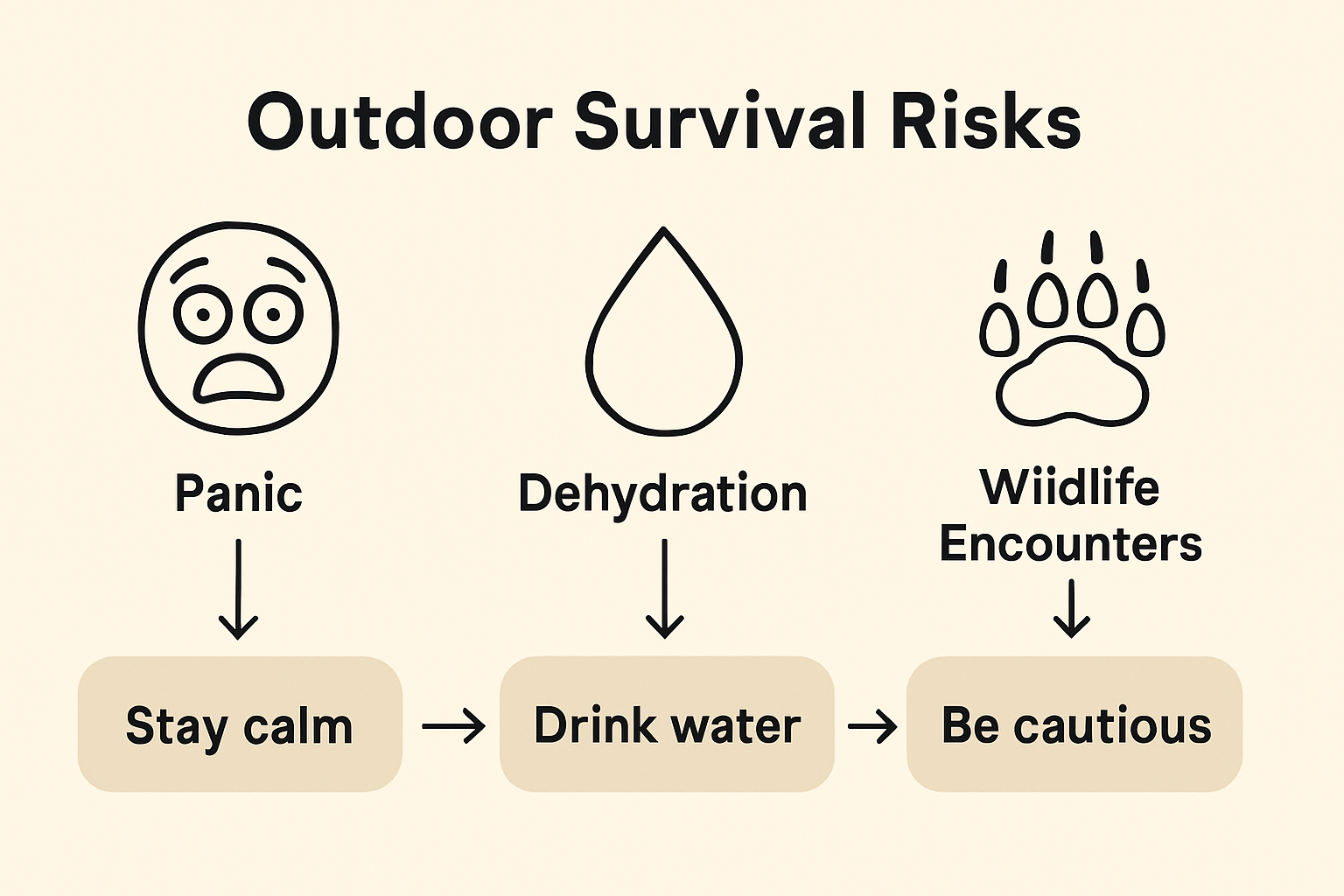
Ultimately, avoiding survival mistakes requires a holistic approach of continuous learning, humility, and proactive preparation. This means regularly updating skills through professional training, practicing emergency scenarios, maintaining physical and mental fitness, and cultivating a realistic understanding of one's capabilities and limitations. By approaching survival preparation as an ongoing journey of education and self-improvement, individuals can significantly reduce risks and transform potential emergencies from life-threatening challenges into manageable situations that can be navigated with confidence and strategic thinking.
Gear Up for Outdoor Survival with Confidence
The challenge of outdoor survival is mastering essential skills and having the right gear to stay safe and resilient in the wilderness. This article highlights key pain points like maintaining body heat, finding clean water, and staying mentally strong during unexpected outdoor emergencies. At Life Camp Adventure, we understand how critical it is to combine practical survival knowledge with dependable equipment designed for real-world challenges.
Explore our selection of survival essentials crafted for durability and ease of use so you can build tactical skills like fire starting or emergency shelter construction without worrying about your tools failing. Whether you want a versatile 14 in 1 Outdoor Emergency Survival Gear Kit or compact multi-tools for navigation and signaling, we provide quality gear that supports your mental resilience and physical preparedness.
Take control of your outdoor safety today by visiting Life Camp Adventure. Equip yourself with trusted survival tools that empower you to face wilderness challenges calmly and confidently. Start your adventure ready for anything by choosing gear that transforms potential risks into manageable situations.
Frequently Asked Questions
What is outdoor survival?
Outdoor survival refers to the skills and techniques needed to stay safe, healthy, and alive in challenging wilderness environments. It involves preparedness, knowledge, and systematic decision-making to navigate, find food and water, and manage risks.
Why is mental resilience important in survival situations?
Mental resilience is crucial because it allows individuals to maintain a calm, strategic mindset during stressful situations. This can significantly impact decision-making and overall survival outcomes, as rational thinking is essential in unexpected challenges.
What are the core skills needed for wilderness survival?
Core skills for wilderness survival include constructing shelters, finding clean water, building fires, and basic navigation. These skills help meet basic human needs and ensure safety in various environmental conditions.
How can I prepare for unexpected outdoor situations?
Preparations for unexpected outdoor situations can involve creating a home emergency kit, learning first aid, and practicing survival skills such as fire starting and emergency shelters. Continuous learning and mental preparedness are key to navigating challenges effectively.
Recommended
- 14 in 1 Outdoor Emergency Survival Gear Kit Camping Tactical Tools SOS EDC Case
- The Essential Guide to Weatherproof Tents
- Survival Shovel 8 in 1 Camping Shovel Folding Multitool Portable Compact
- 8 Smart Budget Camping Essentials for Every Outdoor Trip
- Understanding What is Emergency Evacuation and Its Importance
- Fun Outdoor Hobbies for Families to Learn Together - It's a Southern Life Ya'll
- Airsoft Milsim : Guide Complet pour le Survivalisme Airsoft en France – BDU AIRSOFT
