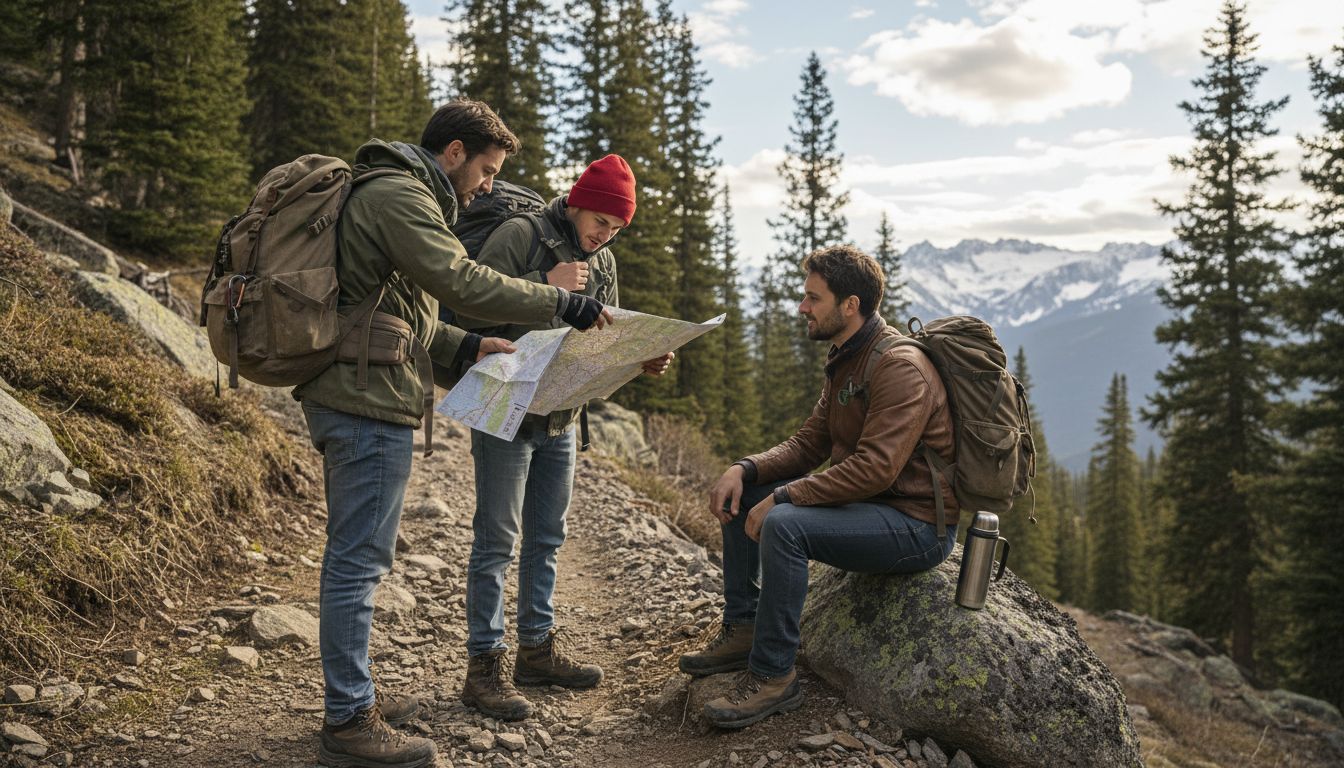
What Is Outdoor Gear and Why It Matters
Over half of American outdoor enthusiasts admit to misunderstanding what truly matters when choosing equipment for the wild. Many believe more expensive or newer gear is always better, but that is rarely true. Knowing the basics of outdoor gear helps you make better choices for safety and practicality. Discover how thoughtful gear selection and a clear understanding of quality lead to safer and more enjoyable adventures in any American wilderness.
Key Takeaways
| Point | Details |
|---|---|
| Understanding Outdoor Gear | Outdoor gear is essential for safety and performance in natural environments, emphasizing functionality over cost. |
| Categorization of Gear | Different categories address specific needs such as shelter, footwear, and safety equipment for various outdoor activities. |
| Performance Factors | Key characteristics like material, weight, and durability are critical for effective outdoor gear selection. |
| Common Mistakes | Avoid prioritizing price over quality and neglecting gear testing to ensure reliability and safety in the field. |
Defining Outdoor Gear and Common Misconceptions
Outdoor gear encompasses the specialized equipment, clothing, and tools designed to support human activities and survival in natural environments. From lightweight backpacking tents to rugged hiking boots, these items are engineered to enhance safety, comfort, and performance during outdoor adventures. Outdoor gear represents more than just products - it's a critical interface between human capability and challenging environmental conditions.
Contrary to popular belief, outdoor gear isn't about having the most expensive or newest equipment. Gear maintenance and understanding are far more important than simply purchasing premium brands. As the National Outdoor Leadership School highlights, properly maintained and repaired equipment can be incredibly dependable, challenging the misconception that used or mended gear is inherently unreliable.
Key components of outdoor gear typically include:
- Protective clothing layers
- Navigation tools
- Shelter systems
- Safety and emergency equipment
- Cooking and water preparation gear
- Specialized footwear
Understanding outdoor gear requires recognizing that these tools are purpose-built solutions designed to address specific environmental challenges. Whether you're a weekend camper or serious mountaineer, selecting the right gear means evaluating functionality, durability, weight, and compatibility with your specific adventure requirements.
Major Types of Outdoor Gear Explained
Outdoor gear can be categorized into several critical equipment types that address different survival and comfort needs in wilderness environments. These specialized categories are designed to provide protection, navigation, shelter, safety, and mobility across diverse outdoor conditions. Understanding these categories helps adventurers make informed choices about their essential equipment.
Shelter systems represent a fundamental category of outdoor gear. Tent configurations range from lightweight backpacking designs to robust four-season mountain shelters. As research indicates, tent structures vary significantly, with options including single and double skin configurations tailored for specific environmental challenges. Hikers and campers must consider factors like weight, durability, weather resistance, and intended terrain when selecting appropriate shelter equipment.
Footwear is another crucial gear category with specialized designs for different outdoor activities. Hiking boots are engineered to provide support, traction, and protection across varied terrain. Different boot categories address specific needs:
- Trail hiking boots for moderate terrain
- Mountaineering boots for extreme alpine conditions
- Lightweight approach shoes for technical rock environments
- Waterproof boots for wet and muddy landscapes
Additional essential outdoor gear categories include:
- Protective clothing systems
- Navigation and communication devices
- Water filtration and storage equipment
- Cooking and food preparation tools
- Emergency and first aid supplies
- Sleeping systems and insulation gear
Selecting the right outdoor gear requires understanding personal adventure requirements, environmental conditions, and individual skill levels. Comprehensive preparation means choosing versatile, high-quality equipment that enhances safety and performance while matching specific outdoor pursuits.
Key Features and Performance Factors
Performance in outdoor gear is determined by a complex interplay of critical design factors that directly impact user safety, comfort, and effectiveness in challenging environments. Material selection, weight, durability, and environmental adaptability emerge as fundamental characteristics that distinguish high-quality outdoor equipment from standard consumer products.
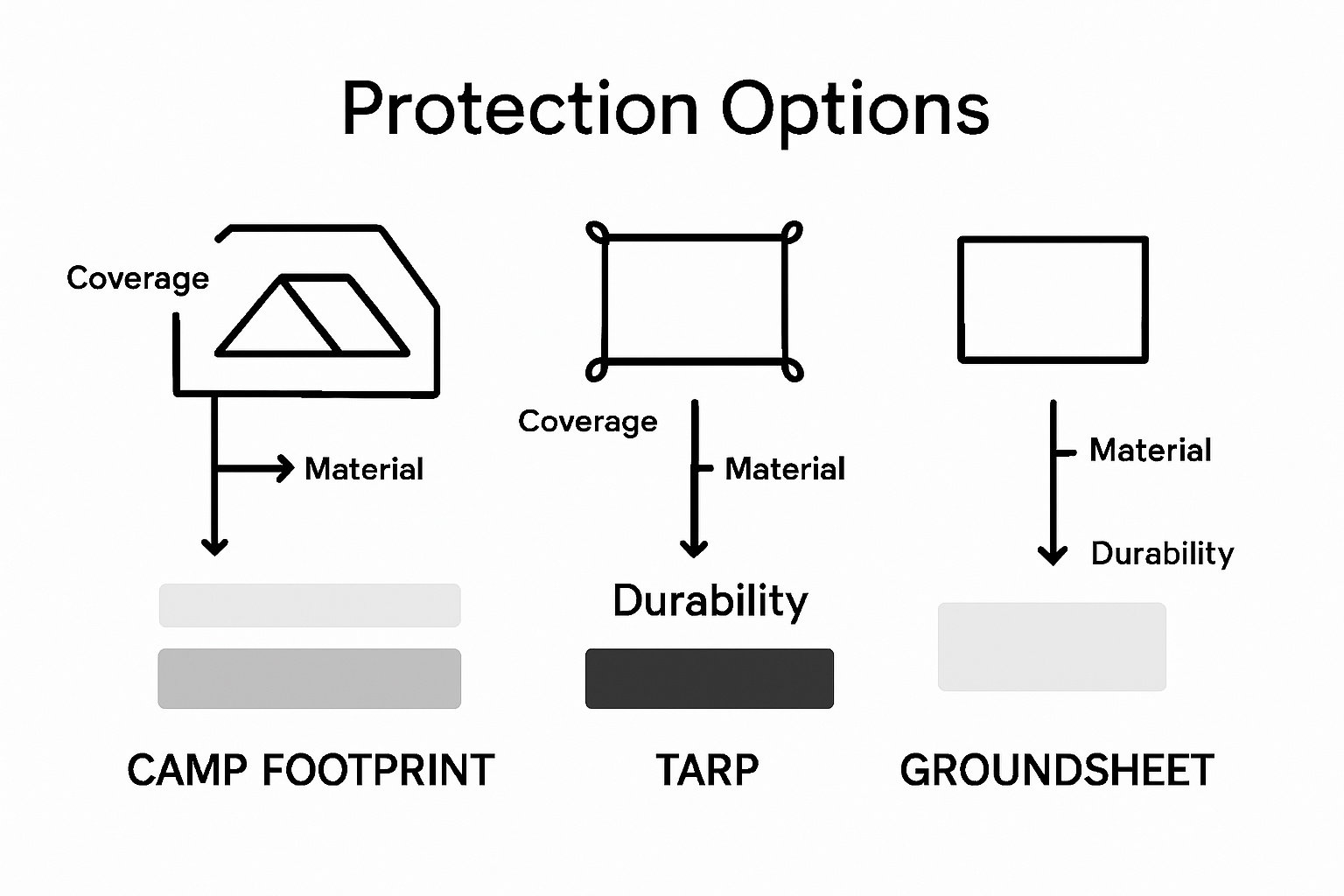
Key performance factors for outdoor gear include:
- Weight and packability
- Durability under extreme conditions
- Weather resistance capabilities
- Thermal insulation properties
- Ergonomic design and comfort
- Versatility across different environments
Technical specifications transform outdoor gear from mere accessories into critical survival tools. Advanced manufacturing techniques now enable gear designers to create multi-functional equipment that adapts to changing environmental conditions. Innovations in synthetic materials, precision engineering, and modular design have revolutionized how outdoor enthusiasts approach equipment selection, allowing for unprecedented levels of performance and reliability in challenging wilderness settings.
Essential Uses for Different Activities
Outdoor gear is not a one-size-fits-all solution. Different recreational and survival activities demand specialized equipment tailored to specific environmental challenges and user requirements. Understanding the nuanced gear needs for various outdoor pursuits ensures adventurers are appropriately equipped for their unique experiences.
The Ten Essentials provide a foundational framework for selecting critical gear across multiple outdoor activities. These essential items form a universal baseline of preparedness, adaptable to hiking, camping, mountaineering, and wilderness exploration. Key activity-specific considerations include weight management, environmental protection, and versatility of equipment.Gear requirements vary significantly across different outdoor pursuits:
- Hiking: Lightweight, moisture-wicking clothing, supportive footwear, navigation tools
- Mountaineering: Insulated layers, technical climbing equipment, avalanche safety gear
- Camping: Shelter systems, cooking equipment, fire starting tools
- Backpacking: Ultralight, multi-purpose gear, compact sleeping systems
- Winter Expeditions: Extreme temperature protection, snow travel equipment
- Water Sports: Quick-drying materials, flotation devices, waterproof protection
Mistakes to Avoid When Selecting Gear
Selecting appropriate outdoor gear requires careful consideration and strategic decision-making. Many adventurers inadvertently compromise their safety and comfort by making common equipment selection errors that can significantly impact their wilderness experience. Understanding these potential pitfalls is crucial for making informed gear choices that enhance personal preparedness and performance.
Research from outdoor leadership experts highlights several critical misconceptions about outdoor equipment. One prevalent mistake involves dismissing repaired or previously used gear as unreliable. Contrary to popular belief, properly maintained equipment can be just as dependable as brand new items, provided it has been carefully inspected and restored to functional condition.Common gear selection mistakes include:
- Prioritizing price over quality and functionality
- Overlooking equipment weight and packability
- Neglecting activity-specific gear requirements
- Failing to test equipment before critical trips
- Ignoring personal skill level and experience
- Purchasing unnecessary or overly complex gear
- Underestimating maintenance and repair needs
Successful outdoor enthusiasts develop a strategic approach to gear selection that balances practical considerations with personal adventure goals. This means critically evaluating each piece of equipment for its intended use, understanding personal limitations, and investing in versatile, high-quality gear that offers reliability and performance across diverse environmental conditions. Thoughtful preparation and informed decision-making transform equipment from mere accessories into essential survival tools.
Equip Yourself with the Right Outdoor Gear for Every Adventure
Choosing the right outdoor gear is crucial to overcoming common challenges like durability, weather resistance, and activity-specific needs discussed in the article. Many outdoor enthusiasts struggle with confusing choices or unreliable equipment that can compromise safety and comfort. Life Camp Adventure understands these pain points and offers a selection of high-quality, battle-tested gear crafted to meet those exact challenges. From lightweight shelter systems to rugged footwear and essential survival tools our products focus on functionality and reliability to elevate your outdoor experience.
Discover gear designed to keep pace with your boldest adventures today at Life Camp Adventure. Explore our carefully curated collections and get equipped with dependable equipment that supports your skills and adapts to various environments. Don't wait until your next trip to regret outdated or inadequate gear make sure you are prepared with trusted essentials now. Visit Life Camp Adventure and step into your next journey confidently.
Frequently Asked Questions
What is outdoor gear?
Outdoor gear refers to specialized equipment, clothing, and tools designed to support activities and survival in natural environments, enhancing safety, comfort, and performance during outdoor adventures.
Why is gear maintenance important for outdoor equipment?
Gear maintenance is crucial because properly maintained and repaired equipment can be as dependable as new items. It challenges the misconception that used or mended gear is unreliable, ensuring durability and functionality during outdoor activities.
What are the key components of outdoor gear?
The key components of outdoor gear typically include protective clothing layers, navigation tools, shelter systems, safety equipment, cooking and water preparation gear, and specialized footwear, each tailored to meet specific environmental challenges.
How do I choose the right outdoor gear for my activity?
To choose the right outdoor gear, consider the specific requirements of your activity, such as functionality, durability, and weight. Additionally, evaluate environmental conditions and individual skill levels to ensure the gear meets your adventure needs.
Recommended
- The Essential Guide to Weatherproof Tents
- 8 Smart Budget Camping Essentials for Every Outdoor Trip
- Outdoor first aid raincoat survival emergency camping supplies wilderness loss o
- 14 in 1 Outdoor Emergency Survival Gear Kit Camping Tactical Tools SOS EDC Case
- Camping Gear Maintenance: Complete Guide For Campers - Tent Explorer
