TL;DR:
- Modular gear is built from interchangeable components that attach to a common platform, allowing customization for each trip. It offers increased packing versatility, durability through repairability, and better weight distribution, especially with standards like PALS and MOLLE. Proper organization and quality foundation materials are essential to avoid common mistakes and maximize safety and efficiency.
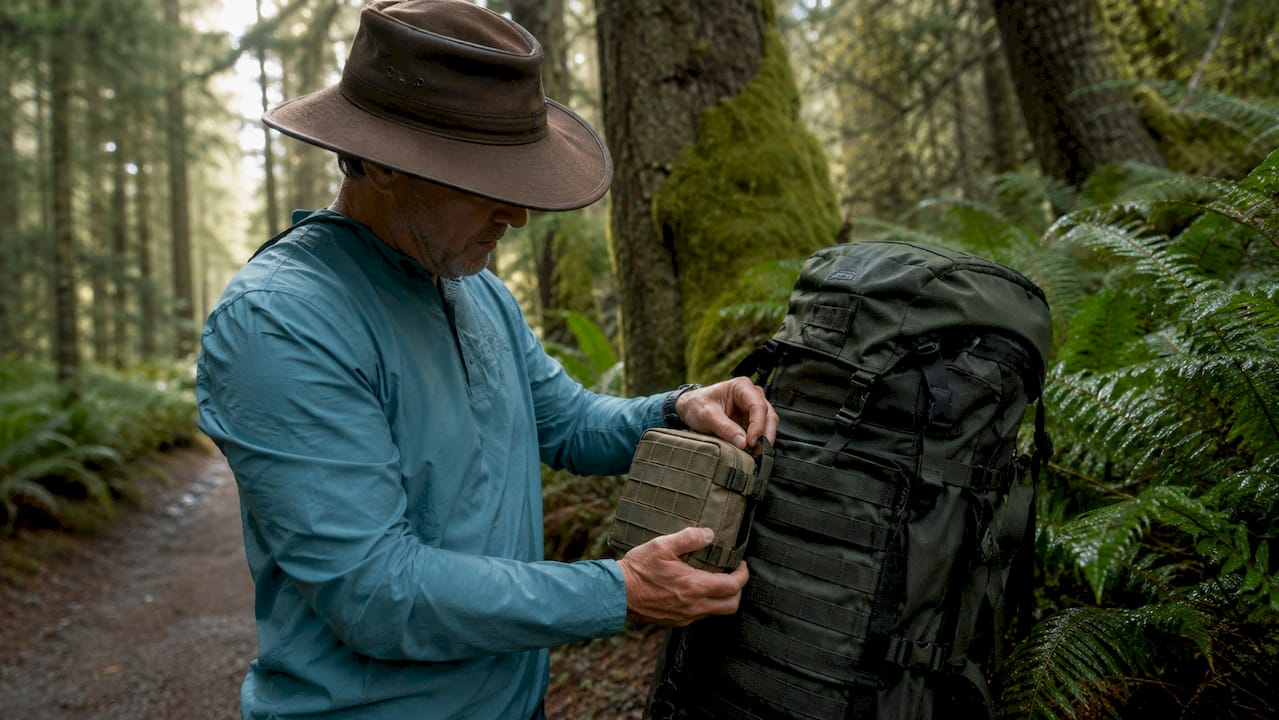
Modular gear is defined as an outdoor equipment system built from interchangeable components that users can attach, remove, and rearrange to match any trip's demands. Unlike fixed gear, a modular gear system lets you build exactly what you need for a one-day hike or a five-day backcountry expedition without carrying a single redundant item. Standards like PALS webbing and MOLLE make cross-brand compatibility possible, so pouches, carriers, and accessories from different manufacturers connect to the same base platform. The result is a setup that adapts to you, not the other way around. At Lifecampadventure, we see modular gear as the single biggest upgrade most outdoor adventurers overlook.
What is modular gear and how does it work?
Modular gear works through standardized attachment interfaces that let components connect to a shared base platform. The most widely used standard is the Pouch Attachment Ladder System, known as PALS. PALS uses a consistent 1-inch nylon webbing grid on vests, packs, and pouches, allowing quick attachment and detachment across brands. That consistency is what makes the system so powerful for outdoor use.
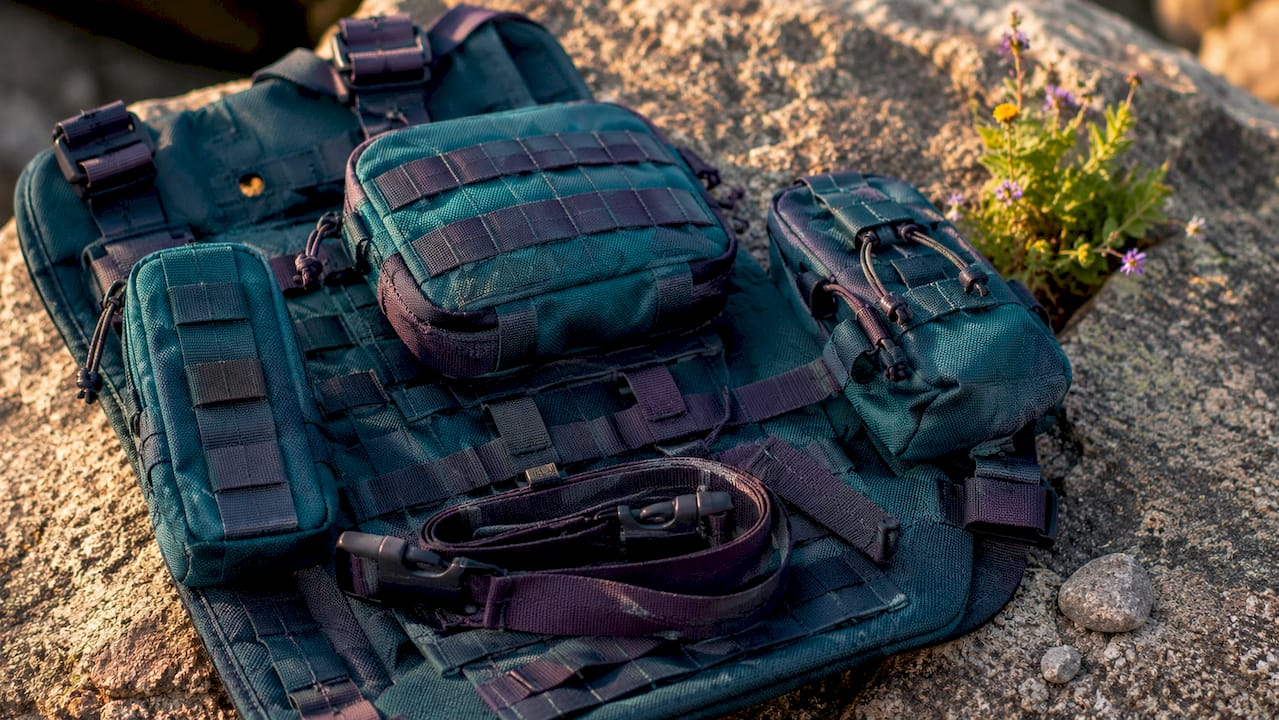
MOLLE, which stands for Modular Lightweight Load-carrying Equipment, is the family of gear built around PALS webbing. MOLLE stems from the U.S. Army's transition from the older ALICE system in the 1990s. That military origin explains why modular gear concepts are so well tested for durability and load management. Outdoor adventurers now benefit from decades of real-world refinement.
The key distinction in modular gear design is standardized versus proprietary systems. Standardized interfaces like PALS guarantee that a pouch from one brand fits a pack from another. Proprietary snap-on systems lock you into a single manufacturer's ecosystem, which limits your options and raises long-term costs. The most reliable modular systems always prioritize open standards over proprietary lock-in.
| Interface standard | Attachment method | Cross-brand compatible | Common use |
|---|---|---|---|
| PALS/MOLLE | Woven webbing grid | Yes | Packs, vests, pouches |
| Velcro loop panels | Hook-and-loop fabric | Mostly | Patches, small pouches |
| Proprietary snap-on | Brand-specific clips | No | Single-brand ecosystems |
| Zipper modular panels | Zipper tracks | Limited | Cases, organizers |
Pro Tip: Always confirm a pouch or accessory lists PALS or MOLLE compatibility before buying. That single check saves you from a frustrating mismatch at the trailhead.
What are the benefits of modular gear for outdoor adventures?
The clearest benefit of modular gear is packing versatility. Modular gear users can achieve a 30–50% increase in packing versatility by eliminating redundant gear sets and tightening logistics. That means fewer bags, less weight, and more mental clarity when you are miles from the nearest road.
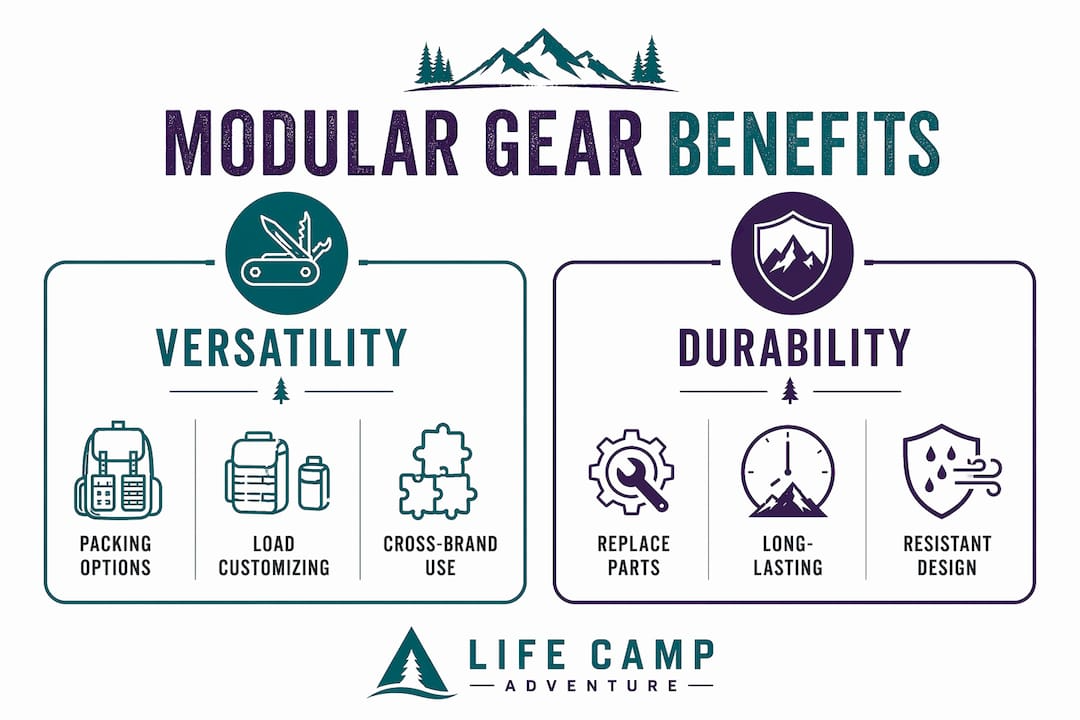
Durability is the second major advantage. Modular gear's durability comes from replacing individual worn components rather than discarding the entire system. A broken zipper on a fixed pack means buying a new pack. On a modular system, you swap the damaged pouch and keep everything else. That repairability also reduces waste, which matters if you care about your environmental footprint on the trail.
Ergonomics improve significantly with a well-built modular setup. You place weight exactly where your body handles it best, rather than accepting a fixed layout designed for an average user. Keeping heavy items close to the body and symmetrically arranged reduces fatigue on long treks. That load control is something fixed packs simply cannot offer.
Here is a clear breakdown of the core benefits:
- Versatility. One base platform covers trips from 1 to 5 days by adding or removing modules.
- Cost savings. Purchasing a base platform with interchangeable components costs less over time than buying multiple complete loadouts.
- Repairability. Replace a single broken part instead of the whole system.
- Ergonomic control. Position weight where your body performs best.
- Adaptability. Reconfigure your setup between activities without repacking from scratch.
Pro Tip: Start with one quality base pack and add two or three pouches before buying more. Overbuilding your modular setup on day one leads to decision fatigue and an overloaded rig.
How to organize modular gear components effectively
The most common modular gear components are pouches, carriers, modular cases, and trays. Each serves a specific function, and knowing which to use where separates a well-organized adventurer from someone who spends ten minutes rummaging for a headlamp at dusk. Organized modular pouches with categorized contents reduce the rummaging effect and save real time when you need gear fast.
Modular protective cases with customizable interiors let you protect cookware, electronics, and first aid supplies in a single container. Velcro-secured dividers and stackable trays allow quick reconfiguration at basecamp. That flexibility means your case layout for a weekend car camp looks completely different from your layout for a technical alpine trip, using the exact same case.
Follow this sequence when organizing your modular rig before any trip:
- List every item you need. Write it down before touching your gear. This prevents impulse packing.
- Group items by function. Navigation tools together, first aid together, food prep together.
- Assign each group a dedicated pouch or tray. One function per pouch keeps retrieval fast.
- Place high-use items on the outside. Snacks, maps, and a rain layer go in the most accessible spots.
- Place heavy items closest to your back. This keeps your center of gravity stable and reduces shoulder strain.
- Test the layout before you leave. Put the pack on and reach for three different items. If you struggle, adjust now.
Modularity's value extends beyond convenience to improved mental and physical management of basecamp. When urgent situations arise, knowing exactly where every item lives is not a luxury. It is a safety advantage.
You can explore modular backpacking systems in more depth if you want to apply these organization principles to multi-day trail trips specifically.
What are the most common pitfalls with modular gear?
Modular gear has real drawbacks that beginners rarely anticipate. The biggest is complexity. More attachment points mean more decisions, and decision fatigue on a long trip is a genuine problem. The solution is to build a simple core setup first and add components only when a specific need arises.
Poor weaving of PALS webbing is the most common technical mistake. Improper assembly of modular gear, especially poor webbing weave, leads to instability and possible gear failure under load. A pouch that feels secure in your living room can shift or drop on a steep descent. Always thread webbing through every row and pull it tight before trusting any attachment with critical gear.
The quality of your base platform determines everything. Modularity's effectiveness depends heavily on the quality of the base platform. Even the best pouches and accessories fail when attached to a weak foundation. Look for 500D nylon or heavier, reinforced stitching at stress points, and rugged metal hardware on buckles and zippers. Connection points like zippers, clips, and webbing are critical failure zones. Premium materials at those points are not optional.
Watch for these common mistakes:
- Overloading one side. Asymmetric weight causes fatigue and joint strain over distance.
- Using too many outward-facing modules. They catch on brush and throw off your balance.
- Ignoring weight limits. Every base platform has a rated capacity. Exceeding it stresses seams and attachment points.
- Skipping a test run. Always wear your full rig on a short local walk before a serious trip.
For a deeper look at tactical gear accessories and how modular add-ons perform under real conditions, that resource covers selection principles that apply directly to outdoor setups.
Key Takeaways
A modular gear system built on PALS/MOLLE standards gives outdoor adventurers the versatility, durability, and load control that fixed gear cannot match.
| Point | Details |
|---|---|
| Standardized interfaces matter | Choose PALS/MOLLE compatible gear to guarantee cross-brand compatibility and long-term flexibility. |
| Packing versatility increases significantly | Modular systems can deliver a 30–50% gain in packing versatility by cutting redundant gear. |
| Durability comes from repairability | Swap damaged components individually instead of replacing the entire system. |
| Base platform quality is non-negotiable | Weak foundational materials undermine even the best modular attachments. |
| Organization prevents field failures | Group gear by function and test your layout before every trip to avoid rummaging and safety gaps. |
Why I think most adventurers underestimate modular gear
Most people treat modular gear as a military or tactical niche. That framing misses the point entirely. The real value of a modular system is not that it looks tactical. It is that it forces you to think clearly about what you actually need before you leave home.
I have watched experienced hikers carry 15 pounds of redundant gear because their fixed pack had no way to shed weight between trips. A modular setup solves that problem at the source. You build for the trip you are taking, not the trip you might take someday.
The one caution I give beginners is this: do not buy every pouch and attachment available in the first month. The freedom of modularity can flip into gear obsession fast. Start with a solid base platform, add one or two pouches, and live with that setup for a full season. You will learn exactly what you are missing, and nothing more.
The future of outdoor gear is moving toward greater modularity across all categories, from cookware to shelter systems. Brands are recognizing that adventurers want gear that grows with them rather than gear they outgrow. That shift rewards people who understand modular concepts now, before the market catches up.
— Billy
Gear up with Lifecampadventure
Lifecampadventure carries a curated selection of outdoor gear built for adventurers who want versatility without compromise. Whether you are setting up a modular basecamp or building a lightweight day kit, the right foundation makes every trip more efficient and more enjoyable.
Start with the camping tents comparison to find a shelter that integrates with your modular setup, or check the best camping gear picks for expert-vetted options across every category. If you are building a kit from scratch, the essential types of camping gear guide walks you through every category you need to cover before your next adventure.
FAQ
What is modular gear in simple terms?
Modular gear is outdoor equipment built from interchangeable parts that attach to a shared base platform. You add, remove, or rearrange components to match each trip's specific needs.
What does MOLLE stand for and why does it matter?
MOLLE stands for Modular Lightweight Load-carrying Equipment. It is the standard system that uses PALS webbing to connect pouches, carriers, and accessories across different brands.
Is modular gear worth it for beginners?
Yes, but start simple. One quality base pack with two or three pouches gives beginners the core benefits of modularity without the complexity of a full tactical rig.
How do I know if two modular pieces are compatible?
Check that both pieces list PALS or MOLLE compatibility. Standardized 1-inch webbing grids connect reliably across brands, while proprietary systems only work within a single manufacturer's lineup.
Can modular gear save money over time?
Modular gear reduces long-term costs because you replace only the damaged component rather than the entire system. Buying a base platform with interchangeable modules also costs less than purchasing multiple complete loadouts for different trip types.
