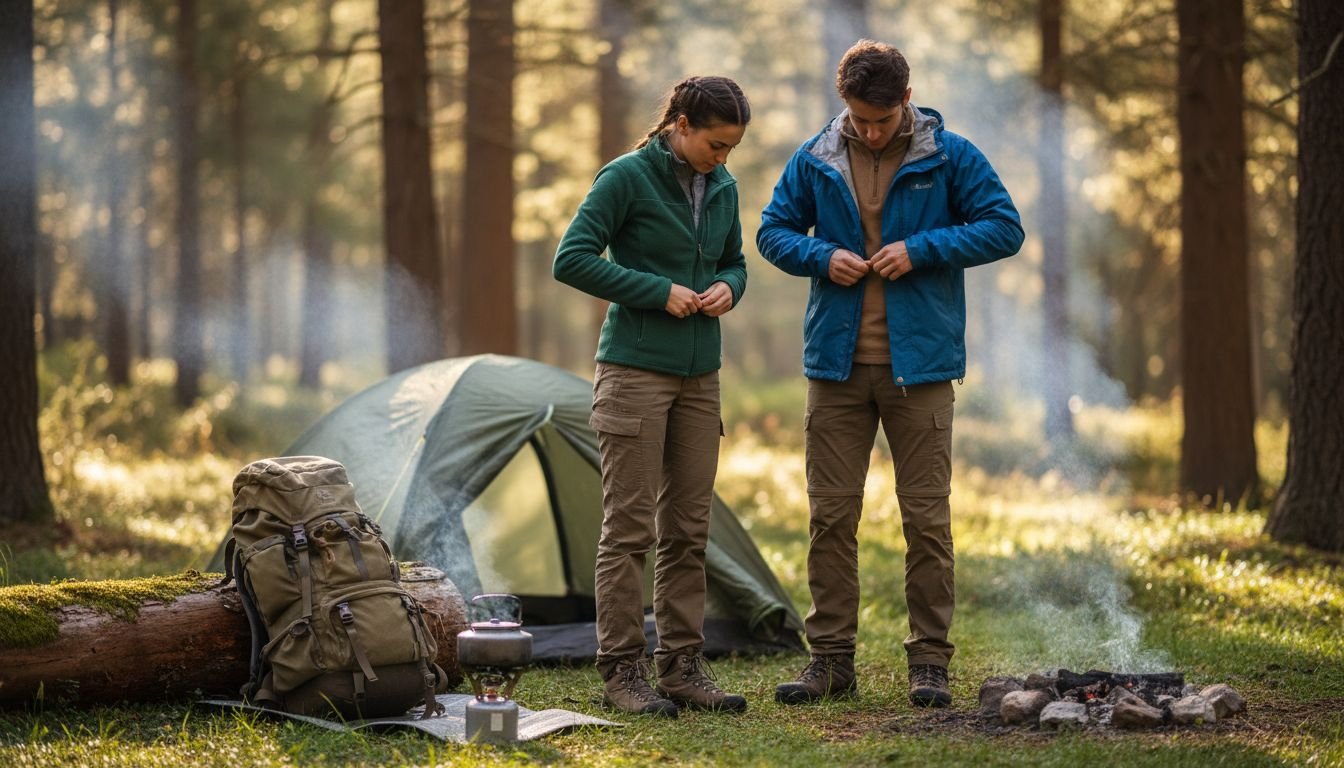
Most American weekend campers are surprised to learn that nearly 60 percent admit feeling unprepared when temperatures suddenly drop outdoors. Facing unpredictable weather can make or break a camping adventure, especially for those new to the outdoors. By mastering basic layering concepts, beginners gain the confidence to adapt quickly, stay comfortable, and enjoy their time under the open sky without bulky gear weighing them down.
Key Takeaways
| Point | Details |
|---|---|
| Layering is essential for comfort | A strategic layering system allows campers to adapt to changing temperatures while managing moisture and insulation effectively. |
| Choose the right materials | Opt for moisture-wicking synthetic fabrics and avoid cotton to maintain warmth and prevent hypothermia. |
| Maintain flexibility | Use adjustable layers that can be easily added or removed to adapt to different activities and weather conditions. |
| Avoid common mistakes | Ensure proper fit and avoid over-bundling to allow for movement and effective temperature regulation. |
Layering in Camping: Core Concepts Explained
Camping layering transforms outdoor comfort by strategically managing body temperature through intelligent clothing systems. The fundamental goal is creating adaptable protection that responds dynamically to changing environmental conditions. Strategic clothing management allows campers to regulate warmth efficiently without carrying excessive gear.
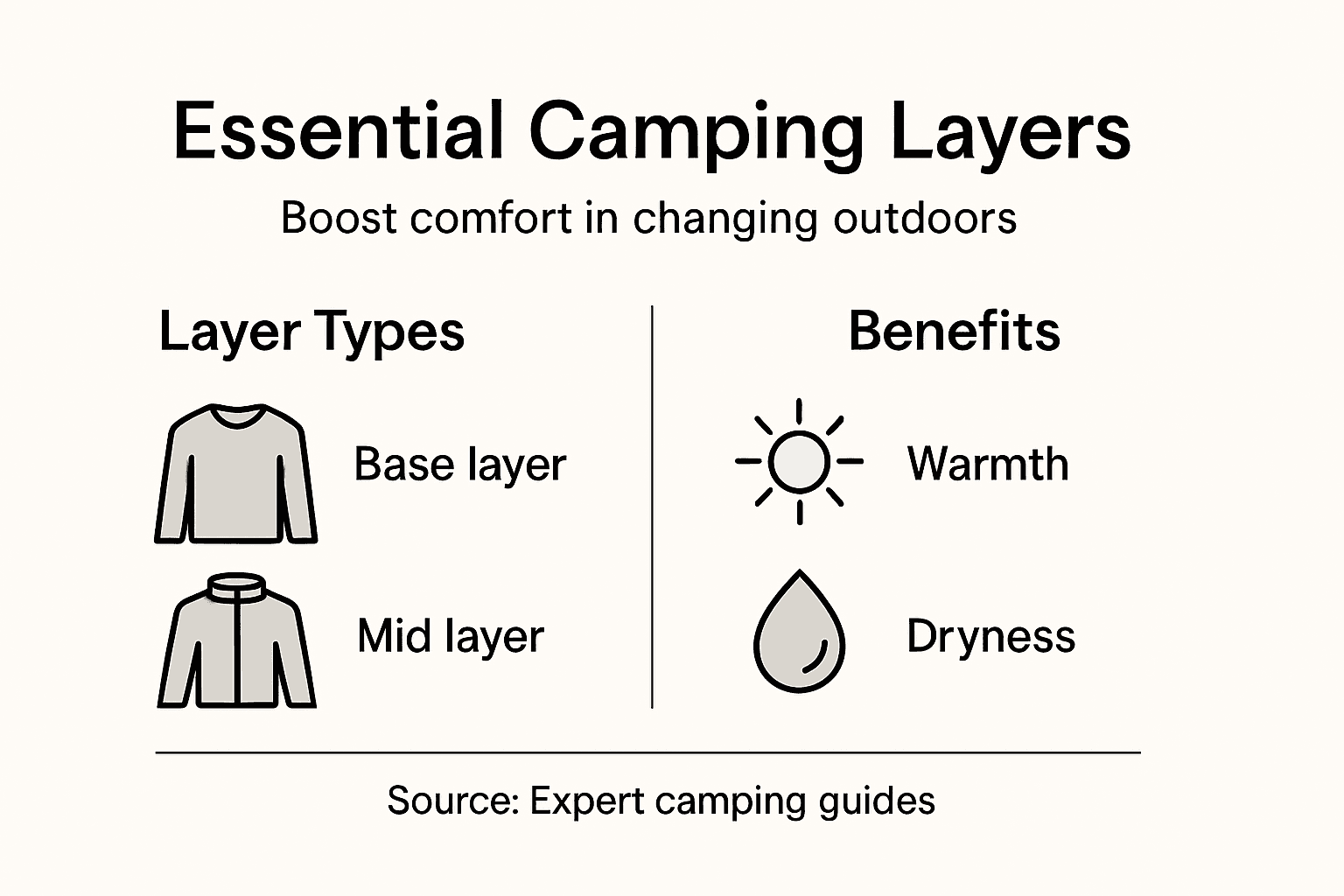
The layering approach involves three critical components: base layers, insulating mid layers, and protective outer shells. Base layers work directly against the skin, wicking moisture and maintaining core temperature. These lightweight, moisture-managing garments prevent sweat buildup that could compromise thermal regulation. Mid layers trap warm air close to the body, typically using materials like fleece or lightweight down that provide substantial insulation without significant weight. The outer shell acts as a protective barrier against wind, rain, and environmental elements.
Professional outdoor enthusiasts understand that effective layering isn't about wearing thick clothing but creating a flexible system. By selecting lightweight, high-performance materials that can be easily added or removed, campers maintain optimal body temperature across varying conditions. Mountain weather adaptation requires clothing that moves with you, breathes efficiently, and provides targeted protection.
Pro tip: Always pack an extra lightweight, compressible mid layer that can be quickly added or removed to maintain consistent comfort during temperature fluctuations.
Different Types of Camping Clothing Layers
Camping clothing layers are strategically designed to provide maximum comfort and protection in outdoor environments. Layering essentials involve multiple garment types that work together to regulate body temperature and manage moisture across changing weather conditions. Understanding each layer's specific function is crucial for creating an effective outdoor clothing system.
The first critical component is the base layer, typically constructed from moisture-wicking materials like wool or synthetic fabrics. These garments sit directly against the skin, drawing sweat away and maintaining a dry, comfortable microclimate. Mid layers provide crucial insulation, trapping warm air close to the body. Materials like fleece, wool, and lightweight down create an effective thermal barrier without adding excessive weight. Outdoor enthusiasts often choose these layers for their exceptional warmth-to-weight ratio and compressibility.
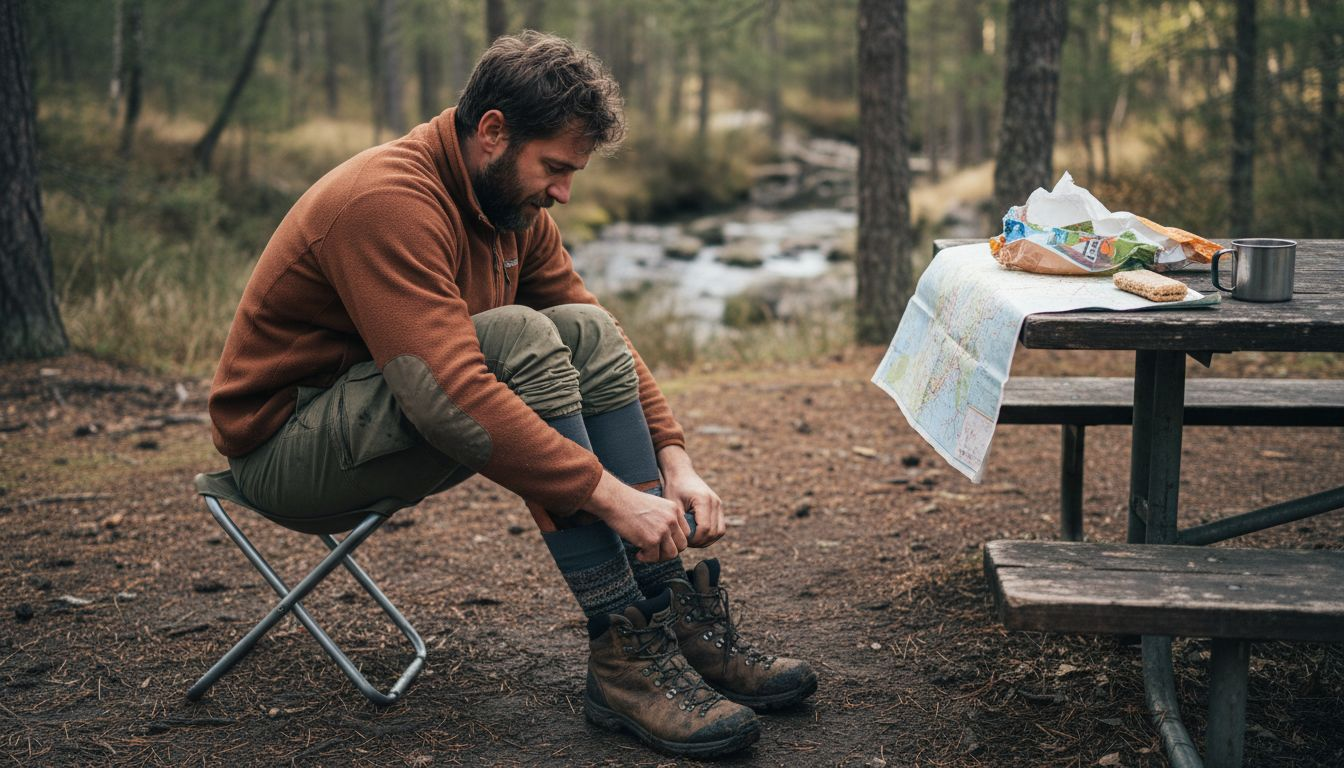
Outer shell layers represent the final defensive line against environmental challenges. Cold weather protection requires waterproof and windproof jackets that shield the body from rain, snow, and harsh winds. These protective shells are designed with advanced materials that block external elements while maintaining breathability. Specialized camping shells often feature additional elements like adjustable hoods, sealed seams, and ventilation zippers to enhance overall performance in unpredictable outdoor conditions.
Pro tip: Select versatile layers that can be easily mixed and matched, allowing quick adaptation to changing temperatures without carrying excessive clothing.
Here's a quick overview of how each clothing layer contributes to outdoor comfort:
| Layer Type | Primary Function | Typical Materials | Key Benefit |
|---|---|---|---|
| Base Layer | Moisture management | Synthetic, merino wool | Keeps skin dry |
| Mid Layer | Traps body heat | Fleece, down, wool | Provides insulation |
| Outer Shell | Weather protection | Gore-Tex, nylon, soft shell | Shields from wind/rain |
How Layering Helps Regulate Body Temperature
Body temperature regulation is a critical survival skill during outdoor adventures, and strategic clothing layering provides an intelligent solution to environmental challenges. Moisture management techniques allow campers to maintain a consistent body temperature by creating a dynamic protective system that adapts to changing conditions. The human body generates heat through metabolic processes, and effective layering helps trap and distribute that warmth efficiently.
Each layer plays a unique role in temperature control. The base layer works to wick moisture away from the skin, preventing the cooling effect of dampness during physical activities. Insulating mid layers trap warm air close to the body, creating a thermal barrier that prevents heat loss. Winter temperature control becomes particularly crucial when external temperatures drop, as these layers help maintain a stable internal temperature even in extreme conditions. The strategic air pockets between layers act as natural insulators, providing warmth without adding excessive bulk to your clothing.
The true magic of layering lies in its adaptability. As your activity level changes or weather conditions shift, you can easily add or remove layers to prevent overheating or sudden chills. This dynamic approach allows outdoor enthusiasts to maintain an optimal body temperature across a wide range of environmental conditions. Experienced campers understand that proper layering is about creating a flexible system that responds to your body's changing needs, whether you're hiking up a steep trail or sitting around a campfire during a cool evening.
Pro tip: Always carry a lightweight, packable extra layer that can be quickly added when temperatures drop unexpectedly during outdoor activities.
Common Layering Mistakes to Avoid When Camping
Camping clothing layering requires strategic planning, and understanding common pitfalls can dramatically improve outdoor comfort and safety. Layering technique mistakes often stem from misconceptions about fabric selection, fit, and moisture management. Inexperienced campers frequently make errors that compromise their ability to regulate body temperature effectively, leading to discomfort and potential health risks.
One of the most significant mistakes is wearing cotton clothing, which becomes a serious liability in outdoor environments. Cotton absorbs and retains moisture, creating a cooling effect that can lead to rapid heat loss and potential hypothermia. Instead, choose moisture-wicking synthetic materials or wool that quickly move sweat away from the skin. Another critical error is over-bundling, which might seem counterintuitive but can cause excessive sweating. When you sweat in thick, non-breathable layers, the moisture becomes trapped next to your skin, ultimately making you feel colder as that dampness begins to evaporate.
Proper layer sizing and selection are equally important. Layers that are too tight restrict movement and impede the body's natural temperature regulation mechanisms, while overly loose clothing fails to trap the essential warm air pocket needed for insulation. Weatherproof camping equipment becomes crucial in managing these challenges, providing versatile options that adapt to changing outdoor conditions. Experienced campers understand that effective layering is about creating a flexible system that can be easily adjusted as physical activity and environmental conditions change.
Pro tip: Pack lightweight, packable layers that can be easily added or removed, and always prioritize moisture-wicking fabrics over traditional cotton materials.
Consider these common mistakes and their consequences:
| Mistake | What Happens | Safer Alternative |
|---|---|---|
| Wearing cotton | Retains sweat, chills | Moisture-wicking synthetics |
| Over-bundling | Causes overheating | Use adjustable, layered pieces |
| Poor layer sizing | Restricts movement | Fit for comfort and air pockets |
Practical Layering Tips for Weekend Adventurers
Weekend camping demands a smart, adaptable approach to clothing that can handle rapidly changing outdoor conditions. Effective layering strategies provide weekend adventurers with the flexibility to manage temperature and comfort across different activity levels and environmental challenges. Understanding how to build a versatile clothing system is crucial for enjoying outdoor experiences without being caught unprepared.
The foundation of successful layering starts with selecting the right base layer. This initial layer should fit snugly against the skin, using moisture-wicking materials like synthetic fabrics or merino wool that quickly move sweat away from your body. Hiking clothing techniques emphasize the importance of breathable materials that prevent moisture buildup, which can lead to rapid heat loss. Your mid layers should provide adjustable insulation, with options like lightweight fleece or compressible down jackets that can be easily added or removed as temperatures fluctuate. The outer shell layer serves as your primary defense against wind and precipitation, requiring a waterproof and breathable material that protects without trapping internal moisture.
Seasoned weekend adventurers know that layering is more about strategy than simply wearing multiple garments. Prioritize thin, versatile pieces that can be combined in different configurations rather than relying on single, bulky items. Always pack extra accessories like lightweight gloves, a warm hat, and a neck gaiter that can provide additional warmth with minimal added weight. Consider the specific activities planned for your trip and select layers that offer the most flexibility and comfort across different scenarios.
Pro tip: Perform a "movement test" with your layering system before your trip, ensuring each piece allows full range of motion and can be easily adjusted without removing other layers.
Master Your Camping Comfort with Expert Layering and Gear
Struggling to stay warm and dry during your outdoor adventures is a common challenge faced by many campers. This article highlights the importance of strategic layering using moisture-wicking base layers, insulating mid layers, and protective outer shells to keep your body temperature balanced. To truly experience comfort and freedom outdoors you need reliable gear designed to work seamlessly with these layering principles.
Life Camp Adventure specializes in high-quality camping equipment and adventure-ready products crafted to support your layering system. Our selection includes versatile outer shells, insulating mid layers, and moisture-managing base wear that help you adapt quickly to changing weather. Whether you face chilly mountain winds or unexpected rain showers our durable and breathable gear protects you without adding bulk.Shop camping gear that complements your knowledge of layering today. Equip yourself with essentials designed for flexibility, warmth, and ease of movement so you never have to compromise comfort for protection. Visit Life Camp Adventure now and take the next step towards mastering outdoor comfort with confidence.
Discover gear that works with your layers
Frequently Asked Questions
What is the purpose of layering in camping?
Layering in camping is designed to manage body temperature and moisture, ensuring outdoor comfort by adapting to changing environmental conditions. It consists of base layers for moisture wicking, mid layers for insulation, and outer shells for protection against the elements.
Why is it important to avoid cotton in camping clothing?
Cotton retains moisture, which can create a cooling effect and lead to rapid heat loss, especially in outdoor environments. Instead, moisture-wicking synthetic materials or wool are recommended as they keep the skin dry and warm.
How can I effectively layer my clothing for camping?
Effective layering involves starting with a snug-fitting base layer that wicks moisture, followed by an insulating mid layer, and finishing with a weatherproof outer shell. This allows for flexibility to add or remove layers based on temperature changes and physical activity.
What are common mistakes to avoid when layering for camping?
Common mistakes include wearing cotton, over-bundling which causes overheating, and poor layer sizing that can restrict movement. It's essential to select moisture-wicking fabrics, adjust layers according to activity, and ensure proper fit for maximum effectiveness.
