TL;DR:
- Geocaching is an outdoor treasure hunt using GPS devices to locate waterproof containers called geocaches worldwide. It requires minimal equipment, primarily a smartphone, and emphasizes patience, observation, and environmental responsibility through CITO practices. The hobby differs from orienteering and treasure hunting by being non-competitive and community-oriented, fostering outdoor exploration and conservation.
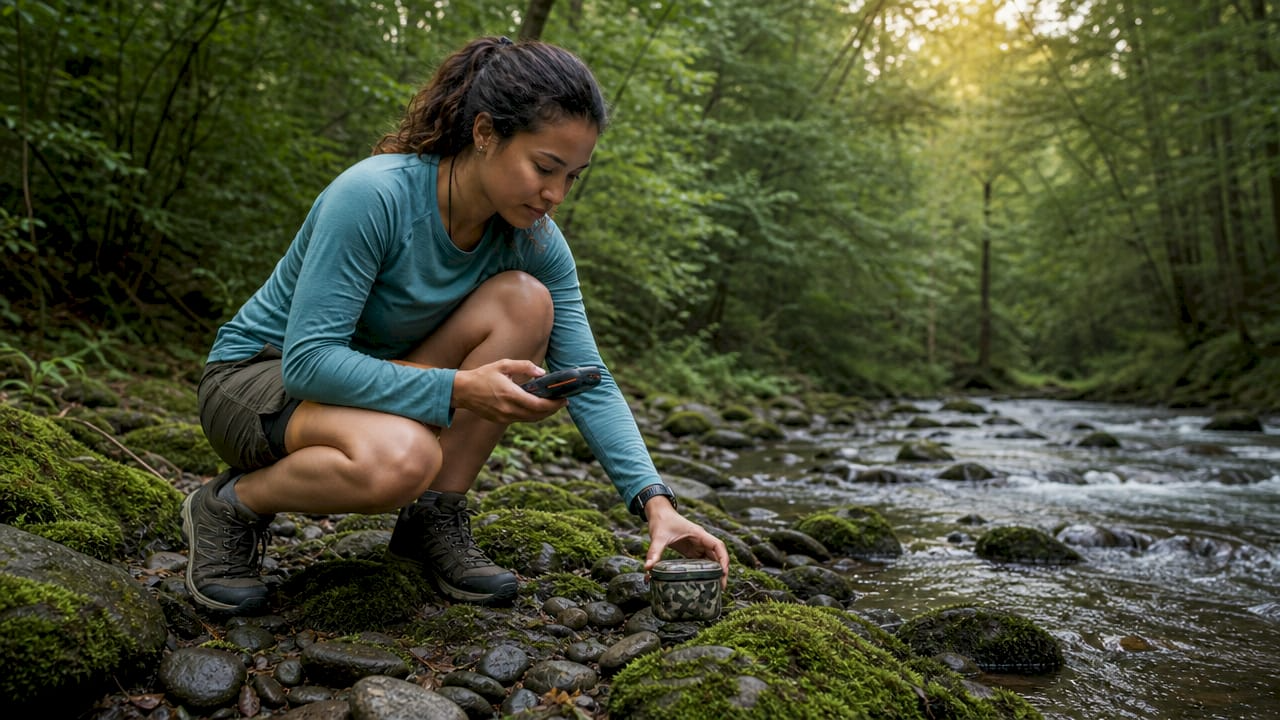
Geocaching is defined as an outdoor treasure hunting activity where participants use GPS-enabled devices to locate hidden waterproof containers called geocaches. With over 3 million active caches hidden across 191 countries, it is one of the most accessible technology-driven outdoor hobbies in the world. You do not need special skills or expensive equipment to start. A smartphone, a free account on Geocaching.com, and a willingness to explore are all it takes to find your first hidden container. Geocaching combines the precision of GPS navigation with the raw satisfaction of physical discovery, making it genuinely unlike any other outdoor activity.
What is geocaching and how does it work?
Geocaching works through a straightforward five-step process that anyone can follow on their first outing. The technology handles navigation, but the real skill is in the search itself.
Create a free account. Sign up at Geocaching.com or download the official Geocaching app. Basic participation costs nothing, though premium memberships run approximately $39.99 per year and unlock exclusive cache types and advanced filters.
Choose a beginner cache. Filter for caches rated 1/1 on the difficulty and terrain scale. A 1/1 rated cache means easy to find and easy terrain to reach, which is the right starting point for anyone new to the hobby.
Navigate to the coordinates. The app gives you GPS coordinates for the cache location. Follow them until your device shows you are close. GPS accuracy typically places you within 30 feet of the actual cache. That last stretch is where observation takes over from technology.
Find the cache and sign the logbook. Look carefully around the area. Caches are hidden under rocks, inside hollow logs, attached to fence posts, or tucked into urban fixtures. Once you find the waterproof container, open it, sign the physical logbook inside with your username and date, and close it back up.
Return the cache exactly where you found it. This rule is non-negotiable. Caches must be replaced in their original position so the next finder has the same experience. If the cache contains trade items, you may take one as long as you leave something of equal or greater value.
Pro Tip: Log your find online immediately after the hunt. The digital log on Geocaching.com lets you leave notes for the cache owner and read how other finders described the search, which is genuinely useful for understanding what you might have missed.
What types and sizes of geocaches will you find?
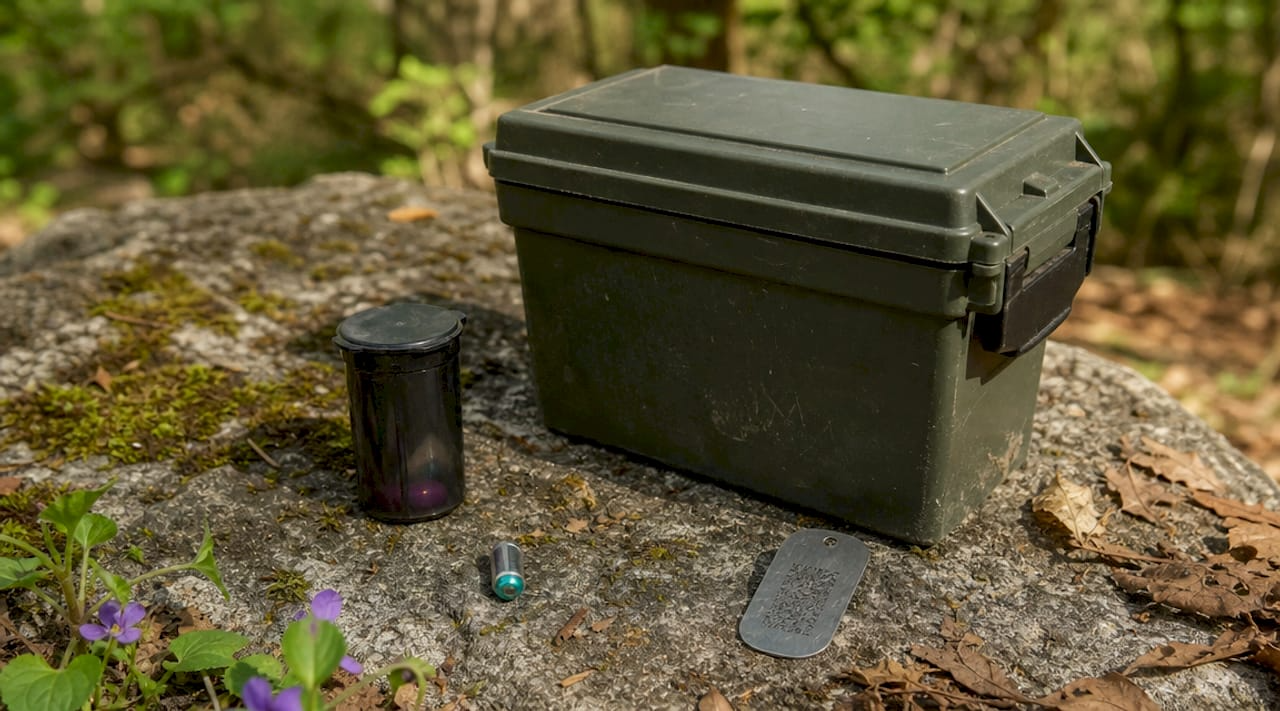
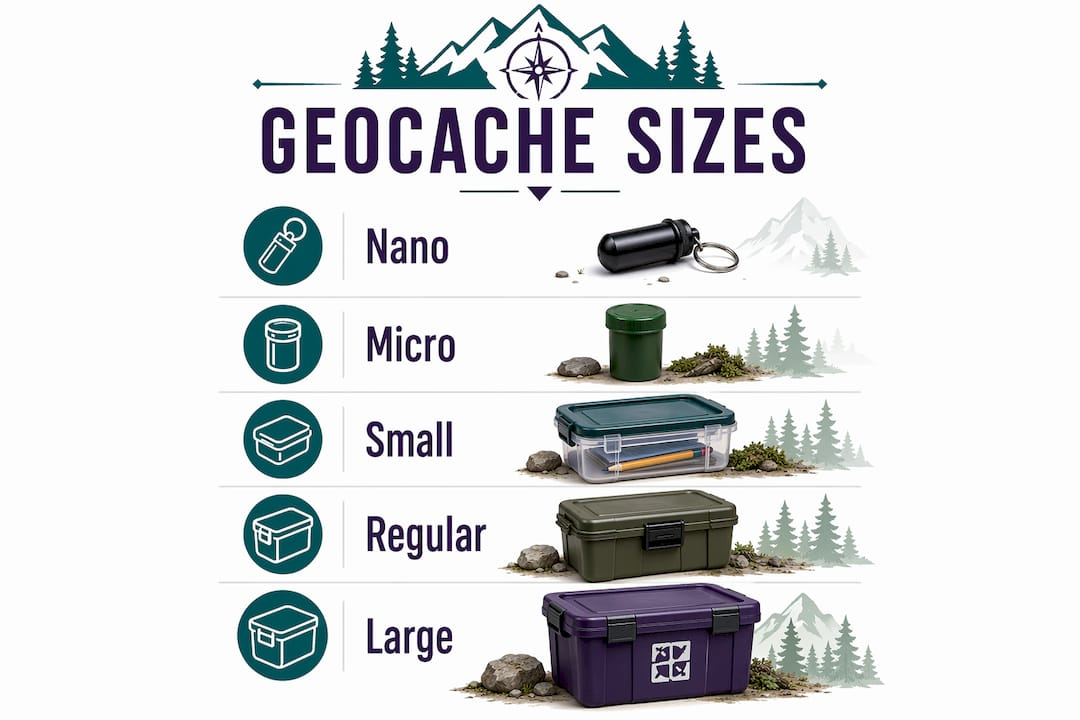
Cache containers range from a tiny magnetic disk to a full-sized ammunition box, and knowing what to expect prevents frustration on your first few hunts.
| Cache size | Description | What's inside |
|---|---|---|
| Nano/Micro | Smaller than a film canister; often magnetic | Tiny paper logbook only |
| Small | Roughly the size of a sandwich container | Logbook plus a few small trade items |
| Regular | Tupperware or similar container | Logbook, trade items, possibly trackables |
| Large | Ammunition box or bucket | Full logbook, multiple trade items, trackables |
Trackables are another element worth understanding. These are physical tags or coins with unique tracking codes. You pick one up from a cache, move it to a different cache somewhere else, and log its movement online. Some trackables have specific travel goals, like reaching a particular country or covering 1,000 miles. Watching a trackable's journey across the world is one of the more quietly fascinating parts of the hobby.
Stealth matters more than most beginners expect. Protecting cache integrity means searching without drawing attention from non-geocachers, referred to in the community as "muggles." A cache spotted by a muggle risks being moved, damaged, or thrown away. Act casual, wait for foot traffic to clear, and never open a container in plain sight.
Pro Tip: Read the most recent online logs before you search. If three people in the last week said the cache was "tricky" or "not where expected," the owner may have moved it or it may need maintenance. That context saves you 20 minutes of searching in the wrong spot.
How does geocaching compare to orienteering and other outdoor activities?
Geocaching occupies a specific niche that separates it from every other outdoor navigation activity. Understanding those differences helps you decide whether it fits your style.
Geocaching differs from orienteering in one fundamental way: it is not competitive. Orienteering is timed, scored, and physically demanding, requiring map-reading and compass skills under pressure. Geocaching has no clock, no ranking, and no required fitness level. You go at your own pace, on your own schedule, in any location you choose.Letterboxing is the closest relative to geocaching. It predates GPS technology and uses written clues and hand-carved rubber stamps instead of coordinates. Geocaching replaced the clue-based navigation with GPS precision, which lowered the barrier to entry significantly. You do not need to decode riddles to find your first cache.
Traditional treasure hunting, as most people imagine it, involves maps with X marks and buried chests. Geocaching is more grounded. The containers are real, the coordinates are exact, and the community is active. The CITO principle (Cache In, Trash Out) means geocachers actively pick up litter while they search, which adds an environmental stewardship layer that no other treasure hunt includes. CITO events are organized community clean-ups that combine cache hunting with conservation work, and they happen in cities and wilderness areas worldwide.
The GPS element is what makes geocaching genuinely modern. Understanding how GPS supports outdoor safety goes beyond geocaching, but the hobby is one of the best practical introductions to using GPS coordinates in real terrain.
How to get started with geocaching safely and enjoyably
Getting your first few finds right sets the tone for whether you stick with the hobby. These are the practical steps and gear choices that make the difference.
Gear you actually need:
- A smartphone with the Geocaching app installed (free tier works fine for beginners)
- Comfortable walking shoes or trail footwear suited to the terrain
- A pen or pencil for signing physical logbooks
- Tweezers for micro caches
- Water and weather-appropriate clothing for longer searches
- A small bag of trade items if you want to participate in the exchange tradition
Choosing your first cache wisely:
Start with traditional caches rated 1/1 in an urban park or neighborhood. Avoid puzzle caches, multi-caches, or anything rated above 2 on difficulty until you have at least 10 finds logged. The beginner hiking guide from Lifecampadventure covers terrain awareness that applies directly to cache hunting in wooded or trail-based locations.
Respecting the environment:
The CITO principle is not optional etiquette. It is the community standard. Environmental responsibility through practices like CITO sets geocaching apart from passive recreation. Bring a small trash bag on every outing and leave the search area cleaner than you found it.
Safety basics for outdoor geocaching:
- Tell someone where you are going before heading to remote cache locations
- Check weather forecasts before any outdoor search
- Stay on marked trails when terrain ratings are unclear
- Carry a charged phone and a backup power bank
Joining the community:
Local geocaching groups exist in most cities and are listed on Geocaching.com's community forums. Engaging with community logs and events transforms geocaching from a solo puzzle into a social activity with shared history and local knowledge. Experienced geocachers in your area will point you toward the best hides and warn you about archived caches that no longer exist.
Pro Tip: Download offline maps before heading to areas with poor cell coverage. The Geocaching app supports offline cache lists, so you can navigate and read cache descriptions without a data connection.
Key takeaways
Geocaching is a GPS-based outdoor treasure hunt with over 3 million active caches worldwide, accessible to anyone with a smartphone and a free account.
| Point | Details |
|---|---|
| Start with 1/1 caches | Choose traditional caches rated 1/1 for difficulty and terrain on your first outing. |
| GPS gets you close, not exact | Coordinates place you within 30 feet; the final search depends on observation skills. |
| Carry tweezers | Micro caches contain only a paper logbook and require tweezers to sign properly. |
| Practice stealth | Search without drawing attention from non-geocachers to protect cache integrity. |
| Follow CITO | Pick up litter during every hunt to meet the community's environmental standard. |
Why geocaching surprised me more than I expected
The first time I went out with coordinates loaded and a vague idea of what I was looking for, I expected the GPS to do most of the work. It did not. Standing 20 feet from where the app said the cache should be, I spent nearly 15 minutes looking at the same patch of fence before I noticed a magnetic bolt that was not a bolt at all. That moment of recognition is genuinely satisfying in a way that is hard to describe to someone who has not experienced it.
What I did not anticipate was how much the community adds to the experience. Reading the logs left by previous finders, some from years ago, gives each cache a small history. One cache I found in a city park had been visited by geocachers from 14 different countries. That context changes how you think about the container in your hand.
The frustration that most beginners hit is real. GPS accuracy limitations mean you will sometimes search the right area thoroughly and still not find the cache. That is not a failure of the technology. It is the point. The hobby rewards patience and observation, two skills that most outdoor activities do not specifically train. If you go in expecting the app to hand you the answer, you will quit after three finds. If you go in expecting a puzzle that requires you to slow down and actually look, you will find yourself planning your next search before you get home.
— Billy
Gear up for your first geocaching adventure
Ready to head out? Having the right outdoor gear makes every search more comfortable and more successful.

At Lifecampadventure, we stock the outdoor essentials that geocachers actually use in the field, from durable footwear and weather-ready packs to navigation tools and survival basics. Whether you are planning a quick urban cache hunt or a full-day trail search, the right kit matters. Browse our essential camping gear guide to find gear suited to your adventure level, or check our top outdoor gear reviews for expert-tested picks across every category. Every product we recommend is chosen for durability, practicality, and real-world performance in the field.
FAQ
What is geocaching in simple terms?
Geocaching is an outdoor activity where you use a GPS-enabled device to find hidden containers called geocaches. Participants navigate to GPS coordinates, locate the physical container, sign the logbook inside, and log the find online.
Is geocaching free to do?
Basic geocaching is completely free. You can create a free account on Geocaching.com and access thousands of caches immediately. A premium membership costs approximately $39.99 per year and unlocks additional cache types and search filters.
What do you need for geocaching as a beginner?
You need a smartphone with the Geocaching app, a pen for signing logbooks, tweezers for micro caches, and comfortable outdoor footwear. Trade items are optional but add to the experience when caches contain a swap collection.
How accurate is GPS for finding geocaches?
GPS coordinates typically place you within 30 feet of the cache location. The final search relies on your observation skills rather than the device, which is why patience and careful looking matter more than technology alone.
What is the CITO rule in geocaching?
CITO stands for Cache In, Trash Out. It is the community standard that asks geocachers to pick up litter while searching, leaving outdoor environments cleaner than they found them. CITO events are organized community clean-ups that combine cache hunting with conservation.
