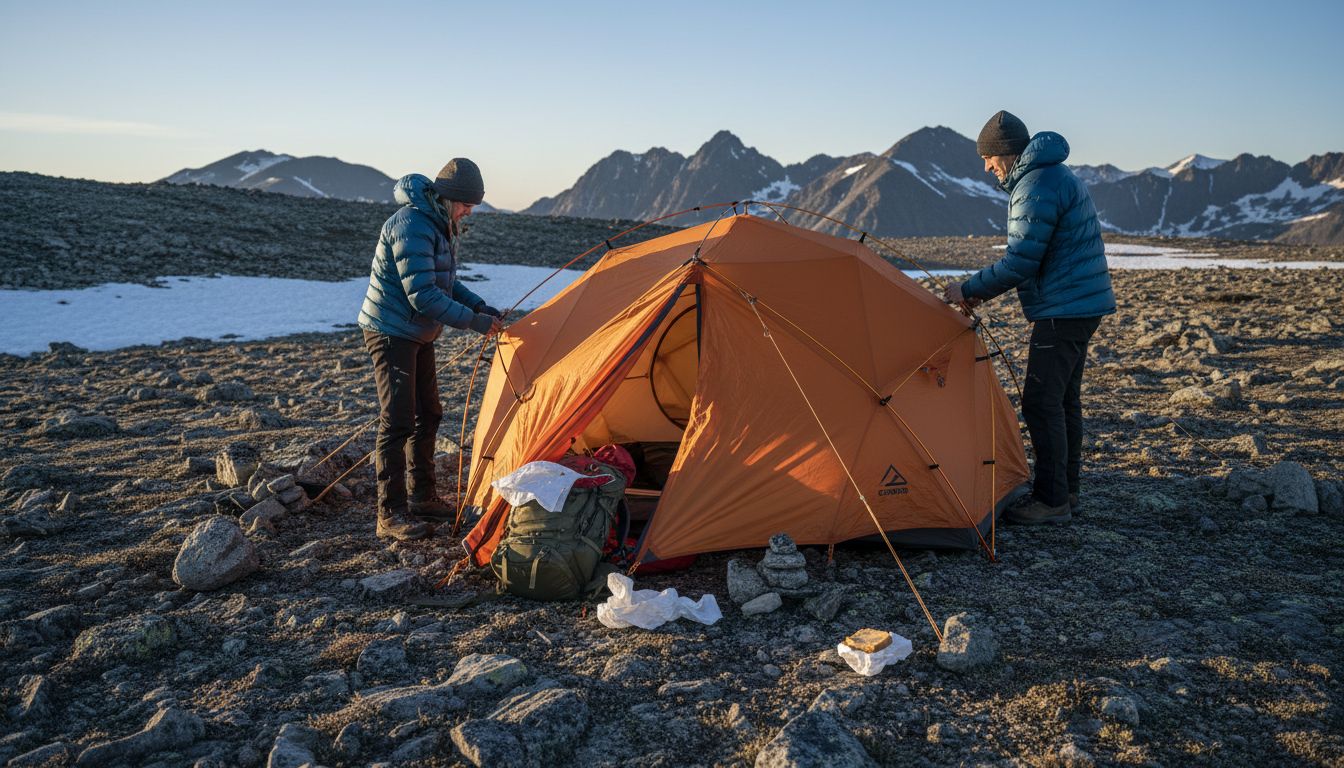
What Is a Four Season Tent and Why It Matters
Most American campers are surprised to learn that more than 60 percent of four season tent buyers mistakenly believe these shelters are only for winter use. This piece of gear matters for anyone who explores unpredictable climates, not just those braving snow in the Rockies. Understanding what truly sets a four season tent apart clears up common confusion and helps you make smarter choices for year-round adventure.
Key Takeaways
| Point | Details |
|---|---|
| Four Season Tent Definition | Four season tents are designed to withstand extreme weather, making them suitable for various environments beyond just winter. |
| Key Features | These tents boast reinforced structures, higher durability fabrics, and strategic designs for stability and protection against harsh conditions. |
| Comparative Insights | Unlike three season tents, four season tents are built for severe weather with strong materials and minimal ventilation. |
| Common Mistakes | Outdoor enthusiasts often misjudge four season tents by prioritizing weight or cost over essential features like structural integrity and weather resistance. |
Four season tents defined and key misconceptions
A four season tent is a specialized camping shelter engineered to withstand extreme weather conditions across different seasonal environments. Unlike standard camping tents designed for mild temperatures, these robust shelters provide critical protection during challenging alpine, winter, and high-altitude expeditions.
Many outdoor enthusiasts misunderstand four season tents, assuming they are exclusively for winter camping. In reality, these tents are versatile shelters designed to handle significant environmental challenges beyond just cold weather. Exploring the essential role of weatherproof tents reveals their importance across diverse terrains and climatic conditions.
Key characteristics that distinguish four season tents include:
- Reinforced pole structures for enhanced stability
- Higher denier fabric materials for superior durability
- Reduced ventilation to retain interior warmth
- Steeper wall angles to shed snow and resist wind loads
- Smaller overall footprint compared to traditional summer tents
Contrary to popular belief, four season tents are not just bulky winter accessories. They represent sophisticated engineering solutions for serious adventurers who demand reliable shelter in unpredictable environments. Whether you're mountaineering in the Rockies, trekking across alpine landscapes, or preparing for emergency survival scenarios, these specialized shelters offer unparalleled protection and peace of mind.
Main types of four season tents explained
Four season tents represent sophisticated camping solutions designed for diverse and challenging environmental conditions, with distinct types engineered to meet specific outdoor demands. Exploring different camping shelter types reveals the nuanced engineering behind these specialized shelters.
The primary categories of four season tents include basecamp tents, expedition tents, alpine tents, and mountaineering tents. Basecamp tents offer spacious interiors and robust construction, ideal for extended stays in harsh environments. Expedition tents prioritize durability and protection against extreme wind, snow, and temperature fluctuations, featuring reinforced pole structures and heavy-duty fabrics.
Key tent design variations also encompass:
- Dome-shaped tents: Provide superior wind resistance and stability
- Geodesic tents: Offer maximum structural integrity for severe weather conditions
- Tunnel tents: Deliver increased interior space and easier setup
- Single-wall tents: Minimize weight for high-altitude and alpine environments
- Double-wall tents: Enhance ventilation and reduce internal condensation
Alpine and mountaineering tents represent the pinnacle of lightweight, high-performance four season shelter design. These specialized tents are meticulously engineered to balance minimal weight with exceptional weather protection, making them essential gear for serious adventurers tackling challenging terrains and unpredictable climatic conditions.
Essential features for extreme conditions
Surviving extreme outdoor environments requires four season tents with specialized design features that go far beyond standard camping shelters. Understanding moisture management in harsh conditions reveals the critical importance of strategic engineering in tent performance.
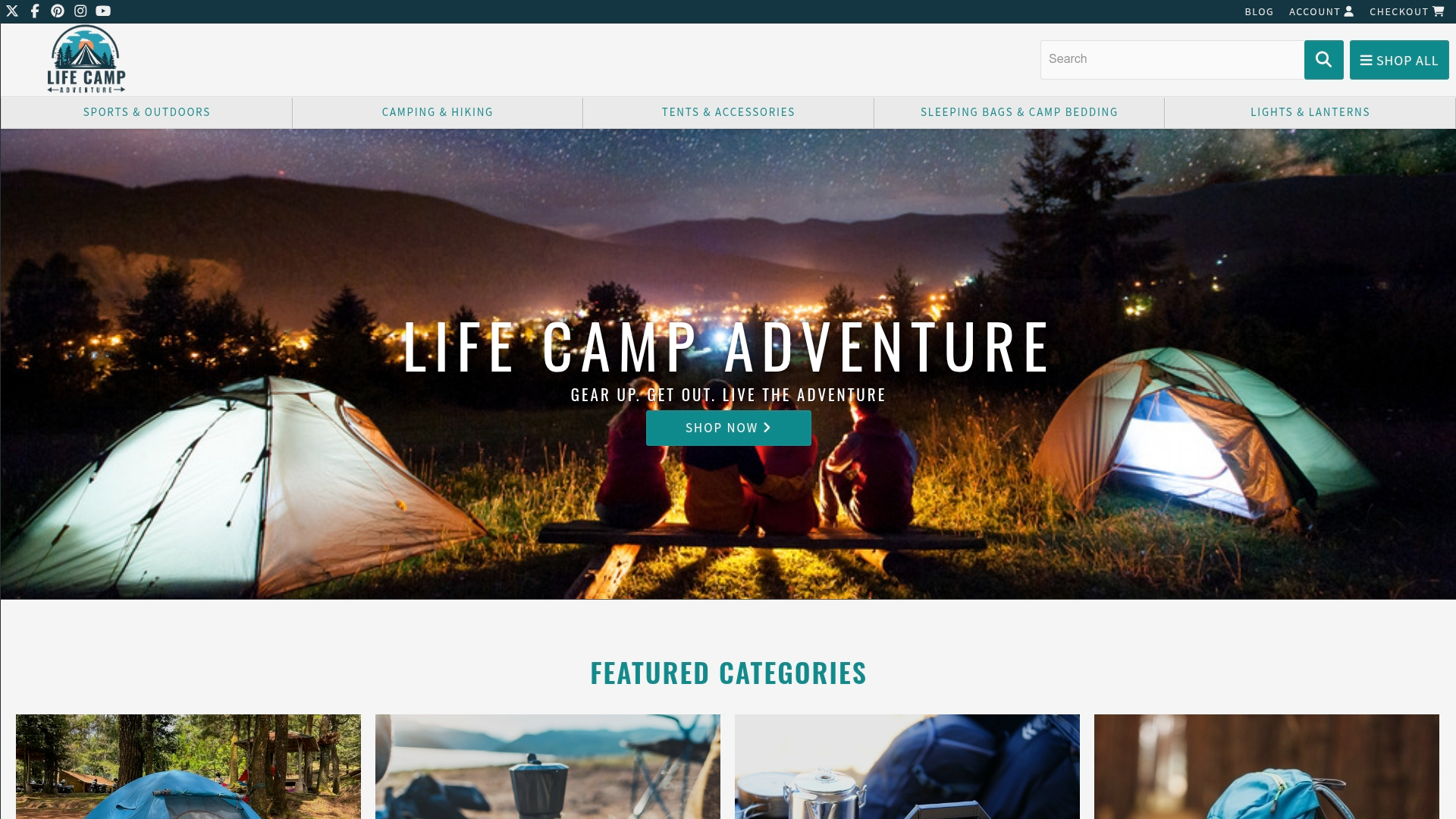
The most crucial features for extreme condition performance include structural reinforcement, advanced fabric technology, and intelligent ventilation systems. Structural reinforcement involves using heavy-duty aluminum or carbon fiber poles with increased diameter and tension points, allowing tents to withstand punishing wind loads and snow accumulation without compromising integrity.
Key protective features for extreme environments encompass:
- Ultra-high denier ripstop fabrics with waterproof ratings exceeding 5000mm
- Fully taped and sealed seam construction
- Internal guy-out loops for additional stability
- Snow flaps and extended vestibules for perimeter protection
- Reinforced stress points at pole intersections
- Thick, bathtub-style floor designs to prevent ground moisture penetration
Advanced ventilation remains paramount in extreme conditions, with sophisticated four season tents incorporating multiple adjustable vents, mesh panels, and condensation management systems. These design elements prevent internal moisture buildup, regulate temperature, and ensure campers remain dry and comfortable even in challenging alpine or arctic environments.
Performance in snow, wind, and cold
Four season tents are meticulously engineered to deliver exceptional performance in the most challenging environmental conditions, transforming survival into a calculated science. Specialized tent design for harsh weather protection demonstrates the critical engineering that enables these shelters to withstand extreme alpine and winter environments.
The primary performance characteristics that distinguish four season tents include strategic geometric design, material resilience, and structural integrity. These tents feature low-profile shapes that minimize wind resistance, with carefully calculated angles that prevent snow accumulation and deflect harsh environmental forces. Heavy-duty fabrics with reinforced seams create a robust barrier against penetrating cold, wind-driven precipitation, and significant temperature fluctuations.
Key performance strategies include:
- Geodesic and dome-shaped architectural designs that distribute wind and snow loads
- Steep wall angles to naturally shed snow and reduce structural stress
- Robust pole configurations using aerospace-grade aluminum or carbon fiber
- Integrated snow anchors and additional guy-out points for maximum stability
- Advanced fabric technologies with superior wind and water resistance
- Thermal insulation properties that maintain internal temperature
Understanding the nuanced engineering behind four season tents reveals they are far more than simple shelters. They represent sophisticated survival systems designed to transform seemingly inhospitable environments into safe, manageable spaces for adventurers willing to challenge nature's most extreme conditions.
Comparing four season vs. three season tents
Choosing between four season and three season tents represents a critical decision for outdoor enthusiasts, with each design serving distinctly different environmental purposes. Exploring year-round camping solutions reveals the nuanced differences that can make or break your outdoor experience.
The fundamental distinctions between four season and three season tents center on structural design, material composition, and environmental adaptability. Three season tents are lightweight, prioritizing ventilation and breathability for spring, summer, and fall conditions. In contrast, four season tents feature significantly heavier fabrics, reinforced pole structures, and minimal mesh panels designed to withstand extreme wind, snow loads, and dramatically low temperatures.
Key comparative features include:
- Pole Strength
- Three season: Lightweight aluminum poles
- Four season: Heavy-duty aluminum or carbon fiber poles
- Fabric Durability
- Three season: Lighter ripstop materials
- Four season: Ultra-high denier fabrics with superior wind and water resistance
- Ventilation Design
- Three season: Extensive mesh panels for airflow
- Four season: Minimal vents with precise temperature control
- Weight Considerations
- Three season: Typically 3-5 pounds
- Four season: 6-10 pounds or more
Ultimately, the choice between four season and three season tents depends on your specific outdoor adventures. Weekend warriors and fair-weather campers will find three season tents perfectly adequate, while mountaineers, winter campers, and serious expedition members require the robust protection of four season shelters.
Common mistakes choosing four season tents
Selecting the right four season tent requires careful consideration and understanding of potential pitfalls that can compromise your outdoor safety and comfort. Critical insights into tent ventilation strategies reveal the nuanced challenges campers face when making purchasing decisions.
The most significant mistakes outdoor enthusiasts make involve misunderstanding the specialized nature of four season tents. Inappropriate selection often stems from failing to match the tent's specific design characteristics with intended environmental conditions. Novice buyers frequently prioritize weight or price over critical performance features like structural integrity, wind resistance, and thermal management.
Common purchasing errors include:
- Selecting a tent without considering specific terrain and climate
- Underestimating the complexity of setup in challenging conditions
- Ignoring the importance of proper ventilation systems
- Overlooking the significance of pole strength and fabric durability
- Assuming all four season tents perform identically in extreme environments
- Neglecting to test the tent's stability under simulated harsh conditions
Understanding these potential mistakes requires a holistic approach to tent selection. Serious adventurers must evaluate their specific needs, anticipated environmental challenges, and personal technical capabilities before investing in a four season tent. The right shelter can mean the difference between a challenging yet manageable outdoor experience and a potentially dangerous survival situation.
Equip Yourself with the Right Four Season Tent for Any Adventure
Choosing the perfect four season tent is crucial to overcoming extreme weather challenges like strong winds, heavy snow, and freezing temperatures. The article highlights common mistakes like underestimating pole strength and ventilation needs which can leave you vulnerable in the wild. If your goal is reliable protection and peace of mind when facing unpredictable conditions, you must invest in tents designed specifically for those demands with reinforced structures, durable fabrics, and smart ventilation.
Discover how Life Camp Adventure offers high-quality gear built to meet these exact challenges. Explore our selection of rugged four season tents and survival essentials engineered for durability and comfort in harsh environments. Don't wait until your next trip to realize the difference reliable shelter can make. Take action now and visit Life Camp Adventure to prepare your gear with confidence and elevate your outdoor experience.
For deeper insights into specialized camping shelters, check out Types of Camping Shelters Explained and learn more about Why Choose Four Season Tents to match your needs perfectly.
Frequently Asked Questions
What is a four season tent?
A four season tent is a specialized camping shelter designed to withstand extreme weather conditions during all seasons. It provides protection during challenging alpine, winter, and high-altitude expeditions, making it suitable for various outdoor environments.
How do four season tents differ from three season tents?
Four season tents are heavier and more durable, featuring reinforced structures and materials that can handle extreme winds and snow loads. In contrast, three season tents prioritize ventilation and are designed for milder weather in spring, summer, and fall.
What are the key features to look for in a four season tent?
Essential features include structural reinforcement with heavy-duty poles, ultra-high denier fabrics for superior durability, advanced ventilation systems, and designs that can effectively shed snow and resist wind loads.
What are common mistakes to avoid when choosing a four season tent?
Common mistakes include selecting a tent without considering specific terrain and climate, underestimating setup complexity in harsh conditions, ignoring ventilation needs, and overlooking pole strength and fabric durability.
