What Is a Double-Walled Tent and Why It Matters

Every parent faces the challenge of keeping their family comfortable during a weekend escape from city life. For American families planning a camping trip outside Los Angeles or Chicago, finding gear that stands up to unpredictable weather is no small feat. Nearly 65 percent of campers report weather surprises every season, making reliable shelter a priority. Learn how double-walled tents offer the comfort, ventilation, and protection that urban families need for worry-free outdoor adventures.
Key Takeaways
| Point | Details |
|---|---|
| Double-Walled Tent Design | A double-walled tent features a breathable inner layer and a waterproof rainfly, providing superior comfort and weather protection. |
| Types of Double-Walled Tents | Backpacking, family camping, and expedition-grade tents cater to different needs, focusing on weight, space, and durability. |
| Ventilation and Moisture Control | Enhanced ventilation and an air gap between layers protect against condensation, leading to a more comfortable sleeping environment. |
| Common Selection Mistakes | Avoid overlooking ventilation needs and suitable environmental conditions to ensure optimal performance from your tent. |
Double-Walled Tent: Core Definition and Function
A double-walled tent represents an innovative camping shelter design that significantly enhances outdoor comfort and protection. Unlike single-walled tents, these specialized shelters feature two distinct layers: a breathable inner tent and a separate waterproof rainfly. Understanding tent design reveals how this two-layer construction provides superior performance in challenging outdoor environments.
The inner tent, typically constructed from lightweight, breathable mesh or nylon, serves as the primary living space. This layer allows air circulation and helps regulate internal temperature. The exterior rainfly acts as a protective shield, blocking wind, rain, and preventing moisture from penetrating the sleeping area. By separating these functions, double-walled tents create a strategic barrier against environmental elements while maintaining internal comfort.
Key features of double-walled tents include enhanced ventilation, condensation management, and superior weather protection. The air gap between the inner tent and rainfly creates natural insulation, helping campers stay warmer in cold conditions and cooler during summer expeditions. This design also minimizes interior moisture buildup, a common issue in single-walled tent designs that can lead to uncomfortable and potentially damaging dampness.
Pro Camping Setup Tip: Check your tent's rainfly attachment points before each trip and ensure they are securely fastened to maximize weather protection and structural integrity.
Pro Ventilation Tip: Always open ventilation windows on your rainfly, even in cool weather, to reduce internal condensation and maintain a comfortable sleeping environment.
Types of Double-Walled Tents Explained
Double-walled tents come in several specialized designs, each tailored to specific camping environments and user needs. Tent protection strategies reveal a range of configurations that cater to different outdoor scenarios. The primary categories include backpacking tents, family camping tents, and expedition-grade shelters, each offering unique characteristics in weight, durability, and weather resistance.
Backpacking double-walled tents prioritize lightweight construction and compact packaging. These tents typically feature minimalist designs with ultralight materials like silnylon or cuben fiber, allowing hikers to minimize pack weight while maintaining robust weather protection. Family camping double-walled tents, by contrast, emphasize spaciousness and comfort, often incorporating multiple rooms, higher ceiling heights, and more substantial fabric weights to withstand extended outdoor use.
Expedition-grade double-walled tents represent the pinnacle of technical design, engineered to withstand extreme weather conditions. These models feature reinforced pole structures, additional guy-out points, and ultra-durable waterproof fabrics. They're specifically constructed for alpine environments, high-altitude camping, and challenging terrain where wind resistance and thermal protection are critical survival factors.
Here's a comparison of double-walled tent types by function:
| Tent Type | Best For | Key Strength | Typical Material |
|---|---|---|---|
| Backpacking | Lightweight hiking trips | Minimal weight | Silnylon, Cuben fiber |
| Family Camping | Group campouts, comfort | Spacious interiors | Heavier polyester/nylon |
| Expedition-Grade | Extreme weather conditions | Maximum durability | Reinforced fabrics |
Pro Selection Tip: Always match your tent type to your specific camping environment, considering factors like expected weather conditions, terrain, and duration of your outdoor adventure.
Pro Weight Management Tip: When choosing a double-walled tent, balance weight considerations with your actual comfort and protection needs to find the optimal shelter for your specific camping style.
How Double Walls Improve Comfort and Safety
Double-walled tents represent a sophisticated approach to outdoor shelter design, strategically engineered to enhance campers' comfort and safety in unpredictable environments. Tent safety features demonstrate how the two-layer construction provides multiple protective benefits beyond traditional single-layer shelters. The innovative design creates a critical buffer zone that mitigates environmental challenges and improves overall camping experience.
The inner tent layer acts as a microclimate management system, regulating temperature and humidity while blocking wind and preventing direct moisture contact. By creating an air gap between the inner tent and outer rainfly, these designs generate natural thermal insulation. This means campers stay warmer during cold nights and cooler during hot summer expeditions. The breathable mesh inner layer allows moisture vapor to escape, preventing condensation buildup that can lead to uncomfortable dampness and potential mildew growth.
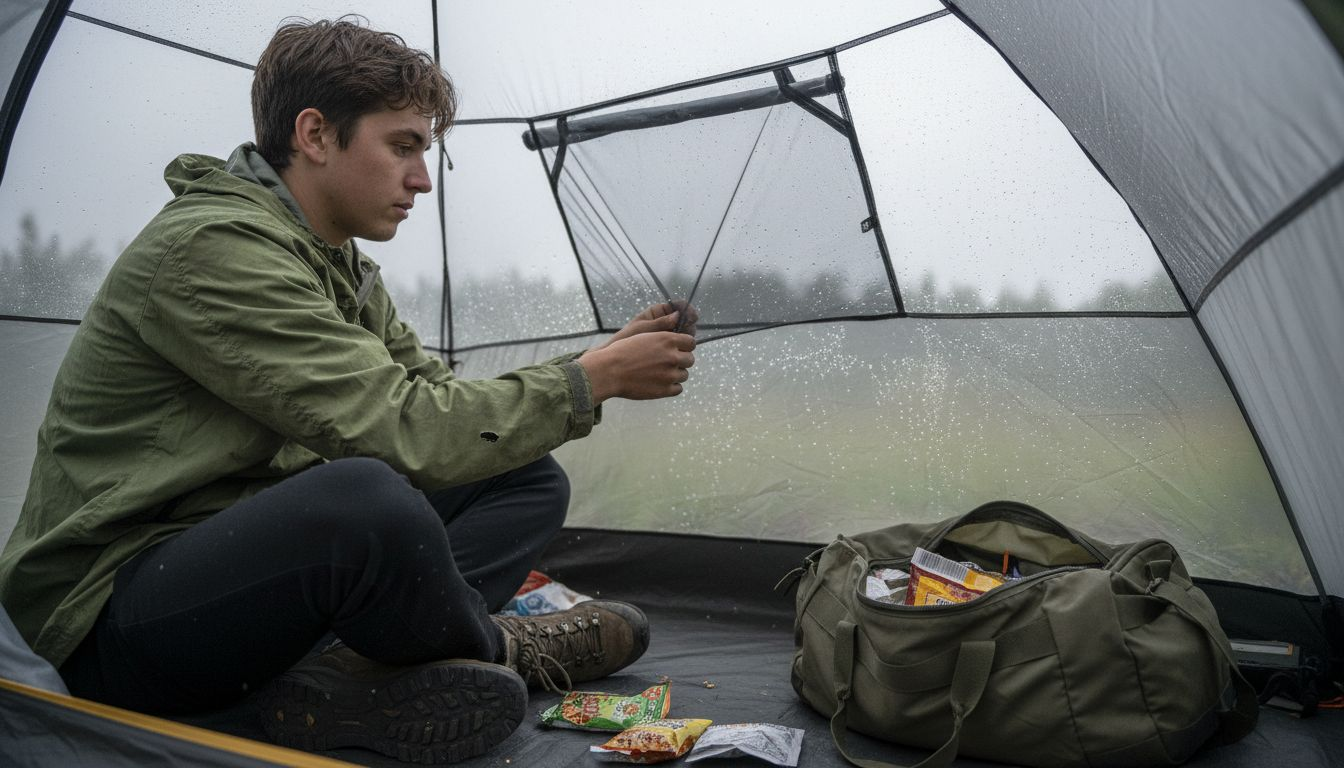
Safety enhancements in double-walled tents extend beyond temperature regulation. The separate rainfly provides an additional protective barrier against rain, wind, and external debris. This design disperses water more effectively, reducing the risk of water penetration and keeping the interior sleeping area dry. The multiple attachment points and reinforced connections between inner and outer layers increase overall structural integrity, making these tents more resilient in challenging weather conditions like high winds, sudden storms, or unexpected temperature drops.
Pro Ventilation Tip: Position your tent with ventilation windows facing prevailing winds to maximize airflow and reduce internal condensation.
Pro Comfort Tip: Always pack a small towel to quickly wipe down interior tent walls if condensation appears, maintaining a dry and comfortable sleeping environment.
Weather Resistance and Ventilation Benefits
Double-walled tents represent a pinnacle of outdoor shelter engineering, offering unparalleled weather resistance and ventilation capabilities. Advanced tent design principles demonstrate how the unique dual-layer construction creates a sophisticated barrier against environmental challenges. The strategic separation between the inner tent and rainfly generates a microclimate that protects campers from wind, moisture, and temperature fluctuations.
The ventilation system in double-walled tents is particularly remarkable. Breathable mesh panels in the inner tent allow continuous air circulation, preventing moisture buildup and reducing the likelihood of condensation. This design actively manages internal humidity by creating natural airflow channels. When external temperatures drop, the air gap between layers acts as thermal insulation, trapping warm air and providing additional protection against cold weather conditions. Simultaneously, the outer rainfly deflects wind, rain, and external moisture, ensuring the interior remains dry and comfortable.
Weather resistance extends beyond basic protection. The multiple attachment points and reinforced connections between inner and outer layers create structural resilience. This engineering approach allows double-walled tents to withstand challenging environmental conditions, from sudden mountain storms to unexpected wind gusts. Strategically placed ventilation windows and adjustable rainfly configurations enable campers to customize their shelter's airflow and protection based on specific weather conditions, making these tents incredibly adaptable to changing outdoor environments.
Pro Ventilation Tip: Adjust your tent's ventilation windows periodically to maintain optimal airflow and prevent condensation, especially during temperature changes.
Pro Weather Protection Tip: Always check rainfly tension and connection points before setting up camp to ensure maximum weather resistance and structural integrity.
Comparing Double vs Single-Walled Tents
Understanding the fundamental differences between double and single-walled tents is crucial for selecting the right shelter for outdoor adventures. Camping gear selection reveals significant performance variations between these two tent designs. Single-walled tents feature a single layer of waterproof fabric, while double-walled tents incorporate two distinct layers that fundamentally transform moisture management, temperature regulation, and overall comfort.
Single-walled tents are typically lighter and more compact, making them attractive for ultralight backpackers and minimalist hikers. However, they suffer from critical limitations in ventilation and condensation control. Moisture from breathing and environmental conditions quickly accumulates on the tent's interior, creating a damp and uncomfortable sleeping environment. Double-walled tents solve this problem through their innovative two-layer design, which creates an air gap that actively manages internal humidity, prevents direct moisture contact, and provides superior thermal insulation.
The performance differences become most apparent in challenging weather conditions. Single-walled tents struggle with temperature extremes and moisture management, often resulting in uncomfortable and potentially dangerous camping experiences. Double-walled tents excel in versatility, offering enhanced wind resistance, better temperature regulation, and the ability to adapt to rapidly changing outdoor environments. The outer rainfly provides an additional protective barrier against rain, snow, and wind, while the breathable inner tent allows continuous air circulation, effectively preventing condensation and maintaining a comfortable internal microclimate.
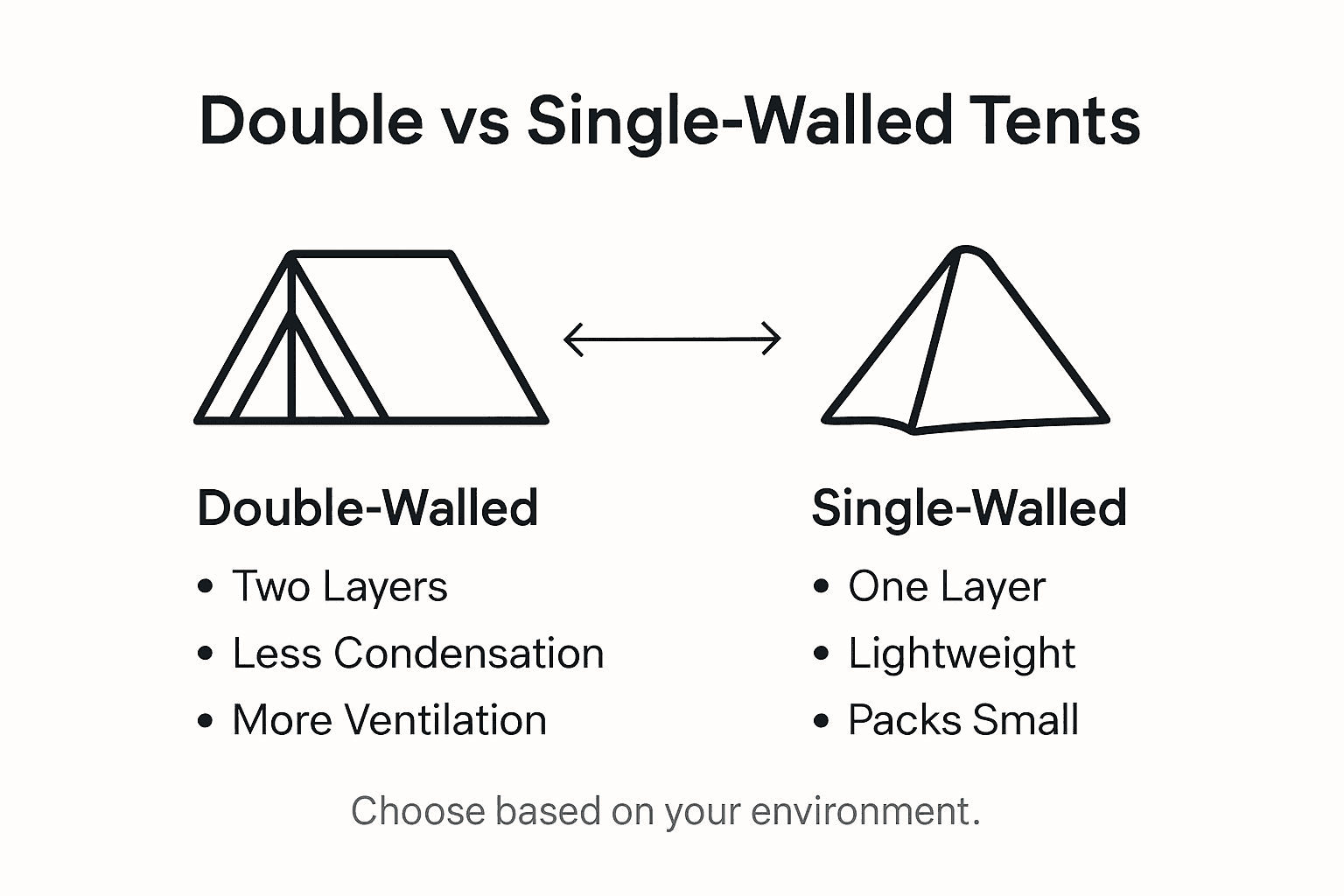
This summary highlights major performance differences between tent wall designs:
| Feature | Double-Walled Tent | Single-Walled Tent |
|---|---|---|
| Ventilation | Excellent, with mesh and air gap | Limited, prone to condensation |
| Weight | Moderate to high, varies by size | Lightweight, minimalist build |
| Weather Resistance | Superior, separate rainfly | Good if dry, struggles in rain |
| Condensation Control | Highly effective | Often problematic |
Pro Tent Selection Tip: Always prioritize tent design based on your specific camping environment, considering factors like expected temperature range, humidity levels, and potential weather challenges.
Pro Comfort Tip: When comparing tent types, test the ventilation features and assess the tent's ability to manage internal moisture before making a final purchase decision.
Common Mistakes When Choosing a Double-Walled Tent
Selecting the right double-walled tent requires careful consideration and avoiding common pitfalls that can compromise your outdoor experience. Weatherproof tent selection highlights critical factors that many campers overlook when investing in their outdoor shelter. Inexperienced buyers often make rushed decisions based on superficial characteristics like price or appearance, neglecting essential performance factors that determine a tent's actual utility and comfort.
One of the most frequent mistakes campers make is disregarding ventilation requirements. Many individuals choose double-walled tents without thoroughly assessing their inner mesh panel quality and rainfly ventilation options. Inadequate airflow leads to significant condensation buildup, creating a damp and uncomfortable sleeping environment. Buyers should carefully examine the tent's ventilation windows, mesh panel design, and overall airflow configuration. Some campers mistakenly prioritize weight over proper ventilation, selecting ultralight models that sacrifice critical breathability features essential for managing internal moisture and temperature regulation.
Another critical error involves neglecting the specific environmental conditions where the tent will be used. Double-walled tents are not universal solutions, and their performance varies dramatically across different terrains and climates. Coastal environments with high humidity require different tent characteristics compared to dry mountain regions or dense forest settings. Campers frequently fail to match their tent's design characteristics with their intended camping environment, leading to potential disappointment and reduced shelter effectiveness. Factors like pole strength, fabric waterproofing ratings, and seam construction become crucial when confronting varied weather challenges.
Pro Tent Selection Tip: Always test your tent's ventilation features in controlled environments before embarking on extended camping trips to understand its real-world performance.
Pro Preparation Tip: Create a detailed checklist of your specific camping environment requirements before purchasing a double-walled tent, ensuring you select a model perfectly matched to your outdoor needs.
Discover the Comfort and Safety of Double-Walled Tents with Life Camp Adventure
If you've ever struggled with condensation, poor ventilation, or unreliable weather protection while camping learning about double-walled tents is a game changer. These tents offer a breathable inner layer paired with a waterproof rainfly that keeps you dry and comfortable in any condition. At Life Camp Adventure we understand how crucial it is to have gear that boosts your confidence outdoors whether you are tackling cold mountain nights or humid forest campsites.

Explore our carefully selected collection of camping equipment designed to match the smart design of double-walled tents. From durable rainflies to lightweight tent options our products help you tackle moisture management and weather resistance like a pro. Don’t let poor gear ruin your adventure. Visit Life Camp Adventure today to find reliable solutions and elevate your camping comfort and safety with expert-approved gear. Your next trip deserves the best shelter experience.
Frequently Asked Questions
What is a double-walled tent?
A double-walled tent consists of two layers: a breathable inner tent and a waterproof rainfly. This design enhances comfort and protection by managing ventilation and moisture more effectively than single-walled tents.
How does a double-walled tent improve ventilation and condensation control?
The inner layer of a double-walled tent allows air circulation, while the air gap between the inner tent and rainfly helps manage humidity and temperature. This setup reduces condensation buildup, keeping the interior dry and comfortable.
What are the advantages of using a double-walled tent for different camping environments?
Double-walled tents offer enhanced weather resistance, temperature regulation, and ventilation, making them suitable for various settings, including backpacking, family camping, and extreme conditions. They effectively adapt to changing weather by providing protection from wind, rain, and temperature fluctuations.
Why is it important to consider ventilation when choosing a double-walled tent?
Adequate ventilation is crucial in double-walled tents to minimize condensation and maintain a comfortable internal environment. Choosing a tent with good airflow features helps prevent dampness, ensuring a pleasant camping experience.
