What Is Car Camping and Why It Matters
Over half of American campers say they prefer the comfort and flexibility of car camping compared to traditional tent camping. This growing trend offers adventure seekers an accessible way to enjoy the outdoors without giving up familiar conveniences. With myths about safety and environmental impact swirling around car camping, understanding the real facts can help you make smarter choices for your next outdoor getaway.
Table of Contents
- Car Camping Defined And Common Myths
- Major Types Of Car Camping Explored
- Essential Gear And Comfort Strategies
- Safety Regulations And Legal Restrictions
- Car Camping Versus Other Outdoor Styles
Key Takeaways
| Point | Details |
|---|---|
| Car Camping Overview | Car camping combines transportation and accommodation by allowing travelers to set up camp directly at their destination using their vehicle as a basecamp. |
| Myths and Misconceptions | Common myths suggest car camping is environmentally harmful, but modern setups often utilize eco-friendly technologies and prioritize safety. |
| Diverse Camping Styles | Car camping encompasses various styles, including campervans, teardrop trailers, and rooftop tents, offering options for different preferences and experiences. |
| Legal Considerations | Understanding local regulations related to vehicle modifications, camping restrictions, and safety standards is essential for a hassle-free car camping experience. |
Car Camping Defined and Common Myths
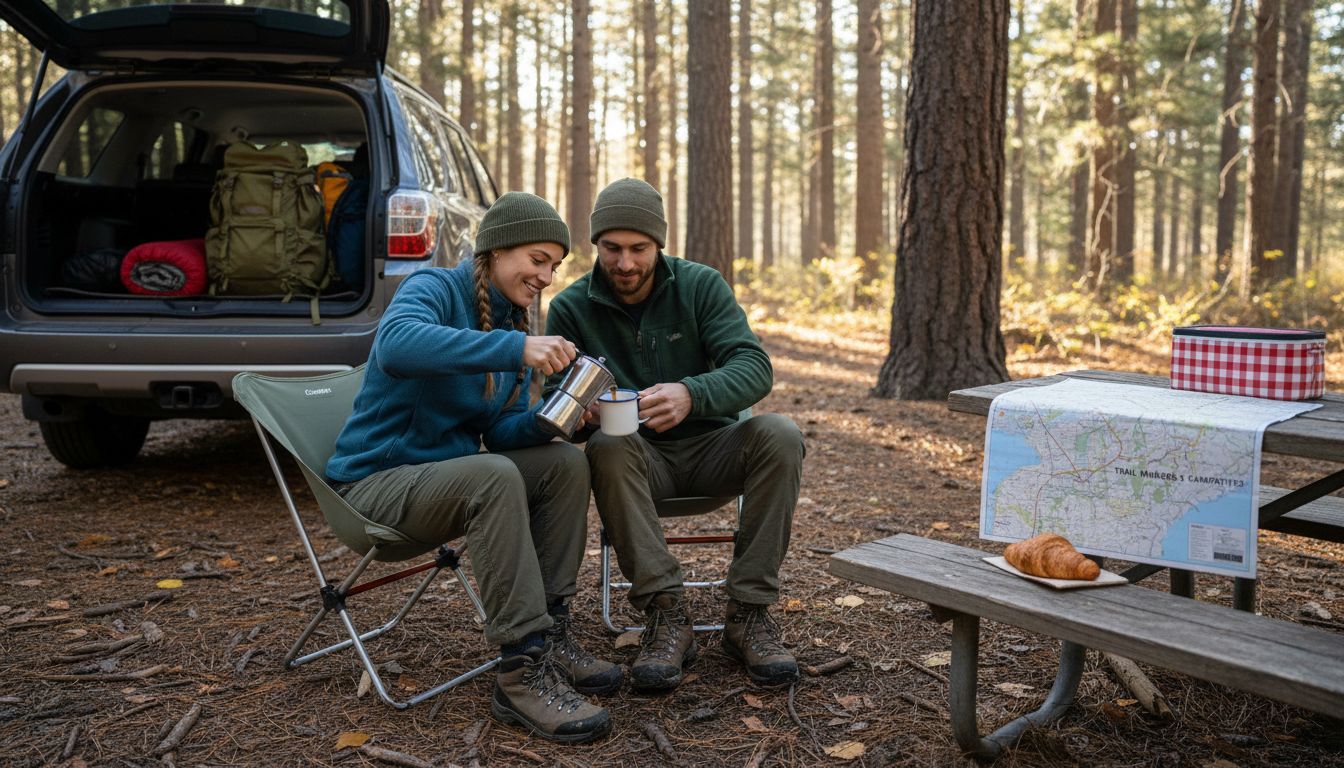
Car camping is a versatile outdoor adventure style that allows travelers to combine transportation and accommodation into one seamless experience. Unlike traditional backpacking, car camping means driving directly to your campsite and using your vehicle as a basecamp, storage unit, and potential sleeping space.
At its core, car camping involves driving to a designated campsite with more substantial gear and comfort options. This approach differs dramatically from backcountry or hiking-based camping, where every ounce of equipment must be carefully carried. With car camping, outdoor enthusiasts can bring larger tents, more cooking equipment, comfortable chairs, coolers filled with fresh food, and other amenities that would be impractical to transport on foot.
Despite its growing popularity, several persistent myths surround car camping. Many people mistakenly believe that car camping is environmentally harmful or unsafe. However, modern campers are increasingly conscious of their ecological footprint, with many campervans and camping setups now featuring eco-friendly technologies and advanced safety features. Contemporary campervans have evolved to address previous environmental and safety concerns.
Key aspects that make car camping appealing include:
- Accessibility for beginners and families
- Greater comfort and convenience compared to backpacking
- Ability to bring more comprehensive gear and supplies
- Flexibility in campsite selection
- Lower physical barriers to entry for outdoor exploration
By understanding what car camping truly entails, outdoor enthusiasts can embrace this adaptable and enjoyable way of experiencing nature without unnecessary complications or misconceptions.
Major Types of Car Camping Explored
Car camping encompasses several distinct approaches that cater to different preferences, comfort levels, and outdoor experiences. These variations allow adventurers to choose a style that best matches their travel goals, vehicle type, and personal camping philosophy.
Campervans represent one of the most versatile car camping options. These self-contained vehicles combine transportation and sleeping accommodations, ranging from basic models with minimal amenities to fully equipped mobile homes. Campervans offer travelers maximum flexibility, allowing them to sleep, cook, and travel in the same compact space.

Another popular car camping style involves teardrop trailers. These compact, lightweight caravans feature a distinctive streamlined shape that provides sleeping space for two adults and typically includes a basic rear kitchen setup. Teardrop trailers are particularly appealing for solo travelers and couples who want a lightweight, aerodynamic camping solution that can be easily towed by smaller vehicles.
The main types of car camping include:
- Standard Vehicle Camping (sleeping inside or next to your car)
- Campervan Camping
- Teardrop Trailer Camping
- Rooftop Tent Camping
- Converted Van Camping
- SUV and Minivan Camping
Each type offers unique advantages, from compact and minimalist setups to more elaborate mobile living spaces. How to Plan a Camping Trip for Stress-Free Adventure can provide additional insights into selecting the right approach for your outdoor journey.
Understanding these diverse car camping styles helps outdoor enthusiasts choose the most suitable option for their adventure, budget, and comfort level. Whether you prefer a minimalist approach or a fully equipped mobile home, there's a car camping style that can transform your travel experience.
Essential Gear and Comfort Strategies
Car camping transforms outdoor adventures by enabling travelers to bring comprehensive gear and create comfortable mobile living spaces. The key to a successful car camping experience lies in strategic equipment selection and intelligent space management.
Sleeping Solutions play a critical role in car camping comfort. Roof tents offer an innovative elevated sleeping option mounted directly on vehicles, providing campers with safe, off-ground accommodations that free up interior vehicle space. These elevated platforms protect against ground-level wildlife, moisture, and uneven terrain while delivering a unique perspective on your camping environment.
Popup campers represent another versatile sleeping and living configuration, offering collapsible designs that maximize storage efficiency during transport and expand into comfortable living spaces when deployed. These adaptable units provide car campers with flexible accommodation options that can be easily towed and quickly set up at various campsites.
Essential car camping gear includes:
- Compact, multi-purpose cooking equipment
- Portable power stations and battery packs
- Insulated storage containers and coolers
- Modular storage solutions
- Comfortable sleeping bags and compact mattresses
- Lightweight, packable chairs
- Multipurpose lighting options
When preparing for car camping, focus on gear that offers multiple functions, compact storage, and durability. 7 Essential Family Camping Tips for Safe Outdoor Fun can provide additional insights into creating a comfortable and safe camping experience.
Successful car camping is about balancing comfort, practicality, and mobility. By investing in versatile gear and planning your space strategically, you can transform your vehicle into a comfortable mobile basecamp that enhances your outdoor adventures.
Safety Regulations and Legal Restrictions
Car camping requires careful navigation of complex legal and safety regulations that vary significantly across different regions and jurisdictions. Understanding these requirements is crucial for responsible and hassle-free outdoor adventures.
Motorhomes represent a unique category of recreational vehicles subject to specific safety standards and comprehensive regulatory frameworks. These self-propelled vehicles must comply with stringent transportation regulations, including weight restrictions, licensing requirements, and specific driving guidelines that differ from standard passenger vehicles.
Camper shell modifications also fall under strict vehicle alteration laws, requiring careful consideration of local regulations regarding vehicle height, weight distribution, and structural modifications. Vehicle owners must ensure that any additions to their vehicle meet safety standards and do not compromise the vehicle's overall structural integrity or performance.
Key legal considerations for car camping include:
- Specific vehicle weight and size restrictions
- Parking and overnight camping regulations
- Vehicle modification laws
- Insurance requirements for modified vehicles
- State and national park camping restrictions
- Border crossing regulations for recreational vehicles
- Commercial versus personal vehicle classification
How to Plan a Camping Trip for Stress-Free Adventure can provide additional guidance on navigating these complex legal landscapes. Car campers should always research local regulations, obtain necessary permits, and ensure their vehicle meets all safety and legal requirements before embarking on their adventure.
Ultimately, successful car camping hinges on thorough preparation, understanding local regulations, and maintaining a proactive approach to safety and legal compliance. By staying informed and respectful of established guidelines, outdoor enthusiasts can enjoy their adventures with peace of mind and minimize potential legal complications.
Car Camping Versus Other Outdoor Styles
Car camping represents a unique approach to outdoor adventures that bridges the gap between traditional camping methods and more luxurious travel styles. Unlike other outdoor experiences, car camping offers unprecedented flexibility and comfort for adventurers seeking convenience and mobility.
Campervans provide a mobile camping experience with built-in amenities, dramatically contrasting with traditional tent camping that requires extensive setup and teardown. Where backpackers might spend hours establishing a campsite, car campers can quickly transform their vehicle into a comfortable living space, complete with sleeping areas, storage, and basic cooking facilities.
Teardrop trailers offer a compact and efficient camping solution that differs significantly from larger recreational vehicles. These lightweight trailers provide basic accommodations while maintaining mobility and ease of use, making them an attractive option for travelers who want more comfort than tent camping but less bulk than full-sized motorhomes.
Key differences between car camping and alternative outdoor styles include:
- Setup Time: Car camping requires minimal site preparation
- Comfort Level: More amenities compared to backpacking
- Mobility: Easier transportation of gear and sleeping quarters
- Cost: Generally more affordable than RV or resort-based travel
- Accessibility: Suitable for wider range of skill levels and physical capabilities
8 Smart Budget Camping Essentials for Every Outdoor Trip can help adventurers understand how to maximize their camping experience across different styles.
Ultimately, car camping represents a versatile middle ground between minimalist backpacking and expensive recreational vehicle travel. By offering comfort, convenience, and accessibility, this approach democratizes outdoor experiences for adventurers of all backgrounds and skill levels.
Gear Up for Your Next Car Camping Adventure with Confidence
Car camping lets you enjoy nature's beauty without the hassle of carrying heavy gear or complex setups. If you want to maximize comfort, convenience, and safety on your trip remember the article's emphasis on versatile sleeping solutions, smart gear choices, and understanding safety regulations. These challenges are solved when you have the right equipment designed specifically for car camping.
Discover high-quality camping essentials crafted for durability and ease of use at Life Camp Adventure. Our gear supports everything from rooftop tents to portable cooking setups ensuring your vehicle becomes a mobile basecamp you can rely on. Start your journey today and explore our expert advice on How to Plan a Camping Trip for Stress-Free Adventure to prepare with confidence. Visit Life Camp Adventure and transform how you experience the outdoors now.
Frequently Asked Questions
What is car camping?
Car camping is a style of camping that involves driving to a designated campsite with gear and supplies stored in your vehicle, allowing for greater comfort and convenience compared to traditional backpacking.
What are the advantages of car camping?
Car camping offers several benefits, including easy accessibility for beginners and families, the ability to bring more gear, greater comfort and convenience, flexibility in campsite selection, and lower physical barriers for outdoor exploration.
What types of vehicles are best for car camping?
Common vehicle types for car camping include campervans, SUVs, minivans, and vehicles that can accommodate rooftop tents or teardrop trailers. Each option offers unique advantages based on comfort level and mobility.
How can I optimize my vehicle for a comfortable car camping experience?
To enhance comfort while car camping, invest in versatile gear such as compact cooking equipment, portable power stations, insulated coolers, comfortable sleeping bags, and modular storage solutions that maximize space and functionality.
