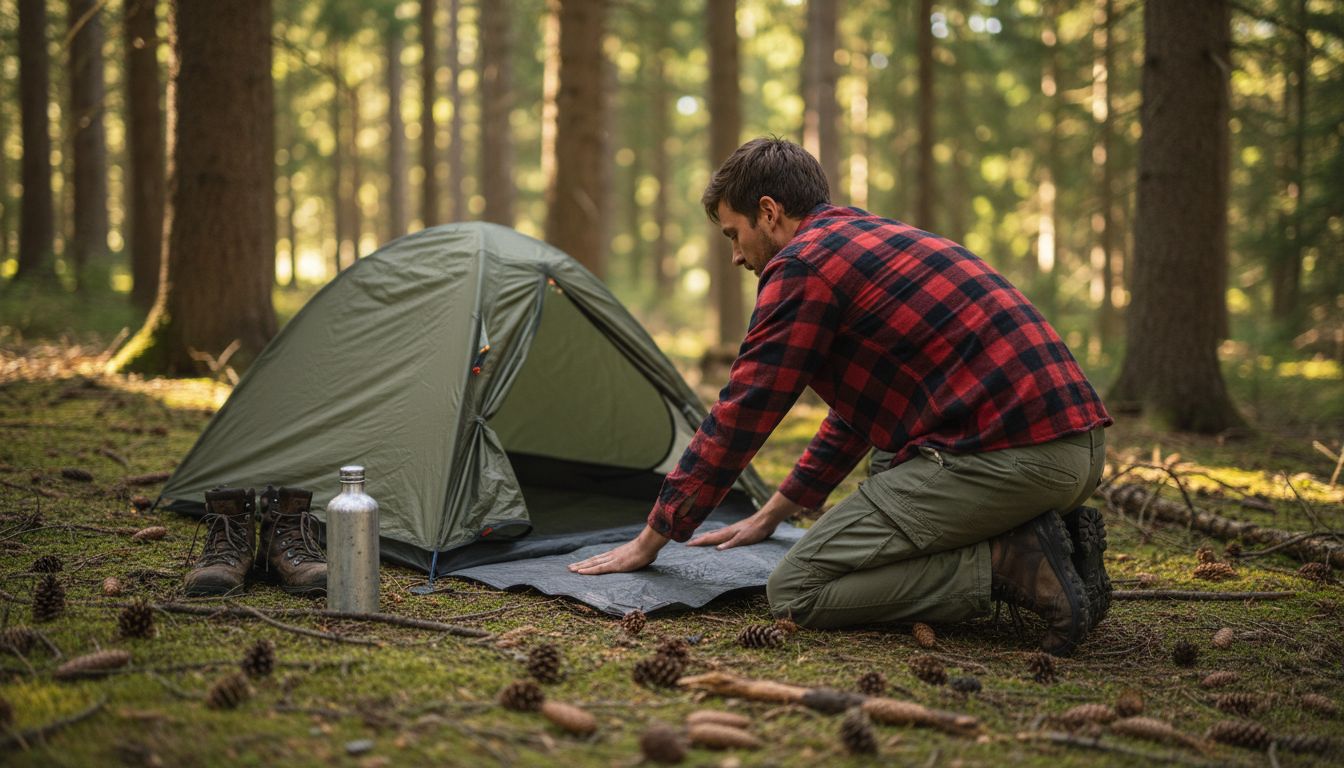
Camp Footprint: Protecting Nature and Gear Outdoors
Over 75 percent of American campers say protecting the environment is their top priority when choosing outdoor gear. With each camping trip, even a simple tent setup can leave a mark on the landscape if not done thoughtfully. Understanding the concept of a camp footprint goes beyond equipment care—it is about preserving the places American adventurers love. This guide explains how your choices can safeguard both your gear and the natural beauty of every destination.
Key Takeaways
| Point | Details |
|---|---|
| Understanding Camp Footprint | A camp footprint is essential for protecting your tent while minimizing environmental impact during camping. It prevents moisture and damage to both your gear and the surrounding ecosystem. |
| Material Choices | Selecting the right material is crucial; lightweight synthetic options like silnylon are great for backpacking, while thicker materials serve better for rugged terrain. |
| Proper Usage and Placement | Ensure your camp footprint matches your tent size and is laid flat to avoid water pooling and maximize its protective functions. |
| Environmental Responsibility | Using a camp footprint helps protect natural landscapes and extends the life of camping gear, contributing to sustainable outdoor practices and conservation efforts. |
Defining a Camp Footprint and Its Purpose
A camp footprint represents the physical and environmental impact a camper creates when setting up their outdoor living space. More than just a piece of protective gear, it serves as a critical tool for minimizing damage to natural landscapes and preserving the delicate ecosystems we explore. Understanding your camp footprint means recognizing how every camping decision affects the surrounding environment.
At its core, a camp footprint is a protective ground cloth designed to shield your tent's base from wear, moisture, and potential punctures. Tent protection experts recommend using a dedicated ground cloth to extend the lifespan of your camping equipment. These specialized protective layers create a barrier between your tent and the ground, preventing direct contact with rocks, sticks, and damp surfaces that could cause premature fabric deterioration.
Campers need to understand that a camp footprint serves multiple crucial functions beyond equipment protection. It helps minimize soil compaction, prevents unnecessary vegetation damage, and reduces the overall environmental impact of your outdoor adventure. By carefully selecting and positioning your camp footprint, you can help maintain the natural integrity of wilderness areas while ensuring your own comfort and gear durability. When selecting a campsite, look for durable surfaces like rock, gravel, or established campsites to further reduce your environmental footprint.
Pro Camping Conservation Tip: Always practice the Leave No Trace principles by selecting durable surfaces, keeping your camping area compact, and removing all traces of your presence when you depart. Your mindful approach protects wilderness areas for future generations of outdoor enthusiasts.
Types of Camp Footprints and Materials Used
Camp footprints come in various materials and designs, each tailored to specific outdoor environments and camping needs. The primary goal is always protection - shielding your tent from ground moisture, sharp objects, and potential wear while minimizing environmental impact. Understanding these different materials helps campers make informed choices about their outdoor gear.
Synthetic materials dominate the camp footprint landscape, with silnylon emerging as a popular lightweight option. This innovative fabric combines thin woven nylon with liquid silicone, creating an incredibly strong, waterproof material perfect for outdoor applications. Silnylon offers exceptional advantages for backpackers and wilderness travelers, providing robust protection without adding significant weight to their gear. Other common synthetic materials include polyethylene, which offers excellent durability and water resistance, and custom-engineered fabrics designed specifically for rugged terrain.
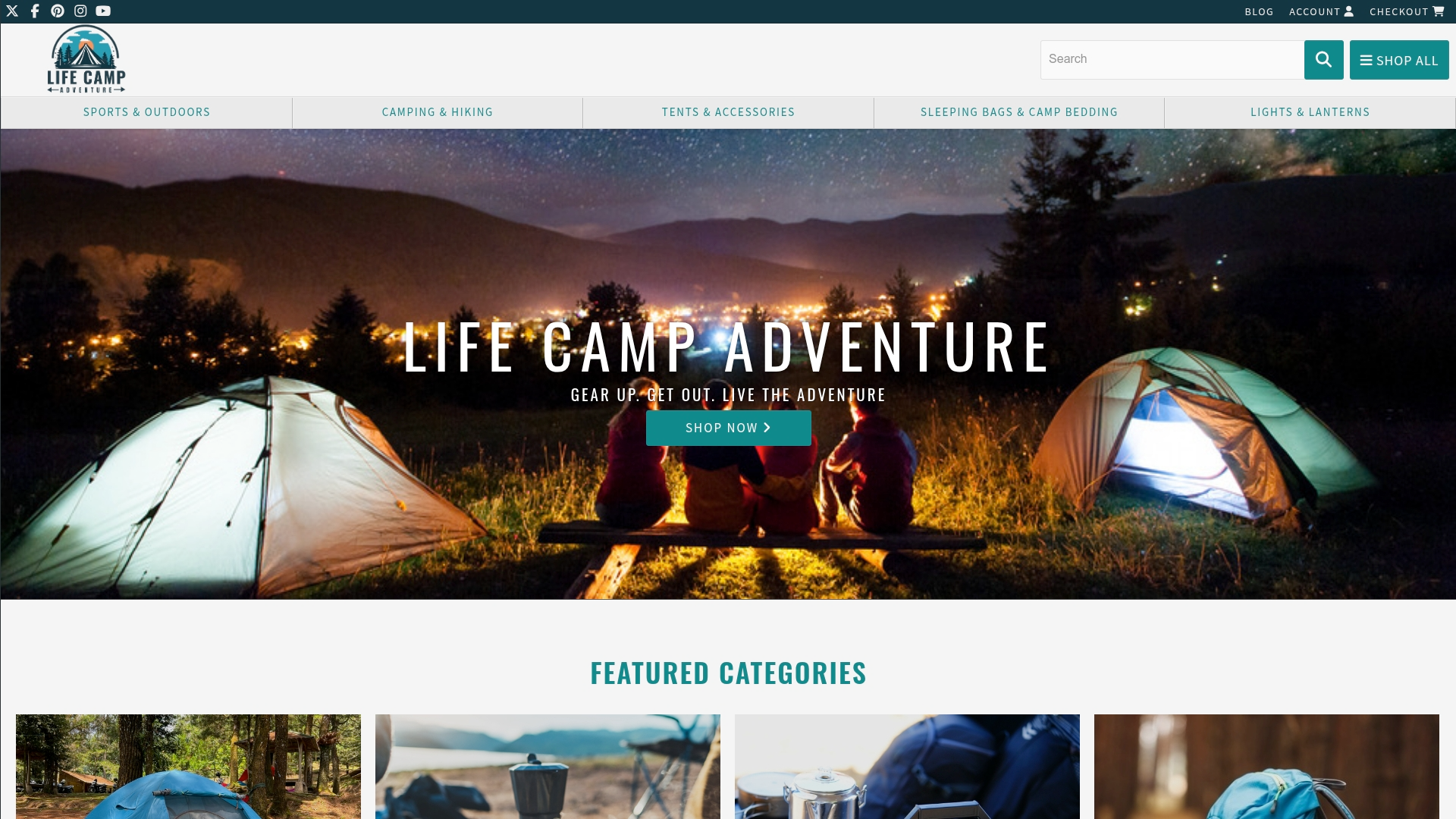
The market offers several distinct types of camp footprints, each serving unique purposes. Ultralight footprints work perfectly for minimalist backpackers, while heavy-duty options suit car camping and base camp scenarios. Some footprints are custom-designed for specific tent models, ensuring precise fit and maximum ground protection. Camping shelter experts recommend selecting a footprint that matches your tent's dimensions to prevent water pooling and potential damage. Material thickness typically ranges from 0.5 to 2 millimeters, with thinner options prioritizing weight savings and thicker versions offering enhanced ground protection.
Pro Camping Gear Selection Tip: Always match your footprint material to your specific camping environment. Lightweight silnylon works best for backpacking, while thicker polyethylene serves rugged terrain better. Prioritize durability, water resistance, and weight when making your selection.
How a Camp Footprint Works in the Field
In the dynamic environment of outdoor camping, a camp footprint serves as a critical protective barrier between your tent and the unpredictable ground surface. Its primary function is creating a strategic shield that prevents moisture, sharp objects, and terrain irregularities from compromising your tent's structural integrity and longevity. Family camping experts recommend understanding how footprints interact with different terrain types to maximize their protective capabilities.
The practical mechanics of a camp footprint involve several key protective strategies. When properly positioned, the footprint extends slightly beyond the tent's perimeter, creating a water-resistant barrier that prevents ground moisture from seeping into the tent floor. This extra margin redirects water away from the tent's base, keeping the interior dry and preventing potential damage. Some advanced footprints feature welded seams and waterproof coatings that enhance their ability to repel moisture and resist punctures from rocks, sticks, and other ground-level hazards.
Deploying a camp footprint requires careful technique and strategic placement. Campers should first clear the selected area of debris, removing sharp rocks, sticks, and uneven surfaces that could potentially damage the footprint or tent. The footprint should be laid flat and smooth, with minimal wrinkles or folds that could trap water or create uneven contact points. During setup, ensure the footprint's dimensions precisely match your tent's bottom, preventing water from pooling between the footprint and tent floor. Some experienced campers recommend tucking the footprint's edges underneath the tent to create a seamless protective layer that prevents water from sliding underneath.
Pro Terrain Protection Tip: Always inspect your campsite before laying down your footprint. Remove potential puncture points like sharp rocks or sticks, and choose a slightly elevated area that allows natural water drainage. This simple preparation can significantly extend both your footprint and tent's operational lifespan.
Comparing Camp Footprints to Alternatives
While dedicated camp footprints represent a specialized piece of camping gear, outdoor enthusiasts have several alternative protective options for their tent's base. Outdoor protection experts highlight the nuanced differences between various ground coverage methods that can significantly impact camping comfort and equipment longevity. Understanding these alternatives helps campers make informed decisions about ground protection strategies.
Traditional alternatives like tarps and groundsheets offer different levels of protection compared to purpose-built camp footprints. Tarps provide broader coverage but often lack the precise fit and specialized material of dedicated footprints. Groundsheets made from basic plastic or lightweight materials can serve as budget-friendly alternatives, though they typically provide less durability and water resistance. Some backpackers opt for lightweight polycro or polycryo sheets, which offer minimal weight penalty but require careful handling to prevent tears or punctures.
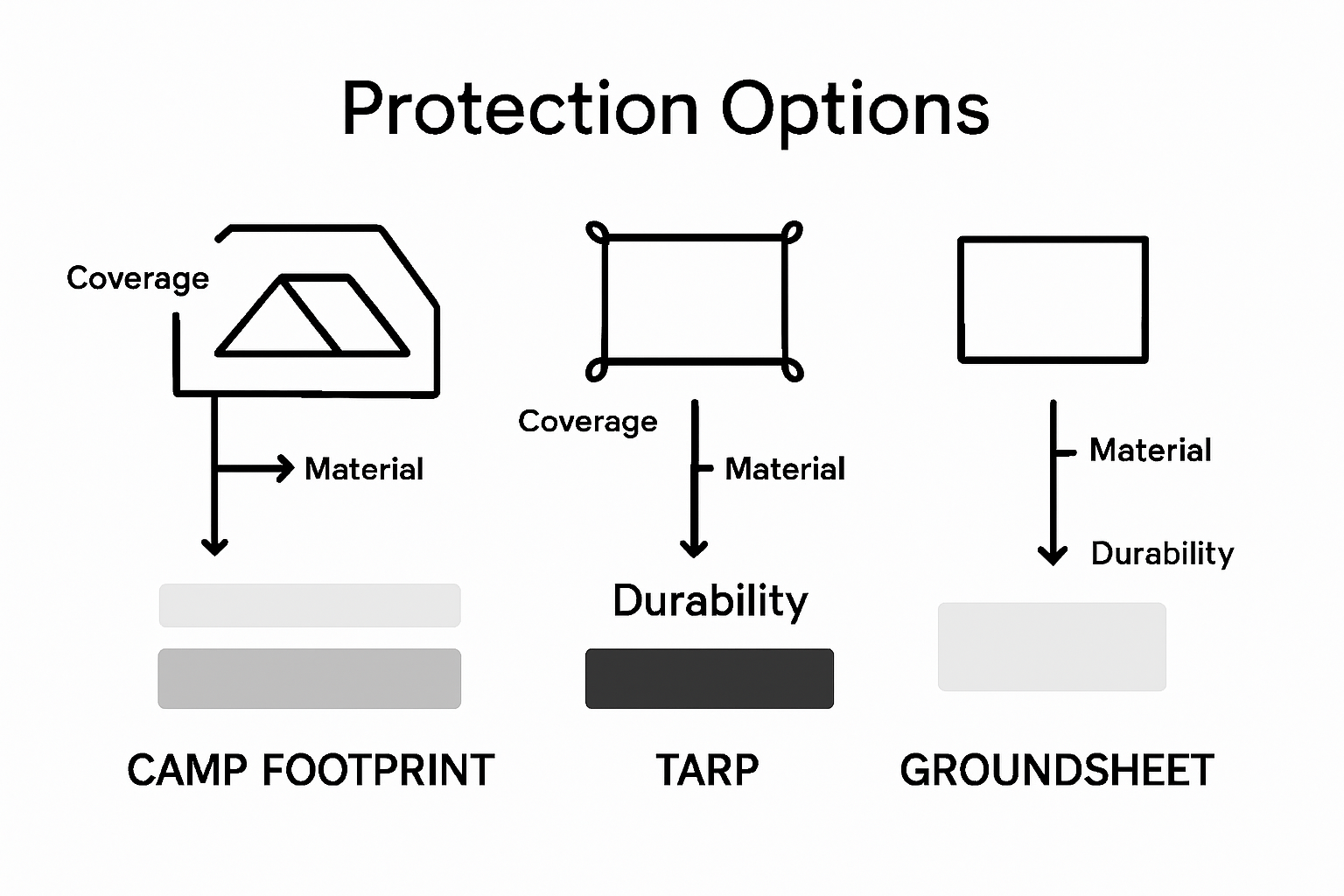
Each alternative comes with distinct advantages and limitations. Tarps can serve multiple purposes beyond tent protection, potentially acting as rain covers or emergency shelters. Groundsheets often cost less and can be easily replaced. However, these alternatives frequently compromise on key protection features like precise tent floor matching, moisture resistance, and puncture protection. Purpose-built camp footprints remain the most engineered solution, with custom sizing, reinforced materials, and specific design features that directly address tent base vulnerabilities.
Here's a comparison of common ground protection options for campers:
| Protection Option | Material & Weight | Coverage Precision | Durability & Reuse |
|---|---|---|---|
| Camp Footprint | Custom synthetic, light | Exact to tent size | High, multiple seasons |
| Tarp | Poly or nylon, variable | Often oversized or undersized | Moderate, multi-use |
| Groundsheet | Plastic or mylar, ultra-light | Inexact, cut to fit | Low, easy to replace |
| Polycro Sheet | Ultra-thin poly, minimal | Slightly smaller than tent | Moderate, handle with care |
Pro Gear Selection Tip: Always match your ground protection method to your specific camping environment and tent type. Ultralight backpackers might prefer minimalist solutions, while base camp travelers should invest in more robust, precisely fitted footprints for maximum equipment protection.
Costs, Sizing, and Common Usage Mistakes
Camp footprints represent a strategic investment in outdoor gear protection, with pricing and sizing varying widely based on specific camping needs. Tent footprint experts note that two-person backpacking tent footprints typically range between $30 to $60 and weigh approximately 5 to 10 ounces, making them a relatively affordable and lightweight addition to camping equipment. Serious outdoor enthusiasts understand that the upfront cost can save significant money by preventing tent floor damage and extending equipment lifespan.
Sizing represents a critical factor in footprint selection and usage. Campers must carefully match their footprint dimensions to their specific tent model, avoiding oversized options that can create water collection zones. Common sizing mistakes include selecting footprints that extend beyond the tent's perimeter, which can actually funnel water underneath the tent and compromise its waterproofing. Manufacturers typically offer footprints designed specifically for individual tent models, ensuring precise fit and optimal protection. When a custom-fit footprint isn't available, campers should select a footprint slightly smaller than the tent floor to prevent water accumulation.
Beyond sizing, users frequently make several usage errors that can diminish a footprint's effectiveness. Improper folding and storage can lead to material degradation, while failing to clean the footprint between trips can introduce dirt and potential abrasive particles that wear down the protective layer. Some campers mistakenly place the footprint with the wrong side facing up, reducing its water-resistant properties. Another frequent mistake involves using the footprint without first clearing the ground of sharp objects, which can puncture or tear the material despite its protective design.
Below is a summary of key camp footprint usage mistakes and best practices:
| Common Mistake | Potential Problem | Best Practice |
|---|---|---|
| Oversized footprint | Water pools under tent | Match or trim to tent size |
| Not clearing site | Fabric punctures, uneven base | Remove debris, level area |
| Incorrect storage | Mold, faster wear | Dry and fold after use |
| Wrong side up | Reduced water resistance | Follow manufacturer instructions |
Pro Gear Maintenance Tip: Always inspect your footprint for wear before each camping trip, store it completely dry to prevent mildew, and fold it carefully to maintain its structural integrity. A well-maintained footprint can provide years of reliable tent protection.
Environmental Impact and Responsible Camping
Responsible outdoor enthusiasts recognize that camping gear choices have profound environmental implications beyond immediate use. Sustainable camping practices demonstrate how protective gear like footprints can significantly reduce ecological impact by extending equipment lifespan and minimizing unnecessary waste. Each decision to protect and preserve camping equipment contributes to broader conservation efforts and reduces the overall environmental footprint of outdoor recreation.
Tent footprints play a critical role in minimizing ground disturbance and protecting delicate ecosystems. By creating a barrier between camping equipment and natural terrain, these protective layers prevent soil compaction, reduce vegetation damage, and limit direct impact on fragile ground surfaces. Conscientious campers understand that their temporary presence can have lasting consequences, making strategic gear choices essential for maintaining wilderness integrity. Selecting durable, reusable footprints made from sustainable materials further amplifies the environmental benefits of responsible camping practices.
Beyond physical protection, camp footprints embody a broader philosophy of environmental stewardship. They represent a proactive approach to gear maintenance that reduces consumption and waste. By extending the life of tents and camping equipment, outdoor enthusiasts can decrease their reliance on frequent replacements, ultimately reducing manufacturing demands and the associated carbon footprint. This approach aligns with principles of sustainable consumption, encouraging campers to view their gear as long-term investments in both personal comfort and environmental preservation.
Pro Conservation Tip: Choose camp footprints made from recycled or sustainable materials, and commit to proper maintenance that extends your gear's operational lifespan. Treat every camping trip as an opportunity to minimize your environmental impact while enjoying the natural world.
Protect Your Gear and Preserve Nature with the Right Camp Footprint
The challenge every camper faces is balancing equipment protection with environmental responsibility. This article highlights how a carefully chosen camp footprint not only shields your tent from moisture, sharp objects, and wear but also helps minimize soil compaction and vegetation damage. Key goals include selecting the right material and size, practicing careful campsite preparation, and committing to sustainable gear maintenance. Understanding concepts like matching the footprint to your tent size and choosing materials such as silnylon or polyethylene ensures your outdoor experience stays comfortable while being eco-friendly.
Elevate your camping setup with gear designed to protect both you and the environment. At Life Camp Adventure, we offer high-quality camping equipment that aligns with the Leave No Trace principles. Explore our selection of durable footprints and tents tailored for precise fit and maximum protection. Don’t wait until wear or poor campsite choices ruin your trip. Visit Life Camp Adventure now to equip yourself with reliable gear that keeps you comfortable and helps preserve the wilderness for future adventures.
Frequently Asked Questions
What is a camp footprint and what purpose does it serve?
A camp footprint is a protective ground cloth that minimizes the physical and environmental impact of your camping setup. It protects your tent from moisture, sharp objects, and wear while helping to preserve natural landscapes by reducing soil compaction and vegetation damage.
What materials are camp footprints made from?
Camp footprints are typically made from synthetic materials such as silnylon, polyethylene, or custom-engineered fabrics. Silnylon is popular for its lightweight and waterproof properties, making it ideal for backpackers. Thicker materials offer enhanced durability for rugged terrains.
How do I correctly use a camp footprint in the field?
To effectively use a camp footprint, clear the ground of sharp debris, lay the footprint flat with minimal wrinkles, and ensure it matches the dimensions of your tent. Position it slightly larger than the tent to create a barrier against moisture while preventing water pooling.
What are some common mistakes campers make with footprints?
Common mistakes include using oversized footprints that cause water pooling under the tent, failing to clear the ground before setup, incorrect storage that leads to wear, and using the wrong side up, which can reduce water resistance. Proper matching, cleaning, and storage practices can enhance footprint effectiveness.
