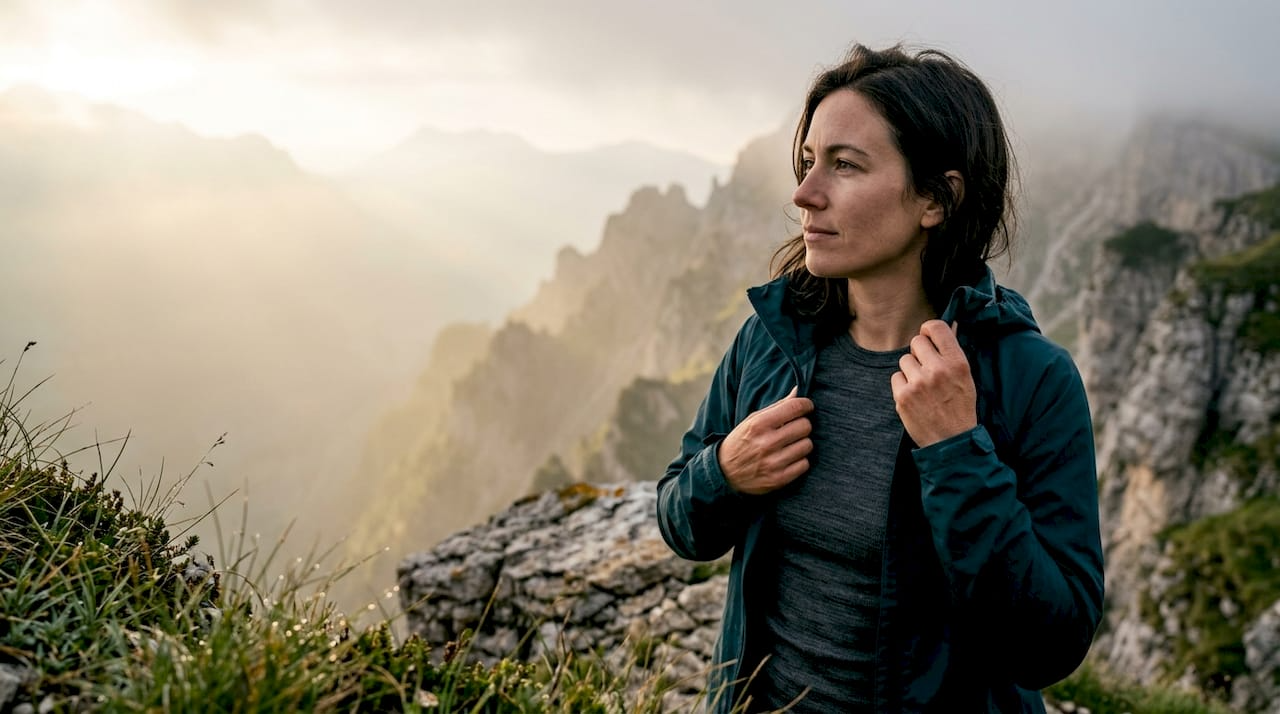
What is base layering and why it matters for outdoor comfort
A base layer is the first piece of clothing you put on, worn directly against your skin, and its primary job is moisture management, not warmth. That distinction trips up a lot of outdoor beginners. You pick a thick, cozy shirt thinking it will keep you warm, but if it traps sweat against your skin, you end up colder and more uncomfortable than if you had worn nothing at all.
Base layering, as a practice, means deliberately choosing and wearing that foundational garment as part of a structured clothing system. The layer pulls sweat away from your skin and moves it outward to the fabric surface, where it evaporates. Your skin stays dry. Your body regulates its own temperature far more efficiently. That process is called moisture wicking, and it is the entire point.
Here is what a well-chosen base layer actually does for you:
- Wicks sweat away from skin to the fabric surface for evaporation
- Prevents the clammy chill that comes from wet fabric sitting against your body
- Supports temperature regulation in both cold and warm conditions
- Forms the foundation of the three-layer outdoor clothing system
- Reduces hypothermia risk by keeping skin dry during cold or wet conditions
- Minimizes chafing through a close, second-skin fit
How moisture management works and why wet skin is dangerous
Wicking base layers prevent the clammy chill of sweat-soaked clothing, which is crucial for temperature regulation and comfort. When sweat stays on your skin, your body has to work harder to stay warm, and in cold conditions that extra effort can tip quickly into dangerous territory.Cotton is the classic example of what not to wear. It absorbs moisture like a sponge, holding dampness against your skin and stripping away insulation even on mild days. You can be hiking in 50°F weather, break a sweat on a climb, and feel genuinely cold within minutes of stopping if you are wearing a cotton shirt.
Synthetic fabrics like polyester and nylon, and natural fibers like merino wool, behave completely differently. Helly Hansen's LIFA® yarn technology, for example, is built around a fiber structure that moves moisture from skin to fabric surface actively, rather than absorbing it. The moisture evaporates from the outer surface while your skin stays dry. That is the mechanism behind every quality base layer, regardless of brand.
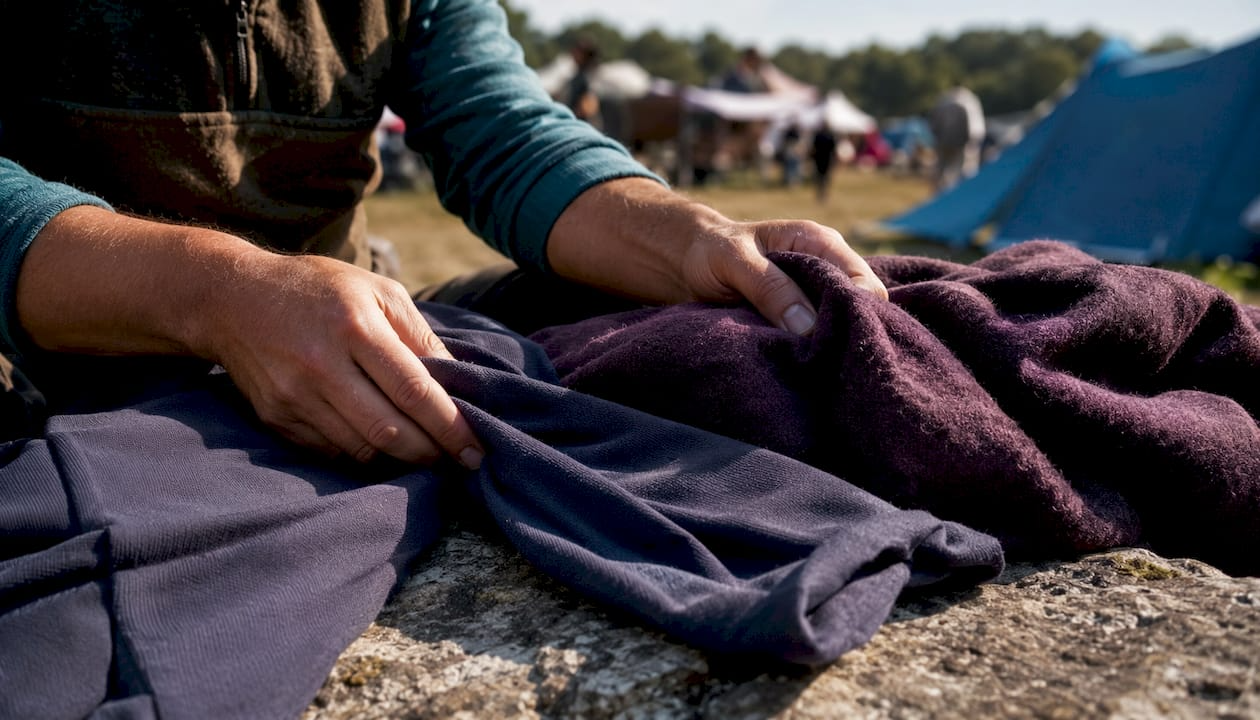
Wet clothing also loses its insulating properties fast. A soaked midlayer or shell cannot trap warm air effectively, which means a failed base layer undermines every other piece of clothing you are wearing. Getting the first layer right protects your entire system.
How to choose the right base layer for your outdoor adventures
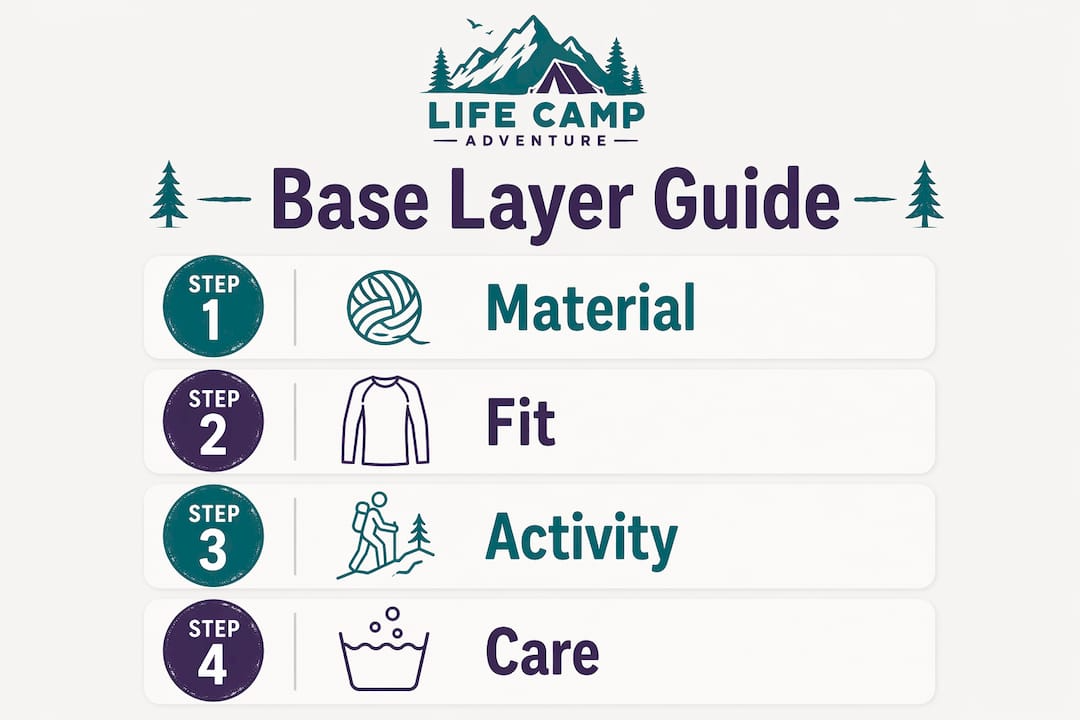
The right base layer depends on three things: the temperature, your activity intensity, and the material. Get those three aligned and you will be comfortable. Miss one and you will either overheat or end up cold and damp.
Weight categories:
- Lightweight: Best for high-output activities like trail running, fast hiking, or warm-weather adventures where breathability matters most
- Midweight: The most versatile option, suited for hiking, skiing, and shoulder-season conditions where you need both moisture control and some warmth
- Heavyweight: Reserved for cold, low-intensity activities like winter camping or expedition use where maximum warmth is the priority
Material options and what they offer:
- Merino wool: Naturally odor-resistant and soft, excellent for multi-day trips; regulates temperature across a wide range of conditions
- Synthetic (polyester, nylon, polypropylene): Dries faster than wool, highly breathable, and usually more affordable; best for high-output single-day activities
- Silk: Lightweight and smooth, works in mild conditions but offers less durability and moisture performance than wool or synthetics
- Bamboo: Soft and eco-friendly, though less common in technical outdoor gear
- Cotton: Avoid it entirely for outdoor use
REI's expert advice consistently points to merino wool and synthetics as the go-to materials for outdoor base layers, with the choice between them coming down to trip length and sweat output. For outdoor gear materials in general, the same principle applies: match the material to the conditions, not just to the price tag.
Pro Tip: A base layer must fit like a second skin. If it is loose, sweat pools in the gaps between fabric and skin instead of wicking away. Snug does not mean restrictive. You should be able to move freely, but the fabric should stay in contact with your body at all times.
Factors to weigh when choosing:
- Activity type and expected sweat output
- Temperature range and weather conditions
- Trip length (single day vs. multi-day)
- Skin sensitivity (merino is softer for sensitive skin)
- Budget (synthetics cost less; merino lasts longer with proper care)
How base layers fit into the outdoor layering system
The three-layer system is the standard framework for dressing effectively outdoors, and the base layer is its foundation. Each layer has a specific job, and they only work well together when each one does its job correctly.
The three layers:
- Base layer (moisture management): Sits against your skin, wicks sweat outward, and maintains a dry microclimate next to your body
- Midlayer (insulation): Fleece, down, or synthetic insulation that traps warm air close to your body; its effectiveness depends entirely on staying dry, which is why the base layer matters so much
- Outer shell (weather protection): Blocks wind, rain, and snow from reaching your inner layers
A good base layer is essential for the midlayer and outer shell to perform properly. If your base layer fails and sweat soaks through to your midlayer, the insulation loses its ability to trap warm air. The whole system breaks down from the inside out.
When each layer combination makes sense:
- Base only: Warm weather, high-output activities, or as a standalone layer on mild days
- Base + midlayer: Cool to cold conditions with moderate activity
- Base + midlayer + shell: Cold, wet, or windy conditions; winter hiking, skiing, or mountaineering
Understanding why layering works comes down to one principle: air trapped between layers insulates, and moisture moved away from skin keeps that insulation effective. The base layer makes that possible.
What should you wear under a base layer?
The short answer: nothing, if you can help it. Wearing extra clothing under a base layer impedes wicking, causing sweat to pool on your skin and reducing the base layer's performance entirely.
The base layer is designed to be the first thing touching your skin. Adding a cotton undershirt or regular underwear between your skin and the base layer defeats the whole purpose. The moisture-wicking fabric needs direct skin contact to function.
If you feel you need something underneath, the only acceptable option is a minimal, moisture-wicking undergarment made from synthetic or merino material. Even then, keep it as thin as possible.
Common mistakes to avoid:
- Wearing cotton underwear or a cotton undershirt beneath your base layer
- Layering a regular t-shirt under a base layer "for extra warmth"
- Choosing loose-fitting undergarments that bunch up and create friction
- Wearing compression gear that is not moisture-wicking under a base layer
For gym or fitness contexts, the same logic applies. Choosing the right gym clothing follows the same moisture-management principle: keep technical fabric against your skin and avoid cotton next to your body during any high-output activity.
Common misconceptions about base layers, debunked
The biggest myth is that base layers are primarily for warmth. They are not. Moisture regulation is the true core function, and keeping skin dry is what lets your body regulate its own temperature efficiently. Warmth is a byproduct of staying dry, not a direct feature of the fabric.
A base layer's main purpose is to transport moisture away from the body so you can stay warm and dry. Many users mistakenly select base layers for warming only, ignoring their moisture control function entirely. A loose fit undermines wicking by creating gaps where sweat accumulates and chills the skin. Base layers must fit snugly as a second skin for optimal performance.
Myths vs. facts:
- Myth: Cotton works fine for casual hikes. Fact: Cotton holds moisture against skin, causing rapid heat loss even in mild weather.
- Myth: A base layer is just thermal underwear. Fact: It is a performance garment engineered for moisture movement, not just coverage.
- Myth: Looser is more comfortable. Fact: A snug fit is critical; loose base layers hinder wicking and lead to clammy discomfort.
- Myth: You only need a base layer in winter. Fact: Base layers benefit any activity where you sweat, including warm-weather hiking and trail running.
Care and maintenance matter too. Merino wool base layers require specific handling: wash in cold water, use a wool-specific detergent, and avoid heat and agitation. Incorrect care causes shrinkage and destroys the fiber's moisture-wicking properties. Synthetics are more forgiving but should still be washed after every use, since oils and sweat degrade performance over time.
When are base layers most beneficial?
Base layers pay off most in situations where your body temperature and sweat output change rapidly, or where staying dry is a safety issue, not just a comfort one.
Cold-weather hiking and backpacking: Temperature swings between exertion and rest are dramatic. A base layer keeps you dry on the climb and prevents rapid chilling when you stop. For cold weather sports in general, a moisture-wicking base layer is the single most important piece of clothing you can wear.
Skiing and snowboarding: You generate serious heat on runs and cool down fast on lifts. A quality base layer manages that cycle all day without leaving you soaked.
Trail running: High sweat output in variable weather makes moisture management critical. Lightweight synthetics excel here because they dry almost instantly.
Winter camping: Low-intensity activity in cold conditions means you need a base layer that also provides some insulation. Heavyweight merino is the go-to choice.
Hunting and fishing: Long periods of stillness in cold or wet conditions make staying dry a genuine safety concern, not just a preference.
Everyday cold-weather wear: Base layers work under regular clothing too. A midweight merino top under a work shirt adds warmth without bulk and manages sweat during a commute or a busy day outdoors.
The essential role of layering applies across all of these scenarios. Whether you are on a technical alpine route or a weekend car-camping trip, a base layer is the piece of gear that makes everything else work better.
Ready to build a complete outdoor kit around your base layer? Lifecampadventure has the essential adventure gear you need to go further with confidence, from shelter to survival tools built for real conditions.

Key Takeaways
A base layer's core function is moisture management, not warmth: keeping skin dry is what lets your body regulate temperature and stay safe in changing outdoor conditions.
| Point | Details |
|---|---|
| Moisture management is the priority | Base layers wick sweat from skin to fabric surface for evaporation, preventing dangerous chilling. |
| Avoid cotton entirely | Cotton absorbs moisture and holds it against skin, reducing insulation and increasing chill risk. |
| Fit must be snug | A loose base layer creates gaps where sweat pools; second-skin contact is required for wicking to work. |
| Match weight to conditions | Lightweight suits high-output warm activities; midweight covers most conditions; heavyweight fits cold, low-intensity use. |
| Care preserves performance | Wash merino wool in cold water with wool-specific detergent; avoid heat and agitation to protect fiber quality. |
