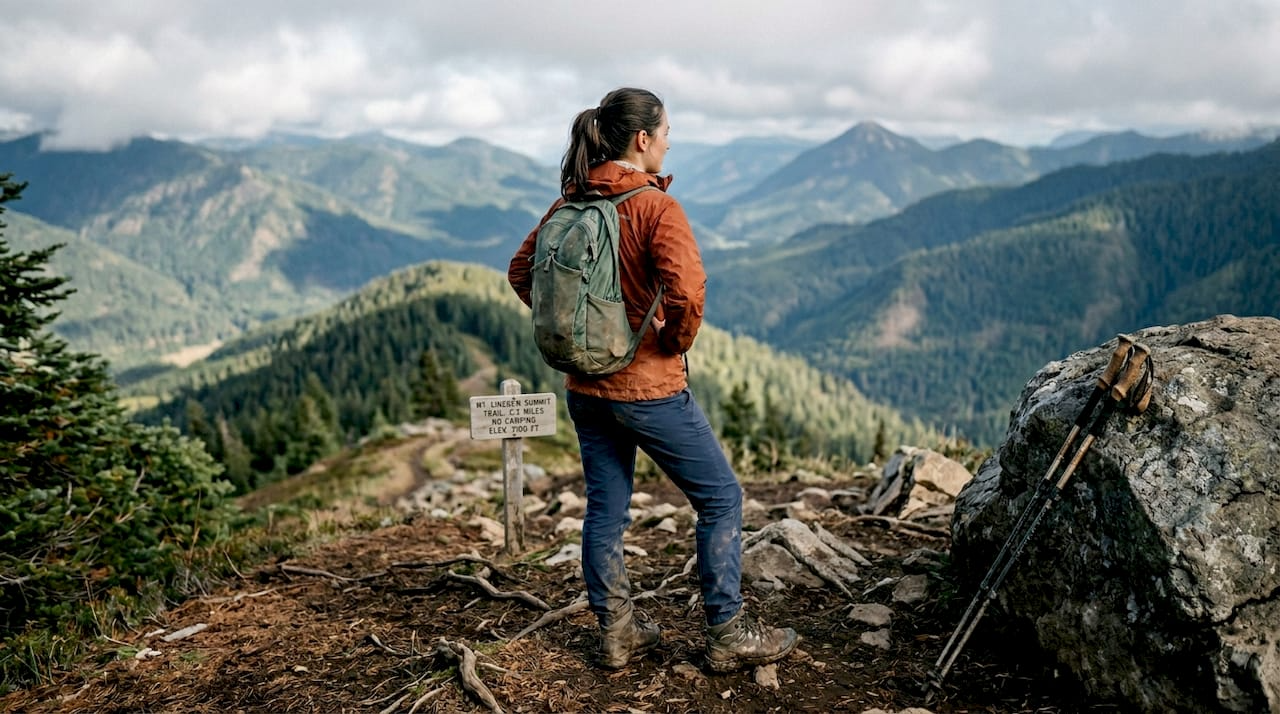
Most people think backcountry hiking is just camping farther from the parking lot. In reality, it's a completely different experience requiring distinct skills, gear, and mindset. Unlike frontcountry camping where you drive to a designated site with amenities, backcountry hiking means carrying everything you need into remote wilderness areas for days at a time. This guide breaks down what backcountry hiking truly involves, how to prepare properly, what gear you actually need, and how to stay safe while minimizing your environmental impact in wild spaces.
Key takeaways
| Point | Details |
|---|---|
| Self-supported wilderness travel | Backcountry hiking requires carrying all gear and supplies for multi-day trips in remote areas without facilities or road access |
| Planning and permits essential | Research routes, obtain required permits, check weather conditions, and share your detailed itinerary before departure |
| Specialized gear needed | Lightweight backpack, shelter, navigation tools, safety equipment, and cooking systems form your essential backcountry kit |
| Safety through preparation | Real risks include falls and weather exposure, mitigated through proper training, navigation skills, and emergency communication devices |
| Leave No Trace principles | Camp on durable surfaces 200 feet from water, pack out all waste, and minimize impact to preserve wilderness for future explorers |
What is backcountry hiking and how does it differ from other hiking styles?
Backcountry hiking involves self-supported travel into remote wilderness areas, typically multi-day, carrying all essentials on your back, away from roads, campgrounds, and amenities. You navigate using maps and compass, find your own campsites, and rely entirely on what you carry. There's no ranger station nearby, no bathroom facilities, and no emergency services within quick reach.Frontcountry camping provides a completely different experience. You drive directly to established campgrounds with designated sites, picnic tables, fire rings, and often running water or bathrooms. If you forget something, you can drive to town. Backcountry hiking eliminates all these conveniences, replacing them with solitude, challenge, and unfiltered wilderness immersion.
The self-reliance aspect separates backcountry hiking from casual outdoor recreation:
- Navigation skills become essential, not optional
- Every item you carry serves a critical purpose
- Weather changes demand immediate adaptation
- Medical emergencies require self-treatment until evacuation
- Food and water management directly impact your safety
Many newcomers worry most about wildlife encounters, but actual backcountry risks differ from perceived threats. Falls, hypothermia, and dehydration cause far more incidents than animal attacks. Understanding real hazards helps you prepare effectively rather than focusing energy on unlikely scenarios.
Backcountry hiking ranges from beginner overnight trips on established trails to extreme thru-hiking expeditions covering thousands of miles. Start small and build experience gradually.
Experience levels vary widely in backcountry settings. A novice might attempt a single overnight trip on a well-marked trail with a water source nearby. An expert thru-hiker tackles months-long journeys across entire mountain ranges, resupplying at remote trail towns. Both qualify as backcountry hiking, but the skill requirements differ dramatically.
Planning your backcountry hiking trip: routes, permits, and safety basics
Successful backcountry trips start with thorough planning weeks or months before departure. Route selection matters enormously for first-timers. Choose beginner-friendly trails covering 3-10 miles per day with moderate elevation gain, reliable water sources, and established campsites. Pushing too hard on early trips creates misery and discourages future adventures.
Permit requirements vary by location and season. Popular wilderness areas like those in national parks often require advance reservations, sometimes through competitive lottery systems. High-demand destinations fill months ahead, so research permit processes early. Some areas limit group sizes or restrict camping to designated zones, while others allow dispersed camping with fewer regulations.
Safety preparation involves multiple layers of protection. Share your detailed itinerary with someone reliable, including planned campsites, expected return time, and emergency contacts. Check weather forecasts and trail conditions within 48 hours of departure. Conditions change rapidly in mountains and remote areas, turning moderate trails into dangerous challenges.
Navigation tools form your lifeline in backcountry settings:
- Topographic maps showing terrain features, water sources, and elevation changes
- Compass for orientation when trails disappear or fog obscures landmarks
- GPS device or smartphone app as backup, with downloaded offline maps
- Knowledge to use all three together, not relying on technology alone
Leave No Trace principles protect wilderness areas from overuse damage. Camp at least 200 feet from water sources on durable surfaces like rock, gravel, or dry grass. Pack out all trash, leftover food, and toilet paper. Minimize campfire impacts by using established rings or better yet, cooking with stoves only. These practices preserve wild spaces for future generations while maintaining the pristine experience you came to enjoy.
Pro Tip: Schedule your first backcountry trip for just one or two nights on a trail with good bailout options. This approach lets you test gear, assess fitness levels, and build confidence before committing to longer expeditions. You can always extend future trips once you understand your capabilities and preferences.
Starting with shorter off-grid trips builds skills progressively. Master basic navigation and camping techniques before attempting complex routes. Learn from each outing by noting what worked, what didn't, and what you'd change next time. This iterative approach creates competent backcountry travelers rather than overwhelmed beginners. For additional preparation strategies, explore these backpacking trip tips covering everything from training to nutrition.
Gear essentials for backcountry hiking: packing smart for comfort and safety
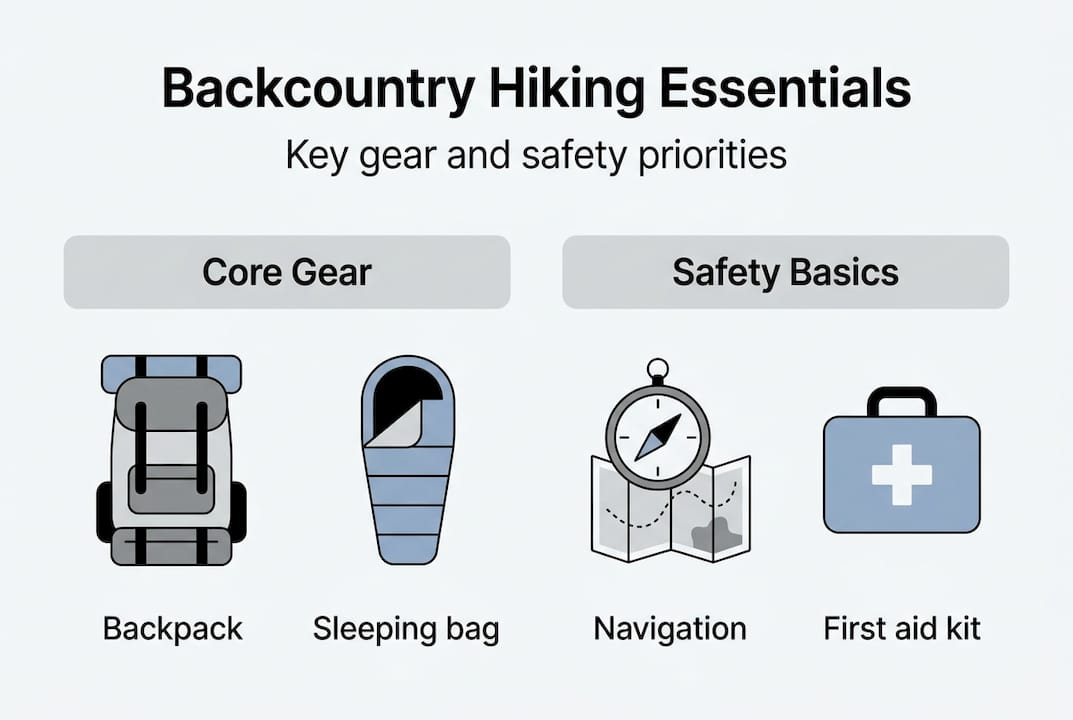
Your backpack serves as your mobile home, carrying everything needed for wilderness survival and comfort. Choose a pack sized appropriately for trip length, typically 50-65 liters for multi-day journeys. Internal frame packs distribute weight efficiently across hips and shoulders, reducing fatigue over long distances. Fit matters more than features, so try packs with weight before purchasing.
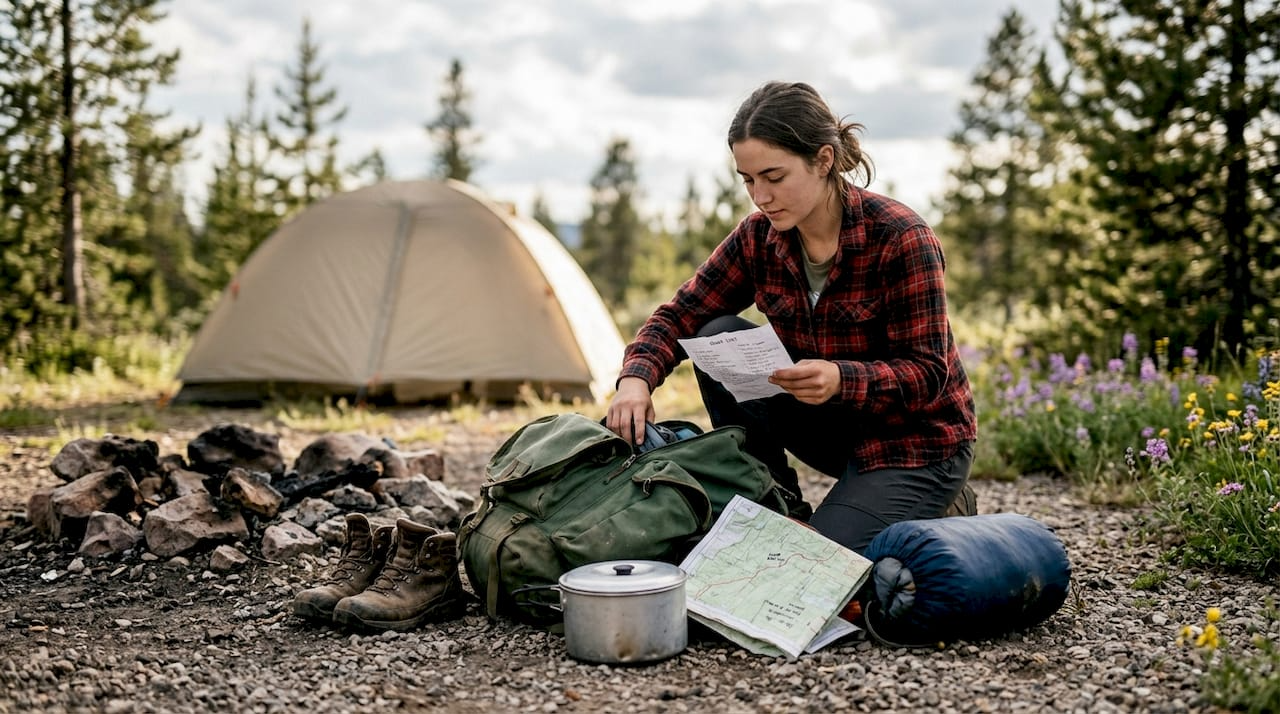
Shelter options balance weight, weather protection, and setup complexity. Lightweight tents provide reliable protection in varied conditions. Hammocks work well in forested areas but require trees and underquilts for warmth. Tarps offer minimal weight for experienced users comfortable with exposure. Your choice depends on typical terrain, weather patterns, and personal comfort preferences.
Critical safety gear includes items you hope never to use:
- Personal locator beacons for emergency communication in areas without cell service
- First aid kit with supplies for treating blisters, cuts, sprains, and common ailments
- Water filtration system to prevent giardia and other waterborne illnesses
- Bear canisters in areas where required by regulation to protect food from wildlife
- Emergency shelter like a bivy sack or space blanket for unexpected overnight stays
Balancing weight with safety creates ongoing tension in gear selection. Ultralight enthusiasts shave ounces everywhere possible, but this approach requires experience and skill. Beginners benefit from slightly heavier, more forgiving gear that provides comfort and confidence. As skills improve, you can gradually lighten your load by replacing items with lighter alternatives or eliminating redundancies.
| Gear Category | Essential Items | Key Features | | --- | --- | | | Sleeping System | Sleeping bag, pad, pillow | Temperature rating matches conditions, pad provides insulation from ground | | Cooking Setup | Stove, fuel, pot, utensils | Lightweight canister stoves work for most trips, backup lighter essential | | Navigation Tools | Map, compass, GPS device | Waterproof map case, fresh batteries, knowledge to use without technology |
Cooking equipment for backcountry use prioritizes efficiency and minimal weight. Canister stoves light easily and regulate heat well for most conditions. Bring more fuel than calculated needs since cold weather and wind increase consumption. A single pot handles most cooking tasks, with a long spoon reaching the bottom easily. Dehydrated meals rehydrate quickly using boiled water, saving fuel and cleanup time.
Pro Tip: Create a detailed gear list and weigh every item before your trip. Track what you actually use versus what stays packed. After three trips, you'll identify unnecessary items to leave home, reducing pack weight without sacrificing safety or comfort.
Explore comprehensive camping gear types to understand how different categories work together as a system. Proper gear selection involves understanding how each piece supports others. Review packing list tips for organizing gear efficiently within your pack. For broader context on outdoor equipment needs, this guide to essential outdoor gear covers additional considerations.
Managing risks and respecting wilderness: safety, health, and environmental impact
Perceived risks like bears rank lower than actual risks including falls, hypothermia, and dehydration. Falls cause most backcountry injuries, often from slipping on wet rocks, tripping over roots, or losing balance with a heavy pack. Watch your footing constantly, especially when fatigued. Use trekking poles for stability on uneven terrain and stream crossings.Weather exposure creates serious hazards in remote settings. Hypothermia develops quickly when wet and cold, even in summer at elevation. Carry layers allowing adjustment as conditions change throughout the day. Rain gear keeps you dry during storms, while insulation provides warmth during rest breaks and at camp. Dehydration sneaks up during strenuous hiking, impairing judgment before you realize the problem. Drink regularly even when not thirsty, and monitor urine color as a hydration indicator.
Health precautions prevent minor issues from becoming trip-ending problems:
- Water requires filtration or treatment to remove giardia and bacteria from even pristine-looking sources
- Blister prevention through proper boot fit and proactive taping saves more trips than any other single measure
- Sun protection including hat, sunglasses, and sunscreen prevents burns at elevation where UV intensity increases
- Insect repellent reduces bites in buggy seasons, improving sleep quality and reducing infection risk from scratching
Regulatory controls manage environmental impact and crowding. Group size limits prevent overuse of popular areas, typically restricting parties to 6-12 people depending on location. Multi-day permits track visitor numbers and distribute use across available campsites. Bear canister requirements in certain parks protect both wildlife and hikers by preventing food conditioning that creates dangerous situations.
| Common Risk | Likelihood | Effective Mitigation | | --- | --- | | | Falls and injuries | High | Watch footing, use trekking poles, pace yourself appropriately | | Weather exposure | Moderate | Carry proper layers, monitor forecasts, know when to turn back | | Dehydration | Moderate | Drink regularly, treat all water sources, carry backup capacity | | Wildlife encounters | Low | Store food properly, make noise while hiking, know species behavior |
Off-trail travel increases environmental impact significantly compared to staying on established paths. Vegetation trampling, soil erosion, and wildlife disturbance multiply when hikers create new routes. When off-trail travel becomes necessary, spread out rather than following single file to prevent creating new trails. Choose durable surfaces like rock or gravel over fragile vegetation or wet areas.
Understanding why you should pack survival gear helps prioritize items that truly matter in emergencies. Survival situations rarely develop from single catastrophic events but rather from cascading small problems. Proper gear and knowledge interrupt these cascades before they become life-threatening.
Explore and gear up with life camp adventure
Preparing for backcountry hiking demands reliable equipment that performs when conditions get challenging. Life Camp Adventure curates gear selections specifically for wilderness travelers who need durability, functionality, and comfort in remote settings. Our expert reviews help you choose equipment matching your experience level and trip requirements without overspending on unnecessary features.
Whether you're assembling your first backcountry kit or upgrading worn components, our camping gear comparison guides break down options across price points and use cases. Understand how different camping gear types work together as an integrated system supporting your wilderness adventures. Learn why choosing proper camping equipment matters for safety and enjoyment on multi-day trips. Explore our resources and shop with confidence knowing your gear will support your backcountry ambitions.
FAQ
Is backcountry hiking safe for beginners?
Yes, backcountry hiking is safe for beginners who start with appropriate routes and proper preparation. Choose well-marked trails with moderate mileage, reliable water sources, and established campsites for your first trips. Learn basic navigation and wilderness skills before venturing into remote areas. Starting small and building experience gradually reduces risks while developing the judgment needed for more challenging adventures.
What permits do I need for backcountry hiking?
Permit requirements vary by location, with many wilderness areas requiring overnight permits for backcountry camping. Popular destinations in national parks often use lottery systems for high-demand areas, requiring applications months in advance. Some locations charge fees while others issue free permits on a first-come basis. Always check specific regulations for your intended destination well before your trip, as requirements change seasonally and some areas restrict group sizes or camping zones.
How do I prevent getting lost in backcountry hiking?
Use topographic maps, compass, and GPS devices together for reliable navigation in backcountry settings. Learn to read terrain features on maps and practice taking bearings before your trip. Share your detailed itinerary including planned routes and campsites with someone reliable who can alert authorities if you don't return on schedule. Stay on marked trails when possible, and if you must travel off-trail, use prominent landmarks for orientation. For comprehensive preparation strategies, review this step-by-step hiking guide covering navigation fundamentals.
What gear is absolutely necessary for a first backcountry hike?
Essential gear includes a properly fitted backpack, shelter system like a tent, sleeping bag rated for expected temperatures, sleeping pad for insulation, cooking setup with stove and fuel, navigation tools, water filtration, first aid kit, and emergency communication device. Lightweight and multi-purpose items improve comfort without adding excessive weight. Clothing layers for varying weather conditions, including rain protection and insulation, prevent exposure-related problems. Check this essential packing list for organizing gear efficiently and avoiding common mistakes that compromise safety or comfort.
