TL;DR:
- A dry bag is a waterproof storage bag designed to protect gear from water during outdoor activities. It relies on waterproof fabric, sealed seams, and a reliable closure to keep contents dry. Proper sealing and material choice are essential for maximum waterproof performance.
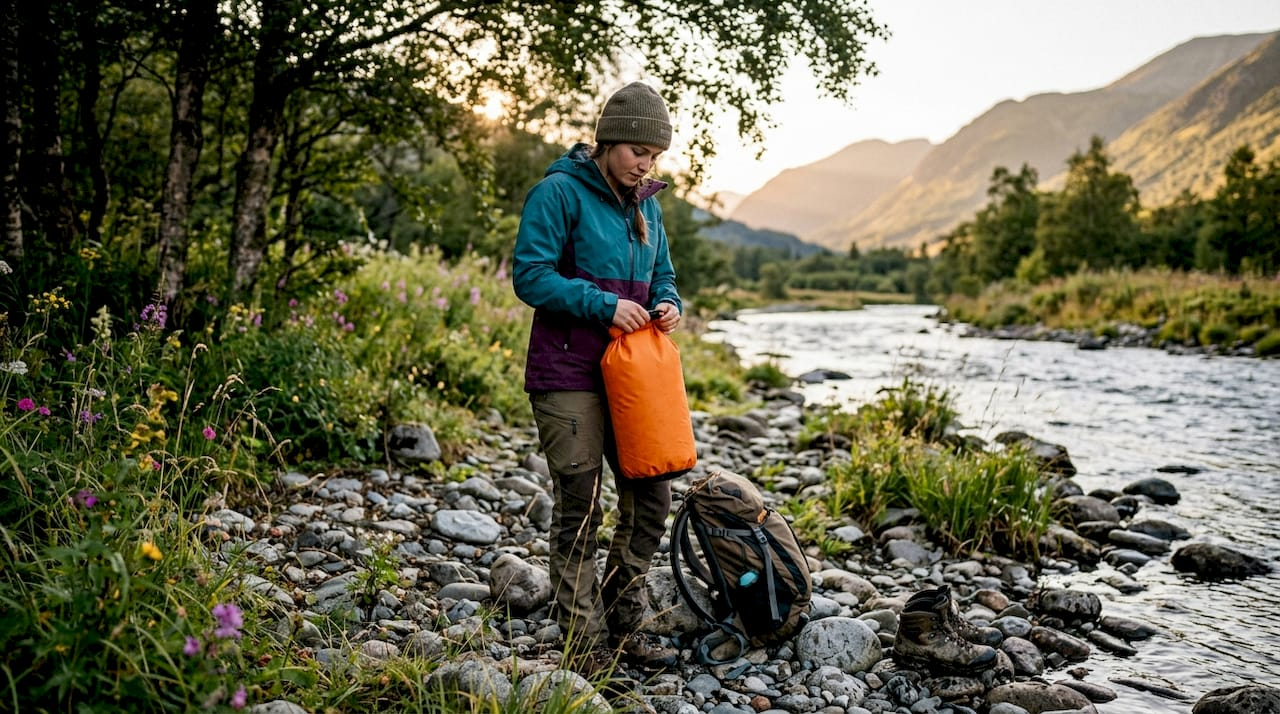
A dry bag is defined as a flexible, watertight storage bag used to protect electronics, clothing, and sleeping gear from water exposure during outdoor activities. Made from waterproof coated fabrics like nylon, TPU, PVC, or vinyl, dry bags seal with a roll-top closure or waterproof zipper to keep contents completely dry. Whether you're paddling a river, hiking in the rain, or heading to the beach, a dry bag is the single most reliable piece of gear between your valuables and the water.
What is a dry bag and how does it work?
A dry bag works through three combined elements: waterproof fabric, sealed seams, and a reliable closure. Waterproofness depends on the weakest component among those three. A bag with premium fabric but poorly taped seams will still leak under pressure.
Materials that make the difference
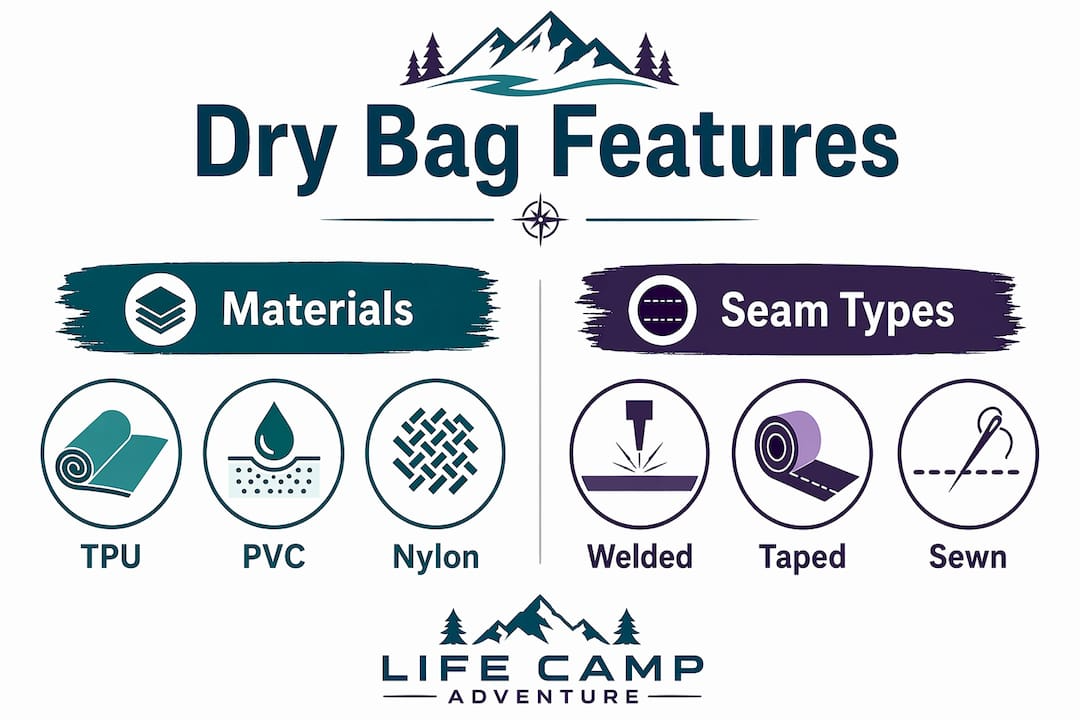
The fabric is the first line of defense. TPU is lighter and more flexible in cold weather, while PVC is heavier but more rugged and economical. Nylon and tarpaulin-coated fabrics sit in the middle, offering a balance of weight and durability. Your choice of material directly affects how the bag performs across different climates and activity types.
Seam construction matters more than most people realize
Welded seams eliminate needle holes that are typical in sewn construction, offering significantly better waterproofing under submersion. Taped seams provide moderate protection and work well for splashing and rain. Sewn seams rely on tape that can degrade over time, making them the least reliable option for serious water exposure. If you plan to submerge your bag or use it in whitewater, welded seams are the only acceptable choice.
Closure types: roll-top vs. waterproof zipper
The roll-top closure is the most common and most forgiving design. Roll-top closures act like compression gaskets, and their performance depends on rolling the top correctly and keeping the sealing area clean. Waterproof zippers offer quicker access but cost more and require careful maintenance to stay effective. For most outdoor adventurers, a roll-top is the smarter, more durable choice.
Manufacturers sometimes reference IP ratings to describe water resistance. IP67 means dust-tight and immersion-safe up to 1 meter for 30 minutes, while IP68 allows for deeper or longer immersion. Dry bags themselves rarely carry official IP ratings, but understanding these standards helps you compare manufacturer specs with confidence. Learn more about how waterproof ratings affect gear selection before you buy.
Pro Tip: Keep the roll-top sealing area completely free of sand, grit, and moisture before rolling. Even a small piece of debris creates a channel for water to enter.
What types and sizes of dry bags are available?
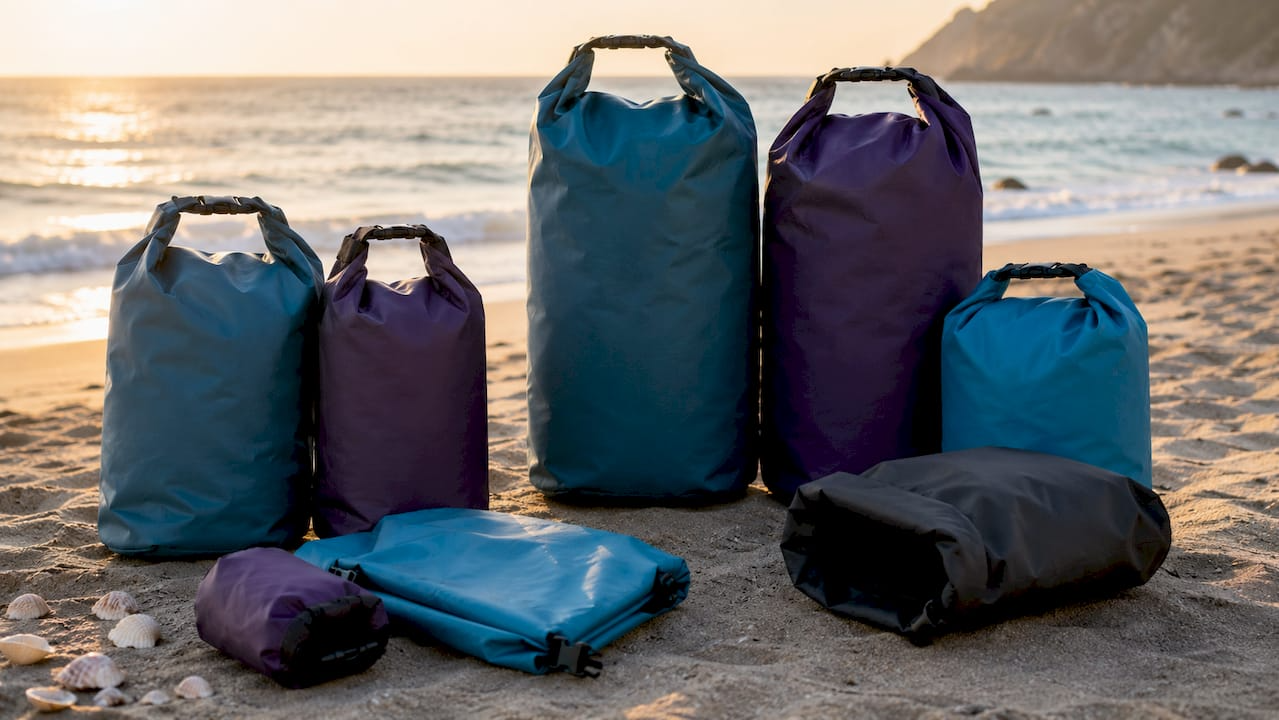
Dry bags range from small pouches to large bags up to 80 liters capable of holding sleeping bags or tents. That size range means one product category covers everything from protecting your phone on a kayak to packing out a full campsite in the rain. Choosing the right size is as important as choosing the right material.
| Size | Capacity | Typical use | Key feature |
|---|---|---|---|
| Small pouch | 1–5 liters | Phone, wallet, keys | Lightweight, often transparent |
| Day bag | 5–20 liters | Camera, snacks, clothing layers | Shoulder strap compatible |
| Medium bag | 20–40 liters | Full day kit, electronics, food | Buoyant in water |
| Large bag | 40–80 liters | Sleeping bag, tent, clothing | Compression straps |
| Compression dry bag | 10–40 liters | Sleeping bags, down jackets | Reduces packed volume |
Compression dry bags deserve special mention. They combine waterproofing with volume reduction, making them ideal for backpackers who need to save space. A standard sleeping bag that fills a 20-liter bag can compress down to 10 liters with the right compression dry sack. That space savings adds up fast on multi-day trips.
Specialized dry bags also exist for specific activities. Kayaking dry bags often include attachment points or D-rings for securing to a boat. Some bags are designed to float when sealed, which matters if you capsize. Dry bags protect gear across a wide range of activities, including hiking in rain, snowboarding, skiing, and separating wet and dry clothes after a swim.
What should you consider when choosing the best dry bag?
The best dry bag for you depends on your activity, not just your budget. A casual beach trip calls for a different bag than a multi-day whitewater kayaking expedition. Matching the bag's specs to your actual risk level saves money and prevents gear failures in the field.
Here are the key selection criteria to evaluate before buying:
- Seam type: Welded seams for submersion activities; taped seams for rain and splashing only.
- Closure: Roll-top for reliability and value; waterproof zipper for frequent access needs.
- Material: TPU for cold-weather flexibility; PVC for rugged, high-abrasion environments.
- Size: Match capacity to your specific gear list, not a general estimate.
- Weight: Lighter bags matter most on long hikes; heavier bags often offer better durability.
- Buoyancy: Floating bags are non-negotiable for kayaking and rafting.
- Organizational features: Internal dividers or clear windows help with quick access.
Common mistakes buyers make include choosing a bag that's too large (contents shift and compress the seal unevenly) or too small (forcing the closure and stressing the seams). A bag that's about 80% full seals most reliably. Checking user reviews for real-world submersion tests is more useful than relying on marketing claims alone.
Pro Tip: Before any major trip, fill your sealed dry bag with air, submerge it in a bathtub, and watch for bubbles. This simple test reveals seal failures before they ruin your gear in the field.
Brand reliability also matters. Look for brands that publish specific waterproof test data rather than vague claims. Checking the outdoor survival checklist from Lifecampadventure gives you a broader view of which gear categories to prioritize for different adventure types.
How to use and maintain dry bags for maximum effectiveness
Proper use extends a dry bag's life and keeps your gear dry every time. Most seal failures come from user error, not product defects. Users often compromise the seal by not rolling enough times or letting grit inside the closure. Follow these steps to get maximum performance from any dry bag.
- Pack your gear correctly. Leave the top 6–8 inches of the bag empty. This space is needed for a proper seal. Overpacking is the most common cause of seal failure.
- Squeeze out excess air. Before sealing, press the bag gently to remove trapped air. Air pressure inside can stress seams during submersion.
- Roll the top at least three times. Roll-top seals require a minimum of three folds to create an effective compression gasket. More folds equal better protection.
- Clip the buckle securely. After rolling, clip the side buckles together to lock the roll in place. An unclipped roll can unravel under water pressure.
- Rinse after saltwater or sandy use. Salt and sand degrade coatings and seals faster than freshwater. Rinse the bag inside and out with clean water after every saltwater trip.
- Dry completely before storage. Store the bag open and fully dry. Storing it sealed while damp creates mold and odor inside the fabric.
- Inspect seams and closures regularly. Look for peeling tape, cracking fabric, or stiff zipper teeth. Catching small issues early prevents full failures on the water.
Avoid storing dry bags compressed or folded in the same position for long periods. Repeated creasing weakens coated fabrics at the fold lines. Hanging the bag loosely or rolling it loosely for storage preserves the coating longer. For a broader look at keeping all your gear in top shape, the outdoor gear maintenance guide from Lifecampadventure covers inspection routines across every category.
Key takeaways
A dry bag's waterproof performance depends equally on its material, seam construction, closure type, and how correctly the user seals it every single time.
| Point | Details |
|---|---|
| Waterproofing is a system | Fabric, seams, and closure must all perform together for full protection. |
| Welded seams outperform sewn | Choose welded seams for submersion activities like kayaking or rafting. |
| Roll-top technique is critical | Roll the top at least three times and clip the buckle to prevent water ingress. |
| Match size to activity | A bag that is about 80% full seals most reliably and protects contents best. |
| Maintenance extends bag life | Rinse after saltwater use, dry fully before storage, and inspect seams regularly. |
Why I think most people buy the wrong dry bag
Most first-time buyers focus on price and color. That's the wrong starting point. The question to ask first is: will this bag ever be fully submerged? If the answer is yes, even occasionally, you need welded seams. No amount of careful rolling compensates for a seam that lets water through under pressure.
I've seen adventurers show up to a kayaking trip with a budget bag that had taped seams and a roll-top they'd never tested. By the second rapid, their phone and wallet were soaked. The bag looked fine from the outside. The seam tape had simply separated at one corner. That failure cost more than the price difference between a budget bag and a quality one.
The other mistake I see constantly is treating dry bag waterproofness as binary. It's a spectrum. A bag rated for splashing is not rated for submersion. A bag rated for submersion at one meter is not rated for whitewater. Dry bag waterproofness depends on materials, seams, closure, and user handling working together. Understanding that spectrum changes how you shop.
My honest recommendation: buy one size smaller than you think you need, choose welded seams, and practice the roll-top seal at home before your first trip. The gear that protects your gear is worth getting right.
— Billy
Gear up with Lifecampadventure for your next adventure
Choosing the right dry bag is one piece of a larger gear puzzle. Lifecampadventure carries a curated selection of outdoor adventure gear built for real conditions, not just fair-weather outings.
From waterproof storage to camping essentials, every product in the Lifecampadventure catalog is selected for durability, reliability, and practical performance. Check out the top-rated adventure gear reviews to find the right dry bag and companion gear for your 2026 season. You can also browse the beach packing essentials checklist for a complete list of waterproof storage recommendations for water-based trips.
FAQ
What is a dry bag used for?
A dry bag protects electronics, clothing, and camping gear from water exposure during outdoor activities like kayaking, hiking, and beach trips. It also works for separating wet and dry clothes after swimming.
How many times should you roll a dry bag closure?
Roll the top at least three times before clipping the buckle. Fewer rolls reduce the compression seal and increase the risk of water entering the bag.
What is the best material for a dry bag?
TPU is the best material for cold-weather flexibility and light weight, while PVC offers greater ruggedness for high-abrasion environments. Your activity type determines which material performs better.
Are dry bags fully waterproof?
Dry bag waterproofness is a spectrum, not an absolute guarantee. Performance depends on the fabric, seam type, closure quality, and how correctly the bag is sealed by the user.
What size dry bag do I need for kayaking?
A 10–20 liter dry bag covers a day kit for kayaking, including a phone, snacks, and a clothing layer. Choose a bag with buoyancy and attachment points designed specifically for on-water use.
