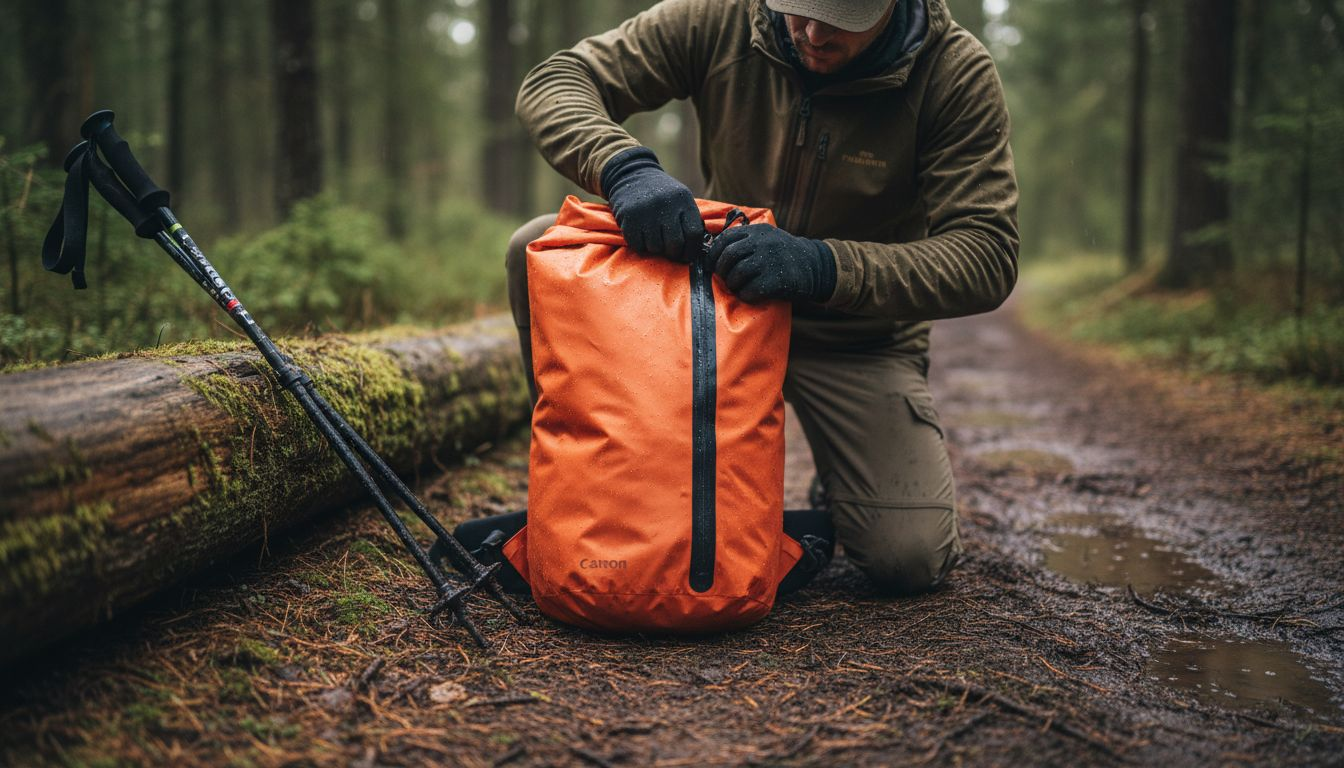
Rain caught you mid-hike and your backpack zipper leaked everywhere. Your gear is soaked, your electronics at risk, and your trip compromised. Weatherproof zippers prevent these disasters by blocking water ingress and extending gear lifespan. This guide reveals how they work, what materials matter, testing standards, maintenance secrets, and how to choose the right zipper for your outdoor adventures.
Key Takeaways
| Point | Details |
|---|---|
| Sealed polymer tapes and welded seams deliver superior water resistance by eliminating needle holes. | |
| TPU and PU coatings offer different flexibility and temperature resistance for varied outdoor conditions. | |
| Weatherproof zippers eliminate extra storm flaps in jackets and backpacks while improving protection. | |
| Regular maintenance extends zipper lifespan by up to 50% through proper cleaning and lubrication. | |
| Not all waterproof zippers resist full submersion; selection and care determine real-world performance. |
Understanding Weatherproof Zippers: What They Are and How They Work
Weatherproof zippers rely on specialized construction to keep water out. Sealed polymer tapes made from polyurethane bond directly to fabric, creating a continuous barrier along the zipper line. Unlike standard zippers with exposed teeth and gaps, these tapes flex with movement while maintaining a tight seal.
Welded seams replace stitching, eliminating needle perforations which prevent water seepage along the zipper line. Traditional stitched seams create hundreds of tiny holes where water penetrates under pressure. Welding fuses materials together without puncturing, closing off entry points that compromise waterproof gear integrity.Silicone and polymer coatings increase water repellency by over 30% compared to uncoated versions. These treatments bead water on contact, forcing droplets to roll off rather than soak through. The coating process involves:
- Applying liquid polymer in controlled temperature chambers
- Curing under UV light to bond molecules permanently
- Testing water contact angles to verify repellency standards
- Quality checking each zipper for coating uniformity
Teeth design matters as much as coatings. Interlocking elements fit together without microscopic gaps, creating a physical barrier enhanced by chemical treatments. This dual protection handles everything from light drizzle to driving rain.
"The combination of sealed construction and advanced coatings transforms ordinary zippers into reliable weather barriers that protect gear contents in conditions where standard zippers fail completely."
Materials and Coatings in Weatherproof Zippers
Material choice determines how your zipper performs across temperature ranges and activity levels. TPU coatings offer flexibility and breathability, making them perfect for lightweight gear like rain jackets and ultralight tents. The material bends easily without cracking, maintaining waterproof integrity through thousands of open/close cycles.
PU coatings withstand extreme temps from negative 10°C to 200°C with high durability, ideal for heavy duty gear. These tougher coatings resist abrasion better than TPU, though they sacrifice some flexibility. Winter mountaineering equipment and expedition packs commonly use PU for reliability in harsh conditions.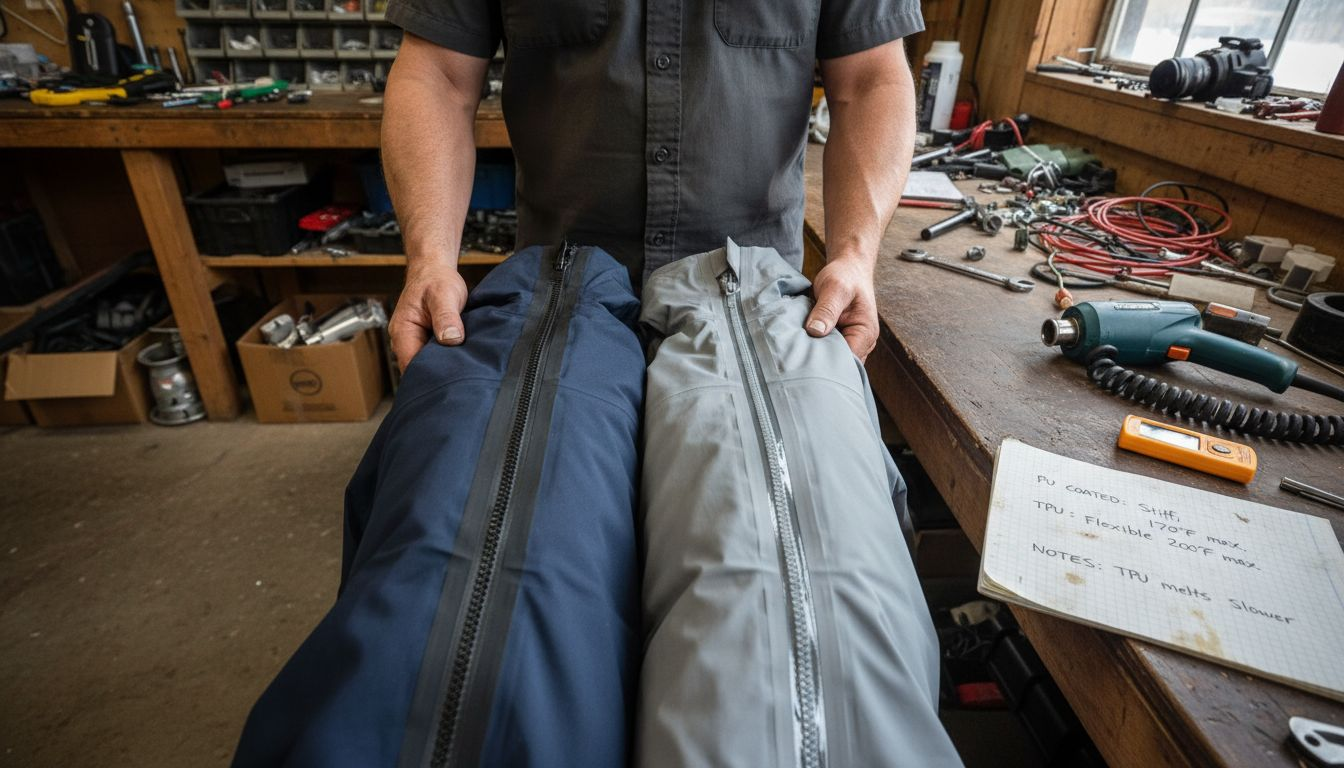
Metal zippers corrode and stiffen in wet environments. Salt exposure accelerates breakdown, making them unsuitable for coastal or marine applications. Nylon zippers coated with TPU or PU balance waterproofing with durability, offering the best compromise for most outdoor gear materials.
| Material Type | Temperature Range | Flexibility | Best Application |
|---|---|---|---|
| TPU Coated Nylon | 0°C to 60°C | High | Rain jackets, backpacks |
| PU Coated Nylon | Negative 10°C to 200°C | Medium | Winter gear, expedition packs |
| Molded Plastic | Negative 5°C to 80°C | Medium | Waders, dry bags |
| Metal | Variable | Low | Not recommended for waterproofing |
Pro Tip: Check coating type before buying. TPU feels softer and more pliable, while PU has a slightly stiffer, more rigid texture. Run your fingers along the zipper tape to assess flexibility for your specific activity needs.
Coating thickness affects performance. Thicker applications provide better water resistance but add weight and stiffness. Manufacturers balance these factors based on intended use, with ultralight gear using thinner coatings and expedition equipment getting maximum protection.
Common Uses and Benefits of Weatherproof Zippers in Outdoor Gear
Backpacks and jackets benefit most from weatherproof zipper technology. YKK AquaGuard zippers eliminate the need for zipper flaps in backpacks and jackets due to effective water sealing. This simplifies design, reduces weight, and improves aesthetics without compromising protection.
AQUASEAL molded plastic zippers resist saltwater corrosion in marine environments. Kayakers, sailors, and coastal campers rely on these for waders, dry suits, and gear bags exposed to spray and submersion. The molded construction has no metal components to corrode or seize.
Weatherproof tents use coated zippers on doors and vestibules to prevent rain entry during storms. Standard zippers allow water to seep through closed doors, creating puddles inside your shelter. Sealed versions keep interiors dry even during sideways rain and wind driven moisture.Key gear applications include:
- Rain jackets with chest and hand pockets that stay watertight
- Backpack main compartments protecting electronics and clothing
- Tent doors and windows maintaining interior dryness
- Sleeping bag stuff sacks keeping insulation moisture free
- Dry bags for kayaking and water sports adventures
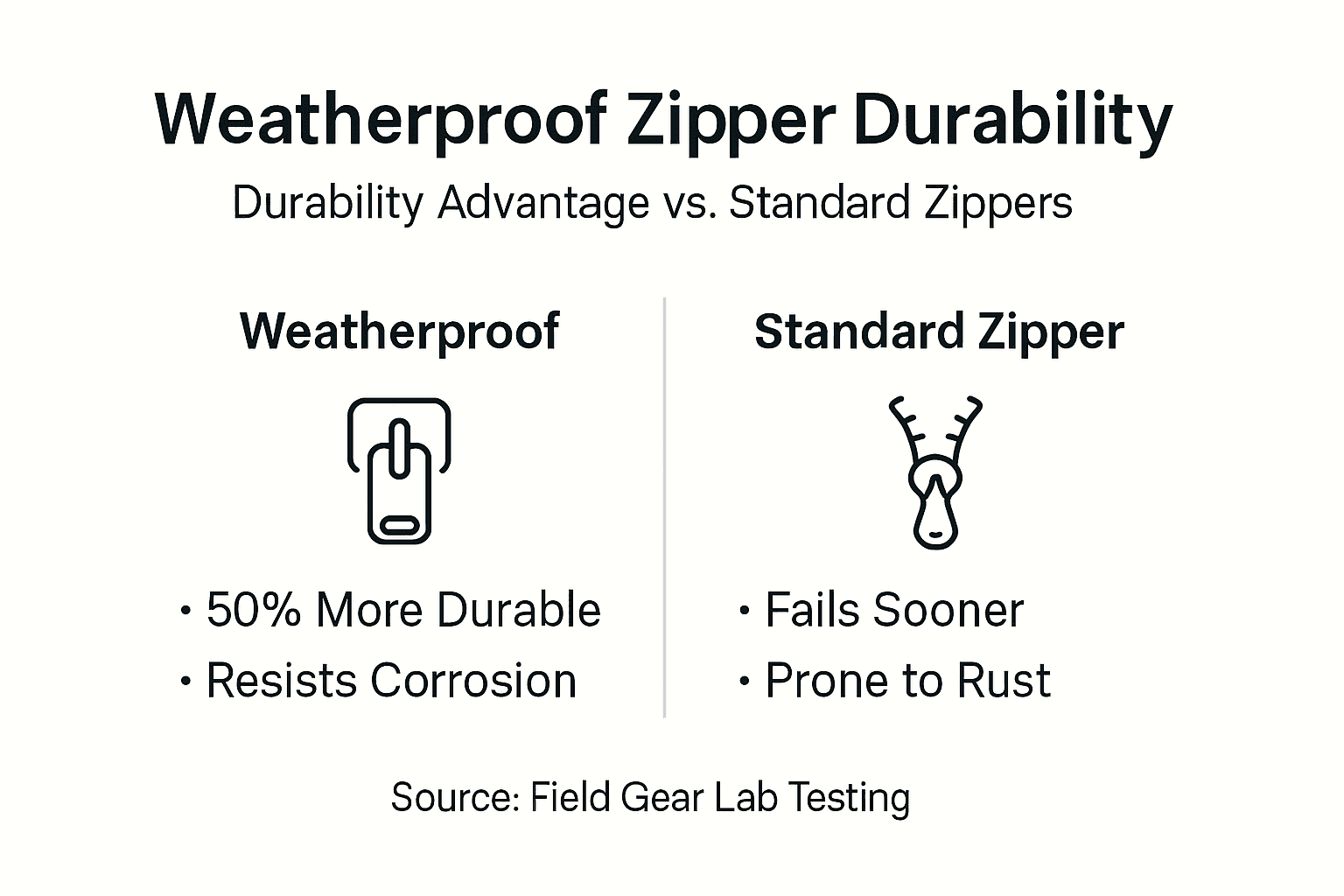
Durability improvements translate to fewer replacements. Standard zippers fail when teeth corrode or fabric delaminates from water damage. Weatherproof versions maintain structural integrity through seasons of hard use, reducing long term gear costs.
Performance, Durability, and Testing Standards
IPX6 rating indicates resistance to powerful water jets with zero leakage in alpine jackets. This standard tests zippers against 100 liters per minute from any direction for at least three minutes. Gear meeting IPX6 handles heavy rain, snow melt, and stream crossings without interior moisture.Military grade resin zippers survive 10,000 pull cycles without tooth damage, evidencing rugged durability. Testing machines open and close zippers continuously under load to simulate years of field use compressed into days. Premium outdoor gear uses components passing these extreme standards.
Performance benchmarks every outdoor user should know:
- Water ingress testing measures leakage under sustained pressure over time
- Abrasion resistance evaluates coating durability against pack contents and external wear
- Temperature cycling confirms performance from desert heat to alpine cold
- Salt spray exposure tests corrosion resistance for coastal environments
- UV degradation assessment verifies coating stability under sun exposure
Corrosion resistance prevents zipper failure in wet conditions. Salt, minerals, and organic matter accelerate metal breakdown and coating separation. Quality weatherproof zippers use corrosion inhibitors in coatings and select materials that resist chemical attack.
Pro Tip: Test new gear zippers before trips. Run them through cycles while spraying with water to verify waterproof performance. Better to discover issues at home than during a storm miles from the trailhead.
Durable tent construction depends on reliable zipper performance. A single failed zipper compromises your entire shelter system. Premium manufacturers specify tested components and provide replacement guarantees, reflecting confidence in longevity.Maintenance multiplies durability benefits. Even the toughest zippers degrade without care. Regular cleaning removes abrasive particles, lubrication maintains smooth operation, and proper storage prevents deformation that breaks waterproof seals.
Common Misconceptions About Weatherproof Zippers
Waterproof zippers are not 100% water impervious; resistance varies with design and environment, and submersion can cause leakage. Many users assume waterproof means submersible, leading to disappointment when gear leaks underwater. Most weatherproof zippers resist rain and spray but fail under sustained pressure from full submersion.
Metal zippers corrode and stiffen, making nylon or plastic coated zippers better for waterproofing. The outdoor industry marketed metal zippers as premium for decades, creating a perception problem. Modern coated synthetics outperform metal in wet conditions while weighing less and lasting longer.
Common myths debunked:
- Heavier zippers are always better quality and more waterproof
- All waterproof ratings mean the same level of protection
- Weatherproof zippers never need maintenance or cleaning
- Brand name guarantees waterproof performance regardless of coating type
- Older gear can be made fully waterproof with spray treatments
Waterproof zippers require regular maintenance to retain effectiveness. Coatings wear down, dirt accumulates in teeth, and lubricants wash away. Users who skip maintenance see performance drop within one season, then blame the zipper rather than neglected care.
Misunderstandings lead to improper gear selection. Buying a rain jacket with basic water resistant zippers when you need full waterproofing creates problems. Understanding rating systems and asking specific questions about zipper type prevents costly mistakes and gear failure during critical moments.
Maintaining and Caring for Weatherproof Zippers
Regular cleaning, lubrication, and proper storage extend waterproof zipper lifespan by up to 50%. Maintenance takes minutes but delivers years of reliable performance. Dirt particles act like sandpaper on coatings and teeth, accelerating wear that compromises waterproof integrity.Cleaning removes debris before it causes damage. Use a soft brush with mild soap and warm water to scrub zipper teeth and tape. Rinse thoroughly to eliminate soap residue that attracts more dirt. Let zippers dry completely before storage to prevent mildew growth between tape layers.
Lubrication maintains smooth operation and prevents corrosion. Apply silicone based lubricant sparingly to teeth after cleaning. Avoid petroleum products that degrade coatings and attract dirt. Work the zipper through several cycles to distribute lubricant evenly.
Essential gear maintenance practices:
- Clean zippers after every trip in dusty or muddy conditions
- Inspect for coating damage, missing teeth, or separation monthly
- Store gear with zippers closed but not under tension
- Keep zippers away from direct sunlight during long term storage
- Replace damaged zipper pulls immediately to prevent tape stress
Pro Tip: White vinegar solution removes salt deposits from marine exposure without damaging coatings. Mix one part vinegar with three parts water, apply with a soft cloth, then rinse and dry thoroughly.
Storage position affects zipper longevity. Folding gear with sharp creases across zippers creates weak points where coatings crack. Roll items loosely or hang when possible to maintain tape integrity. Avoid compressing weatherproof zippers under heavy loads for extended periods.
Prevention beats repair. Catching small issues early prevents catastrophic failure. A loose thread or tiny coating crack spreads quickly under use. Addressing problems immediately saves gear and prevents trip disruptions.
Selecting the Right Weatherproof Zipper for Your Outdoor Gear
Activity type determines your zipper requirements. Backpacking in variable weather needs different protection than kayaking in constant spray. Alpine mountaineering demands temperature resistance beyond what rainforest hiking requires. Start by honestly assessing your typical conditions and worst case scenarios.
Selection framework:
- Identify your primary outdoor activities and typical weather exposure
- Determine if you need water resistance or full waterproofing
- Consider temperature ranges you encounter regularly
- Evaluate flexibility versus durability trade offs for comfort
- Check maintenance requirements against your care habits
- Verify compatibility with existing gear and replacement parts
TPU coated zippers suit rain resistant needs with maximum flexibility. Choose these for three season backpacking, trail running gear, and lightweight rain protection. They handle moisture well while maintaining soft feel and easy operation.
PU coated or molded plastic zippers excel in extreme cold and heavy duty applications. Winter camping, expedition mountaineering, and professional guide gear benefit from the added durability. Accept slightly reduced flexibility for confidence in harsh conditions.
| Zipper Type | Water Resistance | Temperature Range | Best For |
|---|---|---|---|
| TPU Coated | High | 0°C to 60°C | Backpacking, rain gear |
| PU Coated | Very High | Negative 10°C to 200°C | Winter camping, expeditions |
| Molded Plastic | Extreme | Negative 5°C to 80°C | Water sports, marine use |
| Standard Coil | Low | 10°C to 50°C | Fair weather, budget gear |
Durability versus flexibility creates real trade offs. Stiffer zippers last longer under abrasion but feel less comfortable during active movement. Flexible versions move with you naturally but show wear faster on high friction areas. Match zipper characteristics to how you actually use gear.
Maintenance capability matters as much as initial quality. The toughest zipper fails without care. If you rarely clean gear, choose more forgiving designs with thicker coatings. If you maintain equipment religiously, optimize for performance over durability margin.
Enhance Your Outdoor Adventures with Reliable Gear
Quality equipment transforms outdoor experiences from stressful to confident. Weatherproof features protect your investment and keep you comfortable when conditions deteriorate. Our carefully selected gear combines proven technology with real world testing to deliver reliability you can trust.
Explore our camping tents comparison to find shelters engineered with advanced weatherproof zippers and construction. We evaluate durability, weather resistance, and value to help you make informed decisions. Every product recommendation reflects hands on experience and verified performance standards.
Discover why experienced adventurers choose quality camping equipment that stands up to challenging conditions. From sealed zippers to reinforced seams, the details separate gear that lasts from equipment that fails. Let us guide you toward products that enhance safety and enjoyment on every adventure.
Frequently Asked Questions About Weatherproof Zippers
What does IPX6 rating mean for zipper waterproofing?
IPX6 certification indicates the zipper resists powerful water jets from any direction without leakage. Testing involves 100 liters per minute for at least three minutes, simulating heavy rain and spray conditions.
Can I waterproof my existing gear zippers?
You cannot fully convert standard zippers to weatherproof performance with aftermarket treatments. Spray coatings provide temporary water resistance but lack the sealed construction and welded seams necessary for reliable protection.
How often should I maintain my weatherproof zippers?
Clean and lubricate zippers after every five uses in normal conditions, or immediately following exposure to mud, salt water, or dusty environments. Monthly inspection catches small issues before they become failures.
Are metal zippers ever suitable for outdoor waterproof gear?
Metal zippers corrode in wet conditions and lack the flexibility of coated synthetic options. Modern coated nylon and molded plastic zippers outperform metal for waterproofing while weighing less and resisting environmental degradation.
What signs indicate a zipper has lost its weatherproof ability?
Visible coating cracks, sticky operation requiring force, water beading on tape rather than rolling off, and moisture appearing inside gear after rain exposure all signal compromised weatherproof performance requiring zipper replacement.
