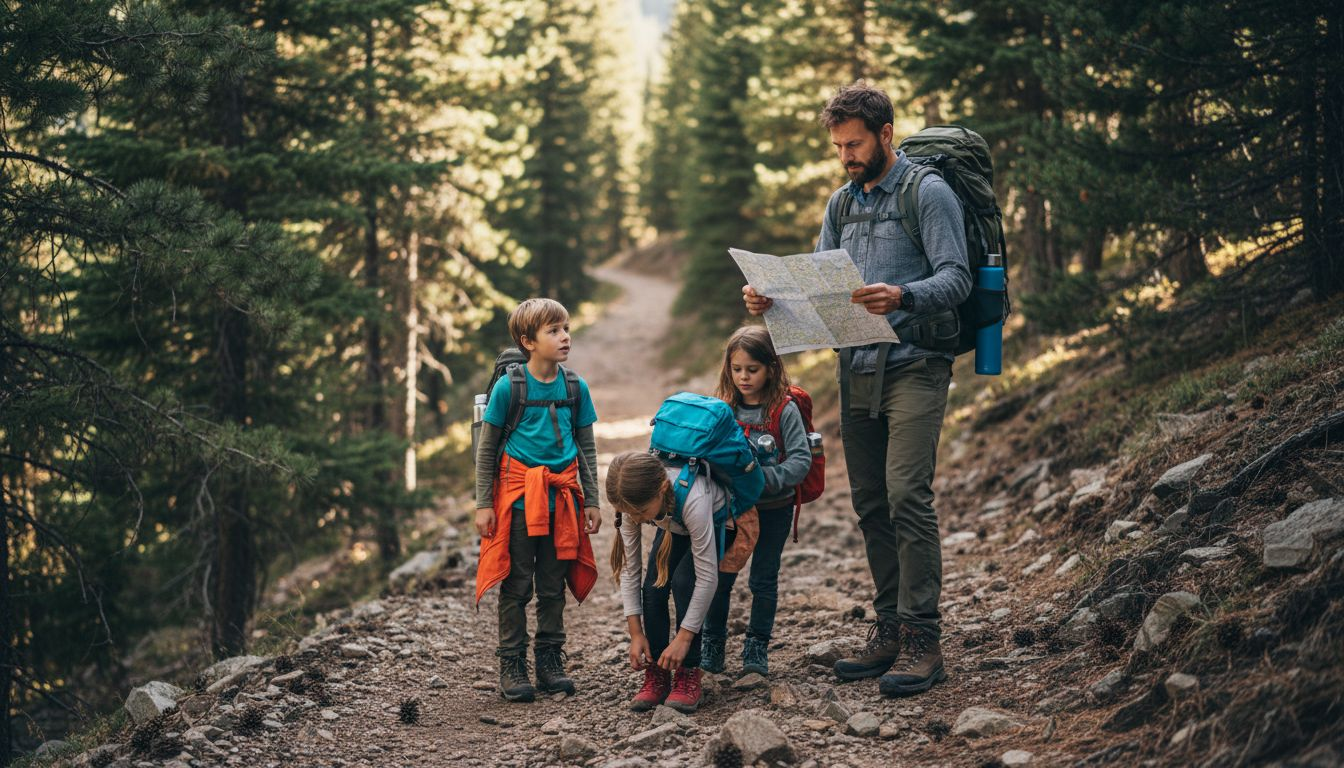
Choosing outdoor adventures and gear wisely unlocks immense physical, mental, and family benefits. Understanding selection criteria transforms your experience from ordinary to exceptional. This guide walks you through evaluating activities and equipment to maximize health gains, strengthen family bonds, and enhance environmental awareness while ensuring comfort and safety on every trip.
Key takeaways
| Point | Details |
|---|---|
| Health benefits vary by activity | Hiking burns 400-600 calories per hour and reduces heart disease risk by 30%, while camping offers moderate activity at 300 calories per hour. |
| Gear quality directly impacts experience | Comfort, durability, and ease of use rank as top priorities, with quality gear improving sleep by 40% and reducing trip disruptions by 60%. |
| Family engagement depends on structure | Regular outdoor activities improve family cohesion by 25%, and guided hikes boost children's engagement by 50% compared to unguided exploration. |
| Mental health gains are significant | Nature exposure lowers stress hormone cortisol by 16% on average, providing consistent mood and relaxation improvements across all ages. |
How to choose outdoor adventures and gear for maximum benefit
Selecting the right outdoor activities and equipment starts with identifying your goals. Are you seeking cardiovascular fitness, family bonding, stress relief, or environmental education? Each objective points toward different activities and gear requirements.
Comfort, durability, and ease of use are the top three attributes influencing outdoor experiences, valued by 82%, 76%, and 68% of participants respectively. These factors determine whether your adventure becomes memorable for the right reasons or the wrong ones.Consider these essential criteria when making your choice:
- Physical intensity level matching your fitness and group capabilities
- Family suitability, especially if traveling with children or older adults
- Safety features built into both activity design and gear selection
- Weather adaptability of clothing and shelter equipment
- Environmental conditions of your destination
Activity type dramatically affects health outcomes. Hiking delivers higher calorie burn and cardiovascular benefits than camping, but camping excels at fostering family bonds and environmental awareness. Understanding outdoor gear importance helps you prioritize investments that match your adventure style.
Plan with your group's composition in mind. Families with young children benefit from structured, guided experiences, while experienced adults may prefer challenging solo hikes. Outdoor safety for families becomes paramount when adventure seekers include vulnerable members.
Pro Tip: Prioritize gear comfort above all else. Sleep disruption from inadequate sleeping bags or pads can ruin an entire trip, regardless of how perfect the location or activity turns out to be.
Physical health benefits of outdoor adventures
Outdoor activities deliver measurable physical health improvements backed by extensive research. Hiking reduces heart disease risk by 30%, burns 400-600 calories per hour, and camping burns approximately 300 calories per hour, making both activities effective for cardiovascular health and weight management.
Hiking provides sustained moderate aerobic exercise that strengthens your heart, improves circulation, and builds endurance. The varied terrain challenges different muscle groups, enhancing overall fitness beyond what gym workouts typically achieve. Regular participation leads to lower blood pressure, improved cholesterol levels, and reduced inflammation markers.
Camping offers lower intensity exercise but maintains an active lifestyle throughout the trip. Setting up tents, gathering firewood, and navigating campsites keep you moving consistently. This gentle, sustained activity suits people who find high-intensity workouts intimidating or physically challenging.
Key physical benefits include:
- Enhanced cardiovascular endurance and heart function
- Increased muscle strength, particularly in legs and core
- Improved balance and coordination on uneven terrain
- Better bone density from weight-bearing activity
- Elevated metabolism lasting hours after activity ends
Even moderate outdoor activity produces positive physical markers. A weekend camping trip burns roughly 2,400 calories total, equivalent to several gym sessions, while providing fresh air and mental restoration simultaneously.
"The combination of physical movement, fresh air, and natural surroundings creates synergistic health effects that isolated gym exercise cannot replicate."
Mental health benefits: stress reduction and relaxation
Nature exposure delivers profound mental health advantages across all age groups. Time outdoors reduces cortisol by 16% on average, directly lowering your body's primary stress hormone and promoting relaxation that persists long after returning home.
Outdoor adventures interrupt the constant stimulation of modern life. Away from screens, notifications, and urban noise, your nervous system shifts from sympathetic (fight or flight) to parasympathetic (rest and digest) dominance. This physiological change reduces anxiety, improves emotional regulation, and enhances overall mood stability.
Children benefit as much as adults from nature exposure. Studies show reduced ADHD symptoms, improved focus, and better emotional control in children who spend regular time outdoors. The unstructured play and sensory experiences nature provides support healthy neurological development.
Mental wellness gains include:
- Decreased anxiety and depression symptoms
- Improved sleep quality and circadian rhythm regulation
- Enhanced creativity and problem-solving abilities
- Greater emotional resilience and stress management capacity
- Reduced rumination and negative thought patterns
The mental restoration happens automatically. You do not need to meditate or practice mindfulness techniques, though combining them amplifies benefits. Simply being present in natural settings activates restorative processes in your brain.
Pro Tip: Incorporate varied natural settings like forests, mountains, and water bodies into your outdoor adventures. Different environments provide distinct sensory experiences that maximize mental restoration effects and prevent adaptation.
Family bonding and engagement through outdoor activities
Outdoor adventures create powerful opportunities for family connection. Regular nature activities improve family cohesion by 25%, and guided hikes increase children's engagement by 50% compared to unguided exploration, demonstrating how structured outdoor time strengthens relationships.
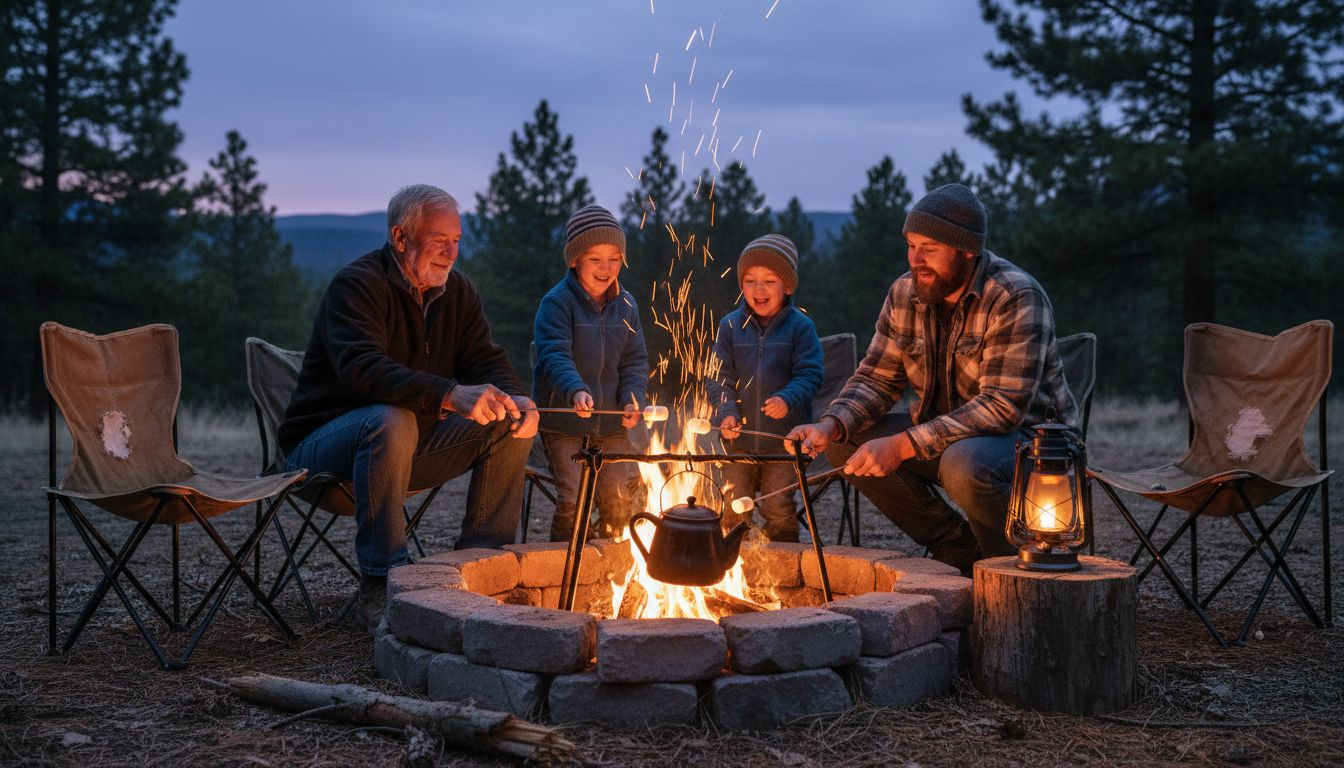
Shared outdoor experiences build lasting memories through collaborative challenges. Setting up camp together, navigating trails as a unit, and solving outdoor problems fosters teamwork and communication. These activities remove the distractions that fragment attention at home, allowing genuine connection.
Family camping benefits extend beyond immediate bonding. Children learn environmental stewardship, develop self-reliance, and gain confidence in their abilities. Parents model problem-solving and resilience, teaching life skills through example rather than lecture.
Key family benefits include:
- Enhanced communication through unplugged quality time
- Shared accomplishments building collective confidence
- Cross-generational learning and knowledge transfer
- Stronger emotional bonds through cooperative challenges
- Increased mutual respect and understanding
| Activity Type | Family Cohesion Impact | Children's Engagement Level | Best For |
|---|---|---|---|
| Guided Hikes | High (25% improvement) | Very High (50% boost) | Families with young children |
| Unguided Hikes | Moderate | Moderate (baseline) | Experienced outdoor families |
| Camping | Very High (30% improvement) | High | Multi-generational groups |
Structure matters significantly for children's engagement. Guided experiences with educational components, clear objectives, and age-appropriate challenges keep kids interested and participating actively throughout the adventure.
Role of reliable gear in enhancing outdoor experience benefits
Gear quality directly impacts the benefits you derive from outdoor adventures. Camping equipment improves sleep quality by 40%, while waterproof and breathable gear reduces trip interruptions by 60%, and premium sleeping bags improve sleep depth by 35%. These improvements translate to better recovery, enhanced enjoyment, and sustained participation in outdoor activities.
Quality sleeping bags and pads maintain body temperature regulation throughout the night. Inadequate insulation or cushioning leads to frequent waking, reducing restorative sleep stages essential for physical recovery and mental restoration. The sleep deficit compounds over multi-day trips, diminishing all other benefits.
Camping equipment benefits extend beyond sleep. Durable tents withstand weather challenges, reliable stoves ensure consistent meal preparation, and proper lighting enhances safety and convenience. Each gear category contributes to overall experience quality.
Waterproof gear importance cannot be overstated. Moisture leads to hypothermia risk, discomfort, and shortened trips. Breathable waterproof fabrics keep you dry from external precipitation and internal perspiration, maintaining comfort during active pursuits.Follow these steps to select optimal gear:
- Identify your primary activities and typical weather conditions
- Prioritize comfort features like ergonomic designs and adjustable components
- Verify durability through materials and construction quality
- Confirm ease of use for all group members, including children
- Test gear at home before committing to remote adventures
Essential gear investments include:
- Temperature-rated sleeping bags matching your coldest expected conditions
- Insulated sleeping pads with R-values appropriate for ground temperatures
- Waterproof, breathable outer layers for variable weather
- Reliable shelter with adequate ventilation and weather resistance
- Proper footwear with ankle support and traction for your terrain
Pro Tip: Invest in premium sleeping bags as your first major gear purchase. Quality sleep is non-negotiable for enjoying outdoor adventures, and sleeping outdoors comfortably depends primarily on your sleeping system.
Comparison of popular outdoor adventure activities
Understanding how activities compare helps you match adventures to your specific goals. Hiking claims 48% participation as the most popular outdoor activity globally, with higher calorie burn than camping and guided nature hikes boosting children's engagement by 50% compared to unguided exploration.
| Activity | Popularity | Calorie Burn (per hour) | Family Bonding Impact | Children's Engagement | Primary Benefits |
|---|---|---|---|---|---|
| Hiking | 48% | 400-600 | Moderate | Moderate (baseline) | Cardiovascular health, calorie burn |
| Camping | 32% | ~300 | Very High | High | Family cohesion, environmental awareness |
| Guided Hikes | 15% | 350-500 | High | Very High (50% boost) | Education, structured engagement |
Each activity offers distinct advantages:
- Hiking: Maximum cardiovascular benefits, highest calorie expenditure, flexible duration, accessible to most fitness levels, builds endurance progressively
- Camping: Superior family bonding, extended nature immersion, teaches self-sufficiency, moderate activity level, accommodates diverse age ranges
- Guided Hikes: Structured learning experiences, enhanced children's participation, expert knowledge sharing, safety supervision, environmental education focus
Your choice depends on priorities. Cardiovascular fitness seekers benefit most from regular hiking. Families aiming to strengthen bonds and teach environmental values should emphasize camping trips. Parents with young children gain maximum engagement through guided nature experiences.
Combining activities amplifies benefits. A camping trip incorporating daily hikes delivers both family bonding and physical exercise. Guided nature walks during camping trips add educational value while maintaining high engagement levels.
Situational recommendations for outdoor adventures and gear
Tailoring your outdoor choices to specific circumstances maximizes benefits and enjoyment. Different goals, group compositions, and environmental factors require distinct approaches to activity selection and gear investment.
For cardiovascular health and calorie burn, prioritize hiking with intensity matching your fitness level. Begin with moderate trails featuring gentle elevation gain, progressing to steeper, longer routes as endurance improves. Invest in quality hiking boots with ankle support and moisture-wicking clothing layers.
For family bonding and environmental education, camping and guided hikes deliver optimal results. Choose established campgrounds with amenities for first-time family campers, gradually advancing to more primitive sites. Choosing camping equipment suitable for all family members ensures everyone stays comfortable and engaged.
Weather-specific gear selection prevents trip disruptions:
- Cold conditions require insulated sleeping bags rated 10-15 degrees below expected lows
- Wet climates demand waterproof tents with full rain flies and vestibules
- Hot weather necessitates breathable fabrics and adequate sun protection
- Variable conditions need layering systems allowing quick adjustments
Group composition considerations:
- Young children benefit from shorter outings with frequent breaks and engaging activities
- Teenagers respond well to adventure challenges building independence
- Mixed age groups require moderate difficulty levels accommodating the least experienced
- Solo adventurers can pursue more ambitious objectives with appropriate outdoor survival basics knowledge
Safety planning must account for remoteness, group capabilities, and environmental hazards. Carry communication devices, first aid supplies, and navigation tools appropriate for your location. Inform others of your plans and expected return timing.
Pro Tip: Match gear and activity intensity to anticipated weather conditions rather than hoping for ideal conditions. Preparing for worst-case scenarios ensures comfort and safety regardless of what nature delivers.
Explore quality outdoor gear to enhance your adventures
Equipping yourself with reliable gear transforms outdoor experiences from challenging ordeals into comfortable adventures. Life Camp Adventure offers curated selections of camping equipment for success, designed for durability, comfort, and ease of use across diverse conditions.
Our best camping gear comparison reviews help you identify equipment matching your specific needs and budget. From family-sized tents to ultralight backpacking gear, we test and evaluate products ensuring they meet the high standards outdoor enthusiasts demand.
Explore our camping tents comparison to find shelter solutions balancing weather protection, interior space, and portability. Quality tents provide the foundation for comfortable camping, protecting you from elements while offering reliable performance season after season.
Visit Life Camp Adventure to discover gear that elevates your outdoor pursuits, supporting the health, family, and environmental benefits this article highlights. Your next adventure deserves equipment as committed to excellence as you are to exploring nature.
Frequently asked questions
How does outdoor gear affect sleep quality on camping trips?
Quality sleeping bags and insulated pads improve sleep quality by up to 40% by maintaining optimal body temperature throughout the night. Premium sleeping systems increase sleep depth by 35%, ensuring you wake refreshed and ready for the next day's activities rather than fatigued from poor rest.
What types of outdoor adventures are best suited for families with young children?
Guided nature hikes and established campground camping work best for families with young children, increasing engagement by 50% compared to unguided activities. These structured experiences provide age-appropriate challenges, educational content, and safety supervision while building family cohesion by 25% through shared outdoor time.
How can beginners safely start hiking as an outdoor activity?
Beginners should start with well-marked, moderate trails under 3 miles with minimal elevation gain, gradually increasing distance and difficulty as fitness improves. Invest in proper footwear with ankle support, carry adequate water and snacks, inform someone of your plans, and hike with experienced partners initially to learn navigation and safety practices.
What weather conditions require the most critical gear considerations?
Cold and wet conditions pose the greatest risks, requiring insulated sleeping bags rated below expected temperatures and waterproof, breathable outer layers. These conditions can lead to hypothermia if gear fails, making quality weather protection non-negotiable for safety and reducing trip interruptions by 60% when properly equipped.
How often should families engage in outdoor activities to see bonding benefits?
Regular participation meaning at least monthly outdoor activities produces measurable family cohesion improvements of 25%. Consistency matters more than duration, with frequent shorter outings building stronger bonds than rare extended trips, as regular shared experiences create ongoing communication patterns and mutual understanding.
