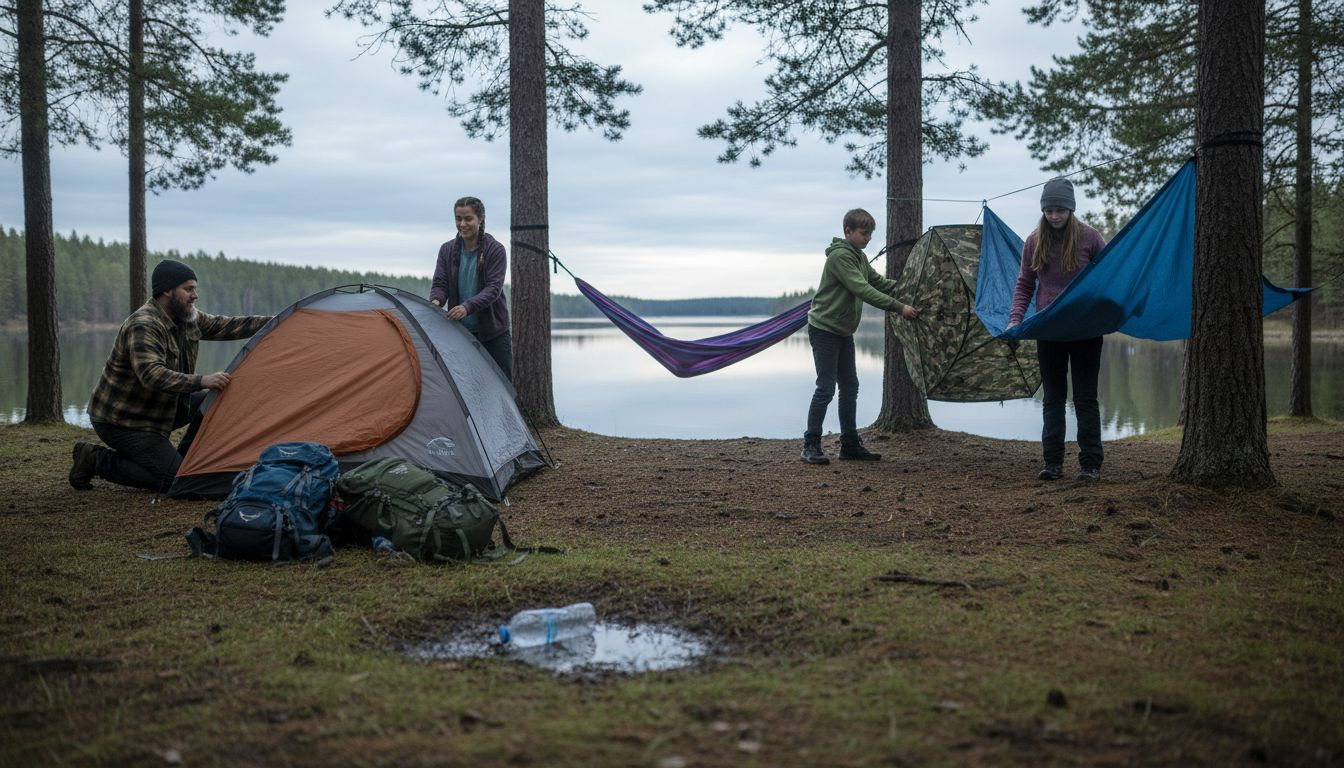
Planning your next camping trip brings a tidal wave of choices, and picking the right outdoor shelter can make or break your comfort in the wild. Whether you are bracing for unpredictable weather or simply want a protective space to rest, sifting through the many shelter options can be overwhelming without clear guidance.
This guide breaks down practical, proven shelter types that offer real protection and suit different adventure styles. You will see how tents, tarps, cabin shelters, and more each bring specific advantages for various camping scenarios.
Get ready to discover the most reliable ways to stay safe, dry, and comfortable outdoors—so you can focus less on weather and more on making memories in nature.
Quick Summary
| Key Insight | Explanation |
|---|---|
| 1. Choose the Right Tent | Selecting the suitable tent can enhance your camping experience, adapting to group size and activity type. |
| 2. Practice Setup at Home | Familiarizing yourself with your gear before the trip ensures quick and efficient setup in the field. |
| 3. Utilize Tarp Versatility | Tarps offer flexible solutions for shelter, allowing quick adaptations to environmental changes during adventures. |
| 4. Consider Cabin Size Needs | Evaluate family size and comfort requirements to select the right cabin tent for memorable experiences. |
| 5. Elevate Comfort with Hammocks | Hammocks provide an elevated sleeping option, minimizing ground moisture and enhancing comfort during camping. |
1. Tents: Versatile Protection for Every Adventure
Tents are the quintessential outdoor shelter, offering adventurers a portable home away from home in the wilderness. Whether you are a weekend warrior or a seasoned backpacker, understanding tent basics can transform your outdoor experience.
Modern tents are engineered to provide comprehensive protection against diverse environmental challenges. Comprehensive weatherproof designs ensure campers stay safe and comfortable in various conditions, from mountain peaks to forest floors.
Key benefits of tents include:
- Portable personal shelter
- Protection from wind and rain
- Insulation against temperature changes
- Privacy in outdoor settings
- Barrier against insects and wildlife
Tent selection depends on multiple factors such as camping location, group size, seasonal conditions, and intended activity. Lightweight backpacking tents differ significantly from spacious family camping models, each designed for specific adventure requirements.
Choosing the right tent can mean the difference between a miserable night and an unforgettable outdoor experience.
Understanding tent construction materials is crucial. Modern tents typically use ripstop nylon or polyester with waterproof coatings, providing durability and weather resistance. Aluminum or carbon fiber poles offer lightweight structural support without compromising strength.
Pro tip: Always practice setting up your tent at home before your camping trip to ensure smooth setup in the field and identify any potential issues beforehand.
2. Tarps: Lightweight and Flexible Shelter Options
Tarps represent one of the most versatile and minimalist shelter solutions for outdoor enthusiasts seeking lightweight protection. These simple yet incredibly functional pieces of fabric can transform any campsite into a comfortable refuge.
Tarps offer exceptional flexibility in outdoor shelter configurations, allowing adventurers to adapt quickly to changing environmental conditions. Emergency shelter techniques demonstrate how tarps can be critical survival tools in unpredictable situations.
Key advantages of tarp shelters include:
- Extremely lightweight design
- Compact and easy to pack
- Rapid deployment in various terrains
- Multiple configuration options
- Cost-effective compared to traditional tents
Practical tarp setup depends on understanding basic rigging techniques. Campers can create protection against wind rain and sun by using trees natural rock formations or dedicated tarp poles as anchor points. Paracord and sturdy stakes become essential tools for creating stable tarp shelters.
A well-deployed tarp can mean the difference between a comfortable outdoor experience and a miserable night in challenging conditions.
Fabric selection matters significantly. Modern tarps typically use ripstop nylon or polyester with waterproof coatings providing durability and weather resistance. Ultralight backpackers often prefer silnylon or cuben fiber materials for their exceptional strength-to-weight ratios.
Pro tip: Practice basic tarp configurations at home before your trip to ensure you can quickly establish shelter in changing outdoor environments.
3. Cabin Tents: Spacious Comfort for Families
Cabin tents represent the ultimate camping solution for families seeking home-like comfort in the great outdoors. These generously sized shelters transform traditional camping experiences by offering unprecedented space and amenities for group adventures.
Family camping accommodations have evolved significantly with cabin tents providing substantial interior room that allows multiple people to move comfortably and store gear efficiently. Vertical walls create standing room unlike traditional dome or tunnel tent designs.Key features of cabin tents include:
- Spacious interior with near-vertical walls
- Multiple room configurations
- High ceiling heights
- Built-in storage compartments
- Improved weather resistance
- Separate sleeping and living areas
Modern cabin tents are engineered with durable materials like heavy-duty polyester and reinforced poles that withstand varying weather conditions. Many models include additional features such as removable room dividers electrical cord access points and large mesh windows for ventilation.
A well-designed cabin tent transforms camping from a challenging outdoor experience into a comfortable family adventure.
Size matters when selecting cabin tents. Families should consider total occupancy requirements interior height and overall packed weight. Most cabin tents range from accommodating 4-10 people with corresponding variations in dimensions and complexity.
Pro tip: Practice setting up your cabin tent at home before your trip to familiarize yourself with the setup process and identify any potential equipment issues.
4. Hammock Shelters: Relaxing Off-the-Ground Sleep
Hammock shelters represent a revolutionary approach to outdoor sleeping that elevates both your physical position and camping experience. By suspending yourself above ground, you unlock a whole new way of experiencing nature and overnight adventures.
Hammock camping techniques offer campers an innovative alternative to traditional ground-based sleeping arrangements. Lightweight and incredibly portable, hammocks transform any two sturdy anchor points into an instant sleeping sanctuary.Key benefits of hammock shelters include:
- Elevated sleeping position
- Protection from ground moisture
- Reduced exposure to insects
- Minimal campsite impact
- Quick and easy setup
- Compact storage
- Versatile terrain adaptability
Modern hammock systems go beyond simple fabric slings. Integrated rainflies mosquito nets and insulation options transform these suspended shelters into comprehensive sleeping solutions for various environments and weather conditions.
A hammock transforms the ground from your sleeping surface into your backyard.
Proper hammock selection requires understanding your specific camping needs. Factors like weight capacity fabric strength suspension system and intended environment all play crucial roles in finding your ideal hammock shelter.
Pro tip: Always test your hammock setup and knot configurations at home before embarking on your outdoor adventure to ensure maximum comfort and safety.
5. Bivy Sacks: Compact Solutions for Solo Campers
Bivy sacks represent the ultimate minimalist shelter for adventurers who prioritize lightweight gear and simplicity. These ultracompact personal shelters strip camping protection down to its most essential elements.
Bivvy camping techniques offer solo travelers an incredibly streamlined approach to outdoor sleeping. Designed for extreme mobility, bivy sacks provide direct protection against wind rain and environmental elements while weighing mere ounces.Key advantages of bivy sacks include:
- Extremely lightweight design
- Minimal packed volume
- Rapid deployment
- Direct ground contact protection
- Perfect for ultralight backpacking
- Ideal for alpine and emergency situations
- Compact storage requirements
Typically constructed from waterproof breathable materials like Gore-Tex these personal shelters create a protective cocoon around your sleeping bag. Advanced models incorporate integrated mesh screens to prevent insect intrusion while maintaining ventilation.
When every ounce matters bivy sacks transform survival gear into an art form of minimalist engineering.
Material selection determines performance with high-end bivy sacks using specialized fabrics that balance waterproofing breathability and durability. Climbers mountaineers and ultralight backpackers particularly appreciate these compact shelters for their versatility.
Pro tip: Always test your bivy sack in controlled environments before relying on it during critical outdoor expeditions to understand its specific performance characteristics.
6. Pop-Up Shelters: Quick and Easy Setups
Pop-up shelters represent the ultimate solution for campers seeking instant protection with minimal effort. These ingenious structures transform from compact packages into full shelters in mere seconds.
Emergency shelter deployment has revolutionized how adventurers think about portable protection. Instant setup technology enables campers to create comfortable spaces faster than ever before.Key advantages of pop-up shelters include:
- Seconds-fast deployment
- Lightweight design
- No complex assembly required
- Versatile usage scenarios
- Compact storage
- Multiple size configurations
- Integrated weather protection
Modern pop-up shelters feature advanced engineering that allows for seamless expansion. Telescoping frames made from lightweight aluminum or fiberglass materials provide structural integrity while remaining incredibly portable.
A great pop-up shelter turns challenging terrain into an instant comfortable campsite.
Fabric technology enhances performance with waterproof coatings and UV-resistant materials. Some models incorporate mesh screening to provide insect protection while maintaining airflow and visibility.
Pro tip: Practice opening and closing your pop-up shelter at home to master the technique and identify any potential setup challenges before your outdoor adventure.
7. Screen Houses: Bug-Free Outdoor Enjoyment
Screen houses provide the ultimate sanctuary for outdoor enthusiasts seeking comfort without the constant battle against insects. These ingenious structures transform backyard and campsite experiences by creating bug-free zones that invite relaxation and enjoyment.
Integrated pest management strategies highlight the importance of physical barriers in outdoor comfort. Mesh walls create invisible protection that allows fresh air and scenic views while keeping pesky insects at bay.Key benefits of screen houses include:
- Complete insect barrier
- Unobstructed outdoor views
- Spacious group gathering area
- Protection from wind and debris
- Easy setup and takedown
- Versatile usage for camping and backyard
- Enhanced outdoor living experience
Modern screen houses feature advanced mesh technologies with fine weaves that block even the tiniest insects while maintaining excellent airflow. Aluminum or fiberglass frames provide sturdy support and quick assembly mechanisms.
A screen house transforms outdoor spaces from insect battlegrounds to peaceful retreats.
Fabric selection determines performance with specialized mesh materials offering UV protection durability and resistance to tearing. Some models incorporate additional features like zippered entries ground stakes and rainfly attachments.
Pro tip: Choose a screen house with a floor to prevent insects from entering from below and ensure maximum protection during your outdoor adventures.
Below is a comprehensive table summarizing the key features, advantages, and best use cases of various outdoor shelters described in the article.
| Shelter Type | Key Features | Advantages | Best For |
|---|---|---|---|
| Tents | Weather-resistant materials, portable and versatile | Comprehensive protection, privacy | General camping and backpacking |
| Tarps | Lightweight and compact, adaptable configurations | Rapid deployment, cost-effective | Minimalist camping and emergency situations |
| Cabin Tents | Spacious interior, vertical walls, multiple rooms | Enhanced comfort, family-friendly | Group camping and family outings |
| Hammock Shelters | Suspended sleeping position, integrated features | Moisture protection, compact storage | Individual camping in varied terrains |
| Bivy Sacks | Ultralight and compact design, protective materials | Ideal for solo adventures, extreme mobility | Ultralight backpacking and alpine camping |
| Pop-Up Shelters | Instant setup technology, lightweight frames | Quick assembly, versatile use | Fast protection in dynamic conditions |
| Screen Houses | Mesh walls, easy assembly | Bug-free environment, outdoor airflow | Recreational outdoor gatherings and backyard use |
Discover the Perfect Outdoor Shelter for Every Adventure
Choosing the right shelter is often the biggest challenge for campers seeking comfort and security while embracing nature. Whether you struggle with heavy packs, complicated setups, or unpredictable weather, understanding the options like tents, tarps, and hammock shelters can make all the difference. Key concerns from the article include finding portable, weatherproof, and easy-to-use shelters that fit your unique camping style.
At Life Camp Adventure, we are committed to solving these challenges with high-quality gear built for durability and simplicity. Explore our range of camping essentials crafted to help you set up quickly, stay protected from the elements, and enjoy your outdoor experience to the fullest.
Ready to upgrade your outdoor shelter and camp with confidence today This is your moment to choose gear that elevates your adventures and matches your needs perfectly Visit Life Camp Adventure now and take the first step toward unforgettable camping trips shaped by comfort and reliability.
Frequently Asked Questions
What are the key benefits of using a tent for camping?
Tents provide portable personal shelter that protects against wind, rain, and various temperature changes. They also offer privacy and act as a barrier against insects and wildlife. To maximize comfort, ensure to select a tent that matches your group size and camping conditions.
How do I set up a tarp shelter effectively?
A tarp shelter is highly adaptable and can be set up quickly using trees or rocks for support. Familiarize yourself with basic rigging techniques to create effective protection against the elements. Practice various configurations at home to be ready for different outdoor conditions.
What should I consider when choosing a cabin tent for my family?
When selecting a cabin tent, consider factors such as total occupancy, interior height, and easy accessibility for family members. Make sure the tent dimensions can accommodate your group comfortably and allow space for gear. Test the setup process at home to streamline your camping experience.
How can hammock shelters enhance my outdoor sleeping experience?
Hammock shelters elevate your sleeping position, protecting you from ground moisture and insects while providing a unique way to enjoy nature. Ensure your hammock system includes elements like rainflies and mosquito nets for full functionality. Test your hammock setup at home to ensure comfort and safety during your trip.
What are the advantages of using bivy sacks for camping?
Bivy sacks are extremely lightweight and compact, making them ideal for solo campers and ultralight backpacking. They provide direct protection from the elements while being easy to deploy. Before you rely on a bivy sack, practice using it in a controlled setting to understand its performance characteristics.
How do pop-up shelters differ from traditional tents?
Pop-up shelters offer instant setup, allowing you to create a comfortable outdoor space within seconds. They are lightweight and require no complex assembly like traditional tents. Familiarize yourself with opening and closing techniques at home to avoid any surprises during your camping trip.
