TL;DR:
- Choosing the right hiking backpack depends on trip length, load weight, and terrain, with internal frames suitable for most hikers. Proper fit, especially torso and hip belt alignment, is crucial for comfort and efficient load transfer, while frameless packs suit ultralight expeditions under 15 pounds. Selecting a pack aligned with your activity ensures better performance, comfort, and overall trail experience.
Picking the right hiking backpack is harder than it sounds. With so many types of hiking backpacks on the market, most people default to what looks good online rather than what actually fits their needs. Volume, frame design, suspension, load capacity — these differences aren't just technical details. They determine whether you finish a trail feeling strong or nursing a sore back at the trailhead. This guide breaks down every major hiking backpack style with real-world context, so you can match the right pack to your trip before you ever hit the trail.
Key takeaways
| Point | Details |
|---|---|
| Match volume to trip length | Use 15–30L for day hikes, 40–55L for weekend trips, and 55–70L for multi-day expeditions. |
| Frame type drives comfort | Internal-frame packs suit most hikers; frameless packs work only for ultralight loads under 20 lbs. |
| Fit beats brand every time | Torso length measurement at the iliac crest is non-negotiable for proper load transfer and comfort. |
| Suspension matches terrain | Mesh-back panels excel in heat; contact-fit systems hold steady on steep, technical ground. |
| Test before you buy | Load the pack with weight before purchasing to feel how the suspension and hip belt actually perform. |
1. Frameless hiking backpacks: ultralight options for minimalists
Frameless packs are the purest expression of lightweight hiking philosophy. There is no internal or external frame structure at all. What you get is a shell, a few pockets, and shoulder straps. That simplicity is the entire point. Frameless packs weigh significantly less than framed alternatives, typically between 15 and 28 ounces compared to 3 or more pounds for framed packs.
The catch is load management. Without a frame to distribute weight to your hips, your shoulders absorb everything above roughly 20 to 25 pounds. At that point, discomfort climbs fast. Frameless packs genuinely shine when your base weight sits under 12 to 15 pounds, which means you need to already be an experienced ultralight packer to benefit from them.
Packing technique matters more with a frameless pack than with any other type. Many hikers use a folded foam sit pad inside the back panel to create structure and protect their spine from hard gear edges. Using sit pads inside a frameless pack immediately improves stability and comfort, turning an otherwise floppy bag into something that actually carries well.
Pros and cons at a glance:
- Pros: Extremely light, often very affordable, packable, and simple to maintain
- Pros: Forces you to think carefully about what you actually carry
- Cons: No hip load transfer above 20 lbs means shoulder strain on heavier loads
- Cons: Less structure makes packing organization harder
- Cons: Not suited for rough technical terrain with heavy gear
Pro Tip: If you're new to frameless packs, test your full kit weight before committing. If your total load creeps above 20 lbs, step up to a lightweight internal-frame option instead. Your shoulders will thank you after mile 10.
These packs connect naturally with the broader world of ultralight camping gear and work best for experienced hikers who have already cut weight from every category of their kit.
2. Internal-frame backpacks: the versatile standard for most hikers
If frameless is for specialists, internal-frame backpacks are for everyone else. They are the most widely used design on the market, and for good reason. A rigid or semi-rigid frame sits inside the pack body, transferring load from your shoulders down to your hips through a padded hip belt. The result is a pack that carries heavy weight far more comfortably than anything frameless.
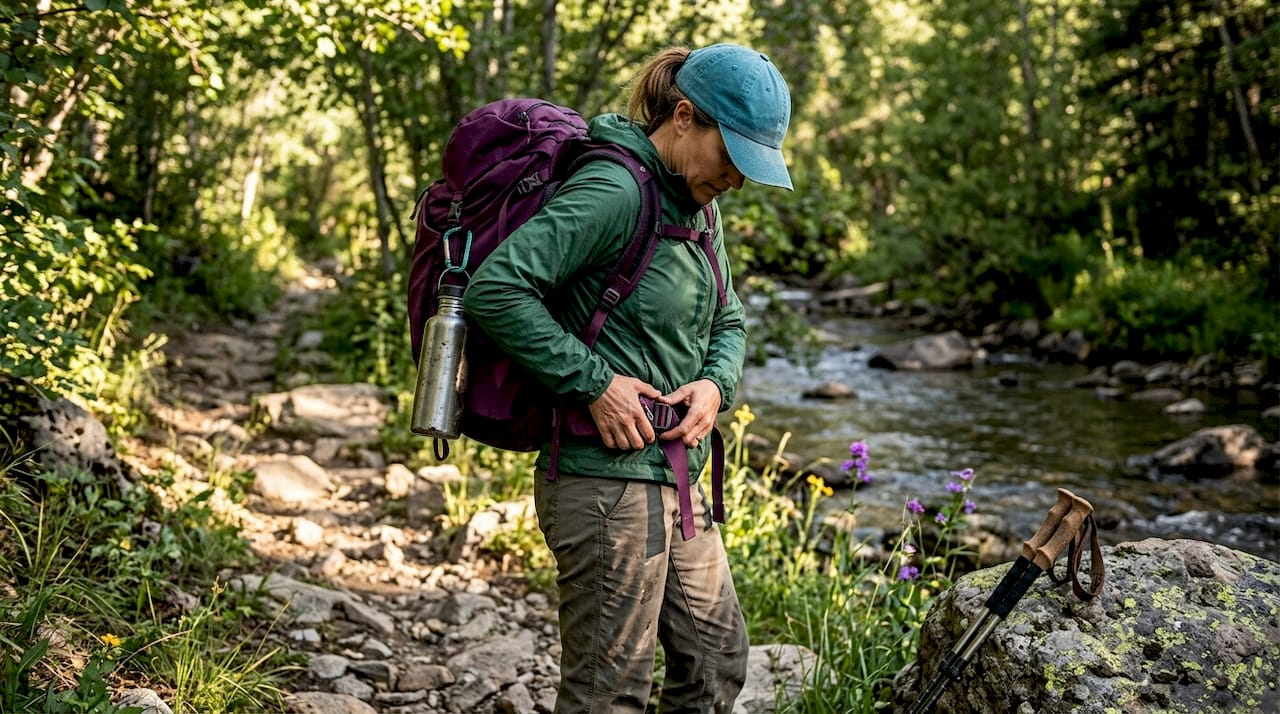
Capacity ranges align neatly with trip length. Volume corresponds to trip type in a fairly predictable pattern: 30 to 45 liters for one to two night trips, 45 to 55 liters for two to four night trips, and 55 to 70 liters for five or more nights. Going larger than you need adds dead weight and throws off your center of gravity.
Suspension systems within this category vary more than people expect:
- Suspended mesh panels (sometimes called trampoline-style backs) create an air gap between your back and the pack, which dramatically reduces sweat. Suspended mesh panels provide superior ventilation on hot-weather hikes.
- Contact-fit systems press the pack against your back for a lower center of gravity and better stability on steep or uneven ground.
- Adjustable torso lengths allow you to dial in fit across different body types, which is a feature worth prioritizing.
Fit is where most people shortchange themselves. Matching suspension to terrain and load influences comfort more than nearly any other variable, including brand name. You can learn more about how ergonomic design affects your experience at Lifecampadventure's backpack fit guide.
The main limitation is that internal-frame packs weigh more than frameless options, though modern designs have narrowed that gap considerably.
3. External-frame backpacks: specialized use for heavy or awkward loads
External-frame packs look like hiking gear from a different era, and in many ways they are. The rigid frame sits on the outside of the pack body, holding the bag away from your back and allowing exceptional airflow. That ventilation advantage is real, but it comes with tradeoffs most modern hikers are unwilling to accept.
The design excels under very heavy loads. External frames become the better choice above 50 to 55 lbs, where internal frames start to struggle with load transfer efficiency. Hunters packing out meat, military personnel, and expedition teams moving bulky or irregular cargo still find external frames useful.
For standard backpacking, though, they fall short:
- Less streamlined on narrow, overgrown trails or technical terrain
- Higher center of gravity creates instability on steep or rocky routes
- Heavier overall system weight compared to modern internal-frame equivalents
- Limited frame adaptability to different torso lengths and body shapes
The bottom line is straightforward. If you are carrying a conventional backpacking load under 50 lbs on marked trails, an internal-frame pack serves you better in almost every way. External frames are purpose-built tools for specific, heavy-load scenarios.
4. Day hiking backpacks: lightweight packs for trail days
Day hiking backpacks occupy the sweet spot between a hydration pack and a full overnight setup. They typically run 15 to 30 liters, which is enough room for water, food, a layer, a first aid kit, and whatever else a full trail day demands.
The key distinction is that these packs carry no overnight gear. That single constraint shapes everything about their design. Hip belts are often minimal or absent entirely. Frames are thin or nonexistent. The focus is on lightweight construction and easy access rather than load management.
A 20 to 25 liter capacity is ideal for most single-day hikes, giving you ample space without encouraging you to overpack. Going smaller than 15 liters starts limiting your safety margin for longer routes. Going larger than 30 liters starts to blur the line between a daypack and a light overnight pack.
These packs pair well with guidance on planning your trip kit, where getting your load right from the start makes the whole experience cleaner.
5. Hydration packs: speed-focused, water-first design
Hydration packs prioritize one thing above all else: keeping you drinking without breaking stride. They integrate a water bladder (usually 1.5 to 3 liters) with a drinking tube routed over your shoulder, letting you hydrate hands-free at any pace. Hydration packs are typically sized 5 to 15 liters and designed for fast-paced day hikes, trail runs, and bike rides.
They are not backpacking packs. Carrying one for a multi-day trip means leaving behind critical gear or strapping things awkwardly to the outside. Their value is speed and simplicity on shorter routes where you need water constantly but don't need much else.
6. Specialized hiking backpack styles worth knowing
Beyond the main categories, several specialized backpacking pack types serve specific use cases that generic packs handle poorly.
Climbing packs (30 to 45 liters) feature gear loops for quickdraws, ice axe attachments, and stripped-down hip belts that don't interfere with a harness. Carrying one on a non-climbing route is needlessly inconvenient. Using a standard pack on technical climbing routes is genuinely risky.
Winter packs often include insulated compartments or hydration tube insulation to prevent freezing, reinforced bases for crampons, and attachment points for snowshoes and skis. The frame systems also tend to be stiffer, handling the denser, heavier loads that winter camping demands.
Hunting packs lean toward external-frame or heavy-duty internal-frame designs built for the weight of field-dressed game, scent-control materials, and bulky equipment like bows or rifles.
Here's a quick comparison to help you see where each specialized type fits:
| Pack type | Volume | Primary use | Frame type |
|---|---|---|---|
| Hydration pack | 5–15L | Fast day hikes, trail runs | None or minimal |
| Daypack | 15–30L | Full trail days, light loads | None or minimal |
| Climbing pack | 30–45L | Technical climbing approaches | Internal, minimal hip belt |
| Winter pack | 45–70L | Snow camping, ski touring | Stiff internal frame |
| Hunting pack | 50–80L+ | Heavy field loads, game haul-out | External or heavy internal |
The right choice depends entirely on your primary activity. Don't make a hunting pack do climbing duty, and don't haul a 70-liter winter pack on a summer day hike.
7. Side-by-side comparison of hiking backpack types
Choosing between types gets easier when you see all the variables laid out together. Here is where each major pack type lands across the factors that matter most:
| Pack type | Weight | Capacity | Best for | Terrain suitability |
|---|---|---|---|---|
| Frameless | 15–28 oz | 20–50L | Ultralight hikers, base weight under 15 lbs | Moderate, well-maintained trails |
| Internal frame | 2–5 lbs | 30–70L | Most hikers, all trip lengths | All terrain types |
| External frame | 4–7 lbs | 50–100L+ | Very heavy or bulky loads | Flat to moderate terrain |
| Daypack | Under 1.5 lbs | 15–30L | Single-day hikes | Any |
| Hydration pack | Under 1 lb | 5–15L | Short fast hikes, trail runs | Any |
The practical decision framework comes down to three questions. First, how long is your trip? Longer trips need more volume and better load transfer. Second, how heavy is your total kit? Anything above 20 lbs needs a frame. Third, what is the terrain like? Technical or steep ground favors contact-fit internal frames over any open-back or frameless option.
Pro Tip: Before buying any pack, load it with the actual weight you plan to carry. Walk around the store for at least 10 minutes. Hip belts that feel fine empty often create pressure points under load, and that information is worth having before you commit.
For multi-season trips, the Alps packing checklist offers solid guidance on building out your full gear list around whatever pack you choose.
My honest take after years on the trail
I've watched countless hikers buy expensive packs and still end the day miserable, while others carry budget frames and feel great at mile 20. After spending enough time paying attention to why that happens, the answer is almost always fit and suspension, not price.
Here's what I've learned that most people skip entirely: torso length measurement is non-negotiable. Packs mismatched to torso curvature fail to transfer weight to the hips, which loads your spine and shoulders with forces they're not designed to handle for hours at a time. You can have a $400 pack that fits wrong and a $120 pack that fits right. The $120 pack wins every time.
The load transfer science is also underappreciated. Improper fit can increase iliac crest force concentration by 300% and optimal load distribution reduces metabolic cost by up to 19%. That's not a minor detail. That's the difference between finishing strong and bonking at mile 8.
My other consistent observation: people overrate frameless packs without first going ultralight everywhere else. A frameless pack with a heavy sleeping bag and bulky shelter just dumps that weight onto your shoulders. The pack didn't fail you. The system wasn't ready for it.
Try before you buy. Load the pack. Walk in it. Then decide.
— Billy
Gear up with the right pack from Lifecampadventure
Finding the right pack from among all the types of hiking backpacks available gets a lot simpler when you have quality options in one place. Lifecampadventure carries gear built for real trail conditions, from compact daypacks for single-day routes to full-volume internal-frame setups for multi-day expeditions. Every piece of gear in the lineup is selected for durability, comfort, and trail-tested performance.
If you're still building out your full kit, the essential camping gear guide covers everything you need beyond the pack itself. Pair your backpack choice with the right shelter, sleep system, and nutrition setup, and you're ready for whatever the trail throws at you. Explore the full Lifecampadventure gear selection at lifecampadventure.com and outfit your next adventure with confidence.
FAQ
What are the main types of hiking backpacks?
The main types of hiking backpacks are frameless packs, internal-frame packs, external-frame packs, daypacks, and hydration packs. Each is designed for different load weights, trip lengths, and terrain types.
How do I choose between a frameless and internal-frame pack?
Choose a frameless pack only if your total load stays under 20 lbs; for anything heavier, an internal-frame pack transfers weight to your hips far more comfortably and reduces fatigue on long days.
What size hiking backpack do I need for a day hike?
A 20 to 25 liter daypack covers most single-day hikes comfortably, with enough room for water, food, a layer, and safety essentials without unnecessary bulk or weight.
When does an external-frame backpack make sense?
External-frame packs make sense for loads above 50 to 55 lbs, particularly for hunting, heavy expeditions, or carrying bulky or irregular cargo where standard internal frames struggle to distribute weight effectively.
Does backpack fit really matter more than capacity?
Yes. A correctly fitted pack with proper torso measurement and hip belt placement transfers load to your hips instead of your spine, which reduces fatigue and prevents injury regardless of how many liters the bag holds.
