TL;DR:
- Group camping fosters teamwork, bonding, and problem-solving across all age levels.
- It provides safety and emotional support, reducing risks and increasing confidence.
- Proper planning, shared gear, and balancing activities ensure a smooth, memorable trip.
Planning a camping trip with a big group sounds exciting until the logistics hit you all at once. Who brings the stove? Where does everyone sleep? What happens if someone gets hurt? These are real questions families and friend groups face every time they plan an outdoor adventure together. The good news is that group camping turns most of these challenges into advantages. When you plan smart, assign roles, and pack the right gear, the experience becomes something far more rewarding than a solo trip. This article covers the core benefits, practical tips, and essential gear to make your next group camping trip one everyone talks about for years.
Key Takeaways
| Point | Details |
|---|---|
| Teamwork builds bonds | Shared efforts in group camping foster teamwork and deeper relationships. |
| Safety and support | Camping with others provides a reliable safety net and emotional comfort. |
| Learning through tasks | Group camping encourages practical learning and skill-building for all ages. |
| Essential gear matters | Choosing the right equipment helps group camping trips go smoothly and comfortably. |
Building teamwork and lasting bonds
Having established the promise of group camping, let's explore its most immediate advantage: the way it brings people together.
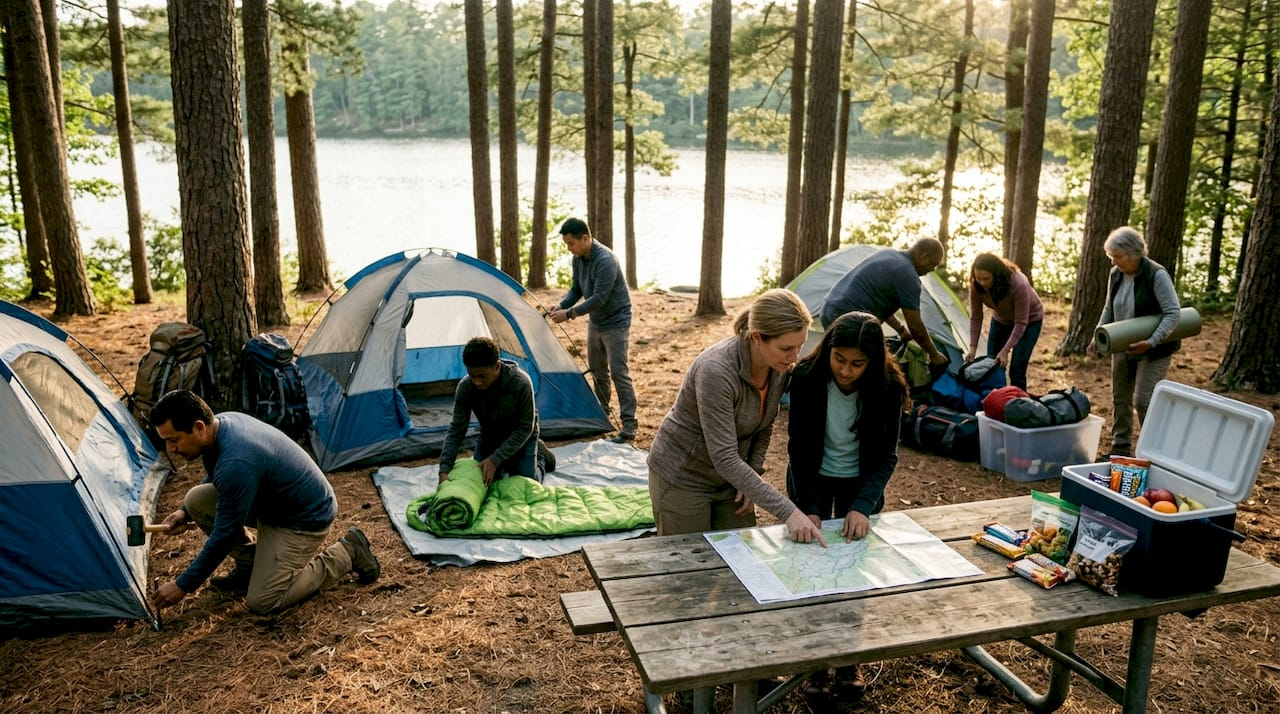
Group camping is one of the few experiences where everyone has to work toward the same goal at the same time. Setting up tents, prepping meals, gathering firewood, these are not just chores. They are moments where people figure out how to communicate, compromise, and contribute. That kind of real-world collaboration is hard to replicate anywhere else.
Shared tasks in group camping like setting up camp, cooking, and planning activities build teamwork, problem-solving skills, responsibility, and confidence, especially in children. Kids who might be shy or hesitant at home often step up in a campsite setting because the roles are clear and the rewards are immediate. A child who helps cook dinner for the group feels genuinely proud of that contribution.For adults, the benefits are just as real. Pre-trip coordination, like deciding who brings what gear and mapping out the route, sharpens communication skills and builds trust before you even leave the driveway. Once you're at the site, those bonds deepen through shared group camping insights and experiences that no photo can fully capture.
Here are a few ways to structure group roles before and during your trip:
- Trip coordinator: Handles reservations, permits, and group communication
- Gear manager: Tracks shared equipment and ensures nothing gets left behind
- Meal planner: Organizes food prep, dietary needs, and cooking schedules
- Safety lead: Reviews first aid basics and monitors weather conditions
- Activity director: Plans hikes, games, and downtime for all ages
"The campfire is where stories get told, but it's the work before the fire that builds the friendship." This is something we believe deeply at Life Camp Adventure, and it shows up every time a group comes back from a trip closer than when they left.
Pro Tip: Use a shared digital doc or group chat to assign roles at least two weeks before the trip. This prevents last-minute confusion and gives everyone a sense of ownership before you even hit the road. You can also find helpful family camping safety tips to layer into your pre-trip planning.
Safety, comfort, and support: The group advantage
Beyond fostering connections, camping as a group delivers practical and emotional benefits that solo travelers often miss.
One of the biggest fears people have about camping, especially with kids, is safety. What if someone gets hurt? What if wildlife shows up? What if the weather turns? These concerns shrink significantly when you're with a group. More people means more eyes, more hands, and more problem-solving capacity in any situation.
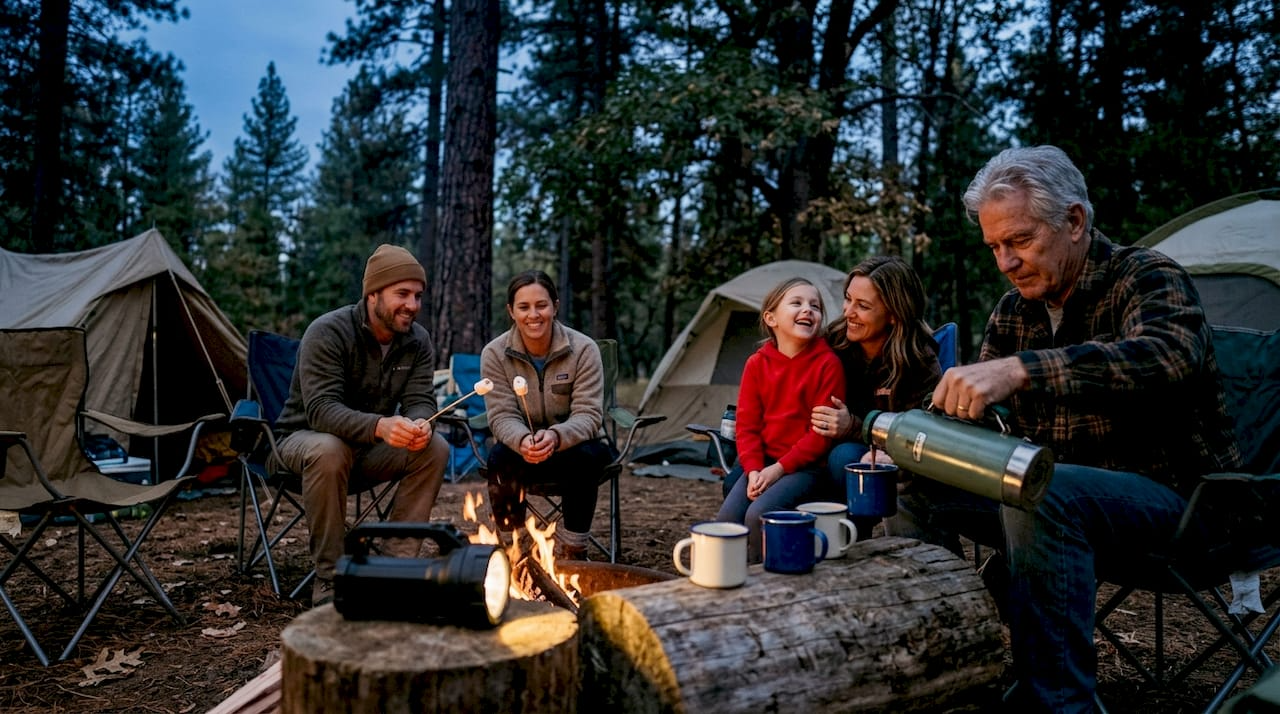
Group camping provides a safety net, minimizes risks, and makes outdoor activities more enjoyable and accessible, especially for families and beginners. Families who camp together as part of a larger group report feeling far more confident handling unexpected situations than those who go it alone. That confidence is not just emotional, it translates into better decisions on the trail and at the campsite.
Here is what the group safety advantage looks like in practice:
- Wildlife encounters: Larger groups are louder and more visible, which naturally deters most wildlife
- Medical emergencies: More people means someone is always available to help or go for assistance
- Navigation errors: Group members can cross-check routes and decisions together
- Weather changes: Shared gear like extra tarps and blankets goes further in a group
- Beginner support: New campers learn faster and feel safer surrounded by experienced friends or family
For those just getting started, family camping safety stats show that group settings dramatically reduce the likelihood of serious incidents. And if you want to build your foundational knowledge before the trip, brushing up on outdoor survival basics is always a smart move.
The emotional support element is just as important. When a hike gets tough or the rain doesn't stop, having people around you who share the struggle makes it bearable, even funny in hindsight. Solo camping has its own appeal, but group camping gives you a safety net and a built-in cheering squad at the same time. That combination is hard to beat, especially for group trip planning with mixed experience levels.
Shared tasks and skill-building
With safety and support established, it's important to see how daily tasks themselves turn group camping into a hands-on learning opportunity.
Every camping trip is a classroom without walls. The difference with group camping is that the lessons happen faster and stick longer because they're social. When a teenager figures out how to pitch a tent with a friend watching, they remember it. When a parent teaches a child to start a campfire safely, that moment becomes a story told at family dinners for years.
Shared tasks in group camping build teamwork, problem-solving skills, responsibility, and confidence across all age groups. The key is not just assigning tasks randomly. It's about matching responsibilities to skill levels and rotating them so everyone grows.
Here is a simple framework for organizing shared responsibilities:
- List all required tasks before the trip, from packing to cleanup
- Match tasks to skill levels so beginners get manageable roles and experienced campers take on complex ones
- Rotate roles on multi-day trips so everyone learns different skills
- Debrief each day with a quick group check-in to solve problems before they grow
- Celebrate wins like a great group meal or a successful fire start to keep morale high
"The best group camping trips aren't the ones where everything goes perfectly. They're the ones where the group figures things out together."
Using a solid family camping checklist helps you cover the basics, and a detailed camping checklist essentials guide ensures nothing critical gets left behind. When everyone knows what they're responsible for, the trip runs smoother and the learning sticks.
Essential group camping gear and tips
Skill-building is more effective when supported with the right equipment, so let's look at the gear and planning strategies that make group camping seamless.
Gear makes or breaks a group trip. Too little and you're scrambling. Too much and no one can carry it. The goal is a smart, shared gear system where everyone contributes and nothing is duplicated unnecessarily.
Recommended gear for groups and families includes large tents like the REI Base Camp 6 or North Face Wawona 6 for five to six people, thick sleeping pads like the Exped MegaMat, two-burner stoves, shared coolers and water jugs, first aid kits, and group games or chairs. These are not luxury items. They are the foundation of a comfortable, functional group campsite.Here is a quick comparison of top-rated tents for group camping:
| Tent model | Capacity | Key feature | Best for |
|---|---|---|---|
| REI Base Camp 6 | 6 people | All-season durability | Families in varied weather |
| North Face Wawona 6 | 6 people | Spacious interior | Comfort-focused groups |
| Coleman Sundome 6 | 6 people | Budget-friendly | First-time group campers |
| Kelty Wireless 6 | 6 people | Easy setup | Groups with kids |
Beyond tents, here are the essentials every group should pack:
- A two-burner stove for efficient meal prep
- A large shared cooler with a clear labeling system
- A group first aid kit stocked for the number of people on the trip
- Portable water filtration for backcountry trips
- Folding chairs and a group tarp for shared outdoor living space
Pro Tip: Assign one person per family or sub-group to own a specific gear category. One family handles cooking equipment, another handles shelter, another handles safety supplies. This prevents overlap and gaps. Browse our best tents for families guide and camp cooking essentials list before your next trip, and check out our packing tips for campers to keep things organized from the start.
Looking beyond the obvious: What most group camping guides miss
Most group camping guides stop at gear lists and task assignments. That's useful, but it skips the part that actually determines whether a trip is great or just okay: managing group energy.
Every group has a mix of personalities. Some people want to hike all day. Others want to sit by the fire and read. Ignoring that tension leads to friction. The smartest thing you can do is build in both structured group time and genuine downtime from the start. Schedule the big hike, but also protect the slow morning with coffee and no agenda.
Leave No Trace principles matter even more in groups. The essential camping gear types you bring should include waste management tools, because a group of eight leaves a much bigger footprint than a solo camper. Pack it in, pack it out, every time.
Small coordination tweaks prevent big problems. A shared spreadsheet with gear assignments, meal plans, and emergency contacts takes thirty minutes to build and saves hours of confusion on the road. Rotate who leads each day's activities so no one person carries the planning burden the whole trip. What group camping really adds, beyond the logistics, is a shared story. That's the part no guide can hand you. You build it together, one campfire at a time.
Find your next group camping adventure gear
Ready to plan your next trip? Here's where to find reliable gear and expert reviews for group camping.
At Life Camp Adventure, we've put together detailed guides and gear comparisons specifically for families and friend groups who want to camp smarter. Whether you're shopping for your first large tent or upgrading your group cooking setup, we make it easy to find what actually works in the field.
Explore our camping tents comparison to find the right shelter for your group size, or browse our full best camping gear roundup for top-rated picks across every category. Not sure where to start? Our why choose camping equipment guide breaks down what to prioritize so you invest in gear that lasts and performs when it counts.
Frequently asked questions
What are the main benefits of group camping?
Group camping offers safety, shared responsibilities, teamwork-building, comfort, and memorable bonding experiences. Group camping enhances teamwork, problem-solving, and confidence, especially in children, making it one of the most rewarding outdoor formats for families.
What gear should families or groups prioritize for camping?
Focus on large tents, thick sleeping pads, shared cooking setups, coolers, first aid kits, and group games or chairs. Recommended group gear includes options like the REI Base Camp 6 tent and Exped MegaMat sleeping pads for maximum comfort and durability.
How does group camping compare to solo camping?
Solo camping offers solitude and personal challenge, while group camping delivers camaraderie, safety, emotional support, and shared learning. Group camping offers camaraderie and a safety net that solo camping simply cannot match, especially for beginners or families with young children.
What planning tips help groups avoid friction during camping trips?
Use shared gear sheets, assign roles, coordinate meals, and balance group activities with quiet time for a smooth experience. Effective group camping relies on pre-trip coordination via shared sheets, role assignments, and clear communication to prevent common friction points before they start.
