TL;DR:
- Hydration packs enable hands-free, continuous water access, enhancing hydration and outdoor performance.
- Choosing the right size, style, and maintenance routine optimizes their benefits across various activities and conditions.
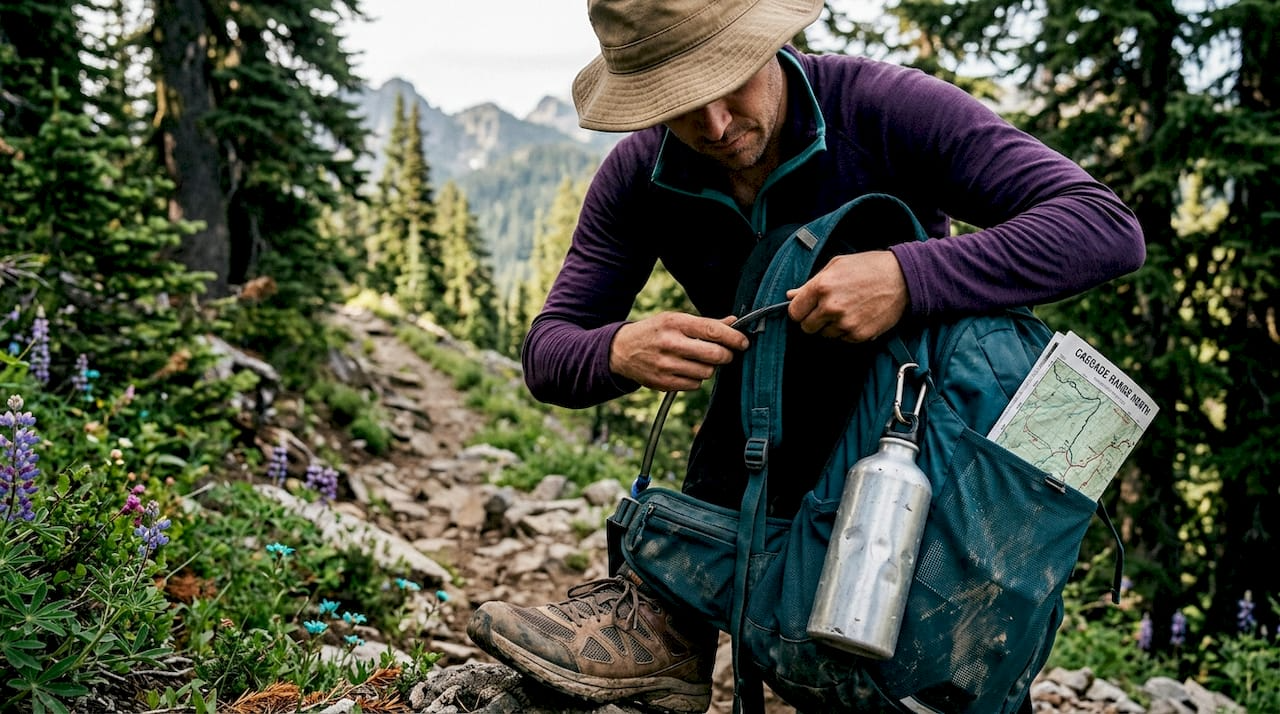
You grab a water bottle before a day hike. Two miles in, you're sweating hard, your pack is digging into your shoulders, and reaching back for that bottle feels like a minor chore you keep skipping. That's the problem. The role of hydration packs isn't just about carrying more water. It's about making hydration effortless enough that you actually do it consistently. Whether you're running singletrack, thru-hiking ridgelines, or mountain biking through technical terrain, how you carry water changes how well you perform and how safely you finish.
Key takeaways
| Point | Details |
|---|---|
| Hands-free drinking works | Hydration packs let you sip without stopping, which directly increases how often you drink. |
| Reservoir size matters | Match your reservoir to your activity. A 2-liter reservoir covers most full-day hikes. |
| Maintenance is non-negotiable | Dry your reservoir completely after every use to prevent mold and bacterial contamination. |
| Cold weather is a real limitation | Tube freezing is the main failure point in freezing temperatures. Plan accordingly. |
| Bottles still have a place | Hybrid setups combining a hydration pack and a water bottle work best for multi-day or cold weather trips. |
The real role of hydration packs in outdoor adventures
A hydration pack is a backpack, vest, or harness built around a water reservoir, commonly called a bladder. The reservoir connects to a flexible drinking hose that routes over your shoulder and ends at a bite valve you can drink from without using your hands. Most standard reservoirs hold 1.5 to 3 liters, giving you enough capacity for anything from a short trail run to a full day in the backcountry.
The core components of any hydration pack are:
- Reservoir (bladder): A flexible water storage bag, typically made from BPA-free polyethylene or TPU, that sits in a dedicated sleeve inside the pack
- Drinking hose: A flexible tube that routes the water from the reservoir to your mouth, usually routed over the shoulder strap
- Bite valve: A silicone mouthpiece that opens when you bite and close when you release, preventing leaks and allowing one-handed drinking
- Pack body: The carry system itself, ranging from minimalist running vests to full-featured backpacks with storage for gear, food, and layers
Pack styles vary significantly. Backpack-style hydration packs like those used on long day hikes carry more gear and distribute weight across your back and hips. Vest-style packs designed for trail running minimize bounce and fit close to your body like a piece of apparel. Chest harnesses and ultralight vests prioritize speed over storage. Each style targets a different type of movement and activity intensity.
Compared to a traditional water bottle, a hydration pack removes two friction points. You don't need to stop moving, and you don't need a free hand. That might sound minor. On a technical descent or a steep climb where your hands are occupied, it's the difference between drinking regularly and running dry.
Why hydration packs matter for outdoor performance
The advantages of using hydration packs go beyond convenience. Ready access to water increases hydration compliance during strenuous activity. When drinking requires no effort, you drink more often and in smaller amounts, which is exactly what sports medicine recommends for sustained exertion.
Here's why hydration pack importance shows up in real-world performance:
- Consistent sipping beats catch-up drinking. Thirst is a late signal. By the time you feel it, you're already behind. Hydration packs encourage small, frequent sips that keep you ahead of dehydration without the stomach distress that comes from gulping large amounts at once.
- Capacity matches real-world needs. The recommended intake during hiking is 4 to 8 oz per hour, and a 2-liter reservoir handles a full-day hike with room to spare. Bigger packs hold up to 3 liters for high-output days.
- Weight distribution reduces fatigue. A reservoir sitting flush against your back centers the water weight close to your spine. A water bottle hanging from a hip belt or stuffed in a side pocket shifts that weight unevenly. Over miles, the difference adds up.
- Protection from temperature extremes. Quality reservoirs are insulated against solar heat, keeping your water cooler longer during summer desert hikes. Some packs also include insulated tube sleeves for use in cold conditions.
- Storage integration makes the system work. Most hydration packs include pockets, loops, and straps for snacks, emergency gear, a rain jacket, and a first aid kit. You carry hydration and essentials in one system.
Pro Tip: If you're sweating heavily, don't rely on water alone. Add an electrolyte tablet or powder to your reservoir. Most bladder materials handle electrolyte solutions well, though you should rinse and dry more thoroughly afterward to prevent residue buildup.
How to choose and use hydration packs effectively
Getting the most from a hydration pack starts with matching the system to your specific activity. Choosing wrong means either carrying unnecessary weight or running out of water mid-route.
Size your reservoir to your activity. A 1.5-liter bladder works for trail runs under two hours. A 2-liter reservoir covers most full-day hikes comfortably. For intense backcountry days or desert hiking where water sources are scarce, go to 3 liters and build in refill stops along your route.
Choose your pack style based on movement type. Hydration vests fit like apparel and are purpose-built for running. Traditional backpack-style hydration packs suit hikers who need more gear storage. If you're cycling, a low-profile pack that sits between your shoulder blades keeps aerodynamics intact.
Integrate with a broader hydration strategy. A hydration pack works best as part of a complete system. Check out the hydration strategies for hikers that Lifecampadventure recommends for pairing your pack with electrolytes, shade breaks, and smart timing.
Clean your reservoir after every use. Drying hydration reservoirs completely after every outing is the single most important maintenance habit. Use a reservoir drying rack, turn the bladder inside out if possible, and store it open in a clean, dry space. Mold grows fast in warm, damp conditions.
Replace tubes annually. Proper drying and annual tube replacement prevents mold buildup that causes off-flavors and, over time, health risks. Bite valves are cheap and prone to wear. Replace them at the start of each season.
Handle freezing conditions proactively. In temperatures below freezing, blow water back into the reservoir after each sip. This clears the tube so ice can't form inside it. Insulated tube covers help, but the blow-back technique is your real defense against a frozen, useless system mid-hike.
Pro Tip: Look for packs with quick-refill sleeves that let you access the reservoir from outside the pack without removing it. This feature, valued by endurance racers and festival attendees, saves minutes at water sources and cuts down on fumbling.
Hydration packs vs. other hydration options
Understanding when hydration packs outperform alternatives, and when they don't, helps you make a smarter gear decision. Hydration packs range from $85 to $265 and from 8 to 28 liters of total storage. That's a real investment, and it deserves real context.
| Hydration option | Best for | Limitations |
|---|---|---|
| Hydration pack | Technical terrain, warm weather, runs and hikes over 2 hours | Harder to monitor water intake, tube freezes in cold |
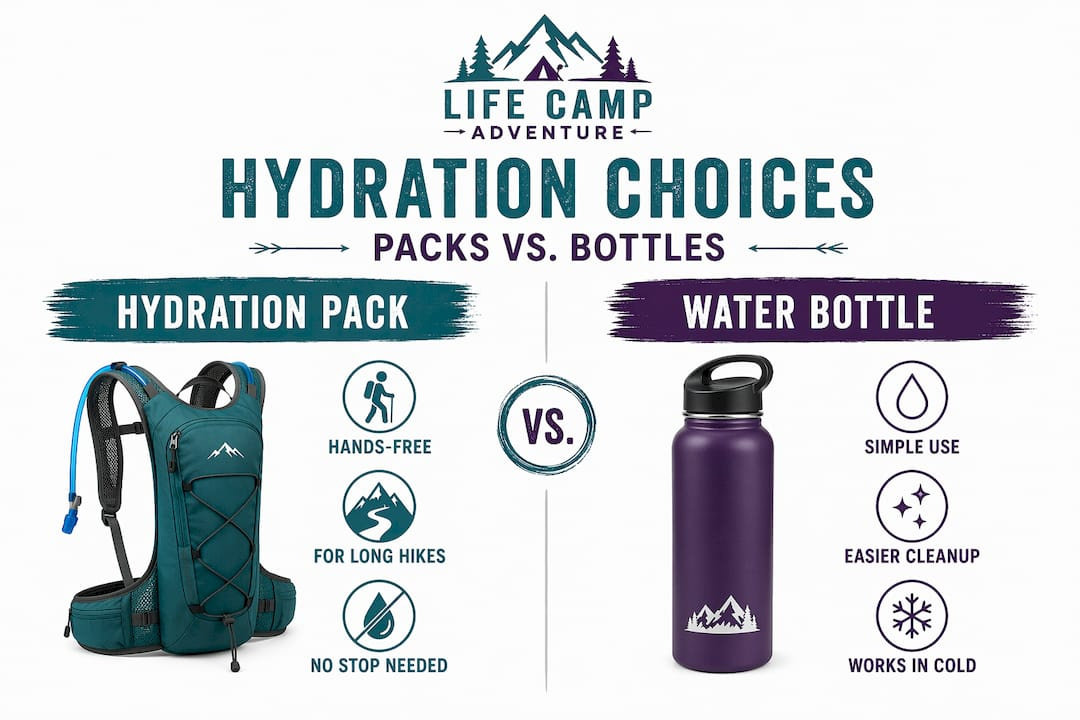
| Water bottle | Short hikes, cold weather, multi-day trips with varied water needs | Requires stopping to drink, can't go hands-free |
| Soft flask | Ultra-light running, races | Very low capacity, not practical for full-day activities |
| Hydration vest | Trail running, fast-packing | Limited gear storage, designed for speed not comfort |
The main advantage hydration packs provide is removing the decision to drink. When your water is always six inches from your mouth, the barrier disappears. That psychological benefit is real and measurable in how hikers actually perform.

The limitations are also real. Tube freezing is the primary failure point in cold weather conditions. Water bottles are easier to maintain and more durable than hydration bladders. And because the reservoir is opaque and hidden inside your pack, you can't glance down and know how much water you have left the way you can with a clear bottle.
The smartest approach for most hikers is a hybrid setup. Carry a hydration pack for the bulk of your water and a small bottle or soft flask on the outside of the pack for easy monitoring and cold-weather backup. Hydration bladders encourage frequent small sips that prevent gastric issues during hard efforts, while bottles remain more reliable for multi-day and cold-weather conditions.
My honest take after years on the trail
I've made every hydration mistake there is. I've run dry on a summer ridge because I didn't trust my reservoir to hold enough. I've had a tube freeze solid at 19 degrees on a winter approach, turning a full bladder into dead weight. And I've used a bottle for a technical scramble where I needed both hands, which meant I didn't drink for 90 minutes.
Here's what I've learned that most articles skip: the hydration pack isn't the answer to everything, but it earns its place on the majority of outings. The real mistake I see people make is treating it as set-and-forget gear. They fill it, hike, and then toss it in a closet wet. That's how you get a moldy bladder and a bad-tasting sip six months later that makes you swear off the whole system.
My actual practice now: every pack gets drained, rinsed with warm water, dried on a rack overnight, and stored flat and open. I replace bite valves at the start of each season. I add an insulated tube cover for any trip where temperatures might drop below 35 degrees. And I always carry a 16 oz soft flask in my hip pocket as a backup.
The packs I keep reaching for are the ones that disappear on my body. If I'm thinking about the pack, it's not doing its job. The best hydration packs for hikers are the ones you forget you're wearing because they fit that well.
— Billy
Gear up right with Lifecampadventure

Getting the hydration system right is one piece of a well-built kit. At Lifecampadventure, we focus on gear that actually holds up when conditions get serious. Whether you're choosing your first hydration pack or building out a full-day hiking setup, our camping gear comparison guide breaks down top-rated options with honest performance notes. You can also check our outdoor adventure gear page for a broader look at what to pack for different terrain and seasons. Pair your hydration setup with the right packable outdoor clothing and you'll be ready for whatever the trail sends your way.
FAQ
What is the main role of hydration packs?
Hydration packs deliver hands-free, on-demand water access so you can drink consistently during active outdoor pursuits without stopping. Their primary function is removing the friction between you and staying hydrated.
Are hydration packs worth it for day hikes?
Yes. A 2-liter reservoir handles most full-day hikes, and the hands-free drinking system keeps you hydrated more consistently than reaching for a bottle. The investment pays off in comfort and performance on any hike over two hours.
How do you prevent mold in a hydration pack?
Dry your reservoir completely after every use, store it open in a clean dry space, and replace the tube and bite valve annually. Specialized drying racks and cleaning brushes make the process significantly easier.
Can you use hydration packs in cold weather?
You can, with precautions. Blow water back into the reservoir after each sip to prevent tube freezing, and use an insulated sleeve on the hose. For very cold conditions, a water bottle is often a more reliable backup option.
How big of a reservoir do I need?
Match reservoir size to your activity duration. A 1.5-liter bladder works for short trail runs, a 2-liter handles most full-day hikes, and a 3-liter suits high-output backcountry days or hikes where water sources are limited.
