TL;DR:
- Freeze-dried meals retain most of their nutrients and have a shelf life of over 25 years. They are lightweight, easy to prepare, and perform reliably in various conditions. These meals are ideal for long trips, emergency storage, and high-energy outdoor activities.
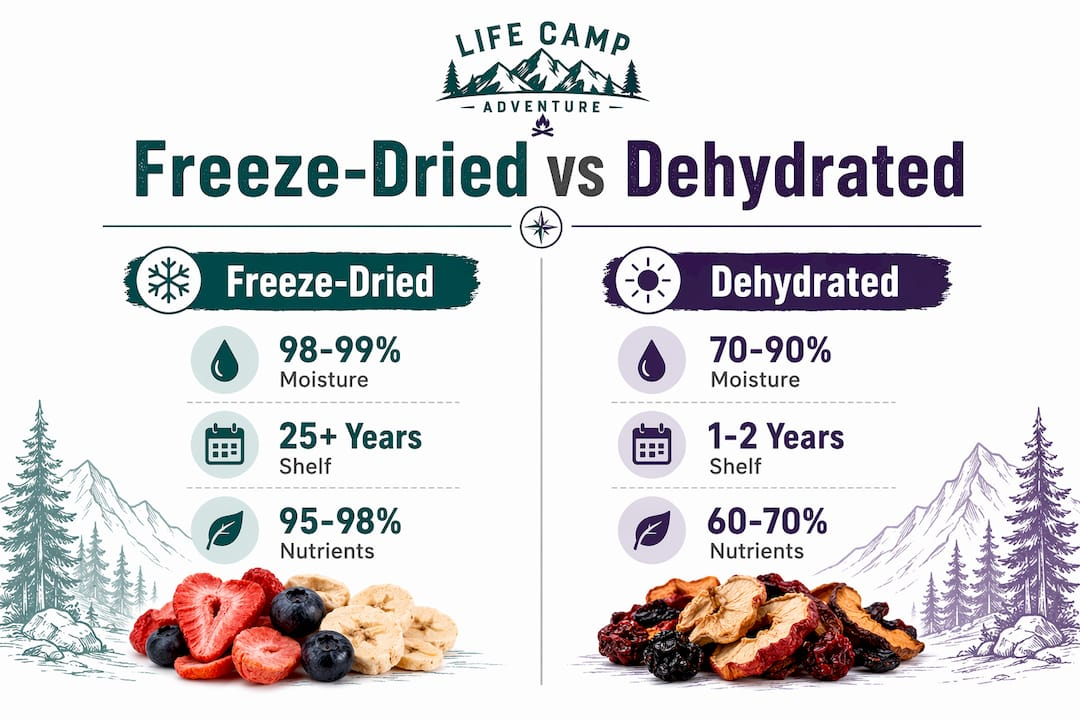
Freeze-dried meals are defined as foods processed through lyophilization, a method that removes 98–99% of moisture via sublimation at sub-zero temperatures, locking in nutrients and extending shelf life to 25 years or more. The role of freeze dried meals in outdoor and emergency contexts is not a convenience story. It is a nutrition and survival story. These meals retain 95–98% of original nutrients, outperforming dehydrated and canned alternatives by a wide margin. For hikers, campers, and emergency preppers, that combination of low weight, long shelf life, and preserved nutrition makes freeze-dried meals one of the most reliable food systems available.
How does the freeze-drying process work?
Freeze-drying, known industrially as lyophilization, works in three stages: freezing, primary drying, and secondary drying. Food is first frozen solid, then placed in a vacuum chamber where pressure drops low enough that ice converts directly to vapor without passing through a liquid phase. That process is called sublimation, and it is what makes freeze-drying fundamentally different from heat-based dehydration.
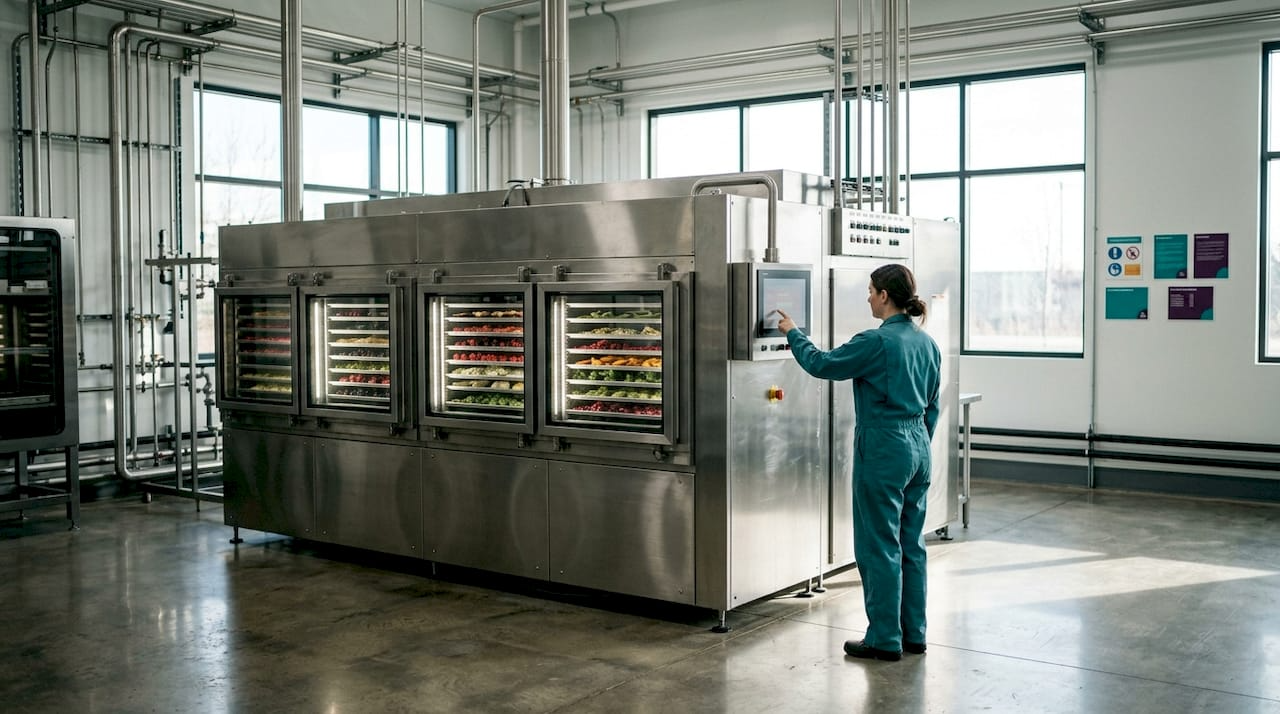
Sublimation removes 98–99% of moisture from the food without applying heat. Heat destroys heat-sensitive vitamins, particularly vitamin C, which is the nutrient most commonly lost during conventional dehydration. Because freeze-drying skips heat entirely, those vitamins survive intact. The result is food that is shelf-stable, light, and nutritionally close to its fresh state.
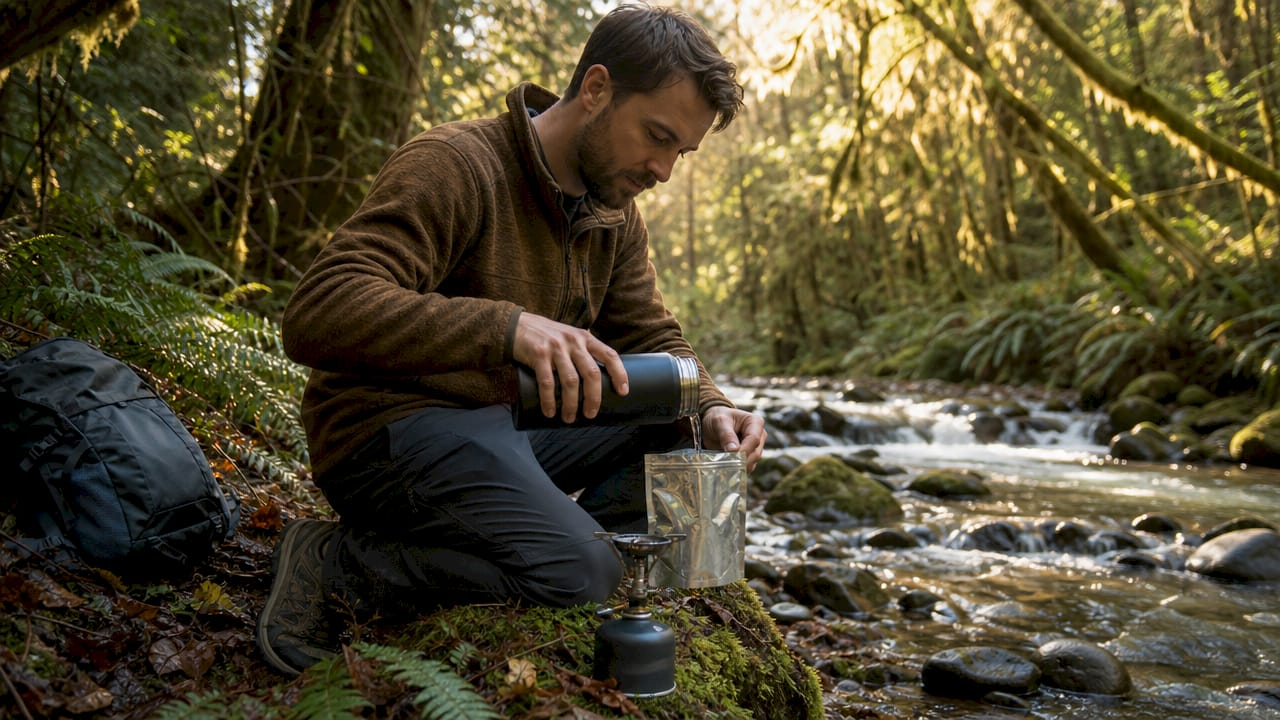
Rehydration is fast. Most freeze-dried meals rehydrate in 5–15 minutes by adding hot water directly to the pouch. That speed matters at camp after a 12-mile day when your energy is low and your patience is lower.
| Feature | Freeze-dried | Dehydrated |
|---|---|---|
| Moisture removed | 98–99% | 70–90% |
| Shelf life | 25+ years | 1–5 years |
| Nutrient retention | 95–98% | 60–80% |
| Weight reduction | Up to 90–95% | Up to 70% |
| Rehydration time | 5–15 minutes | 15–30 minutes |
Pro Tip: Store freeze-dried meals in mylar pouches with oxygen absorbers. Meals stored this way retain fresh-like taste and full nutritional quality for 8 years or more, even after opening the outer box.
What are the primary benefits of freeze-dried meals for camping?
The benefits of freeze-dried meals for camping come down to four factors: weight, shelf life, nutrition, and simplicity. Each one solves a real problem that outdoor adventurers face in the field.
- Weight savings. Freeze-drying reduces food weight by up to 90–95%. On a five-day backpacking trip, that difference between carrying fresh food and freeze-dried meals can mean 8–10 pounds off your pack. That weight goes back into safety gear, water, or simply less strain on your knees.
- Shelf life. Stored correctly, freeze-dried meals last 25 years or more, far longer than canned goods or frozen meals that require refrigeration. For emergency preparedness, that longevity is the entire point.
- Nutrient retention. Freeze-dried meals preserve vitamins and minerals far better than canned or dehydrated alternatives. The absence of heat during processing keeps heat-sensitive compounds intact.
- Ease of preparation. Add hot water, wait 5–15 minutes, eat from the pouch. No pots to scrub, no complex cooking setup, no guesswork about doneness.
- Durability in varied conditions. Low moisture content prevents bacterial growth and oxidation, which means these meals perform reliably in humid jungles, dry deserts, and freezing alpine environments alike.
- No preservatives. The preservation comes entirely from moisture removal, not chemical additives. That matters for adventurers who pay attention to what they put in their bodies.
For multi-day hikes, the backpacking meal prep guide at Lifecampadventure covers how to build a full nutrition plan around freeze-dried options without sacrificing caloric density or variety.
Are freeze-dried meals healthy enough for high-output activities?
Freeze-dried meals are designed as functional tools for endurance and high energy demands, not as everyday food replacements. That distinction matters because it reframes how you evaluate them nutritionally.
Freeze-dried food contains no preservatives or artificial additives. The preservation process itself eliminates the need for chemical stabilizers. What you get in the pouch is real food with most of its original nutritional profile intact. The macronutrient balance in purpose-built outdoor meals typically includes complex carbohydrates for sustained energy, protein for muscle repair, and fats for caloric density during cold-weather exertion.The nutrients preserved through lyophilization include:
- Vitamin C (the most vulnerable to heat-based processing, fully retained through sublimation)
- B vitamins (critical for energy metabolism during sustained physical output)
- Minerals including iron, calcium, and magnesium
- Antioxidants that support cellular recovery after intense exertion
- Protein integrity from meats, legumes, and dairy components
Freeze-dried meals support recovery with balanced carbs, protein, and fats specifically formulated for high-intensity activities. That formulation is not accidental. Manufacturers design these meals for the physiological demands of people covering serious miles. For athletes and hikers focused on recovery nutrition, pairing freeze-dried meals with proper post-exercise nutrition timing can further improve performance outcomes between days on trail.
The myth that freeze-dried meals are "junk food" comes from conflating them with heavily processed convenience foods. They are not the same category. Experienced hikers treat freeze-dried meals as reliable tools that provide consistent energy and eliminate decision fatigue at camp, not as a dietary compromise.
What should you know before choosing and using freeze-dried meals?
Choosing the right freeze-dried meal requires more than picking a flavor. Packaging, trip length, preparation method, and cost all affect whether you get full value from the product.
- Match the meal to your trip length. For trips of 2–3 days, dehydrated foods may be more cost-effective since the weight difference is manageable. Freeze-dried meals justify their premium price on longer trips where every ounce matters.
- Check the packaging. Mylar pouches with oxygen absorbers are the gold standard. Avoid products in thin plastic bags or cardboard boxes without inner foil lining. Packaging quality directly determines real-world shelf life.
- Use enough hot water. Under-hydrating is the most common preparation mistake. Follow the pouch instructions exactly. Eating a partially rehydrated meal is unpleasant and harder to digest.
- Never eat freeze-dried food dry. Without rehydration, the concentrated salt and fiber content can accelerate dehydration, which is the last thing you need in the field.
- Account for altitude. Water boils at lower temperatures at high elevation. Allow extra rehydration time above 8,000 feet to compensate for the reduced boiling point.
- Factor in cost per calorie. Industrial freeze-drying carries high energy costs, which is why these meals cost more than dehydrated alternatives. Calculate cost per calorie rather than cost per pouch to compare value accurately.
Pro Tip: Bring a wide-mouth insulated mug on cold-weather trips. Pour the meal into the mug after adding water. The insulation keeps the meal at rehydration temperature longer, which produces a better texture in cold conditions. Lifecampadventure's winter camping tips cover this and other cold-weather food strategies in detail.
The outdoor meal planning guide at Lifecampadventure walks through how to build a complete camp kitchen system around freeze-dried meals, including cookware selection and calorie planning by activity level.
Key Takeaways
Freeze-dried meals are the most nutritionally complete, lightweight, and shelf-stable food option available for camping, backpacking, and emergency preparedness.
| Point | Details |
|---|---|
| Nutrient retention | Freeze-drying preserves 95–98% of original nutrients, far more than dehydration or canning. |
| Shelf life advantage | Correctly stored freeze-dried meals last 25+ years, making them ideal for emergency food supplies. |
| Weight savings | Moisture removal reduces food weight by up to 90–95%, a critical advantage on long backpacking trips. |
| Packaging matters | Mylar pouches with oxygen absorbers maintain taste and nutritional quality for 8 or more years. |
| Functional nutrition | These meals are formulated for endurance and recovery, not everyday eating, and contain no artificial preservatives. |
Why I stopped underestimating freeze-dried meals on long trips
For years, I packed freeze-dried meals as a backup. Real food went in first: wraps, nut butter packets, hard cheese, whatever I could squeeze in. The freeze-dried pouches were insurance. Then I did a nine-day route in the Wind River Range in Wyoming, and my thinking shifted completely.
By day four, the "real food" was gone or crushed. The freeze-dried meals were performing exactly as designed. The texture was better than I remembered. The calorie counts were accurate. My energy held. What changed was not the product. What changed was my understanding of what these meals are actually built for.
The quality gap between freeze-dried meals from five years ago and what is available now is real. Flavor profiles have improved significantly. Portion sizes are more honest. Ingredient lists are cleaner. The category has matured.
My honest take: freeze-dried meals are not a compromise for serious outdoor use. They are the correct tool for multi-day trips above a certain distance and elevation threshold. The cost is real, but so is the performance. Treat them as gear, not groceries, and the price-to-value calculation changes entirely.
— Billy
Gear up for your next adventure with Lifecampadventure
Freeze-dried meals solve the food problem on long trips. The rest of your kit needs to solve everything else.
Lifecampadventure covers the full picture for outdoor adventurers, from camping equipment selection to cookware that works with freeze-dried meal prep in the field. The site includes gear comparisons, packing guides, and survival essentials built for people who take their trips seriously. Whether you are planning a weekend car camp or a two-week backcountry route, the right gear makes the difference between a hard trip and a good one. Browse Lifecampadventure's essential camping gear to build a kit that matches your ambitions.
FAQ
What is the shelf life of freeze-dried meals?
Freeze-dried meals stored in mylar pouches with oxygen absorbers last 25 years or more. That shelf life far exceeds canned goods and frozen meals, making them the top choice for long-term emergency food storage.
How do freeze-dried meals compare to dehydrated food?
Freeze-dried meals retain 95–98% of original nutrients and remove 98–99% of moisture, while dehydrated foods typically retain less nutrition and have a shorter shelf life of 1–5 years. For long trips or emergency storage, freeze-dried is the stronger option.
Are freeze-dried meals healthy for active outdoor use?
Yes. Freeze-dried meals are formulated with balanced macronutrients and contain no artificial preservatives. The lyophilization process preserves heat-sensitive vitamins like vitamin C that are lost during conventional dehydration.
How long does it take to rehydrate a freeze-dried meal?
Most freeze-dried meals rehydrate fully in 5–15 minutes with hot water added directly to the pouch. At high altitude, allow extra time because water boils at a lower temperature above 8,000 feet.
When should I choose freeze-dried meals over dehydrated food?
Choose freeze-dried meals for trips longer than 2–3 days, high-mileage backpacking routes, or emergency food storage where shelf life and weight savings are priorities. For short weekend trips where cost is a concern, dehydrated food is a reasonable alternative.
