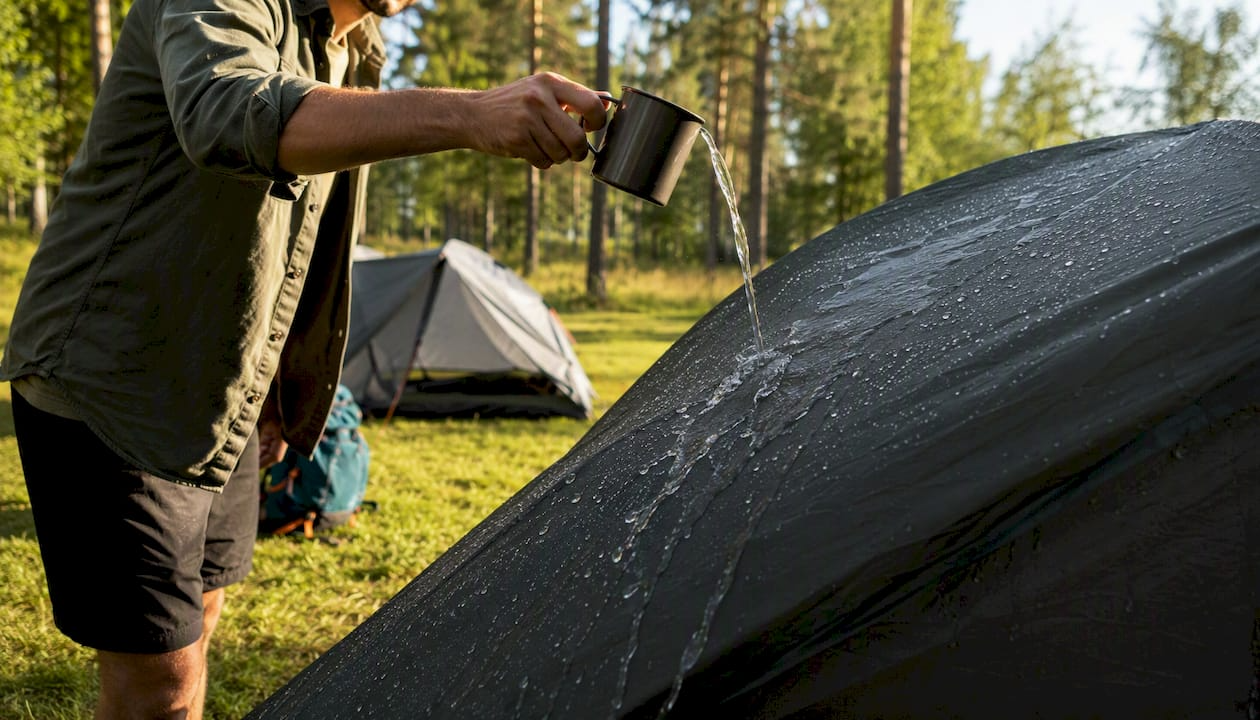
A tent waterproof rating measures hydrostatic head (HH), the amount of water pressure a fabric resists before it leaks, expressed in millimeters. For most weekend and holiday-park camping, a rating in the 2,000 to 3,000 mm range typically handles most moderate rain conditions. If you're heading somewhere exposed or coastal, look for high HH ratings suitable for sustained rain, and check the floor rating separately since it usually needs to run much higher than the fly.
- Fair-weather or park camping: around 1,500 mm, tested to a standard like ISO 811
- All-round touring: 2,000 to 3,000 mm covers sustained rain without added weight
- Exposed, coastal, or long expeditions: 5,000 mm or more, with floors often rated near 10,000 mm
Key Takeaways
A tent waterproof rating measures hydrostatic head in millimeters, but seams, floor design, and pitch quality determine whether that number holds up in the field.
| Point | Details |
|---|---|
| HH measures pressure, not rainfall | The rating tells you how much water pressure the fabric resists, tested under ISO 811-style protocols. |
| Match rating to trip exposure | Use 1,500 mm for fair weather, 2,000 to 3,000 mm for all-round touring, and 5,000 mm or more for exposed coastal trips. |
| Floors need higher ratings than flys | Ground pressure from kneeling or sitting demands a much higher HH than rain falling on the fly. |
| Seams and pitch matter as much as the number | Untaped seams, poor pitching, or bad ventilation can defeat even a high HH rating. |
| Compare specs before buying | Lifecampadventure's tent comparison page lines up HH ratings against weight and floor construction for easier shopping. |
Where to Learn More About Tent Waterproofing
- Hydrostatic head testing and HH range recommendations
- PU vs. silicone coating durability
- Fabric material and denier ratings explained
Always check the manufacturer's technical sheet for model-specific HH values before you buy, since spec sheets vary more between brands than the marketing copy suggests.
What Does a Tent Waterproof Rating Actually Measure?
Hydrostatic head testing is a lab procedure, not a guess based on how a fabric feels. A technician places a column of water on top of a fabric sample and slowly raises the pressure until moisture starts to seep through. The height of that water column, in millimeters, becomes the fabric's HH rating.
The common protocol referenced across the outdoor industry is ISO 811, a hydrostatic pressure test used to standardize how manufacturers report these numbers. That matters because it means a 3,000 mm rating from one tent brand should mean roughly the same thing as a 3,000 mm rating from another, at least in theory.
Hydrostatic head tells you how much water pressure a fabric resists, not how much rain it can handle. A tent pitched under a dripping tree branch, or with your knee pressed into the floor, experiences far more localized pressure than a light drizzle ever creates.
That distinction explains why two tents with identical HH numbers can perform differently once you're actually camping. Pressure, not rainfall volume, is the variable being tested.
- HH is measured in millimeters of water column
- Higher numbers mean more pressure resistance before failure
- The test says nothing about seams, zippers, or pitch angle
Which HH Rating Matches Your Camping Conditions?
Manufacturers cluster their ratings around a few common breakpoints, and each one maps to a fairly specific type of trip. Here's how those numbers tend to break down in practice, based on guidance from tent waterproofing research:
- ~1,000 to 1,500 mm: Fine for dry-season car camping or festival tents where a light shower is the worst-case scenario.
- 2,000 to 3,000 mm: The all-rounder range. Handles steady rain, occasional downpours, and most three-season touring without excess weight.
- 5,000 mm: Built for exposed ridgelines, coastal sites, or multi-day trips where you can't just pack up and drive home if the weather turns.
- 10,000 mm and above: Common on tent floors and heavy-duty, vehicle-supported shelters meant to sit in standing water or mud for days.
Fly and floor ratings are rarely the same number, and that's intentional. A sleeper's knee or hip pressed against the tent floor generates far more localized pressure than rain falling on the fly ever does, a function of basic ground pressure physics. That's why floors commonly carry double or triple the HH rating of the flysheet on the same tent.
To match a rating to your trip, work through this quickly:
- Identify your worst likely weather, not your average expected weather.
- Check whether the site is exposed (ridge, coast, open field) or sheltered (treed campground).
- Confirm the floor rating separately. Don't assume it matches the fly.
- If you're borderline between two ranges, size up. Under-rating costs you a wet night.
What Determines Whether Your Tent Actually Stays Dry?
The HH number gets most of the attention, but it's rarely the reason a tent leaks. Seams are usually the weak point. Fabric can carry a 3,000 mm rating and still let water in through a stitched seam if that seam isn't taped, so factory seam-taping matters as much as the fly's HH spec, a point worth checking before you buy any weatherproof tent.
Floors deserve their own scrutiny too. A bathtub-style floor design, where the waterproof fabric extends several inches up the tent walls before it meets a seam, keeps ground moisture away from stitching entirely.

Zippers and fly coverage matter just as much. A fly that doesn't extend far enough past the door zipper, or a poorly staked pitch that lets fabric sag and pool water, defeats a high HH rating just as fast as a low one. And a wet-feeling tent interior is frequently condensation from breath and body heat, not a leak at all. Ventilation and fly pitch usually solve that faster than a higher-rated fabric would, according to field reports on tent performance.
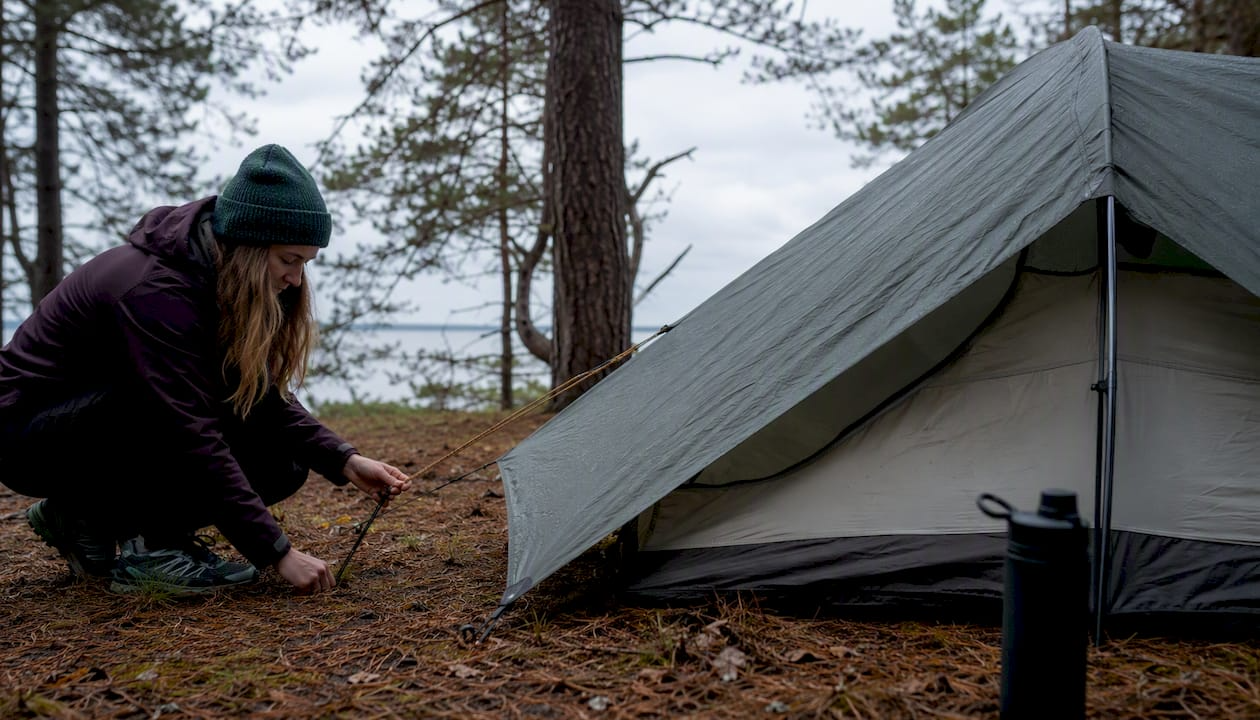
Pro Tip: Before assuming a tent leaks, unzip a vent or crack the door slightly overnight. If the dampness disappears, you were dealing with condensation, not a failed waterproof rating.
PU vs. Silicone: Why Coating Choice Changes the Numbers
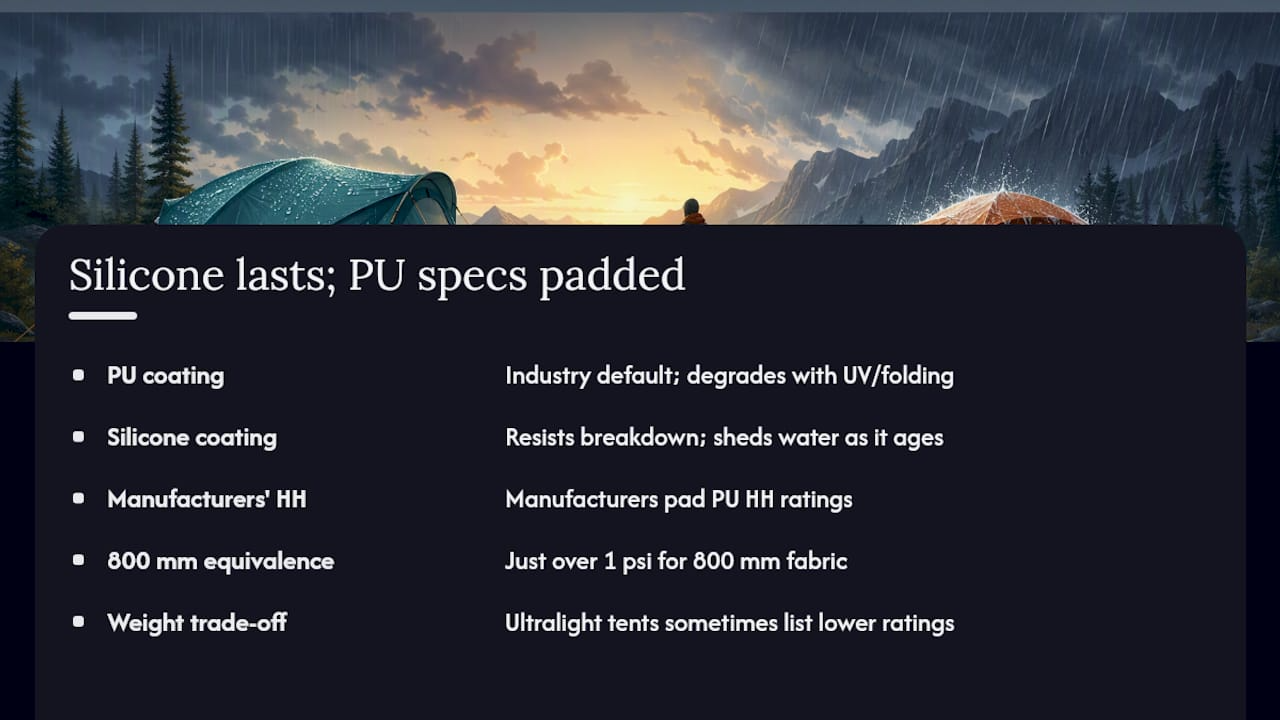
Not all waterproof coatings age the same way, and that shapes the HH numbers manufacturers print on the tag. Polyurethane (PU) coatings are the industry default for family and value tents. They're affordable and effective early on, but they degrade with UV exposure and repeated folding, and the fabric can start to "wet out," meaning water saturates the outer layer instead of beading off.
Silicone-treated fabrics resist that breakdown better over time and tend to shed water more consistently as they age. That durability gap is exactly why some manufacturers start PU-coated tents at a higher HH rating than they otherwise would.
The pressure needed to push water through even a modestly rated fabric is surprisingly small, just over 1 psi for 800 mm-rated material. Manufacturers compensate for PU's faster wear by building in a higher starting number, essentially padding the spec to offset the coating's shorter effective lifespan.
This is also why ultralight backpacking tents sometimes list lower fly ratings than heavier family tents. Weight and coating type are a package deal, a trade-off worth understanding before assuming a lower number automatically means a worse tent, especially in lightweight backpacking gear.
How Do You Test and Maintain Tent Waterproofing?
Checking a tent's waterproofing doesn't require lab equipment. A few simple habits catch problems before they ruin a trip.
- Do a home spray test. Pitch the tent in the yard and run a hose or sprinkler over it for 15 to 20 minutes, then check the interior for damp patches, especially along seams and near the floor edges.
- Inspect seams annually. Factory tape peels over time. Reseal any lifting edges with a seam sealer stick or syringe-applied sealant before they fail mid-trip.
- Reapply DWR when water stops beading. Durable water repellent coatings wear off with UV exposure and abrasion, and once water starts soaking into the fabric instead of rolling off, it's time to reproof.
- Store the tent dry and loosely packed. Folding a damp tent or leaving it compressed for months accelerates coating breakdown, particularly on PU-treated fabric.
If water is soaking through the fabric itself rather than leaking at a seam, suspect a worn coating rather than a design flaw.
How Do You Choose the Right Rating for Your Next Trip?
Match the rating to the trip, not the other way around. Run through this before you buy:
- Weekend trips at a campground: 1,500 to 2,000 mm is plenty if shelter and bailout options are nearby.
- Multi-season touring or unpredictable weather: 2,000 to 3,000 mm gives you margin without excess pack weight.
- Coastal, alpine, or extended trips: 5,000 mm minimum, with a floor rating well above that to handle ground pressure.
- Backpacking where every ounce counts: Accept a slightly lower fly rating in exchange for weight savings, and lean on good pitching and ventilation instead. Lifecampadventure's guide to choosing a tent breaks down that weight-versus-protection trade-off in more detail.
As a rule of thumb, when in doubt, size up on HH before you size down on pack weight. A soggy sleeping bag costs you more than a spare pound in your pack ever will.
Why HH Numbers Alone Don't Tell the Whole Story
Shoppers fixate on the highest HH number they can find, and I understand the instinct. It's a clean, comparable spec in a category full of vague marketing language. But after digging into how these ratings actually get tested and applied, the number matters less than most buying guides suggest.
A tent with a modest 2,000 mm rating, taped seams, a proper bathtub floor, and decent ventilation will outperform a 5,000 mm tent with sloppy seam work and a bad pitch every time. The rating tells you what the fabric can survive in a lab. It says nothing about the seams, the zippers, or whether you staked it correctly. Buyers who understand why waterproof gear matters beyond the spec sheet make better decisions than those chasing the biggest number on the tag.
Find the Right Waterproof Tent Without the Guesswork
Comparing HH specs across dozens of listings gets tedious fast, especially when floor and fly ratings aren't listed the same way from brand to brand. Lifecampadventure's tent comparison page lines up waterproof ratings, packed weight, and floor construction side by side, so you're not cross-referencing five browser tabs to figure out which tent actually fits your trip.

Beyond the tent itself, a few small accessories extend the life of whatever rating you buy: seam sealer for annual maintenance, DWR spray to restore beading once it fades, and a proper footprint to reduce ground pressure on the floor fabric. If you're outfitting for a car-camping trip where weight matters less than storm resistance, the car camping packing list walks through what else belongs in the vehicle. Start by browsing the tent comparison page and filtering by the HH range that matches your next trip.
Sources
- Will Your Tent Keep You Dry? Waterproof Ratings Explained for Aussie Camping
- Tents in Strong Wind: What You Need to Know — Slower Hiking
