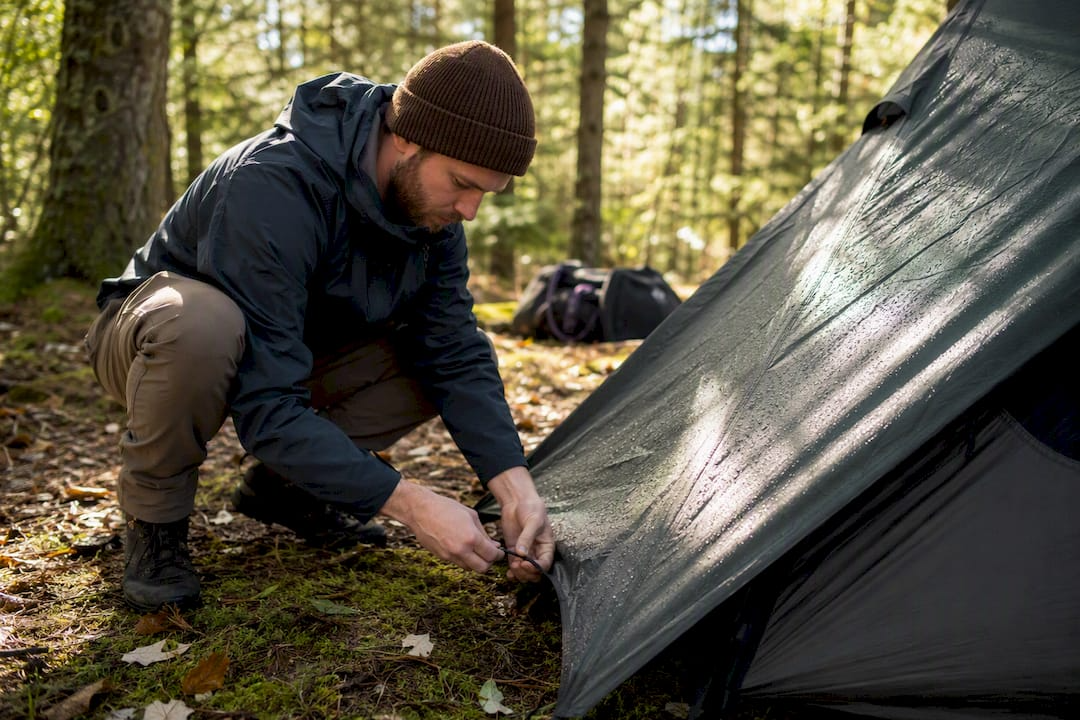
A tent vestibule is a covered extension of the rainfly that turns the ground outside your tent door into protected, usable space. It works as your gear closet, mudroom, and storm porch all in one, and it does the job without eating into your sleeping area.
The main uses are straightforward:
- Gear storage for boots, packs, and wet layers
- A changing area so muddy clothes never touch your sleeping bag
- A weather buffer against wind-driven rain
- Occasional sheltered cooking, with real ventilation cautions attached
Lifecampadventure sees vestibules reclaim roughly 30 to 40 percent of usable interior floor space on a typical backpacking tent, though larger front models can add close to a pound to your pack weight.
Key Takeaways
Tent vestibules add covered storage and weather protection at a modest weight cost, and choosing the right type depends on trip length, forecast, and how much gear you carry.
| Point | Details |
|---|---|
| Reclaim interior space | Storing gear outside the sleeping area frees up roughly 30 to 40 percent of usable floor space. |
| Match type to trip | Front vestibules suit basecamp comfort; side vestibules suit solo backpackers who want easy access. |
| Weigh the penalty | Larger front vestibules can add close to a pound, which matters most on fast, light trips. |
| Cook with caution | Keep zippers cracked for airflow whenever a stove runs inside a vestibule to avoid carbon monoxide buildup. |
| Compare before buying | Lifecampadventure's tent comparison guide breaks down vestibule size and weight across popular models. |
What Are the Main Types of Tent Vestibule Uses?
Three vestibule layouts cover most tents you will find on trail or at a campground, and each one changes how you access gear and how much room you actually get.
Front vestibules cover the main door and tend to run larger, functioning almost like a small porch. You get more room for boots, packs, and a camp chair, but that extra fabric adds weight and can block your view when zipped shut.
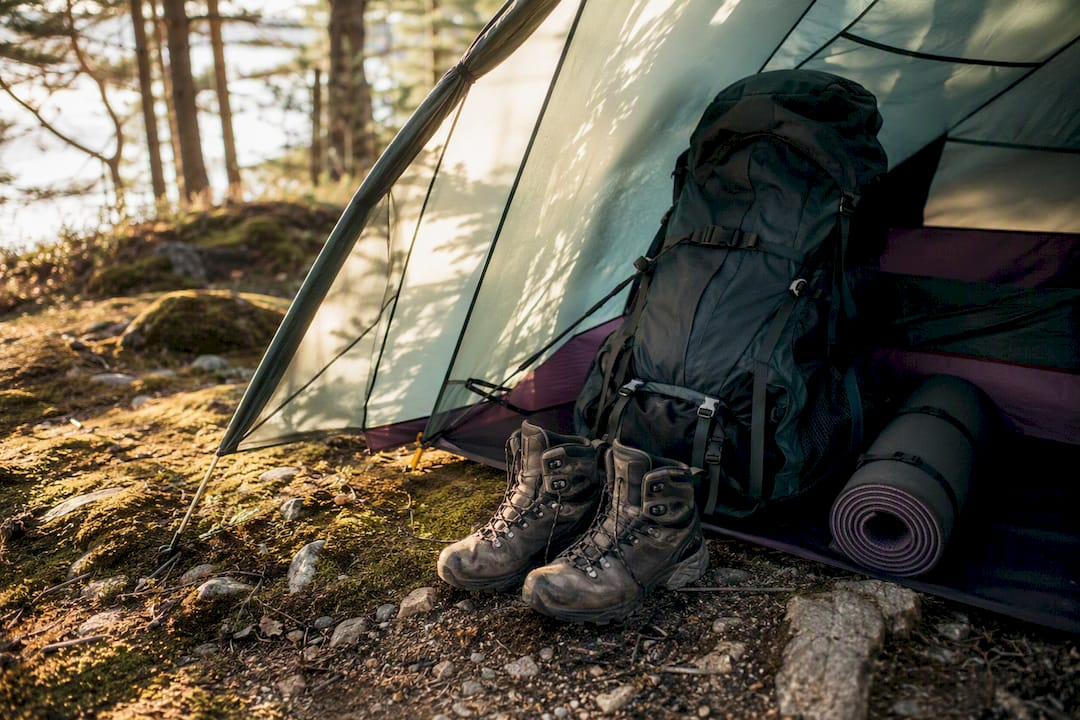
Side vestibules sit offset from the entrance, so you can climb in and out without stepping over stored gear. They are common on solo and ultralight tents like the MSR Hubba NX Solo, where designers trade storage volume for easier access and better sightlines.
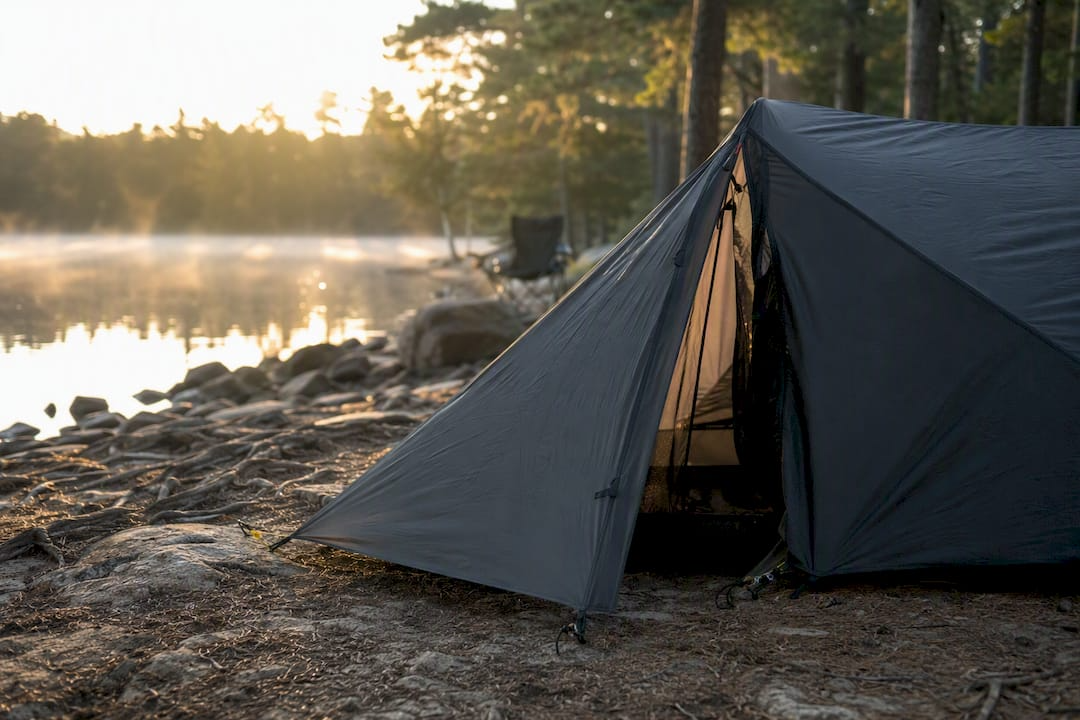
Add-on vestibules are separate rainfly extensions you attach only when you need them, mainly for car camping or a forecast that calls for rain.
| Type | Storage Space | Access | Typical Weight Impact |
|---|---|---|---|
| Front vestibule | Large | Requires stepping around gear | Higher |
| Side vestibule | Moderate | Easy, no gear to cross | Lower to moderate |
| Add-on vestibule | Variable | Depends on attachment point | Added only when packed |
Pro Tip: Pole geometry decides whether your vestibule becomes a real porch or just a narrow overhang. Check how the rainfly poles angle out before you buy. A steeper pitch usually means more headroom to sit and cook under cover.
What Are the Real Benefits of Using a Vestibule?
The most obvious benefit is organized storage. Packs, boots, and wet rain jackets go outside the sleeping compartment, and that single habit is what reclaims 30 to 40 percent of your tent's interior space for actual living and sleeping.
A vestibule also works as a mudroom. You change out of wet gear before entering the tent, which cuts down on the condensation and grime that otherwise end up in your sleeping bag. Beyond storage, a vestibule buys you:
- A dry spot to sit out a rain squall without breaking camp
- A wind buffer that keeps your main door zipper from icing up in winter
- Shade during a hot afternoon at basecamp
- A climate-controlled porch for a dog that overheats inside a small tent
Cooking under a vestibule deserves a direct warning. It is a common practice in bad weather, but only with the vestibule kept partially open for airflow, since carbon monoxide risk climbs fast in enclosed spaces and gets worse at altitude. Never seal the vestibule completely with a stove running, and never leave a flame unattended near tent fabric. Ventilation is not optional here. It is the difference between a dry breakfast and a genuine safety hazard.
Is a Vestibule Worth the Weight?
Not every trip needs one. The decision comes down to a short checklist:
- How many nights are you out, and what does the forecast say?
- Are you solo or splitting gear with a partner?
- Is your campsite exposed to wind, or tucked into tree cover?
- How much bulk are you already carrying?
A larger front vestibule can add roughly a pound to your pack, which matters a lot on a fastpacking route and barely registers on a car-camping trip. Ultralight thru-hikers moving fast on dry terrain often skip the vestibule entirely. Three-season backpackers usually do fine with a compact side vestibule. Winter campers and basecamp setups benefit most from full coverage, since gear storage and wind protection matter more than shaving ounces.
Geography plays a role too. Wet climates and mountain trailheads with unpredictable weather favor carrying a vestibule, while dry, fast-paced desert routes rarely justify the extra fabric.
Pro Tip: Use a simple rule: forecast, trip pace, and gear bulk. If two of those three point toward bad weather or heavy gear, bring the vestibule.
How Do You Set Up and Use a Vestibule Correctly?
Getting a vestibule to actually function like a mudroom takes a few deliberate steps, not just staking it down and hoping for the best.
- Stake the vestibule corners first, then tension the guylines so the fabric sheds rain instead of pooling.
- Angle the vestibule opening away from prevailing wind and downhill from your tent body for drainage.
- Lay a small groundsheet under the vestibule footprint to stop mud from splashing onto stored gear.
- Organize by moisture: wettest items nearest the outer edge, dry gear closest to the tent door.
- Keep a zipper crack open whenever a stove is running inside the vestibule.
- Store food and fuel together, away from your sleeping area, and seal it against animals.
A footprint like the one Gossamer Gear uses on The One shows how a floorless vestibule design still keeps gear dry when paired with a groundsheet underneath. That extra layer prevents mud splatter that would otherwise soak into packs and boots overnight.
After the trip, dry and clean the vestibule fabric fully before it goes back in storage. Damp nylon left packed away breeds mildew fast. Inspect guylines and seam tape for wear, especially after a season of heavy rain or wind loading.
Pro Tip: Pack a small camp towel in the vestibole pocket if your tent has one, so you can wipe down wet gear before it goes inside the sleeping compartment.
When Should You Buy an Add-On Vestibule?
Add-on vestibules make the most sense for car campers, occasional winter trips, or anyone retrofitting a tent that shipped without built-in coverage. You carry the extra fabric only on the trips where it earns its weight, which keeps your setup flexible rather than locked into one configuration.
Pair an add-on with a dedicated groundsheet, a lightweight stake kit, and extra guylines for tensioning in wind. The trade-off is simple: more comfort and storage against more bulk and a longer setup time at camp.
What Do Good Vestibule Layouts Look Like?
A few reference points help when you are comparing tents:
- A solo tent with one wide side vestibule, similar to the layout on the REI Quarter Dome 2, gives easy access with minimal weight penalty.
- A two-door tent with dual vestibules, like the Big Agnes Copper Spur HV UL2, lets two campers manage separate gear piles without crossing paths.
- A large front porch vestibule, similar to what you find on the Hilleberg Akto, allows a camp chair and cautious cooking space at basecamp.
When judging any tent's vestibule, check footprint depth, zipper placement, attachment method, and whether it has a floor or relies entirely on the ground beneath it.
A Quick Gear Tip From Lifecampadventure
Pack vestibule items in a separate waterproof stuff sack, and practice pitching any add-on vestibule at home before your trip. A small towel stashed in the vestibule saves you from tracking rain into your sleeping bag.
Balancing Comfort Against Weight
I bring a vestibule when the forecast, trip pace, and gear bulk all point toward needing shelter. Skip it when two of those three favor going light. Test any new setup in the backyard first.
How Lifecampadventure Helps You Choose the Right Setup
Picking the right vestibule setup gets a lot easier once you can see tents side by side instead of guessing from spec sheets alone.
Lifecampadventure's tent comparison guide lays out vestibule size, weight, and floor type across popular models so you are not stuck reading five separate product pages to find one answer. If you are packing for a car-camping trip where weight matters less, the car camping packing list covers what to bring alongside an add-on vestibule, from groundsheets to stake kits. Browse the tent comparison now and match a vestibule layout to your next trip before you're stuck improvising at the trailhead.
Sources
- What is a tent vestibule – and why do you need one? | Advnture
- What Is a Tent Vestibule? - The Trek
- What Is a Tent Vestibule? - Best Tent Review
