TL;DR:
- Proper pre-trip planning and informing someone of your route are essential for outdoor safety and emergency rescue.
- Responding quickly to changing weather, practicing tick prevention, and knowing how to signal for help reduce risks significantly on outdoor adventures.
Outdoor adventures bring real joy, but the gap between a great trip and a dangerous one often comes down to a handful of decisions made before you ever leave the driveway. Many families and hikers pour energy into choosing trails and packing snacks while skipping the safety steps that actually matter most. A sudden storm, a wrong turn, or a tick bite can turn a fun weekend into a serious emergency. The good news is that the right preparation shrinks those risks dramatically. These practical, proven tips will help you enjoy every adventure with confidence and come home safely every time.
Key Takeaways
| Point | Details |
|---|---|
| Preparation prevents trouble | Tell someone your plans and pack extra essentials for the unexpected. |
| React early to weather | Go indoors at the first sound of thunder and wait at least 30 minutes after a storm. |
| Prevent and check for ticks | Use EPA-registered repellents and perform thorough tick checks after each activity. |
| Don’t wander if lost | Stay put, use your map or GPS, and signal for help to increase your chances of rescue. |
| Consistent habits ensure safety | Making outdoor safety a routine reduces risk more than any single tip or checklist. |
Plan ahead: The foundation of outdoor safety
Before heading to the trailhead, preparation is your most reliable safety shield. It sounds simple, but most outdoor accidents trace back to one core failure: not being ready for what nature can throw at you.
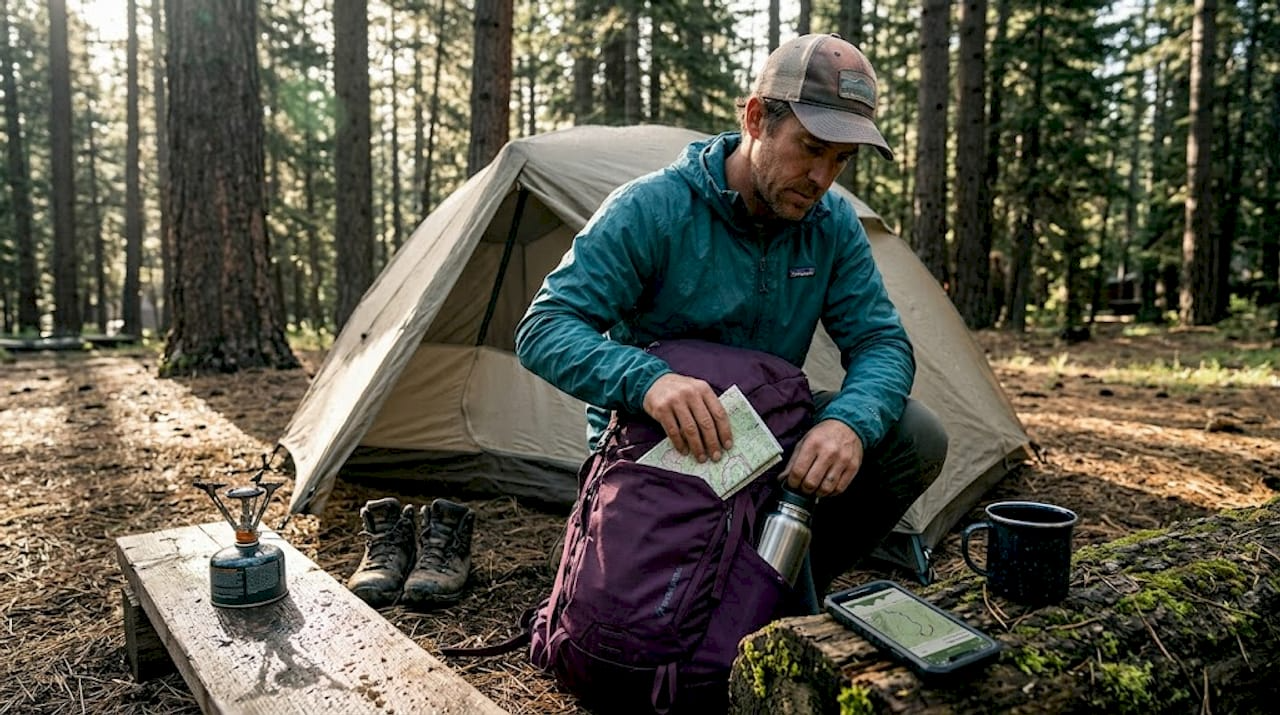
The most important step you can take before any hike or camping trip is telling someone your plan. Share your route, your trailhead location, your campsite name, and your expected return time with a friend or family member who will not be joining you. If something goes wrong and you cannot call for help, that contact becomes the person who triggers a rescue. Think of it as a free insurance policy that takes two minutes to set up.
According to Yosemite Wilderness guidance, you should plan ahead for wilderness travel by telling someone your plan and route, and be ready for an unexpected night out with extra food, water, rain gear, and warm clothing. That last piece matters more than most people realize. Weather changes fast in the mountains and in open terrain, and the hiker who packed only a water bottle and a granola bar is in real trouble when temperatures drop after dark.
Use a solid trip planning guide to build your pre-trip routine from the ground up. Pair that with an outdoor emergency preparedness plan so you know exactly what you would do if things went sideways. A pre-trip checklist removes the guesswork and keeps you from relying on memory alone when you are excited and distracted by the adventure ahead.
Here is a quick checklist of items to pack beyond the basics:
- Extra food and water (enough for an unplanned overnight)
- Rain gear and a lightweight emergency layer
- A paper map of your trail and area
- A compass or GPS device
- A first-aid kit with blister treatment, bandages, and any personal medications
- A whistle and a small signaling mirror
- A headlamp with fresh batteries
- Sunscreen and protective clothing for preventing outdoor sunburn
"Planning ahead isn't optional; it's your first, best safety tool in nature."
Pro Tip: Before you leave cell range, take a screenshot of your intended route and the day's weather forecast. Store those photos in an offline-accessible folder on your phone so you can reference them even without a signal.
Solid hiking preparation tips will walk you through building this habit step by step, especially for families bringing younger kids onto longer trails.
Responding to severe weather: Lightning and thunder safety
Even with a perfect plan, weather surprises can change everything, especially when lightning threatens. Lightning is one of the leading environmental causes of death in outdoor settings, and the mistake most people make is waiting too long to act.
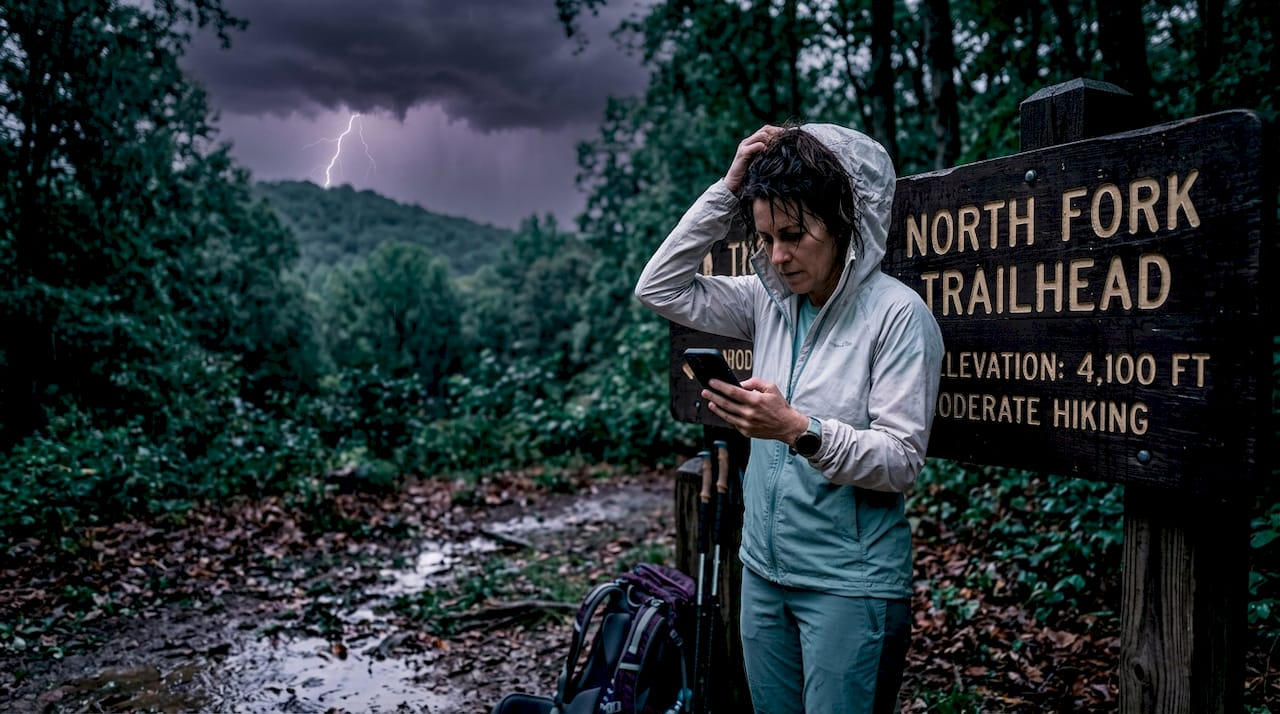
The rule is simple but firm: if you can hear thunder, get to shelter immediately. You do not need to see lightning to be in danger. Sound carries distance, and if thunder is audible, lightning is already close enough to be a lethal risk. A vehicle with a hard roof (not a convertible) counts as safe shelter when no building is available. Do not stand under a lone tree, near tall objects, or at the top of a ridge.
A critical fact many outdoor enthusiasts miss is that lightning risk does not disappear the moment rain stops. Bolts can and do strike from a clear sky up to ten miles away from a storm. That is why the 30-minute rule exists. After the final thunderclap, wait a full 30 minutes before resuming outdoor activity. One clap resets the clock.
Here is a step-by-step protocol to follow when thunder begins:
- Stop your hike or activity immediately and assess your surroundings.
- Identify the nearest solid shelter: a building or a hard-topped vehicle.
- Move toward that shelter quickly but calmly, avoiding open fields, hilltops, and lone trees.
- If no shelter is available, move to lower ground away from ridges, stay away from tall objects, and crouch low with your feet together. Do not lie flat.
- Stay in shelter or in your low-crouch position until 30 minutes have passed since the last thunderclap.
- Once safe, assess your group for injuries before resuming activity.
Wearing protective, UV clothing for outdoor safety also reduces sun and weather-related risks on exposed trails, making it a smart layering choice for full-day outings.
Pro Tip: Download a weather alert app designed for backcountry use before your trip. Many of them send notifications even in areas with limited connectivity and give you advance warning of incoming cells well before a storm is visible on the horizon.
Avoiding and removing ticks: Proven prevention steps
Once you have addressed weather safety, another hazard quietly awaits on the trails. Ticks are small, easy to miss, and capable of transmitting serious diseases including Lyme disease, Rocky Mountain spotted fever, and several others. The good news is that prevention is genuinely effective when you are consistent about it.
The CDC recommends using EPA-registered repellents, minimizing exposed skin, and conducting prompt tick checks and removal as your best protection against tick-borne illness. Those three steps, practiced together, cut your risk significantly compared to doing any one of them alone.
Daily prevention steps to make routine:
- Wear long sleeves and long pants, tucking your pants into your socks when walking in tall grass or wooded areas
- Apply EPA-approved repellent to exposed skin and clothing before heading out
- Treat clothing and gear with permethrin, which stays effective through multiple washes
- Walk in the center of trails and avoid brushing through vegetation on the edges
- Check your entire body for ticks after every outdoor outing, including your scalp, behind your ears, under your arms, and behind your knees
- Check children and pets carefully, as ticks often migrate before attaching
"Early removal of ticks is key for preventing disease."
Removing an attached tick within 24 hours dramatically reduces your risk of contracting Lyme disease. Use fine-tipped tweezers to grasp the tick as close to the skin as possible and pull upward with steady, even pressure. Do not twist, crush, or use heat. Clean the bite area with rubbing alcohol or soap and water afterward.
Comparison of common tick repellents:
| Repellent | Active ingredient | Effective against ticks | Safe for children | Safe during pregnancy |
|---|---|---|---|---|
| DEET (20-30%) | DEET | Yes | Yes (over 2 months) | Yes |
| Picaridin | Picaridin | Yes | Yes | Yes |
| IR3535 | IR3535 | Yes | Yes | Yes |
| Oil of lemon eucalyptus | PMD | Yes | No (under 3 years) | Consult doctor |
| Permethrin (clothing only) | Permethrin | Highly effective | Yes | Yes (clothing only) |
Using a combination of skin-applied repellent and permethrin-treated clothing gives you layered protection that is hard to beat.
What to do if you get lost: Staying oriented and signaling for help
Now let's cover what many people rarely expect, but everyone should prepare for: the right moves if you cannot find your way. Getting lost is more common than hikers like to admit, and panic is the biggest danger once it happens.
The American Hiking Society is clear on the first step: stop wandering aimlessly. Moving without direction when you are already disoriented almost always makes things worse. It burns energy, takes you further from known paths, and makes it harder for rescuers to find you.
Here is a step-by-step plan if you realize you are lost:
- Stop completely. Take three slow breaths. Panic clouds judgment and leads to poor decisions.
- Look at your map, GPS, or compass. Try to identify your last known position and any nearby landmarks.
- Check your surroundings for recognizable terrain features like a ridgeline, creek, or clearing.
- Attempt to carefully retrace your steps to the last point where you were certain of your location.
- If retracing does not work, stay put. Find or create a visible marker of your position.
- Signal for help using three whistle blasts (the universal distress signal), a mirror, bright-colored clothing, or, if conditions are safe and permits allow, a small fire.
- Stay warm and conserved your energy while waiting for help.
Good navigation for camping safety starts well before you hit the trail. Knowing how to read a map and use maps outdoors is a skill every outdoor-goer should practice at home first, not learn in a moment of stress.
Signaling method comparison:
| Method | Visibility range | Requires gear | Works at night | Best use case |
|---|---|---|---|---|
| Whistle (3 blasts) | Up to 1 mile | Whistle | Yes | Dense forest, limited visibility |
| Bright clothing | Up to 1 mile (visual) | None | No | Open terrain, daylight |
| Signal mirror | Up to 10 miles | Mirror | No | Clear sky, sunny conditions |
| Cell phone | Varies by signal | Charged phone | Yes | Near cell coverage |
| Small fire or smoke | Up to several miles | Matches, materials | Yes (fire) | Open areas, rescue aware |
Pro Tip: Before any trip, save the local ranger station number, park emergency line, and the number for a trusted contact directly in your phone under an easy-to-find label like "Emergency Outdoors." In a stressful moment, you do not want to be searching.
Why safety habits matter more than one-time checklists
Here is something that most outdoor safety articles will not tell you directly: checklists are a starting point, not a solution. We have seen it happen countless times. Someone carefully packs every item on the list the night before a big hike, then leaves the trail without telling anyone, skips the tick check because it was a short walk, and waits too long to act when thunder rolls in. The gear was there. The habits were not.
Real outdoor safety comes from building repeatable behaviors that you practice on every trip, whether it is a two-hour nature walk or a five-day backpacking expedition. The habit of telling someone your route before you leave. The habit of checking the sky every hour when you are out. The habit of running the tick check when you get back to the car, every single time.
Social accountability is one of the most underrated safety tools available. When someone else knows your plan and expects you back at a specific time, you are far less likely to take shortcuts. You are also more likely to be found quickly if something does go wrong. It is not just courtesy. It is a safety mechanism.
As we like to say at Life Camp Adventure: "Safety isn't a box to check, it's a habit you build for every adventure."
Make post-trip debriefs part of your routine. Spend five minutes after each outing asking: what worked, what felt risky, and what would I do differently? Over time, that reflection sharpens your instincts and makes each trip measurably safer than the last. Strong importance of route planning practices grow from exactly this kind of ongoing reflection, not from a single checklist.
Pro Tip: After each trip, jot down one thing that caught you off guard, whether weather, gear, navigation, or physical stamina. A simple note in your phone builds a personal safety log that is more valuable than any generic guide.
Gear up for safe outdoor adventures
To turn strong safety habits into tangible results, the right gear and resources make all the difference.
At Life Camp Adventure, we believe every outdoor experience should feel exciting, not anxious. That is why we have built a full library of gear guides and practical resources to help you prepare properly. Start with our outdoor survival checklist to make sure nothing critical gets left behind, or browse our guide to compare camping tents and find shelter that actually performs in real weather. For those who want to go deeper, our survival steps guide walks you through the foundational skills every outdoor enthusiast should have. Gear that works when it matters most is the final piece that brings everything in this article together.
Frequently asked questions
What should I include in my camping safety checklist?
Essential items include extra food, water, weather-appropriate clothing, a map, compass or GPS, a first-aid kit, and a way to signal for help like a whistle. The Yosemite Wilderness guidance also stresses being prepared for an unplanned overnight stay.
How soon should I remove a tick after finding it?
Remove a tick within 24 hours to significantly reduce your risk of tick-borne illness like Lyme disease. The CDC confirms that prompt removal is one of the most effective prevention steps available.
What's the safest thing to do if I get lost on a hike?
Stop moving immediately, use your map, GPS, or landmarks to orient yourself, and if you cannot locate the trail, stay put and signal for help with a whistle or visible marker.
Is it safe to go back outside as soon as lightning ends?
No. Wait a full 30 minutes after the last thunderclap before resuming any outdoor activities. Ready.gov confirms that lightning can strike well after visible storm activity appears to have passed.
