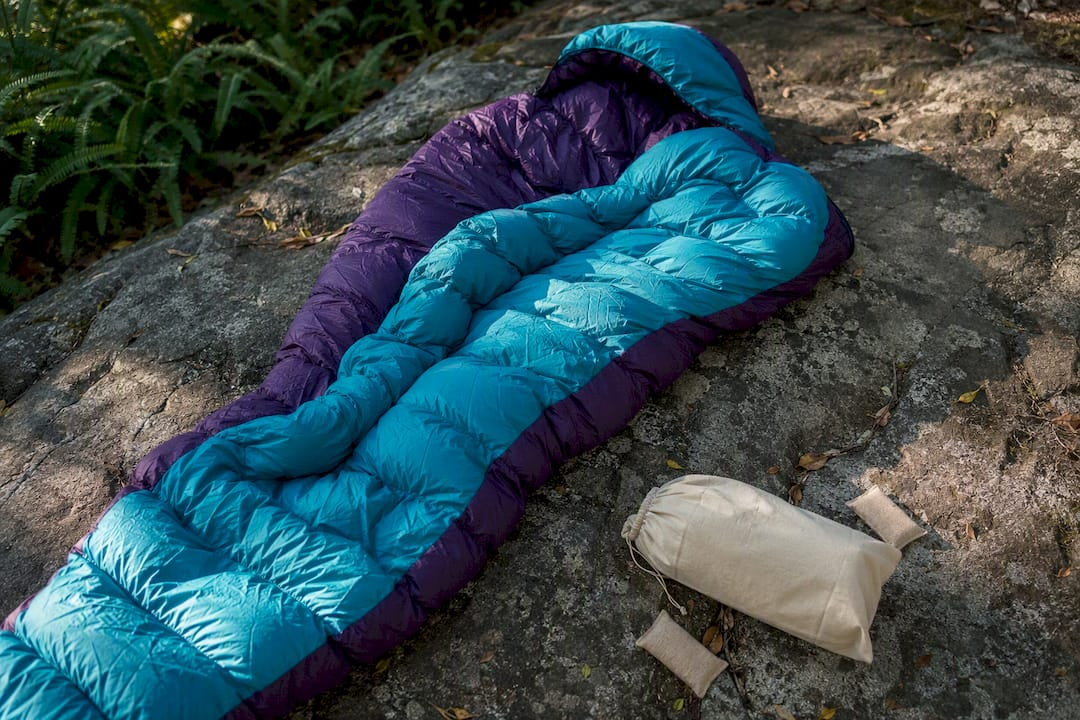
Store your sleeping bag clean, completely dry, and uncompressed in a breathable sack or loosely hung, never in the small stuff sack it came with. That single habit significantly impacts whether your bag lasts for several seasons or many years.
- Remove it from any compression sack the moment you're home
- Confirm it's fully dry before it goes anywhere near storage
- Use a large cotton or mesh sack, or hang it loosely, instead of the tiny travel pouch
Compression sacks exist to save space in a pack. They have no business holding your bag between trips.
Key Takeaways
Proper sleeping bag storage means clean, fully dry fill kept uncompressed in a breathable sack or hung loosely in a cool, dark space, with compression reserved strictly for travel.
| Point | Details |
|---|---|
| Ditch the stuff sack | Move the bag out of any compression sack within a day or two of returning home. |
| Dry before you store | Air out or dryer-dry on low heat until completely dry to prevent mildew and fill damage. |
| Pick breathable storage | Use a large cotton or mesh sack, or hang the bag on a padded hanger, never airtight plastic. |
| Match care to fill type | Down needs specialty cleaners and gentler handling; synthetic tolerates moisture and washing better. |
| Stock the right accessories | Lifecampadventure carries storage sacks, care products, and gear guides suited to both fill types. |
How Do You Store a Sleeping Bag Right After a Trip?
Before your bag goes into storage, it needs a quick reset. This is the part most campers skip, and it's the part that actually determines whether your insulation survives the off-season.
- Unpack it immediately and drape it over a chair, railing, or line in a shaded, ventilated spot for a few hours.
- Check for obvious stains, spills, or grime and spot-clean those spots rather than jumping to a full wash.
- Dry it completely, either by air-drying overnight or running a low-heat dryer cycle with a couple of tennis balls tossed in.
- Move it into a breathable storage sack, or hang it, and keep that sack somewhere cool and dark until your next trip.
- Skip the sunny attic or the plastic bin. Both work against you.
Pro Tip: Body oils and sweat break down insulation fibers even when a bag looks spotless, so make airing out a habit every time, not just after obviously dirty trips.
When Should You Wash Versus Spot-Clean a Sleeping Bag?
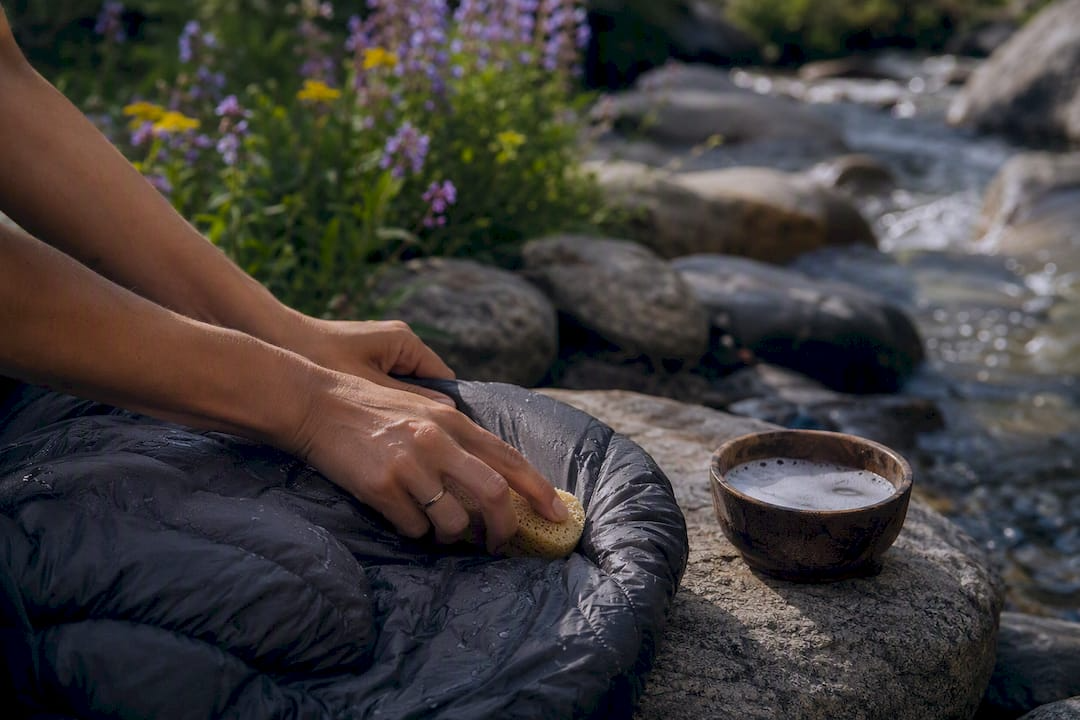
Most bags don't need a full wash after every outing. Spot-cleaning handles the majority of dirt, and it's the safer default because repeated washing strips away protective coatings over time. Save the full wash for bags that smell, feel clumped, or have visible grime spread across the shell.
- Spot-clean with a damp cloth and mild soap for small marks
- Wash fully only when oils, odor, or clumping show up
- Use a front-loading machine, since top-load agitators can tear baffles and shred stitching
- For down bags, reach for a specialty wash like Down Wash Direct rather than standard detergent, which can wash away durable water repellent (DWR) coating
Drying matters as much as washing. A large dryer on low heat with a few tennis balls breaks up clumps and restores loft that a wash cycle temporarily flattens. High heat is the one shortcut to avoid. It can scorch synthetic shells and melt seam tape. If you don't have access to a dryer, plan for a full day of air-drying in a ventilated space, flipping the bag every hour or two so damp spots don't linger.
Once loft looks restored and the shell feels bone dry, check the DWR. Most manufacturers sell a wash-in or spray-on reproofing treatment, and following the product's own instructions keeps that water resistance working season after season.
What Is the Best Way to Store a Sleeping Bag Long Term?
Three storage methods work, and which one fits depends on your closet space more than anything else.
- A large breathable sack, cotton pillowcase, or mesh bag lets the fill breathe while keeping dust off; this is the standard recommendation across sleeping bag storage guides
- Hanging works if you use a wide, padded hanger. Avoid wire hangers that create sharp pressure points on the shell
- Laying flat on a closet shelf or under a bed keeps down fill from settling into clumps at one end
What ruins all three options is location. Attics bake in summer, garages swing between freezing and humid, and basements trap moisture. Pick a closet or storage room that stays roughly the same temperature year round and never sees direct sun.
Pro Tip: Skip the desiccant packs unless your storage area runs genuinely damp, and never seal a bag inside an airtight plastic bin. Trapped moisture with no airflow is a recipe for mildew, even if the bag felt dry when you packed it. If you want a dedicated storage bag rather than repurposing a pillowcase, options like large breathable storage bags built for bulky bedding work just as well for sleeping bags.
Can You Compress a Sleeping Bag for Travel?
Compression sacks are fine, even ideal, for the drive or hike to camp. The problem starts when that compressed state becomes permanent.
- Stuff, don't roll, when loading a compression sack. It distributes stress more evenly across the fill.
- Once you're home, get the bag out of that sack within a day or two, not a week later.
- Air it out and check whether it needs a refresh: a few minutes in a dryer with tennis balls, or a good manual shake, brings loft back fast.
- Consider a washable sleeping bag liner for regular trips. It keeps body oils off the shell and cuts down how often a full wash is necessary.
Planning a longer trip? A complete car camping packing list helps make sure the sleeping bag isn't the only piece of gear getting last-minute treatment.
Does Down or Synthetic Fill Change How You Store It?
Fill type changes almost everything about how a bag should be handled between trips.
- Down needs looser storage and more careful handling. Natural oils are more damaging to down clusters than to synthetic fibers, and clumped down loses loft permanently if left compressed too long. Specialty down cleaners and periodic DWR treatments matter more here than with synthetic fill.
- Synthetic fill tolerates wet conditions and dries faster than down, and it's more forgiving of everyday washing. It still loses loft if left compressed for months, so the "get it out of the stuff sack" rule applies just as strictly.
- If your storage space runs humid, a synthetic bag is the more forgiving choice simply because it dries out faster and resists mildew better than down.
A buying guide covering down versus synthetic bags is worth a look if you're deciding which fill type suits your climate and storage setup before your next purchase.
What Are the Most Common Sleeping Bag Storage Mistakes?
Most storage damage is fixable if you catch it early. Some of it isn't.
- Flat loft: wash the bag, dry it on low heat with tennis balls, or air it out and shake it repeatedly over a few days if a dryer isn't available.
- Mildew smell: wash with an appropriate cleaner, then dry fully in the sun or a well-ventilated space; a short stretch of direct sunlight helps kill odor-causing microorganisms even though it's not ideal for regular drying.
- Permanent clumping or torn baffles: if fill has shifted permanently or the shell fabric has failed, replacement is usually cheaper than repair.
- Recurring mildew: do a seasonal check of your storage spot's humidity and airflow rather than repeating the same wash cycle every few months.
Pro Tip: If a bag still smells musty after a full wash and thorough drying, that's usually mildew that has worked into the fill itself, not just the shell, and it rarely goes away with another wash.
Why Storage Habits Matter More Than Gear Quality
A cheap bag stored right will outlast an expensive one stuffed into a closet corner for years. That's the uncomfortable truth most gear reviews skip past. People spend hours comparing fill power and temperature ratings, then undo all of it by leaving the bag compressed in a garage until the next trip.
The fix isn't complicated. It just isn't glamorous, which is why it gets ignored. Lifecampadventure builds its maintenance resources and buying guides around exactly this gap between what gear promises and what actually keeps it working. Follow the checklist above and most bags will hold their loft far longer than their tags suggest.
— Billy
Keep Your Gear Ready With the Right Storage Setup
Storing a sleeping bag right doesn't require guesswork once you have the right accessories on hand: a breathable sack sized for your bag, a mild wash suited to your fill type, and a dry spot that isn't fighting temperature swings. Lifecampadventure's outdoor gear maintenance guide walks through care routines across your whole camp setup, not just sleeping bags, so you're maintaining tents, cookware, and packs with the same attention.

If you're shopping for a new bag before your next season, Lifecampadventure's camping tent and gear comparisons can help you match fill type and shape to how you actually camp. Browse the current lineup and pick a bag built for the storage space you actually have.
Sources
- You're Storing Your Sleeping Bag Wrong. Here's What to Do Instead. — Outside Online
- How to Store a Sleeping Bag: Official Storage Guide — Puffy
