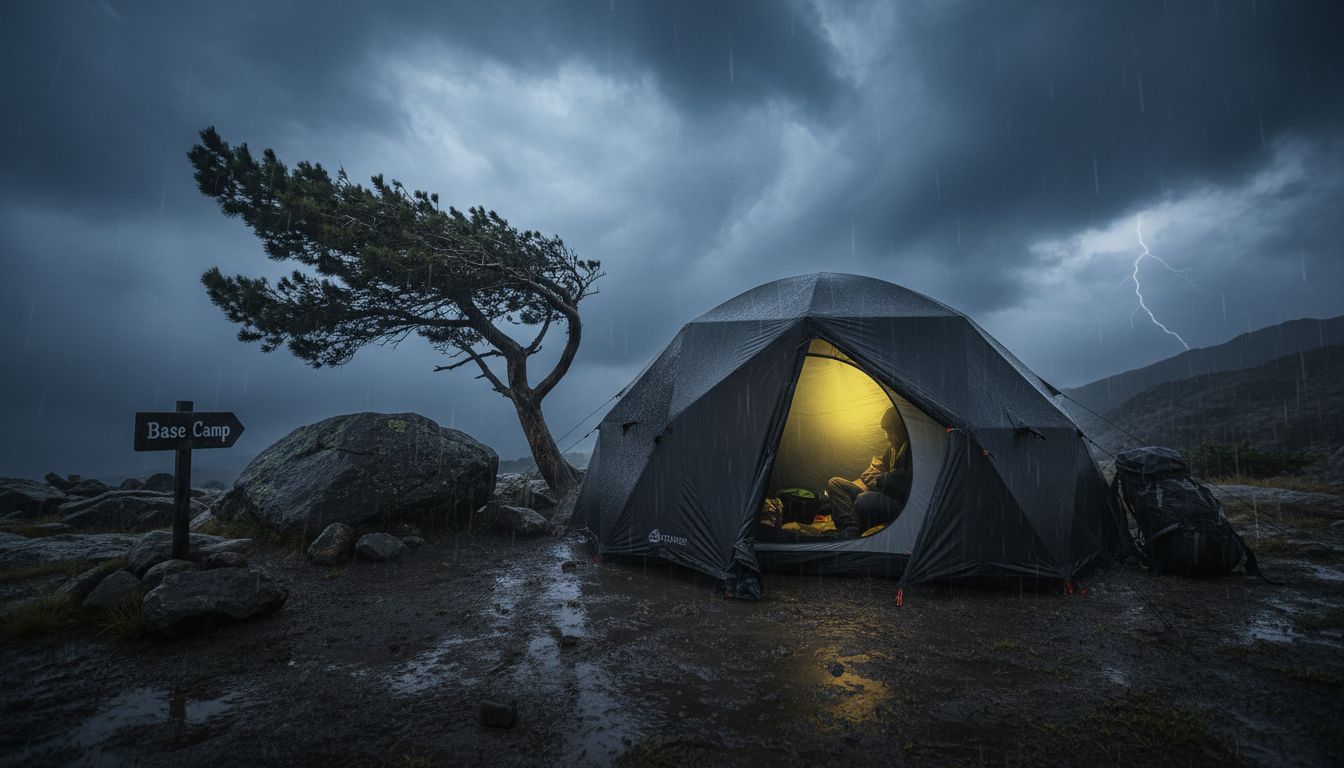
Around forty million american campers head outdoors each year, trusting their shelter to stand up against harsh conditions that nature brings. Choosing the right weatherproof tent can mean the difference between restless, wet nights and safe, comfortable sleep. With so many options claiming protection, understanding what truly makes a tent weatherproof helps you prepare for anything the wilderness throws your way.
Key Takeaways
| Point | Details |
|---|---|
| Purpose of Weatherproof Tents | Weatherproof tents are designed to protect against various environmental challenges, ensuring survival and comfort in outdoor conditions. |
| Materials and Construction | High-performance tents use advanced fabrics and strategic designs to provide optimal water resistance and structural integrity. |
| Element Protection Features | Key features such as reinforced seams, water deflection systems, and temperature regulation ensure effective protection against wind, rain, and moisture. |
| Maintenance and Setup | Proper tent setup and regular maintenance are critical in avoiding waterproofing failures and extending the tent’s functional lifespan. |
Defining Weatherproof Tents and Their Purpose
A weatherproof tent represents more than just portable shelter - it's your ultimate defense against unpredictable outdoor environments. These specialized structures are engineered to protect campers from rain, wind, humidity, and temperature fluctuations, ensuring survival and comfort in challenging wilderness conditions. Modern tents achieve this protection through advanced fabric technologies and strategic design features that transform simple fabric into a robust barrier against nature's most demanding elements.
At its core, a weatherproof tent's primary purpose is creating a reliable microclimate that shields occupants from external environmental challenges. Advanced waterproof fabrics like nylon with polyurethane coating or rip-stop nylon enable these shelters to withstand significant water pressure without compromising structural integrity. The strategic design incorporates critical components such as:
- Rain Flies: Extended protective layers that channel water away from the main tent body
- Sealed Seams: Specialized stitching and treatments preventing moisture penetration
- Waterproof Flooring: Elevated, treated materials that block ground moisture
- Ventilation Systems: Preventing internal condensation while maintaining temperature regulation
Weatherproof tents aren't just about surviving harsh conditions - they're about transforming outdoor experiences. By providing a dependable, comfortable refuge, these ingenious structures empower adventurers to explore confidently, knowing they have a secure base camp regardless of atmospheric challenges. Whether you're facing mountain storms, coastal humidity, or unexpected wilderness precipitation, a well-designed weatherproof tent becomes your most trusted companion in navigating nature's unpredictable landscapes.
Types of Weatherproof Tents and Key Materials
Weatherproof tents come in a diverse array of designs and materials, each engineered to tackle specific outdoor challenges. Fabric selection plays a crucial role in determining a tent's performance, with manufacturers carefully choosing materials that provide optimal protection against environmental conditions. The most effective weatherproof tents incorporate advanced textiles that combine durability, water resistance, and structural integrity.
The primary materials used in weatherproof tent construction include:
- Cotton Canvas: Traditionally used for its natural water-resistant properties
- Polyester: Lightweight and quick-drying synthetic fabric
- Nylon: Extremely lightweight with excellent water-repellent capabilities
- PVC-Coated Fabrics: Provides maximum waterproofing and durability
Beyond material composition, tent design significantly impacts weatherproofing effectiveness. Key structural elements like reinforced seams, strategic water-channeling features, and elevated floor designs work together to create a comprehensive defense against moisture, wind, and environmental challenges. Adventurers can choose from various tent types - from compact backpacking shelters to spacious family camping designs - each optimized to provide reliable protection in different outdoor scenarios.
 How Weatherproof Tents Provide Element Protection
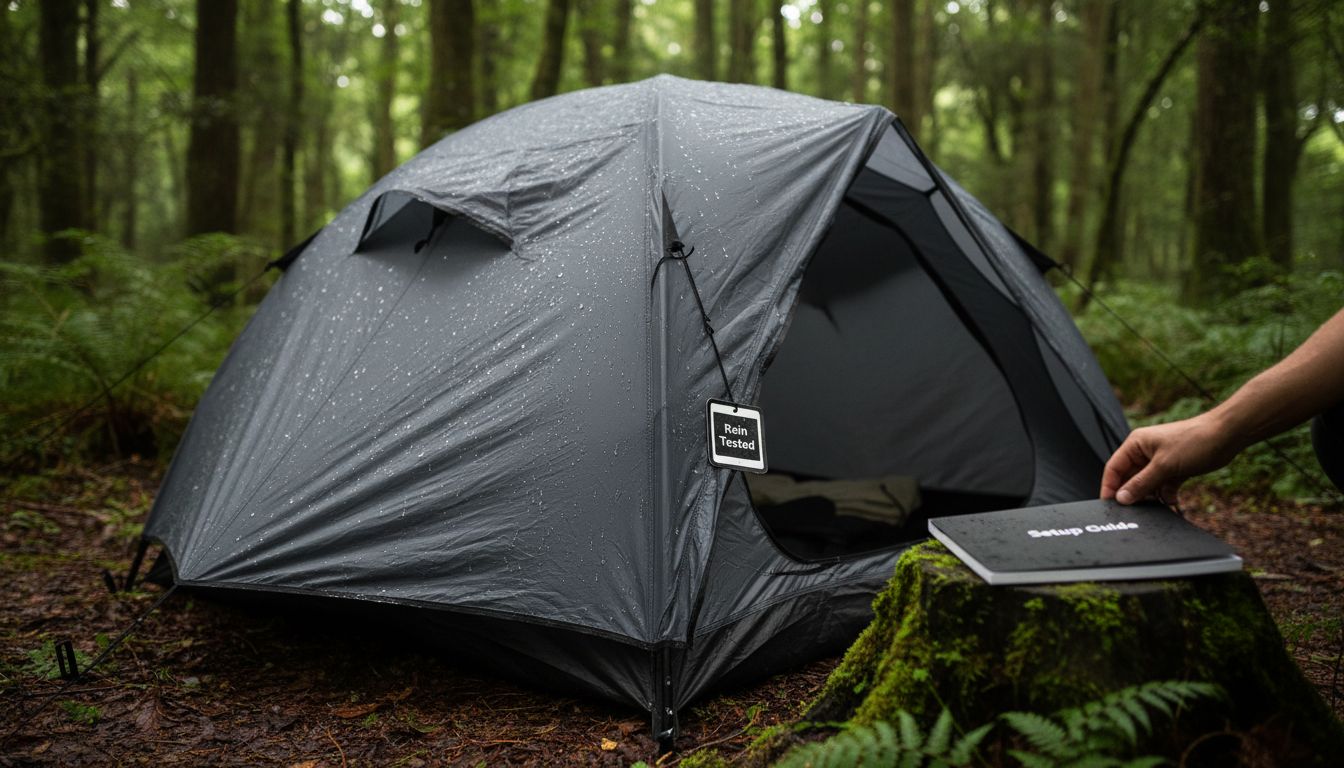
Weatherproof tents are sophisticated engineering marvels designed to create a reliable barrier between adventurers and nature's most challenging environmental conditions. Specialized design features like rain flies, vestibules, and strategically constructed materials work together to shield occupants from wind, rain, humidity, and temperature fluctuations. Understanding how these protective mechanisms function can dramatically improve your outdoor experience and preparedness.
The primary element protection strategies include:
- Wind Resistance: Aerodynamic tent shapes and robust pole structures
- Water Deflection: Angled rain flies and elevated ground clearance
- Moisture Control: Breathable fabrics with strategic ventilation
- Temperature Regulation: Insulating layers and reflective coatings
Advanced waterproof technologies transform simple shelters into sophisticated protection systems. Innovative materials like polyurethane-coated nylon and rip-stop fabrics create multiple defensive layers that prevent water penetration while maintaining breathability. These cutting-edge materials can withstand significant water pressure, ensuring campers remain dry and comfortable even in challenging weather conditions.
Beyond material science, effective element protection relies on intelligent design principles. Reinforced seams, strategic water-channeling features, and elevated floor designs create comprehensive defense mechanisms against environmental challenges. Whether you're facing alpine winds, desert sandstorms, or tropical rainstorms, a well-engineered weatherproof tent becomes your ultimate sanctuary, transforming potentially harsh outdoor experiences into comfortable, safe adventures.
Real-World Uses for Different Climates and Activities
Weatherproof tents demonstrate remarkable versatility across diverse environments and outdoor scenarios, adapting to unique challenges presented by different climates and activities. From luxurious glamping experiences to rugged wilderness expeditions, these specialized shelters provide critical protection and comfort for adventurers facing unpredictable environmental conditions. The ability to select the right tent for specific terrain and weather conditions can transform an potentially challenging outdoor experience into a comfortable and safe journey.
Key applications for weatherproof tents span multiple contexts:
- Mountain Expeditions: High-altitude protection against extreme winds and precipitation
- Desert Camping: UV-resistant materials blocking intense sunlight and heat
- Coastal Environments: Salt-resistant fabrics preventing corrosion and material degradation
- Arctic Conditions: Insulated designs maintaining internal temperature stability
- Tropical Regions: Breathable structures preventing condensation and heat buildup
Specialized tent materials and designs cater to specific environmental requirements, enabling outdoor enthusiasts to confidently explore diverse landscapes. Innovative fabric technologies like PVC-coated polyester and multi-layered constructions provide targeted protection, ensuring reliable performance across challenging terrains. Whether supporting emergency response teams, supporting scientific research expeditions, or facilitating recreational camping, weatherproof tents serve as critical infrastructure for human survival and exploration.
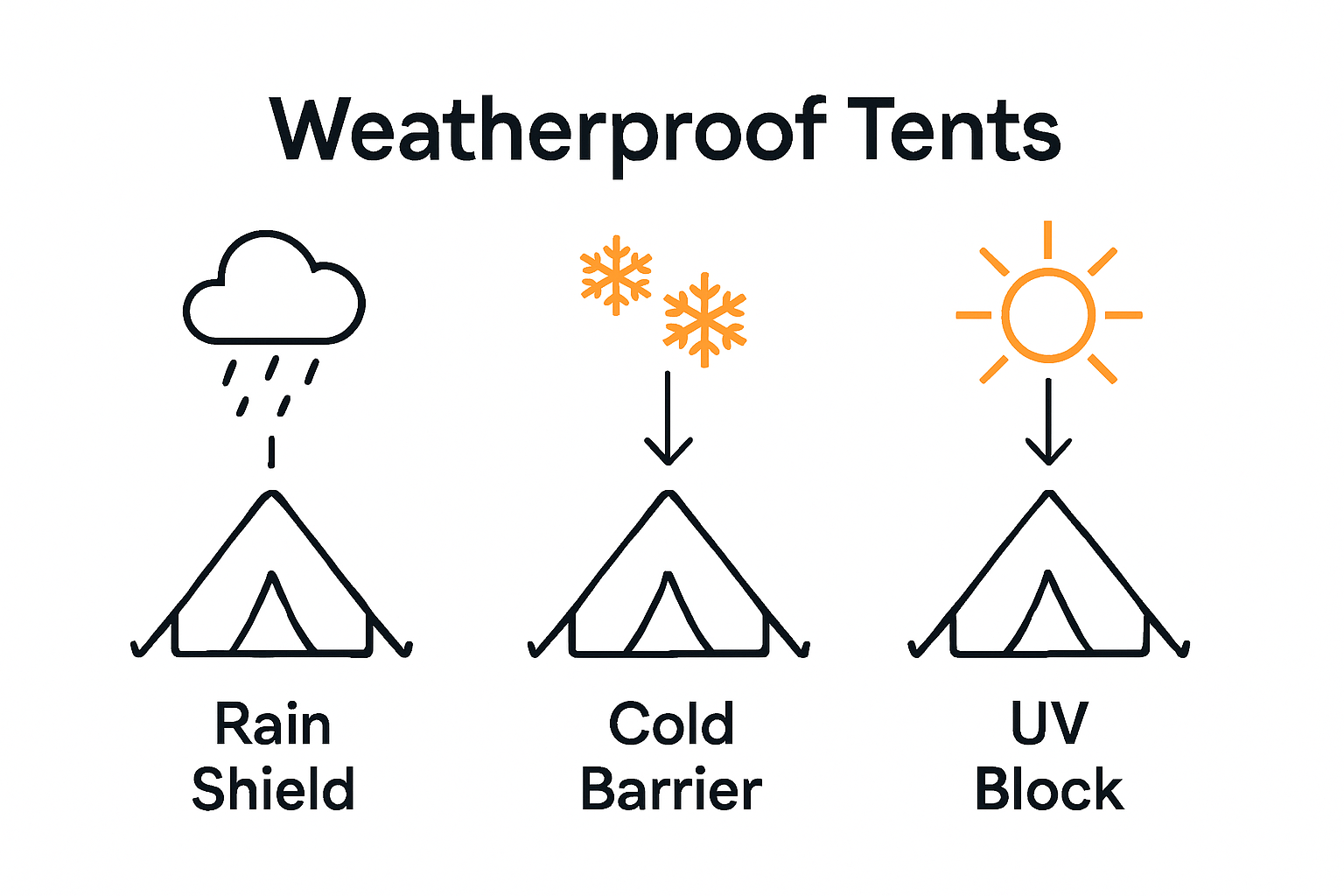
Beyond traditional outdoor applications, these versatile shelters find unexpected uses in professional and humanitarian contexts. Search and rescue teams rely on rapid-deployment tents for emergency medical stations, while research scientists utilize specialized designs for remote field work in extreme environments. The adaptability of modern weatherproof tent technology continues to expand, demonstrating that these are not just camping accessories, but sophisticated tools for human resilience and adventure.
Common Mistakes and How to Avoid Failures
Waterproofing failures represent one of the most critical challenges in maintaining tent durability and performance. Experienced outdoor enthusiasts understand that a seemingly minor oversight can transform a promising adventure into a miserable, wet experience. Recognizing and proactively addressing potential vulnerabilities in your tent's protective capabilities is essential for ensuring comfortable and safe outdoor experiences.
Common tent failure points include:
- Improper Seam Sealing: Microscopic gaps allowing water penetration
- Inadequate Ground Protection: Moisture seeping through tent floor
- Incorrect Tent Positioning: Exposing tent to maximum wind and water impact
- Neglecting Regular Maintenance: Degrading waterproof coatings over time
- Overlooking Ventilation: Creating internal condensation environments
Proper tent setup and site selection are fundamental to preventing structural and environmental challenges. Campers must carefully evaluate terrain, understand wind patterns, and implement strategic pitching techniques that maximize tent stability. This involves selecting elevated ground, using appropriate guy line tensions, and creating strategic wind barriers that protect against potential environmental stressors.
Preventative maintenance represents the most effective strategy for avoiding tent failures. Regular waterproofing treatments, careful inspection of material integrity, and proactive repair of minor damages can dramatically extend a tent's functional lifespan. Smart adventurers treat their shelter as a critical piece of safety equipment, investing time in understanding its specific care requirements and potential vulnerabilities before embarking on any outdoor journey.
Equip Yourself with Weatherproof Gear for Any Adventure
Facing unpredictable weather is one of the biggest challenges when camping outdoors. From waterproof fabrics to sealed seams and ventilation, your shelter needs to perform perfectly to keep you safe and dry. The key to conquering nature's toughest elements starts with reliable, high-quality gear designed to withstand wind, rain, and temperature fluctuations.
At Life Camp Adventure, we understand your goal of securing a dependable shelter that transforms outdoor hardships into comfortable experiences. Our collection of weatherproof tents and camping essentials are engineered to meet the exact standards outlined in The Essential Guide to Weatherproof Tents. Don't let improper setup, poor materials, or weak designs ruin your trip. Visit Life Camp Adventure today and explore gear that offers:
- Durable, waterproof construction for total protection
- Breathable fabrics and smart ventilation to reduce condensation
- Easy setup features to maximize your campsite stability
Upgrade your outdoor experience now by choosing gear that empowers confidence and comfort. Discover how simple it is to prepare for the unexpected with high-quality camping equipment that never lets you down.
Frequently Asked Questions
What are weatherproof tents designed for?
Weatherproof tents are engineered to protect campers from rain, wind, humidity, and temperature fluctuations, ensuring survival and comfort in challenging outdoor conditions.
What materials are commonly used in weatherproof tents?
Common materials include cotton canvas, polyester, nylon, and PVC-coated fabrics, each providing unique water-resistant and durability qualities.
How do weatherproof tents provide protection against the elements?
Weatherproof tents utilize specialized design features like rain flies, sealed seams, and waterproof flooring, along with advanced materials to guard against wind, rain, and moisture while regulating temperature.
What are some common mistakes to avoid when using a weatherproof tent?
Common mistakes include improper seam sealing, inadequate ground protection, incorrect tent positioning, neglecting regular maintenance, and overlooking ventilation, all of which can lead to waterproofing failures.
Recommended
- VEVOR Camping Gazebo Tent, 10'x10', 6 Sided Pop-up Canopy Screen Tent for 8 Pers
- 240240150cm Spring Quick Opening Four-Person Family Tent Camping Tent Brown
- Tent Stakes Camping Hammer Tent Pegs Set Camping Accessories Kit with 9.84FT Ref
- Outsunny 12' x 12' Hexagon Screen House, Pop Up Tent Portable Gazebo Canopy Shel
