Role of Tents in Camping: Comfort, Safety, and Shelter
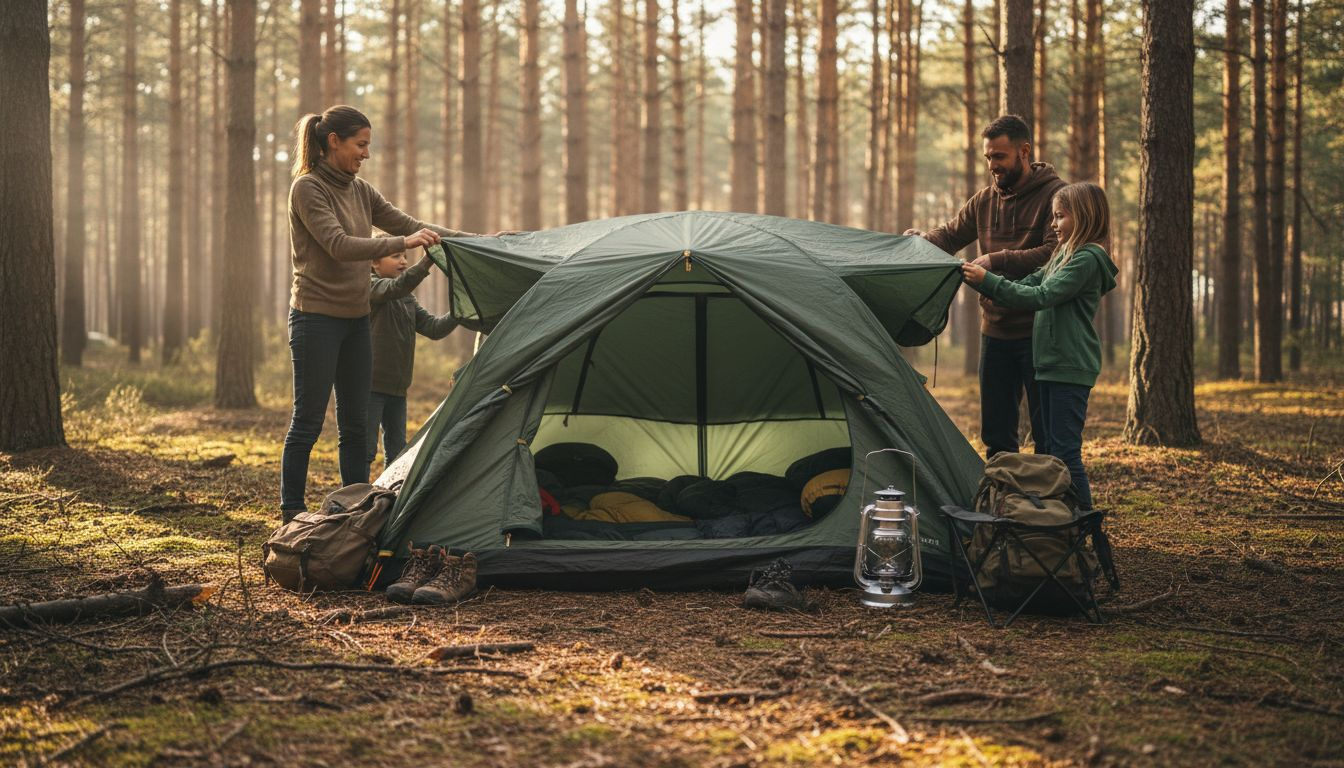
Finding a reliable tent can feel overwhelming for many American families, especially with so many options promising comfort and convenience. Weekend trips to Yellowstone or Shenandoah quickly reveal how a well-chosen tent combines safety, easy setup, and weather protection. Whether you are camping for the first time or heading out with kids, understanding what tents truly provide is the foundation for memorable, stress-free outdoor adventures. Expect practical advice on choosing the best design and setup for your needs.
Key Takeaways
| Point | Details |
|---|---|
| Tent Functions | Tents provide physical shelter, environmental protection, and psychological security, making camping more comfortable and safe. |
| Tent Types | Understanding dome, cabin, tunnel, and ridge tent characteristics helps families select the best option for their needs. |
| Material Importance | Choosing the right tent materials ensures water resistance, durability, and breathability for a safe camping experience. |
| Safety Considerations | Proper campsite selection and equipment maintenance are crucial for minimizing risks and ensuring a successful camping trip. |
What Tents Provide in Outdoor Camping
Tents are far more than simple fabric structures pitched in the wilderness. They represent a critical survival tool that transforms raw outdoor environments into safe, personal living spaces for campers. Modern tents provide comprehensive protection and comfort through carefully engineered design features that shield individuals from environmental challenges.
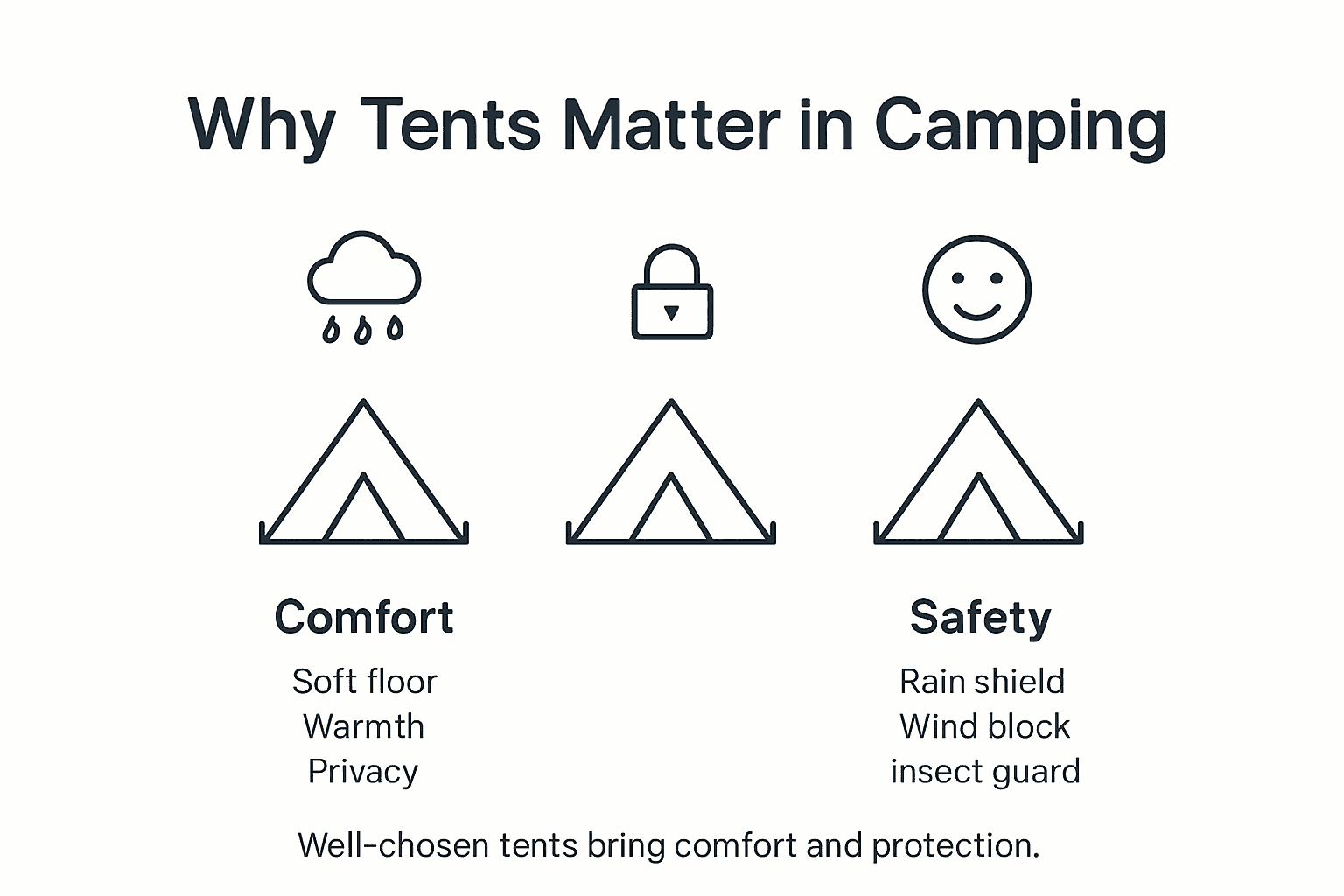
At their core, tents deliver three fundamental functions: physical shelter, environmental protection, and psychological security. Emergency shelter solutions highlight how tents create safe personal spaces that support individual dignity and self-reliance. These portable structures defend against wind, rain, insects, temperature fluctuations, and unexpected weather conditions while offering a sense of personal territory in open landscapes.
The technical capabilities of contemporary tents extend well beyond basic coverage. Innovative tent designs now incorporate advanced features like hard flooring, superior insulation, and integrated electrical systems that transform outdoor living experiences. Modern camping tents are engineered with specialized materials that provide waterproofing, breathability, ultraviolet protection, and temperature regulation. Sophisticated designs include features like vestibules for gear storage, mesh windows for ventilation, reinforced stress points for durability, and quick-setup mechanisms that simplify the camping process.
Key Functions of Camping Tents:
- Physical protection from elements
- Temperature and humidity management
- Personal privacy in outdoor settings
- Secure storage for personal equipment
- Psychological comfort and sense of safety
Pro tip: When selecting a tent, prioritize its intended environment and expected weather conditions to ensure optimal protection and comfort.
Types of Tents for Family Camping Trips
Choosing the right tent for family camping trips requires understanding the unique characteristics and advantages of different tent designs. Comprehensive UN guidelines detail multiple tent types specifically suited for family needs, offering invaluable insights into selecting the most appropriate shelter for outdoor adventures.
Family camping tents typically fall into four primary categories: dome, cabin, tunnel, and ridge tents. Dome tents offer exceptional wind resistance and compact design, making them ideal for smaller families or backpacking trips. Cabin tents provide maximum interior space with near-vertical walls, creating a roomier environment that feels more like a portable home. These designs often feature multiple rooms, separate sleeping areas, and standing height for comfortable movement.
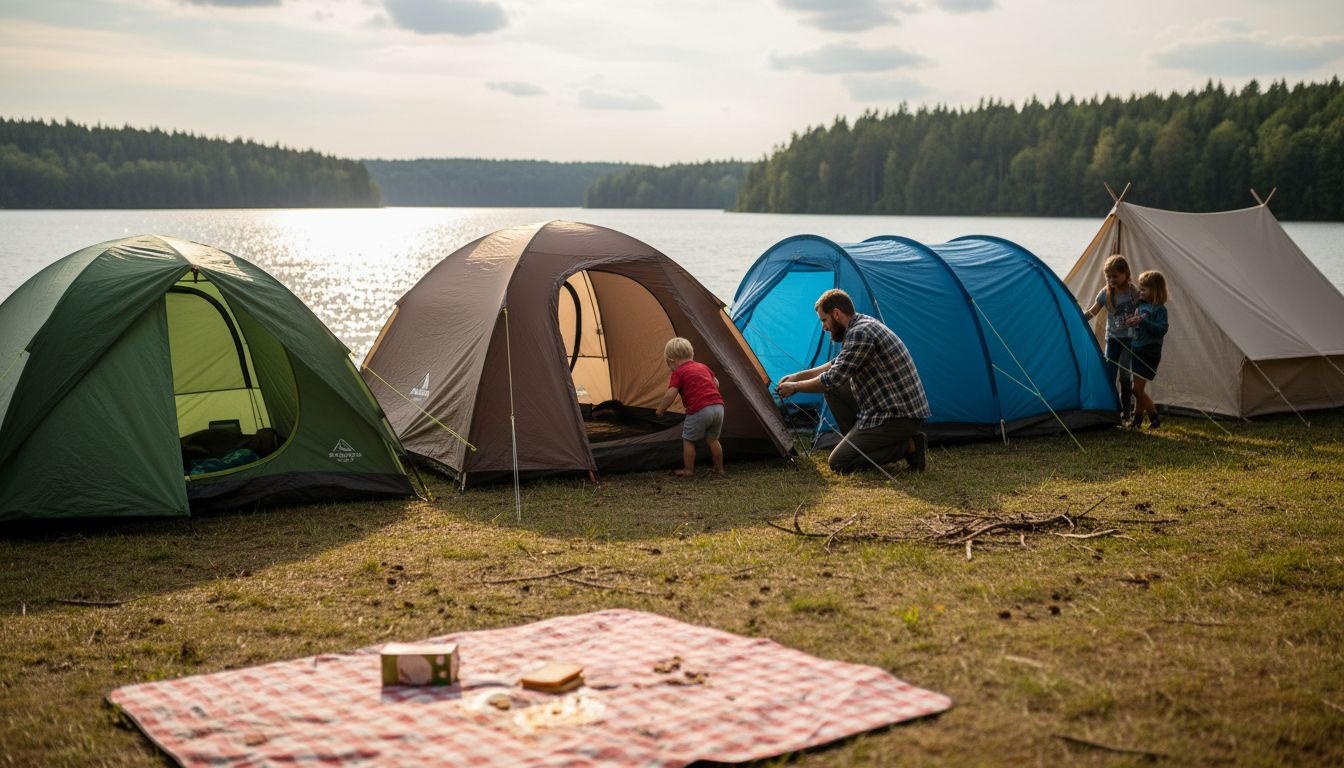
The selection process involves careful consideration of several critical factors. Tent capacity matters immensely - families should choose a tent that comfortably accommodates all members with additional space for gear. Weight becomes crucial for hiking families, while car campers can prioritize comfort over portability. Seasonal ratings are equally important, with three-season tents handling spring, summer, and fall conditions, while four-season tents provide robust protection against more extreme weather environments.
Key Tent Types for Family Camping:
Here’s a structured comparison of the main family tent types to help you quickly choose the best design for your needs:
| Tent Type | Ideal Use | Space/Headroom | Portability |
|---|---|---|---|
| Dome | Backpacking, wind | Moderate, limited height | Lightweight |
| Cabin | Car camping, families | High, multiple rooms | Bulky when packed |
| Tunnel | Group outings | Spacious, flexible | Moderate weight |
| Ridge | Traditional camping | Simple, sloped | Very lightweight |
- Dome Tents: Lightweight, wind-resistant, compact design
- Cabin Tents: Spacious, multiple rooms, standing height
- Tunnel Tents: Extended living spaces, good for group camping
- Ridge Tents: Traditional design, simple setup
Additional Tent Selection Considerations:
- Group size
- Camping terrain
- Expected weather conditions
- Portability requirements
- Budget constraints
Pro tip: Always test your tent setup at home before your camping trip to familiarize yourself with assembly and identify any potential issues.
Essential Tent Features and Materials
Camping comfort and safety depend fundamentally on selecting the right tent materials and features. UN humanitarian tent specifications outline critical requirements for durable, protective shelter design, providing invaluable insights for campers seeking reliable outdoor equipment.
Modern tent materials have evolved dramatically, with cutting-edge fabrics offering superior performance across diverse environmental conditions. Polyester and nylon remain primary tent fabric choices, distinguished by their unique characteristics. Polyester provides excellent UV resistance and minimal stretch, while nylon delivers lightweight durability and superior water repellency. Advanced synthetic materials now incorporate ripstop technology, reinforcing fabric with interwoven threads that prevent tears from expanding, dramatically increasing tent longevity and reliability.
Essential tent features extend far beyond basic material selection. Waterproofing treatments like silicone and polyurethane coatings create critical barriers against moisture, with measurement standards like hydrostatic head ratings indicating a fabric's water resistance capabilities. Structural elements such as aluminum or carbon fiber poles provide lightweight strength, enabling tents to withstand wind and maintain shape. Ventilation systems with strategic mesh panels and adjustable air vents prevent condensation buildup, ensuring internal comfort during temperature fluctuations.
Critical Tent Material Characteristics:
Use this overview of tent material properties to inform your shelter selection:
| Material | Water Resistance | UV Protection | Durability |
|---|---|---|---|
| Polyester | Excellent, stays firm | Strong | Resists stretching |
| Nylon | Superior when coated | Moderate | Lightweight, tears easier |
| Ripstop | Prevents spreading tears | Varies, typically treated | Highly resilient |
- Water resistance
- UV protection
- Tear strength
- Weight efficiency
- Breathability
Key Tent Feature Priorities:
- Robust weatherproofing
- Structural integrity
- Efficient ventilation
- Easy setup mechanisms
- Compact storage design
Pro tip: Always inspect your tent's seams and waterproofing before each camping season to maintain optimal performance and prevent unexpected leaks.
Setting Up and Using Tents Efficiently
Successful camping experiences depend on mastering efficient tent setup techniques that ensure comfort, stability, and protection. Comprehensive camping resources provide detailed guidance on tent pitching strategies that minimize setup time and maximize campsite performance, offering crucial insights for both novice and experienced campers.
Preparing your campsite begins with strategic site selection. Look for flat, elevated ground away from potential water accumulation points and natural hazards like dead tree branches or rocky surfaces. Clear the area of debris, rocks, and sharp objects that might damage your tent floor or create uncomfortable sleeping conditions. Carefully inspect the ground for subtle slopes, ensuring your tent placement allows for proper drainage and prevents water pooling during unexpected rainfall.
Tent setup requires methodical attention to detail and precise execution. Begin by laying out a ground cloth or footprint to provide an additional protective barrier between your tent and the terrain. Assemble tent poles carefully, connecting them systematically and avoiding excessive force that might cause damage. When staking your tent, use a combination of vertical and angled stakes to maximize stability, driving them into the ground at roughly 45-degree angles to create maximum anchoring resistance. Utilize guy lines strategically to provide additional wind resistance and structural support, particularly in exposed or windy camping environments.
Essential Tent Setup Checklist:
- Select a flat, elevated campsite
- Clear ground of debris and hazards
- Use ground cloth for extra protection
- Assemble poles carefully
- Stake tent with angled approach
- Deploy guy lines for stability
Common Tent Setup Mistakes to Avoid:
- Choosing uneven ground
- Forgetting ground cloth
- Improper pole assembly
- Weak staking techniques
- Neglecting guy line adjustment
Pro tip: Practice your tent setup at home before your camping trip to build muscle memory and identify any potential equipment issues in a controlled environment.
Safety Risks and Common Tent Mistakes
Camping safety demands vigilance and strategic planning to prevent potential hazards that can quickly transform an enjoyable outdoor experience into a dangerous situation. National Park Service guidelines emphasize critical safety protocols for identifying and mitigating camping risks that every camper must understand and implement.
One of the most significant risks involves improper tent placement and environmental awareness. Campers frequently make dangerous mistakes like positioning tents too close to campfires, failing to clear potential hazard zones, or setting up in areas prone to flooding or falling debris. Wind direction, ground slope, and proximity to water sources are crucial considerations that can dramatically impact campsite safety. Potential dangers include unexpected water accumulation, unstable ground, risk of falling branches, and exposure to wildlife pathways.
Tent-related safety extends beyond site selection to include equipment maintenance and emergency preparedness. Fire risks remain a critical concern, with many accidents resulting from improper campfire management near tent structures. Flame-retardant materials, proper ventilation, and maintaining safe distances from heat sources are essential. Equally important is understanding local wildlife patterns, checking weather forecasts, and carrying emergency communication devices. Campers should always have a first aid kit, backup lighting, and an emergency shelter plan that accounts for sudden environmental changes.
Critical Safety Risks in Tent Camping:
- Fire hazards near tent structures
- Unstable ground selection
- Inadequate weather preparation
- Wildlife encounter risks
- Poor emergency planning
Common Tent Safety Mistakes:
- Ignoring site terrain
- Placing tents near open flames
- Neglecting weather forecasts
- Insufficient emergency supplies
- Improper campsite setup
Pro tip: Always conduct a thorough campsite risk assessment before setting up your tent, including checking ground stability, potential hazards, and local environmental conditions.
Elevate Your Camping Experience with Reliable Shelter Solutions
Finding the perfect tent that offers comfort, safety, and protection from the elements is a primary concern for every camper. As highlighted in the article, challenges such as selecting durable materials, ensuring quick and stable setups, and choosing the right design for your environment can complicate your outdoor adventure. At Life Camp Adventure, we understand these pain points and provide gear that supports your goals of secure shelter, easy assembly, and lasting comfort.
Discover a wide selection of camping tents and accessories designed with the features you need, including waterproof fabrics, efficient ventilation, and rugged construction. Don't let weather uncertainties or complex setups hold you back. Visit Life Camp Adventure today to find gear that equips you to face any outdoor condition confidently. Make your next family trip or solo expedition safer and more enjoyable by choosing trusted products tailored to your needs. Start exploring our collection now at Life Camp Adventure and take the first step to better outdoor comfort and safety.
Frequently Asked Questions
What are the main functions of camping tents?
Tents provide three fundamental functions: physical shelter from elements, environmental protection against weather conditions, and psychological security by offering personal space in the outdoors.
What types of tents are best for family camping trips?
The main types of family camping tents include dome tents, cabin tents, tunnel tents, and ridge tents, each offering unique advantages in terms of space, stability, and design suited to different camping needs.
What materials should I look for when choosing a camping tent?
Look for tents made from high-quality materials such as polyester for UV resistance and durability, or nylon for lightweight and superior water repellency. Additionally, consider tents that feature ripstop technology for increased longevity.
How can I ensure proper setup and safety of my camping tent?
Select a flat, elevated campsite, clear the area of debris, use a ground cloth, assemble poles carefully, stake the tent at 45-degree angles for stability, and always assess potential hazards in the environment to ensure safety.
