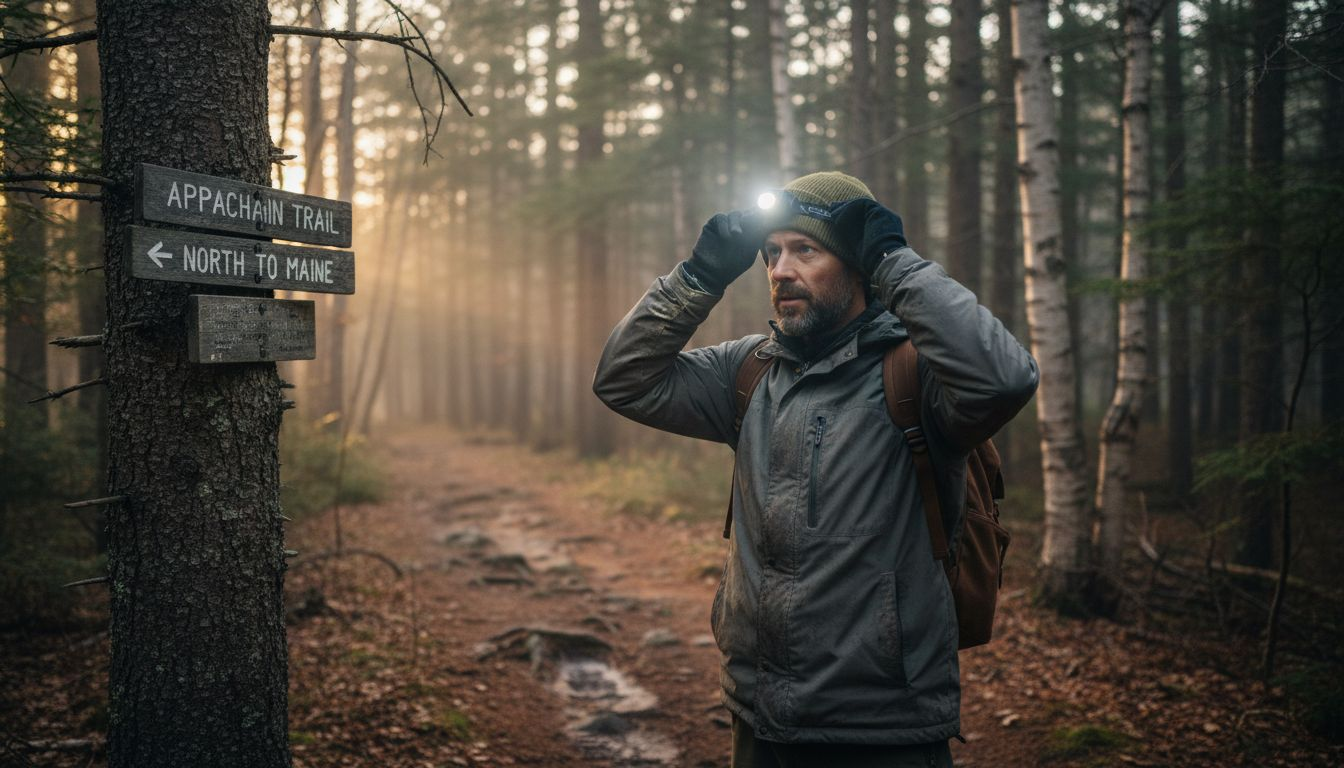
Over 80 percent of American families heading into the wild say dependable lighting is their top camping necessity. Whether you are exploring rugged trails in Colorado or setting up camp beneath starry skies in California, choosing the right headlamp can make every adventure safer and easier. Discover the essential facts and smart tips that will help your family find a headlamp built for lasting comfort and reliable performance in any outdoor setting.
Key Takeaways
| Point | Details |
|---|---|
| Purpose of Headlamps | Headlamps provide hands-free illumination for outdoor activities, enhancing safety and convenience by allowing users to navigate without holding a light. |
| Types of Headlamps | The three main types are Incandescent, LED, and Adaptive Lighting, with LED being the most popular for energy efficiency and brightness. |
| Essential Features | Key features include adjustable beam angles, multiple brightness settings, and water resistance, which cater to varied outdoor conditions. |
| Common Mistakes | Overlooking product specifications such as battery life and brightness can lead to selecting unsuitable headlamps for specific activities. |
What Are Headlamps and How They Work
Headlamps are specialized portable lighting devices designed specifically for hands-free illumination during outdoor activities like camping, hiking, and nighttime exploration. These compact lighting tools typically attach to a user's head using an adjustable elastic band, allowing adventurers to direct light exactly where they need it without occupying their hands. Headlamp performance and visibility standards are critically important for ensuring user safety in low-light environments.
At their core, headlamps consist of several key components: a light source (usually LED), a reflective housing, adjustable straps, and a power source like rechargeable batteries or standard disposable batteries. Modern headlamps offer multiple lighting modes including high beam, low beam, strobe, and red light settings, providing versatility for different outdoor scenarios. The light-emitting diodes (LEDs) used in contemporary headlamps generate significantly more lumens while consuming less energy compared to traditional incandescent bulbs.
The technical functionality of headlamps involves precise optical engineering. Precise aiming procedures determine how effectively the light beam illuminates the surrounding environment. Advanced models incorporate features like adjustable beam angles, multiple brightness settings, and motion-sensor activation. These design innovations allow users to customize their lighting experience based on specific outdoor conditions such as distance visibility, terrain complexity, and ambient light levels.
Pro tip: Always carry backup batteries or a portable charger to ensure your headlamp remains operational during extended outdoor adventures.
Key Types of Camping Headlamps
Camping headlamps come in several distinct categories, each designed to meet specific outdoor illumination needs. Outdoor lighting standards recognize three primary types: traditional incandescent, light-emitting diode (LED), and advanced adaptive lighting systems. LED headlamps have become the most popular choice among outdoor enthusiasts due to their remarkable energy efficiency, durability, and consistent light output.
The primary classifications of camping headlamps focus on beam functionality and lighting technology. Beam types typically include flood lights for wide-area illumination, spot lights for long-distance visibility, and combination beams that allow users to switch between modes. Different lamp technologies offer unique advantages, with LED models providing superior performance in terms of battery life, brightness, and reliability. Outdoor adventurers can choose from models with various lumen outputs, ranging from compact 50-lumen units ideal for close-range tasks to powerful 500-lumen headlamps designed for extensive nighttime exploration.
Advanced camping headlamps now incorporate sophisticated features beyond basic illumination. Modern designs include motion-sensor activation, multiple light modes (high, medium, low, strobe), red light options for preserving night vision, and waterproof ratings that ensure functionality in challenging outdoor conditions. Some high-end models offer rechargeable batteries, USB charging capabilities, and adjustable beam angles, allowing campers to customize their lighting experience based on specific environmental requirements.
Here is a comparison of common camping headlamp types and their unique strengths:
| Headlamp Type | Light Output | Battery Efficiency | Ideal Usage Scenario |
|---|---|---|---|
| Incandescent | Low to moderate | Short battery life | Occasional, basic use |
| LED | High, adjustable | Long-lasting | General camping, hiking |
| Adaptive Lighting | Variable, smart | Efficient, rechargeable | Technical trekking, emergencies |
Pro tip: Select a headlamp with multiple lighting modes and always pack extra batteries to ensure reliable illumination during unexpected situations in the wilderness.
Essential Features for Outdoor Use
When selecting a headlamp for outdoor adventures, understanding critical safety features becomes paramount for reliable performance in challenging environments. The most essential features include hands-free operation, multiple brightness settings, robust weather resistance, lightweight construction, and extended battery life. Modern outdoor headlamps are designed to withstand diverse conditions while providing versatile illumination options that adapt to different camping scenarios.
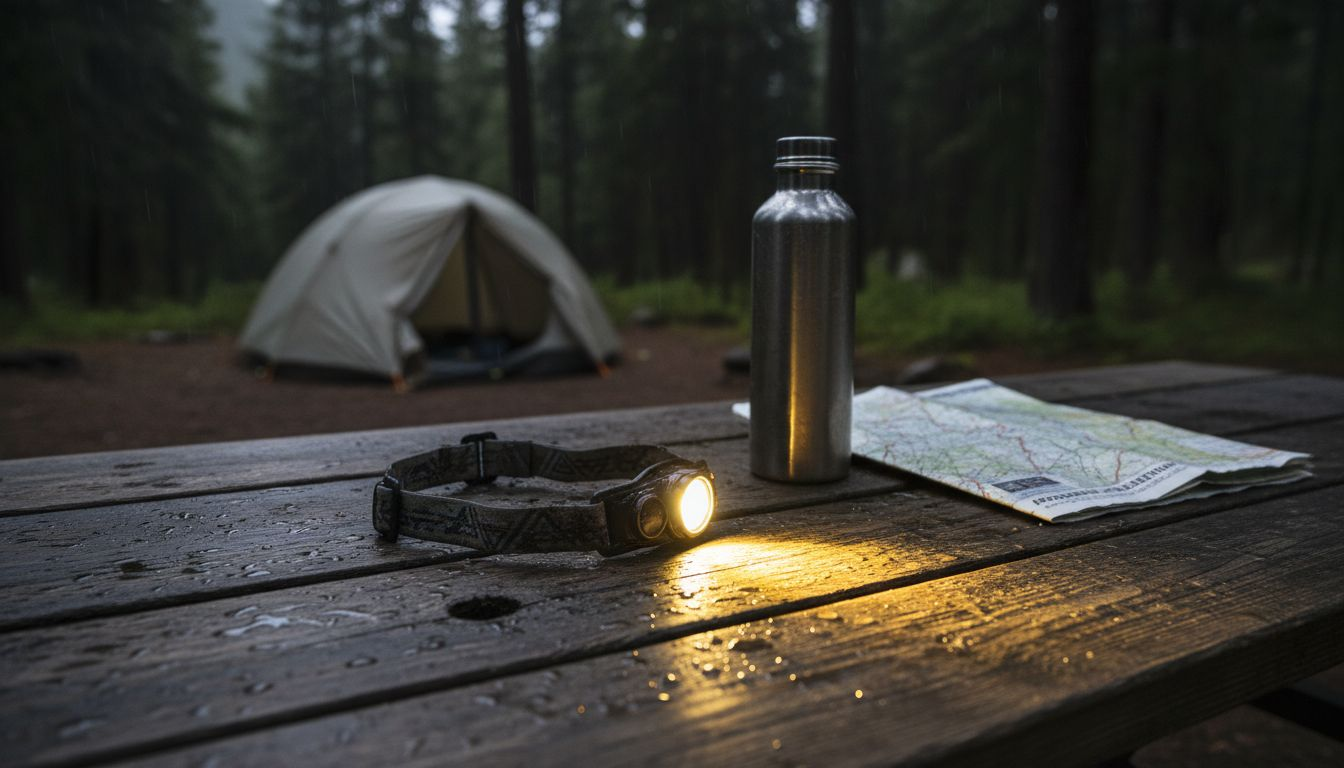
Key functional requirements for outdoor headlamps extend beyond basic lighting. Waterproof or water-resistant ratings are crucial, protecting the device from rain, humidity, and accidental submersion. Red light modes help preserve night vision during nighttime activities, while adjustable beam angles allow users to customize illumination for specific tasks like reading, cooking, or navigating rugged terrain. Headlamp design parameters emphasize the importance of balanced beam patterns that provide adequate visibility without causing glare or discomfort.
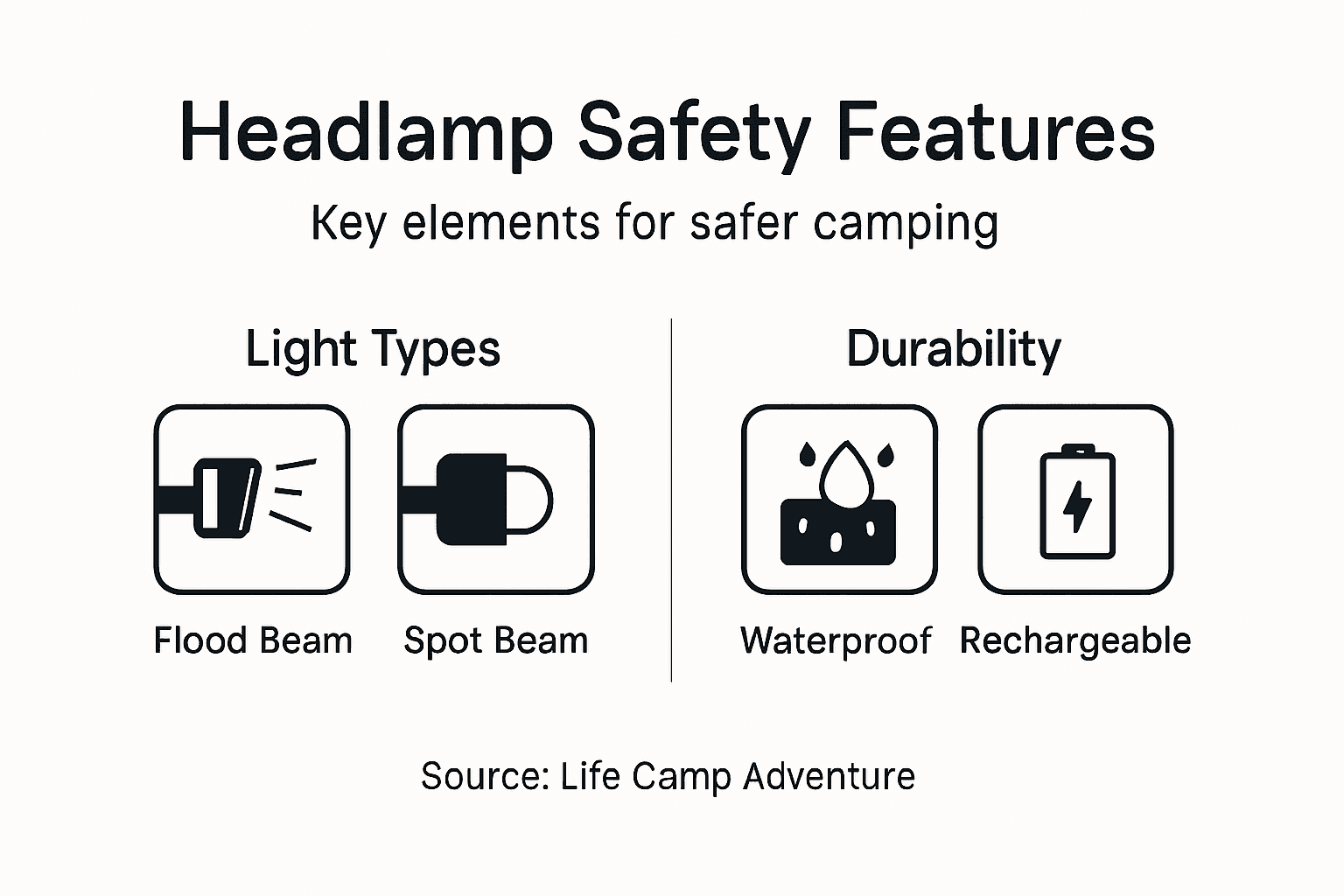
Advanced outdoor headlamps incorporate sophisticated technologies to enhance user experience. Rechargeable lithium-ion batteries with USB charging capabilities offer convenience and sustainability, eliminating the need for frequent battery replacements. Motion-sensor activation, memory function for previous light settings, and durable impact-resistant materials represent cutting-edge innovations that address the demanding needs of outdoor enthusiasts. Additional premium features like emergency strobe modes, multiple color temperature options, and integrated power banks further distinguish high-performance headlamps from basic models.
This reference table highlights essential features and their direct benefits for outdoor headlamp users:
| Feature | Benefit for Campers | Typical Scenario |
|---|---|---|
| Adjustable Beam Angles | Precise lighting control | Navigating rugged trails |
| Red Light Mode | Preserves night vision | Nighttime stargazing |
| Water Resistance | Continued use in wet conditions | Rainy forest hikes |
| Motion Sensing | Hands-free activation | Cooking or setting up camp |
Pro tip: Always test your headlamp's features and battery life before embarking on an outdoor trip to ensure reliable performance in critical moments.
Safety, Comfort, and Visibility Benefits
Camping safety standards underscore the critical role of headlamps in enhancing outdoor experiences by providing reliable illumination and reducing potential risks. Headlamps offer unparalleled advantages in nighttime navigation, allowing campers to maintain full hand mobility while ensuring consistent, directed lighting. By eliminating the need to hold a traditional flashlight, these devices significantly improve situational awareness and reduce the likelihood of accidents on uneven or challenging terrain.
The visibility benefits of modern headlamps extend far beyond basic illumination. Nighttime visibility technologies demonstrate that strategically designed headlamps can dramatically improve a user's ability to perceive obstacles, terrain features, and potential hazards from greater distances. Advanced beam patterns and adjustable brightness settings enable campers to customize their lighting experience, whether navigating dark trails, setting up camp, or responding to unexpected situations. Red light modes further enhance safety by preserving natural night vision and minimizing disruption to surrounding wildlife.
Comfort and convenience are equally important considerations in headlamp design. Lightweight, ergonomically designed models with adjustable straps distribute weight evenly, preventing neck strain and discomfort during extended use. The hands-free nature of headlamps allows for more efficient camp setup, cooking, gear maintenance, and emergency response. Additional features like motion sensors, multiple lighting modes, and long-lasting rechargeable batteries transform these devices from simple light sources into essential multi-functional tools that significantly enhance the overall outdoor experience.
Pro tip: Adjust your headlamp's fit and test its various modes before your camping trip to ensure maximum comfort and familiarity in real-world conditions.
Common Missteps When Choosing Headlamps
One of the most critical errors when selecting a headlamp is overlooking potential glare and visibility issues. Campers frequently choose models with excessive brightness that actually decrease visibility by creating uncomfortable light scatter and blinding reflections. This counterintuitive mistake can compromise safety, especially in environments with reflective surfaces like snow, water, or rocky terrain where intense light can create more visual confusion than clarity.
Another significant misstep involves neglecting critical technical specifications and ergonomic considerations. Many outdoor enthusiasts select headlamps without thoroughly evaluating battery life, weight distribution, and beam flexibility. Headlamp performance standards emphasize the importance of proper beam alignment and adjustability, yet users often purchase devices without understanding how different lighting modes and beam patterns impact their specific outdoor activities. Factors like water resistance, lumens output, and battery type are frequently overlooked in favor of aesthetic or price-based decisions.
Users also commonly make poor choices by failing to match their headlamp to their specific outdoor environment and intended use. Lightweight backpacking scenarios require different lighting solutions compared to stationary camping or technical night hiking. Compact models might sacrifice brightness, while overly complex headlamps can become burdensome. Additional pitfalls include ignoring weight distribution, which can cause neck strain, and not considering backup power options for extended trips. The most effective headlamp selection requires a nuanced understanding of personal needs, environmental conditions, and performance capabilities.
Pro tip: Always test your headlamp in conditions similar to your planned outdoor environment to understand its real-world performance and comfort.
Equip Yourself with the Right Headlamp for Safer Camping Adventures
Navigating dark trails and unpredictable weather requires more than just basic gear. This article highlights the importance of features like adjustable beam angles, red light modes, and water resistance to improve your visibility and comfort while camping. If you have ever struggled with unreliable headlamps that cause glare, short battery life, or discomfort, you understand how critical the right equipment is for safety and confidence outdoors.
At Life Camp Adventure, we specialize in offering high-quality headlamps and camping essentials built to withstand tough conditions and keep you prepared. Our products address common challenges such as battery efficiency, ergonomic design, and multiple lighting modes so you can focus on exploring rather than worrying about your gear. Discover dependable gear designed to enhance your outdoor experience.

Ready to light up your next camping trip with a headlamp that meets all your needs? Visit Life Camp Adventure now to find versatile and durable lighting solutions that prioritize your safety and comfort. Don't wait until darkness falls to realize your gear is not up to the task. Equip yourself today and explore with confidence.
Frequently Asked Questions
What are the main advantages of using a headlamp while camping?
Headlamps provide hands-free illumination, allowing users to perform tasks like cooking or setting up tent without needing to hold a flashlight. They enhance visibility and situational awareness in low-light conditions, making outdoor activities safer.
How do I choose the right headlamp for my camping needs?
Choose a headlamp based on key factors such as brightness (measured in lumens), battery life, weight, beam type (flood, spot, or combination), and additional features like waterproof ratings or motion sensors. Consider your specific activities and environmental conditions when making your selection.
What features should I look for in a camping headlamp to ensure safety and comfort?
Essential features include multiple brightness settings, red light modes (to preserve night vision), adjustable beam angles, and robust weather resistance. Lightweight construction and ergonomic design also contribute to comfort during extended use.
Can headlamps be used for activities other than camping?
Yes, headlamps are versatile and can be used for various activities such as hiking, biking, fishing, or emergencies at home. Their hands-free design and adjustable settings make them suitable for any situation requiring reliable illumination.
Recommended
- 100000LM LED Headlamp 7 Lighting Modes Rechargeable Headlights IP44 Waterproof R
- 2 Packs Rechargeable Headlamp IPX4 Waterproof Headlight Flashlight
- Rechargeable Headlamp High Power Headlight Torch Flashlight with 3 Light Modes f
- Rechargeable Headlamp High Power Headlight Torch Flashlight with Motion Sensor 3
