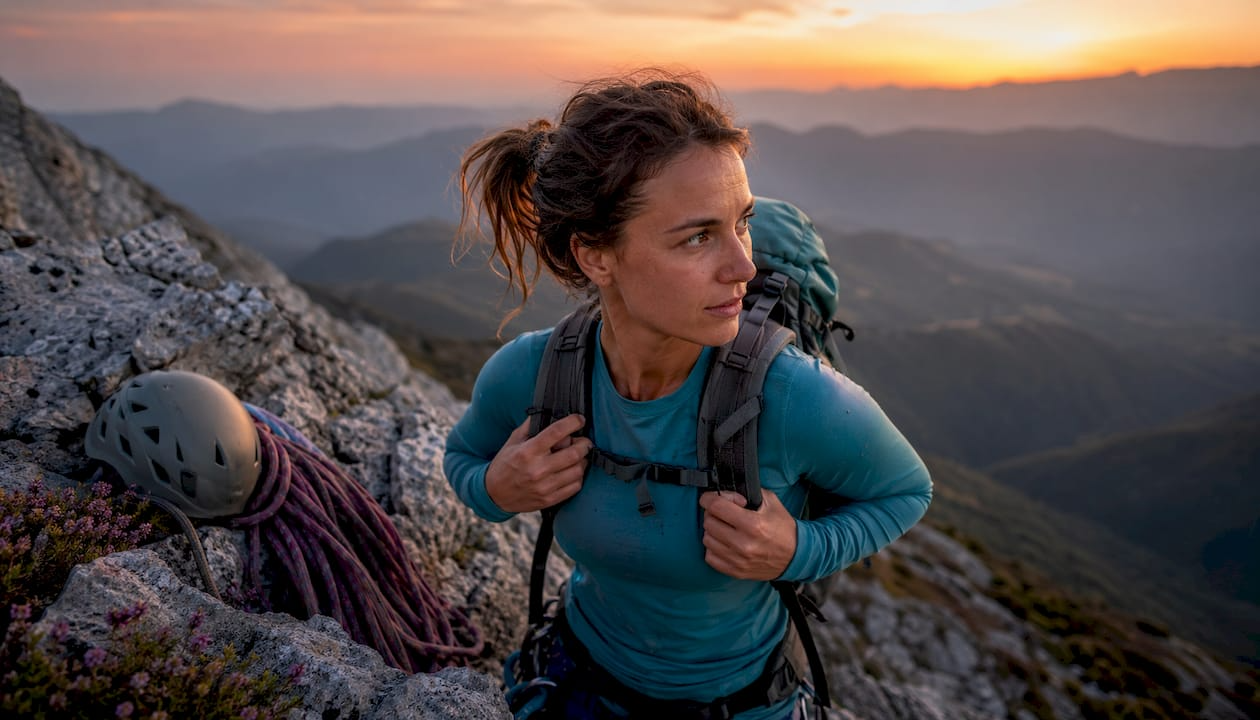
Your base layer is doing more work than any other piece of clothing you own. It manages moisture, regulates your body temperature, and protects your skin from friction, all at once, all the time you're moving. Get it right and you barely notice it. Get it wrong and you'll feel it by mile three.
Here's what a quality base layer actually does:
- Wicks sweat away from skin so moisture moves outward instead of sitting against you
- Regulates body temperature by trapping warm air in cold conditions and enabling evaporative cooling during hard effort
- Fits like a second skin to prevent chafing and maximize fabric-to-skin contact
- Supports sustained performance by keeping you dry, which prevents the rapid heat loss that wet fabric causes
- Anchors the layering system as the foundation that determines how well your mid and outer layers perform
Understanding the layering system for outdoor comfort starts here, with the layer closest to your skin.
What base layer fabrics actually do for you
The material your base layer is made from determines almost everything about how it performs. Three main options dominate: synthetic fibers, merino wool, and silk. Each has a distinct functional profile.
Synthetic fibers (polyester, nylon, polypropylene) move moisture fast. They use capillary action to pull sweat outward and dry quickly, which makes them the go-to for high-output activities like trail running, climbing, or any day hike where you're generating serious sweat volume. They're also the most affordable and the most durable over repeated washing. The tradeoff: synthetics hold odor more readily than natural fibers, which becomes noticeable on anything longer than a single day out.
Merino wool works differently. Its natural fiber crimp holds a small amount of moisture inside the shaft, slowing the wet feeling without trapping water against your skin. Merino excels at temperature buffering and resists odor naturally, making it the clear choice for multi-day backpacking trips where you're wearing the same layer for days at a stretch. It's softer against sensitive skin than most synthetics, though it costs more and dries slower.
Silk is the least common of the three but worth knowing. It's lightweight, naturally moisture-wicking, and provides decent insulation for its thin profile. Silk works well as a cold-weather liner when you want warmth without bulk, though it's less durable than either synthetic or merino and requires more careful washing.
- Synthetics: fast drying, affordable, best for high-output single-day use
- Merino wool: odor-resistant, temperature-buffering, best for multi-day and cold-weather use
- Silk: lightweight, thin insulation, best as a cold-weather liner
How base layer weight categories match your activity
Weight is measured in grams per square meter (gsm), and it's the single most practical spec to understand when choosing a base layer.
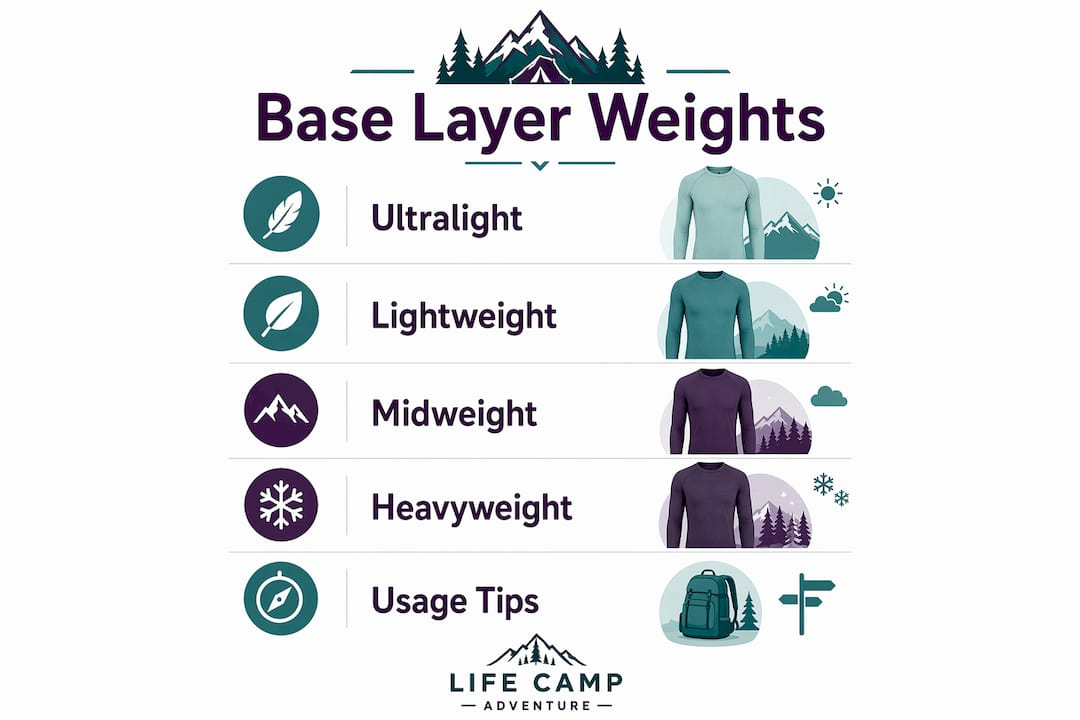
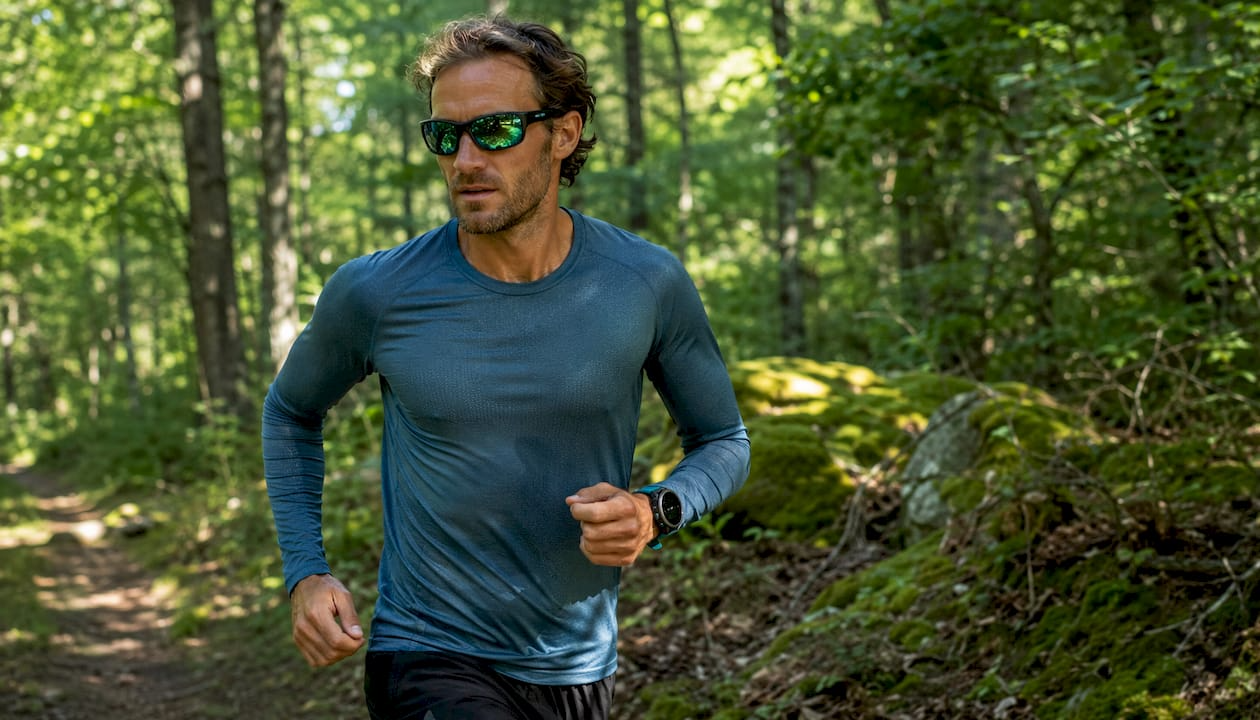
Ultralight and lightweight options (under 150 gsm) prioritize breathability and moisture transfer over warmth. These are built for warm weather hiking, trail running, or any activity where your body is generating consistent heat. They dry almost instantly and pack down to nearly nothing.
Midweight layers (150–250 gsm) balance insulation with moisture management. They're the most versatile category, handling temperate conditions across a wide range of activities from moderate hiking to ski touring. Most outdoor enthusiasts find that a midweight merino top covers the majority of their use cases.
Heavyweight base layers (250+ gsm) shift the priority toward warmth. They're designed for cold conditions and lower-output situations, like winter camping, ice fishing, or standing at a belay station. The right weight for cold conditions is typically a midweight to heavyweight merino for sustained cold exposure.
Matching weight to activity prevents the most common base layer mistake: wearing too heavy a layer for the output level, which traps sweat and creates a wet layer between you and your insulation.
Fit and design features that make or break performance
A base layer that fits poorly doesn't work. The fabric needs direct contact with your skin to wick moisture through capillary action. Loose fabric traps moisture and creates air gaps that defeat the entire purpose.
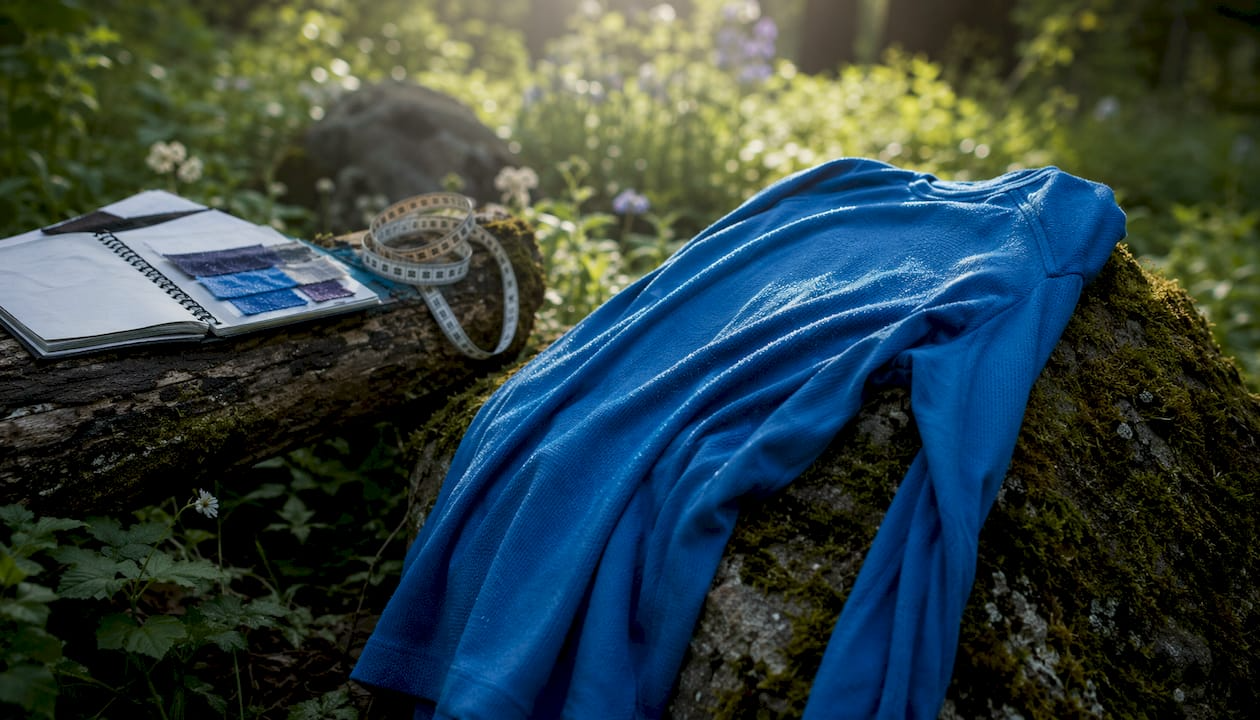
The fit target is snug without restricting movement or circulation. You should be able to reach overhead, crouch, and twist without the fabric pulling or bunching. If it restricts you, it's too tight. If it billows away from your torso when you bend forward, it's too loose.
Beyond fit, a few construction details make a real difference on long days out:
- Flatlock seams lie flat against the skin instead of creating a ridge. Chafing from raised seams becomes a serious problem after 10–15 miles of hiking, and Flatlock construction helps eliminate that friction point entirely.
- Four-way stretch fabric supports full range of motion and makes layering easier, since the base layer moves with you rather than bunching under a mid layer.
- Sleeve length and neck style affect both coverage and layering compatibility. A crew neck works under most mid layers; a zip neck gives you ventilation control on the move.
- UPF ratings matter for exposed terrain. Many lightweight base layers now carry UPF ratings, which provides meaningful sun protection on alpine routes or open ridgelines.
Pro Tip: When trying on a base layer, raise both arms fully overhead. If the hem lifts above your waistband, the torso is too short and will pull out of your pants on the trail.
How base layers regulate your body temperature during activity
The thermoregulation function of a base layer works through two mechanisms operating at the same time. In cold conditions, the snug fit traps a thin layer of air between fabric and skin, creating a microclimate that holds body heat. In high-output conditions, the moisture-wicking action moves sweat outward where it evaporates, which cools the skin safely without chilling it.
The critical moment is when you stop moving. Your body keeps sweating briefly after you halt, but you're no longer generating heat from muscle work. If your base layer is wet at that point, evaporative cooling continues pulling warmth away from your core. A wicking base layer moves that moisture outward fast enough that the cooling effect stays manageable. A wet cotton shirt at the same moment creates a heat-loss situation that compounds quickly in cold air.
Proper thermoregulation through base layers directly supports physical output. Maintaining a stable skin temperature prevents the performance drop that comes from overheating or chilling during sustained effort. Fit, fabric type, and weight all interact to determine how effectively your base layer manages that balance.
Why breathability determines comfort more than warmth does
Breathability is the base layer's ability to let water vapor (sweat in gas form) pass through the fabric before it condenses into liquid. A breathable base layer keeps you drier at lower sweat rates, which extends the comfort window across a wider range of conditions.
The common mistake is equating a thicker or warmer base layer with better performance. A heavyweight layer that traps vapor creates a humid microclimate against your skin, which feels clammy and cold even when the fabric itself is warm. Breathability and warmth aren't the same thing, and for active use, breathability usually matters more.
Synthetic fabrics with open knit structures and merino wool both offer strong breathability. The three-layer clothing system only works when the base layer passes moisture upward efficiently. If vapor stalls at the base layer, the mid and outer layers can't compensate.
How your base layer material affects odor over time
Odor in base layers comes from bacteria that feed on sweat and skin oils trapped in the fabric. The material determines how quickly that process happens and how reversible it is.
Synthetic fibers, particularly polyester, provide a hospitable surface for odor-causing bacteria. A synthetic base layer worn on a hard day will smell noticeably by the end of it. Washing removes most of the odor, but over time, synthetic fabrics can develop a baseline smell that doesn't fully wash out.
Merino wool resists this process naturally. The fiber's structure and lanolin content inhibit bacterial growth, which is why a merino base layer can be worn for multiple days without becoming offensive. That's not a marketing claim. It's the reason experienced backpackers almost universally reach for merino for trips longer than two days.
Antimicrobial treatments applied to synthetic fabrics, such as silver-ion technology, extend the odor-free window significantly. These treatments reduce washing frequency and help preserve the fabric's wicking performance over time. They don't fully replicate merino's natural odor resistance, but they close the gap considerably for single-day and short-trip use.For anti-chafing protection during extended wear, keeping your base layer clean and dry also reduces the skin irritation that bacteria and salt residue can cause on long efforts.
Gear up with Lifecampadventure for your next adventure
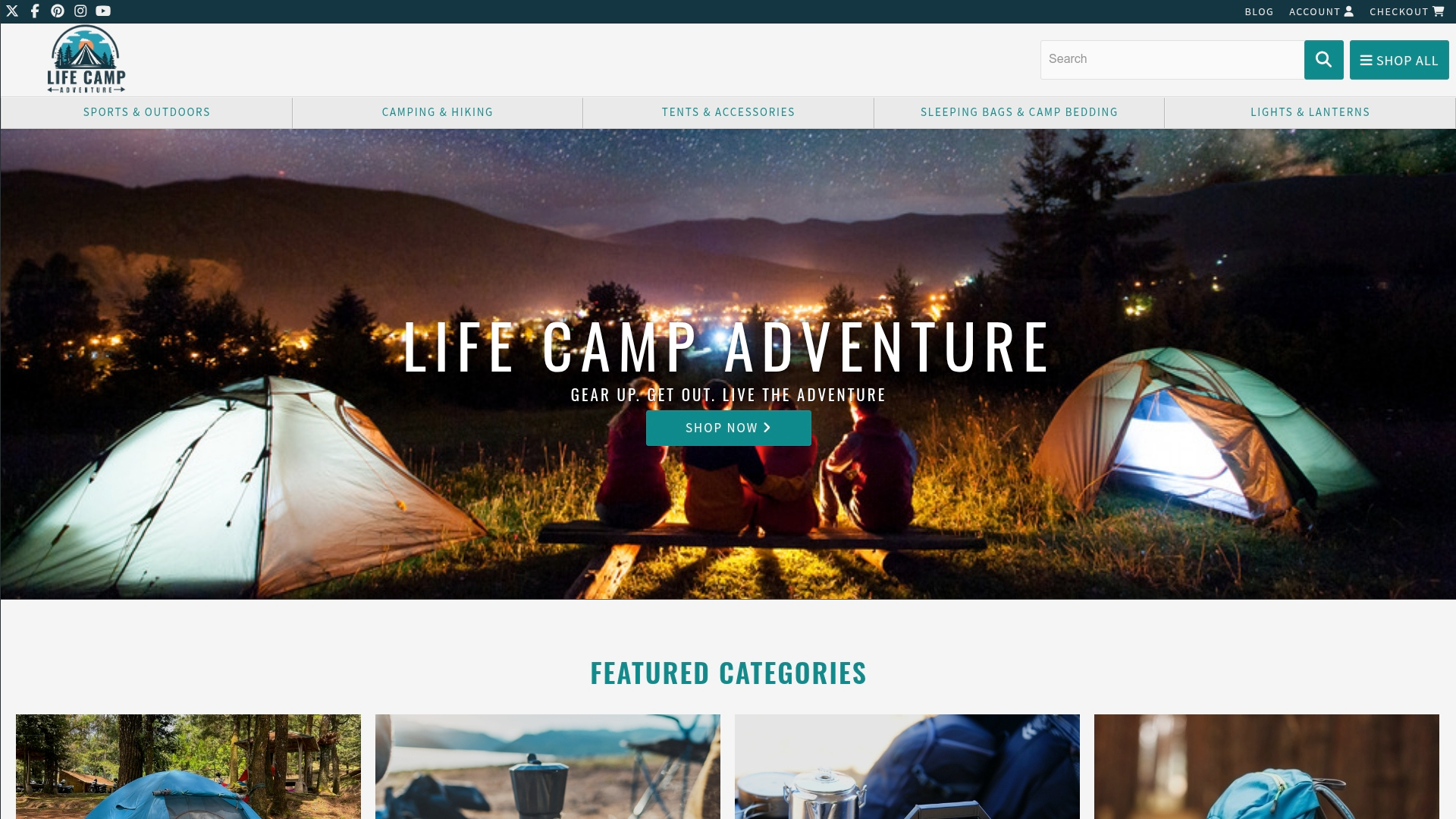
Choosing the right base layer is the first step. Having the rest of your kit sorted is what turns a good day out into a great one. Lifecampadventure carries quality outdoor gear built for the conditions you actually face, from apparel and layering essentials to tents, sleeping bags, and survival tools. Whether you're planning a weekend backpacking trip or gearing up for a full expedition, the right equipment makes every mile more manageable. Browse the full range at Lifecampadventure and build your kit around gear that's designed to perform when it counts.
Key takeaways
A base layer's primary job is moisture management, not warmth. Keeping your skin dry is what keeps you comfortable, safe, and performing across all conditions.
| Point | Details |
|---|---|
| Moisture management first | Base layers wick sweat away from skin to prevent the rapid heat loss that wet fabric causes. |
| Match material to trip length | Use synthetics for fast-drying day hikes; choose merino wool for multi-day trips where odor resistance matters. |
| Weight to activity | Lightweight for high-output warm conditions; midweight to heavyweight for cold or low-output use. |
| Fit determines function | Snug, flatlock-seamed construction with four-way stretch maximizes wicking and prevents chafing after 10–15 miles. |
| Lifecampadventure | Stocks outdoor gear and apparel built for real conditions, from base layer essentials to full expedition kits. |
