TL;DR:
- Survival situations threaten a person's safety and require immediate action to stay alive. Preparation, mental control, and environment knowledge are key to increasing chances of survival.
Survival situations are defined as events where a person's safety or life is directly threatened, requiring immediate, adaptive action to stay alive. From getting lost on a backcountry trail to being trapped under rubble after an earthquake, real life survival scenarios demand both physical skill and mental clarity. Understanding diverse examples of survival situations prepares you to recognize threats faster, make better decisions under pressure, and walk away alive. The difference between those who survive and those who don't often comes down to preparation, not luck.
1. What are common wilderness survival situations?
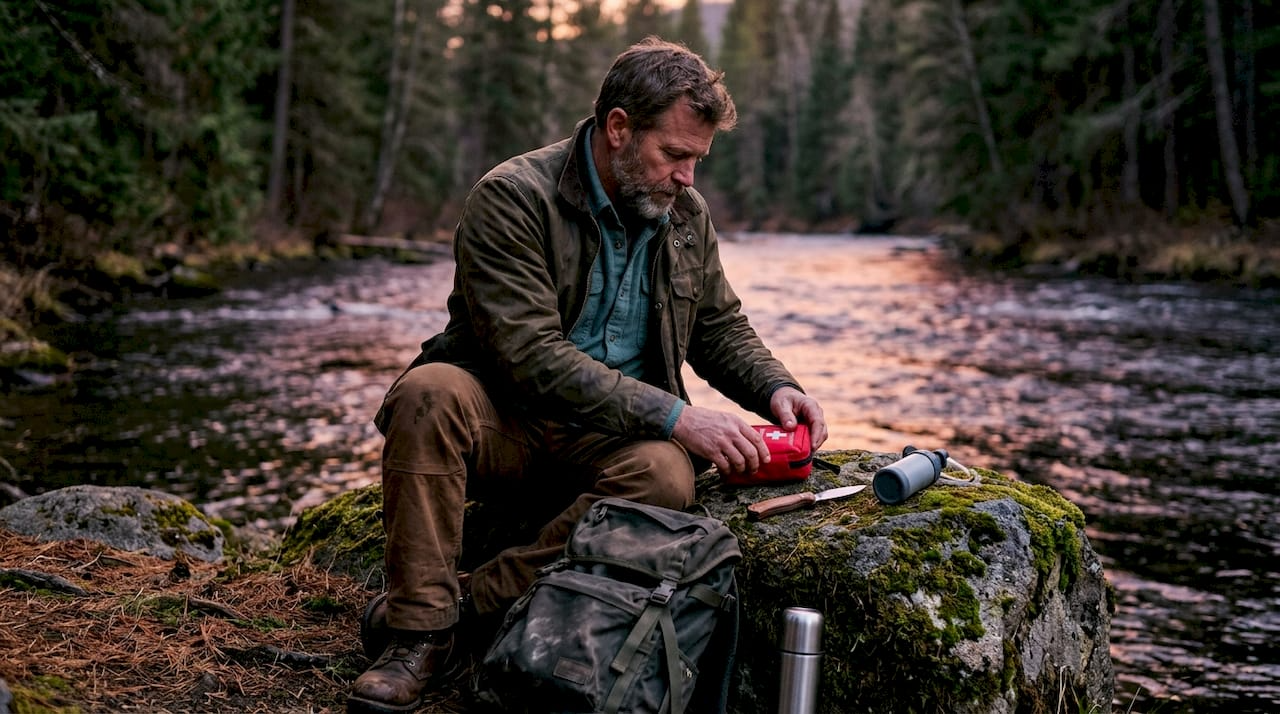
Wilderness survival is the most widely studied category of emergency preparedness. Getting lost on a trail, suffering a fracture miles from the trailhead, or running out of water in summer heat are all classic wilderness survival examples. Each one shares a common thread: the environment stops cooperating, and you must adapt with whatever you have.
The 5 C's of survival provide a reliable framework for wilderness emergencies:
- Cutting tools (knives, saws): used to build shelter and process food
- Cover (tarp, emergency blanket): protects against hypothermia and sun exposure
- Combustion (lighter, fire steel): fire provides warmth, water purification, and signaling
- Containers (water bottle, pot): critical for collecting and treating water
- Cordage (paracord, rope): used for shelter construction, traps, and gear repair
Animal encounters add another layer of danger. A bear charge, venomous snake bite, or mountain lion encounter each require a different response. Knowing those responses before you need them is the entire point of outdoor survival basics.
Pro Tip: A 4-count inhale, 2-count hold, and 6-count exhale shifts your nervous system out of acute stress and restores cognitive control. Practice it before you ever need it.
2. Urban and disaster survival scenarios
Urban survival situations are often underestimated because people assume help will arrive quickly. EMS response times average 14 minutes in rural areas under ideal conditions, but during large-scale disasters that wait can stretch to hours or longer. In a city-wide blackout, flood, or earthquake, you are effectively on your own for the first critical period.
Key urban survival threats include:
- Power outages: loss of refrigeration, medical equipment, and communication
- Earthquakes: structural collapse, gas leaks, and blocked evacuation routes
- Urban flooding: contaminated water, electrical hazards, and rapid displacement
- Fires in dense buildings: smoke inhalation kills faster than flames in most cases
During the june 2026 Venezuela earthquakes, one survivor remained trapped under rubble for 8 days by creating protective air pockets and receiving hydration through rescue tunnels. That survival exceeded the typical 48–72 hour threshold most people assume is the limit.
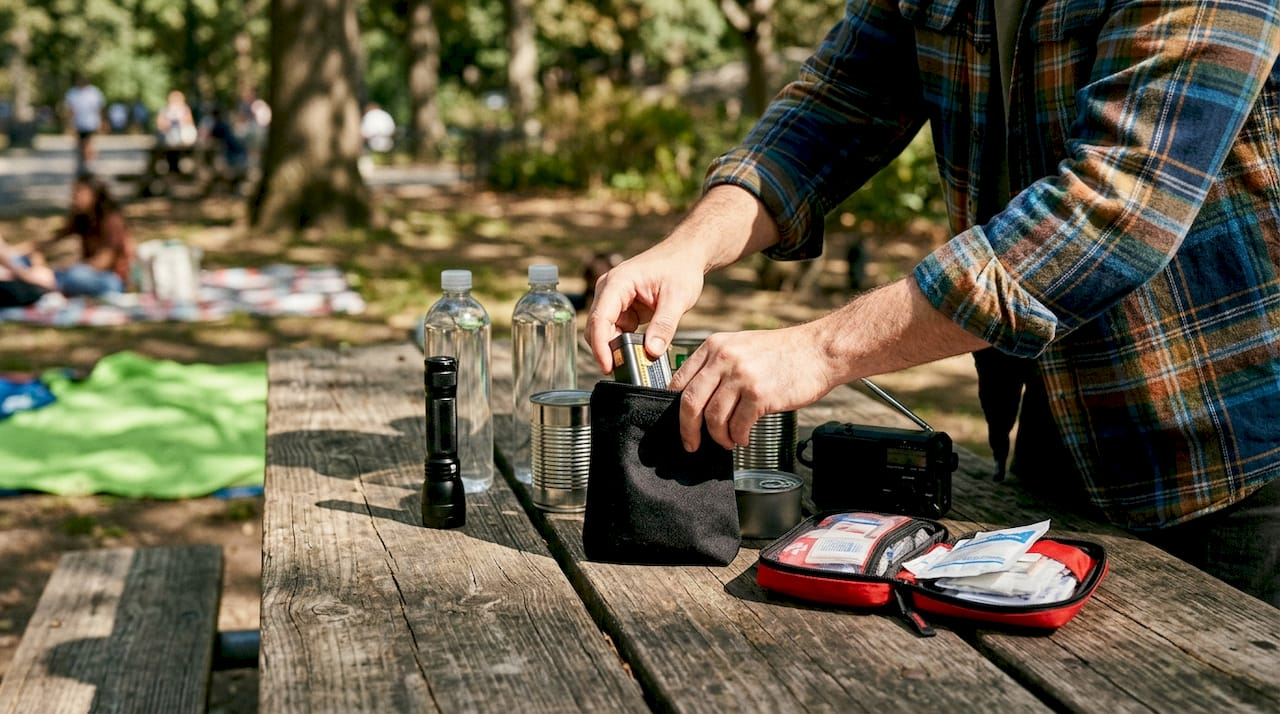
A 72-hour emergency kit covers six core areas: water, shelf-stable food, lighting, backup power, first aid, and important documents. That kit is your bridge between the moment disaster strikes and the moment professional help reaches you. Understanding why emergency kits matter for your household is the first step toward building one that actually works.
Post-disaster hazards like burns, carbon monoxide poisoning, and mold-related respiratory problems injure survivors well after the initial event. Survival does not end when the shaking stops.
Pro Tip: Before any trip or evacuation, leave a detailed itinerary with a trusted contact. A note left on a bench enabled the rescue of a lost bushwalker and her child after 10 days. Search teams need a starting point.
3. How famous survival stories reveal critical lessons
Real survival challenges stories carry lessons no textbook can replicate. The following numbered examples draw from well-documented incidents and highlight the specific tactics that kept people alive.
Lost hiker, Sierra Nevada: A solo hiker disoriented by a sudden storm spent four nights in the wilderness. She built a debris shelter using the cover principle from the 5 C's, stayed put to avoid worsening her position, and used a signal mirror to attract a search helicopter on day four. Staying in place is almost always the correct call when you are lost.
Earthquake entrapment, Venezuela 2026: The survivor described earlier created an air pocket by bracing against fallen concrete. Rescue teams delivered water through a narrow tunnel. His calm, deliberate behavior during entrapment directly extended his survival window beyond what rescuers expected.
Bushwalker lost for 10 days, Australia: A mother and her young child survived over a week in remote bush because she had left a handwritten note describing her intended route. That note directed search teams to the correct area. Simple preventative actions like leaving travel notes can be life-saving and belong in every personal survival plan.
Flash flood, canyon country: A group of hikers caught in a slot canyon flood climbed to a ledge and waited out the surge. The key decision was vertical movement, not horizontal escape. Knowing terrain-specific threats before entering an area is what made that call possible.
Winter stranding, mountain road: A family stranded overnight in a snowstorm survived by running the car engine in short intervals for heat, keeping a window cracked to prevent carbon monoxide buildup, and using emergency blankets from a roadside kit. Their preparation, not their reaction, saved them.
The common thread across every famous survival story is psychological endurance. Stress-induced cognitive failure is one of the greatest hurdles in survival. The survivors above did not panic into fatal errors. They slowed down, assessed, and acted on the best available information.
4. Essential survival gear and preparation steps
Gear does not save lives on its own. Familiarity with that gear does. Households often stock unfamiliar emergency supplies that expire unused. Experts recommend building kits around items you already use regularly, so rotation happens naturally and you know how everything works under pressure.
| Gear category | Purpose | Environment |
|---|---|---|
| Water filtration (e.g., LifeStraw) | Removes pathogens from natural water sources | Wilderness, rural disaster |
| Emergency blanket (Mylar) | Retains body heat, doubles as signal reflector | All environments |
| Fire starter (ferro rod) | Reliable ignition in wet conditions | Wilderness, cold climates |
| First aid kit | Treats wounds, fractures, and burns | All environments |
| Multi-tool or fixed-blade knife | Cutting, building, food processing | Wilderness, urban |
| Portable power bank | Charges communication devices | Urban, disaster zones |
Selecting gear relevant to your specific environment matters more than buying the most expensive option. A hiker in the Pacific Northwest needs rain gear and a water filter. A city resident preparing for earthquakes needs a pry bar and dust masks. The outdoor survival checklist from Lifecampadventure walks through environment-specific selections in detail.
Pro Tip: Pack your emergency kit using the same items you use on camping trips. Familiarity under stress is worth more than a brand-new piece of gear you have never touched.
Key takeaways
Survival outcomes depend on preparation, mental control, and environment-specific knowledge far more than physical strength or expensive gear.
| Point | Details |
|---|---|
| Wilderness survival basics | Apply the 5 C's framework: cutting tools, cover, combustion, containers, and cordage. |
| Urban kit preparation | A 72-hour kit covering water, food, lighting, power, first aid, and documents is the baseline. |
| Psychological control | Controlled breathing restores cognitive function and prevents fatal stress-driven errors. |
| Leave a note | A written itinerary given to a trusted contact gives search teams a critical starting point. |
| Gear familiarity | Stock and practice with items you already use to avoid waste and build real readiness. |
What I have learned about survival that most articles miss
Survival training changed how I think about everyday decisions. The gear matters less than most people assume. What actually separates survivors from victims in real life survival scenarios is the ability to slow down when every instinct says to speed up.
I have watched people in wilderness training exercises make catastrophic decisions in the first 10 minutes because panic narrowed their thinking to a single option. The ones who paused, breathed, and assessed the full situation always found a path forward. That is not a personality trait. It is a trainable skill.
The other thing most survival guides skip is humility. Every experienced outdoorsperson I respect has a story about a time they nearly got it badly wrong. That humility keeps them preparing, updating their kits, and learning new techniques. Preparedness is not a destination. It is a habit you maintain, like checking your hiking essentials list before every trip, not just the first one.
Start simple. Build one solid 72-hour kit. Learn one breathing technique. Leave one note before your next adventure. Those three actions put you ahead of the majority of people who assume emergencies happen to someone else.
— Billy
Gear up with Lifecampadventure before your next adventure
Preparation is the only variable you fully control before a survival situation begins.
Lifecampadventure carries the camping equipment, survival essentials, and adventure-ready gear that back up everything covered in this article. From survival kits and essentials to full camping gear comparisons, the site gives you expert-reviewed options matched to real outdoor scenarios. Every product is selected for durability and practical use, not just shelf appeal. Whether you are building your first 72-hour kit or upgrading trail gear for a serious expedition, Lifecampadventure has the resources to help you choose with confidence.
FAQ
What counts as a survival situation?
A survival situation is any event where a person's life or safety is directly threatened and immediate action is required. Common types include wilderness emergencies, natural disasters, urban blackouts, and vehicle breakdowns in remote areas.
How long should a 72-hour emergency kit last?
A standard 72-hour kit sustains one person for three days without external help. It covers water, shelf-stable food, lighting, backup power, first aid supplies, and important documents.
What is the most common mistake in survival situations?
Stress-induced cognitive failure is the most common and dangerous mistake. Panic narrows decision-making and leads to fatal errors; controlled breathing is the fastest way to restore clear thinking.
What should I leave behind before a wilderness trip?
Leave a detailed itinerary with a trusted contact, including your planned route, campsites, and expected return time. A written note enabled the rescue of a lost bushwalker and her child after 10 days in remote terrain.
What gear works across the most survival situations?
A water filter, emergency blanket, fire starter, first aid kit, and multi-tool cover the widest range of environments and threats. Familiarity with each item matters as much as having it in your pack.
