TL;DR:
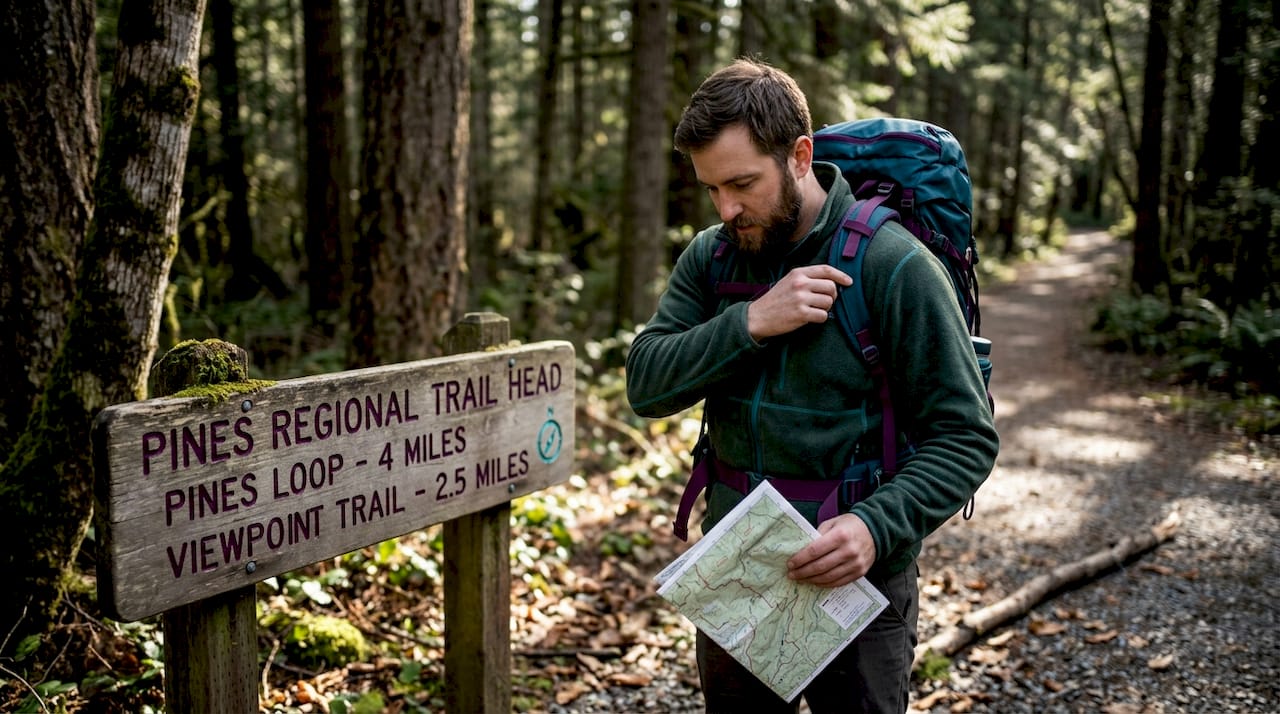
- Backpacking provides comprehensive physical, mental, and personal growth benefits through outdoor immersion and physical exertion. It fosters resilience, confidence, deep solitude, and meaningful social connections, making it a superior adventure style for lasting results. Proper gear, planning, and a mindset shift elevate the experience beyond mere scenery to transformative training for life challenges.
Every serious outdoor enthusiast faces the same decision at some point: which adventure style actually delivers lasting results? Not just a great weekend, but real fitness gains, mental clarity, personal growth, and a genuine sense of connection to wild places. Car camping is comfortable. Luxury travel is easy. But backpacking? Backpacking is the only option that checks every single one of those boxes, backed by science and repeated in the experience of millions of trail-worn adventurers every year. Here's exactly what you gain when you strap on a pack and head into the backcountry.
Key Takeaways
| Point | Details |
|---|---|
| Health boost outdoors | Backpacking enhances fitness, burns more calories, and reduces chronic health risks more than indoor exercise. |
| Mental clarity and stress relief | Nature immersion lowers stress hormones and improves mood, focus, and sleep quality. |
| Resilience and skill growth | Overcoming outdoor challenges sharpens problem-solving, confidence, and adaptability. |
| Remote access and true solitude | Backpacking allows entry into remote areas for deep nature experiences and personal reflection. |
| Social and economic advantages | Fosters lasting connections with fellow hikers and supports local communities through tourism. |
Physical health benefits: Fitness beyond the gym
Having previewed the multi-faceted advantages, let's dive first into how backpacking transforms physical wellness.
Backpacking is one of the most complete forms of exercise available to anyone, regardless of fitness background. Unlike a gym session that isolates specific muscle groups, a day on the trail engages your entire body. Your legs push through inclines, your core stabilizes the load on your back, your arms swing for balance, and your cardiovascular system works continuously for hours at a time.
The numbers back this up clearly. Backpacking delivers improved cardiovascular health along with better bone density, reduced risk of heart disease, improved blood sugar regulation, and measurable weight management outcomes. That's a full-spectrum physical payoff you simply don't get from a treadmill session.
| Activity | Calories burned per hour | Muscles engaged | Impact on bone density |
|---|---|---|---|
| Gym cardio (treadmill) | 300 to 400 | Lower body primary | Low to moderate |
| Road cycling | 400 to 600 | Lower body primary | Low |
| Backpacking with pack | 500 to 700 | Full body | High |
| Trail hiking | 400 to 550 | Full body | Moderate to high |
The calorie burn difference is significant. Carrying a loaded pack over uneven terrain forces your body to recruit stabilizing muscles constantly, which pushes your metabolic rate higher than most gym alternatives at similar perceived effort.
Key physical benefits you'll notice on multi-day trips:
- Cardiovascular endurance improves quickly as your heart adapts to sustained aerobic effort
- Leg and glute strength builds naturally from hills and varied terrain
- Core stability increases from managing a loaded pack over long distances
- Balance and coordination sharpen dramatically on rocky or root-covered trails
- Sleep quality improves as your body recovers from genuine physical output
Smart gear choices amplify every one of these benefits. When you pack light and maximize adventure, you protect your joints while still pushing your fitness ceiling. And using efficient gear packing tips means your load distribution stays optimal, reducing injury risk across the whole trip.
Pro Tip: Choose high-elevation routes whenever possible. The reduced oxygen at altitude forces your cardiovascular system to work harder, compressing months of endurance gains into a single multi-day trip.
Mental health rewards: Nature as therapy
With the body energized, the mind also gains distinct advantages from backpacking.
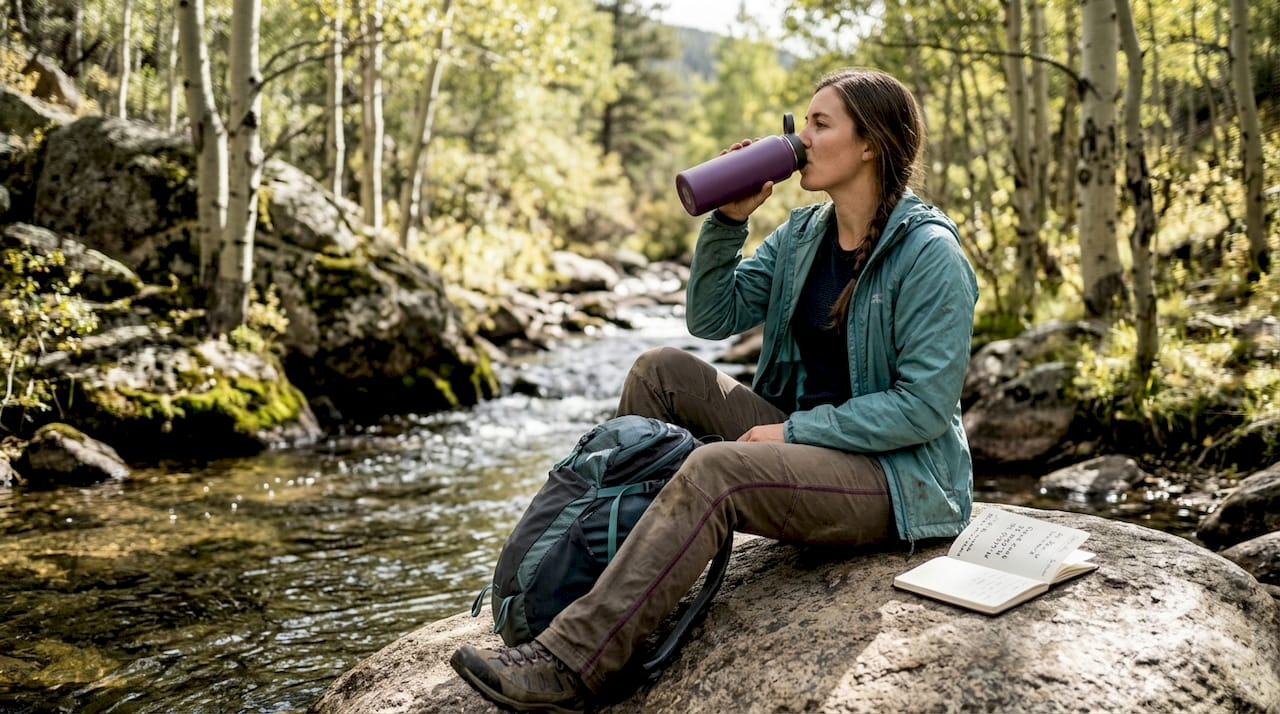
The evidence here is remarkably consistent across multiple studies. Reduced stress, anxiety, and depression, improved mood, sharper cognition, better sleep, and a measurable drop in rumination (the mental loop of repetitive negative thinking) are all documented outcomes of regular time in natural environments.
Twenty to thirty minutes in a natural setting can drop cortisol levels by up to 28%. Now multiply that by three, four, or seven days on the trail. The cumulative mental reset that a backpacking trip delivers is simply not replicable by a park walk or a weekend at a resort.
"Nature exposure triggers a physiological shift in stress hormone levels that urban environments cannot replicate. The longer the exposure and the more immersive the setting, the stronger the mental health outcome."
What makes backpacking specifically more powerful than a casual nature visit is the combination of factors: physical effort, removal from digital stimulation, genuine problem-solving, and the natural rhythm of sunrise to sunset living. Your nervous system gets a full reboot.
Practical ways to go deeper on the mental health front:
- Go phone-free or airplane mode from the first morning. Notifications keep your stress response primed even in beautiful places.
- Practice slow observation during breaks. Pick a spot, sit quietly, and actually watch what's around you for five minutes.
- Match trail length to mental load. Harder weeks at work call for longer, more immersive trips, not shorter ones.
- Travel solo occasionally. Solitude on the trail accelerates self-reflection in ways that group trips don't allow.
When your pack weight is managed properly, you also remove a significant source of trail anxiety. Learning to pack light for stress reduction means your mental energy stays focused on the experience, not on physical discomfort. Before your first major trip, review solid backpacking trip tips to build the kind of confidence that lets you relax fully once you're out there.
Personal development: Building resilience and confidence
Mental clarity often translates into actionable growth. Here's how backpacking helps you evolve personally.
The personal development outcomes of backpacking are extraordinary, and they're well-documented. A survey found that 91% of backpackers reported significant improvements in problem-solving skills after their trips. 89% noted stronger communication abilities. And 88% felt more capable of overcoming challenges in daily life. These aren't soft feelings. They're measurable shifts in how people approach difficulty.
The reason is simple: backpacking puts you in real situations with real consequences. When weather turns bad on day three and you're ten miles from the trailhead, you don't get to call a manager or scroll for a solution. You think, adapt, and act. That's the exact muscle that transfers to every hard conversation, tough project, or unexpected setback in your regular life.
Consider this practical comparison of how backpacking stacks up against other personal development activities:
| Development area | Corporate workshop | Gym routine | Backpacking trip |
|---|---|---|---|
| Problem-solving under pressure | Moderate | Low | Very high |
| Adaptability to change | Low | Low | Very high |
| Self-reliance and decision-making | Low | Moderate | High |
| Emotional regulation | Moderate | Moderate | High |
| Communication and teamwork | High | Low | High |
Steps to build lasting confidence through outdoor challenge:
- Start with overnight trips before committing to multi-day routes. Small wins build the mental foundation.
- Introduce a navigation challenge on each trip, whether that's using a map and compass or choosing a less-marked route.
- Increase pack weight gradually as your fitness grows to keep the physical challenge honest.
- Debrief after every trip. What went wrong? What would you do differently? This reflection multiplies your learning.
- Set a goal that scares you slightly, whether it's a solo weekend or a technical route, and commit to it in advance.
Before you hit a bigger objective, take time preparing for backpacking so your confidence is built on genuine readiness. Getting better at efficient backpack packing is one of the most concrete ways to feel in control before a step into more challenging territory.
Pro Tip: Solo hikes accelerate personal growth faster than group trips. When you're alone, every decision is yours. That accountability sharpens your thinking more quickly than any other method.
Access, immersion, and solitude: Where backpacking stands apart
Beyond personal skills, backpacking opens up wild landscapes and true solitude. Here's what you gain.
This is where backpacking truly separates from every other adventure format. Car campers are limited to designated sites with road access. Luxury travelers stay in comfortable but predictable environments. Only backpackers can push into remote areas and solitude that most people never see in their lifetimes. That access isn't just a novelty. It fundamentally changes the quality of the experience and the depth of the immersion.
| Adventure type | Remote access | Solitude | Nature immersion depth | Self-reliance required |
|---|---|---|---|---|
| Luxury travel | Very low | Very low | Low | None |
| Car camping | Low | Low | Moderate | Low |
| Day hiking | Moderate | Moderate | Moderate | Low |
| Backpacking | Very high | Very high | Very high | High |
When you carry everything you need on your back, you can reach alpine lakes that don't appear on tourist maps, camp in meadows that see fewer than a dozen people per year, and watch sunrises from ridgelines that can't be driven to. That access creates a category of experience that simply doesn't exist in any other format.
What deeper immersion actually gives you:
- Genuine disconnection from urban noise, artificial light, and digital input
- Stronger sensory awareness as your brain recalibrates to natural rhythms
- A felt sense of self-reliance that builds each day you manage your own shelter, food, and navigation
- Perspective shift that comes from being genuinely small in a genuinely large landscape
"The physical challenge of backpacking enhances your sense of accomplishment and builds skills that no comfortable adventure format can replicate. Earning your way to a remote location changes how you relate to it."
Planning your routes around genuine remoteness is a skill in itself. When you're ready to head off the beaten path, start with solid off-grid backpacking planning strategies. And choosing the right shelter matters: the right lightweight backpacking tents give you weather protection without sacrificing the mobility that makes remote access possible.
Social and economic advantages: Connection and accessibility
Alongside individual growth and immersion, backpacking links adventurers with local communities and each other.
The social dimension of backpacking is often the last thing new hikers expect and the first thing that keeps them coming back. Trail family formation during thru-hikes is a well-documented phenomenon where strangers bonded by shared physical challenge develop genuine, lasting friendships in a matter of days. That kind of trust-building simply doesn't happen at a resort or on a group tour.
Beyond the trail, backpacking stimulates local economies and tourism in ways that benefit communities near wild lands. Resupply stops at small-town gear stores, local restaurants, and trailhead-adjacent accommodation all channel money into places that rarely benefit from mainstream tourism dollars. Backpackers also tend to be strong advocates for conservation, supporting the land access that future adventurers will depend on.
Notable social and economic advantages worth highlighting:
- Trailhead communities form quickly around shared experience, creating immediate social belonging
- Group backpacking builds trust between people faster than almost any team-building program
- Low financial barriers make backpacking accessible across age groups and income levels, with basic gear costing far less than a resort vacation
- Local spending on food resupplies, gear repairs, and lodging directly supports trail towns
- Conservation advocacy grows naturally from the experience of seeing wild places firsthand
The stat that stands out here: 89% of backpackers report improved communication skills and 88% report stronger ability to handle stress after trail experiences. These outcomes translate directly into better personal relationships and stronger workplace performance.
Smart trail nutrition is part of accessible, budget-friendly backpacking too. Using solid strategies for efficient meal prep for backpackers keeps your costs low and your energy high without requiring expensive or complicated food systems.
Our take: Why backpacking delivers more than a vacation
Here's where we want to push back against the way most people frame backpacking, even enthusiastic outdoor advocates.
People typically describe backpacking as a great way to see beautiful places. That framing undersells it by a significant margin. Backpacking isn't primarily a scenic activity. It's a mindset training system that happens to occur in beautiful places.
The mental calluses you build on the trail, pushing through a rainy third day, navigating a wrong turn, managing fatigue while still making smart decisions, those don't disappear when you get home. They become part of how you process difficulty in every area of your life. Adversity on the trail is practice for real-world stress, and unlike most stress management strategies, it works at a physiological level because it involves genuine physical stakes.
We've seen this pattern repeatedly: people who commit to annual backpacking trips report less workplace anxiety, stronger personal relationships, and more confident decision-making. Not because the trail magically fixes problems, but because practiced discomfort builds practiced resilience.
The self-sufficiency angle matters deeply too. When you learn to trust your own gear selection, your own route planning, and your own judgment in the field, you operate with a baseline confidence that comfort-focused travel never produces. Before any big trip, work through a solid backpacking packing checklist not just to pack correctly, but to internalize the habit of preparation that the best backpackers carry into everything they do.
Backpacking isn't an escape. It's training.
Ready to experience backpacking's advantages? Gear up with expert support
When you're ready to put these advantages to work, start with expert-approved gear and actionable tips.
At Life Camp Adventure, we build and curate gear specifically for adventurers who want more from their time outdoors. Every product in our lineup is chosen for durability, weight efficiency, and real trail performance. Whether you're heading out for your first overnight or planning a serious multi-week route, we want you equipped with confidence from the first mile.
Start with our essential survival steps to build the baseline knowledge every trail-ready adventurer needs. Then check our survival gear checklist to make sure your pack covers every critical category. And when you're ready to select specific items, our curated list of must-have backpacking items takes the guesswork out of gear selection so you can focus entirely on the trail ahead.
Frequently asked questions
How does backpacking differ from car camping in terms of benefits?
Backpacking offers greater physical challenge, access to remote areas and solitude, deeper nature immersion, and stronger development of self-reliance than car camping. The physical effort required to reach remote sites fundamentally changes the quality and depth of the experience.
What are the top mental health gains from backpacking?
Backpacking reduces stress, anxiety, and depression while improving mood, cognition, and sleep quality, according to current research. Multi-day exposure amplifies these gains far beyond what short nature visits can deliver.
Is backpacking accessible for beginners or older adults?
Yes, backpacking is highly accessible thanks to low entry barriers and flexible route options that scale to a wide range of ages and fitness levels. Starting with shorter overnight routes and lighter packs makes the entry point comfortable for almost anyone.
Does backpacking help form lasting social connections?
Yes, group hikes and trail communities foster strong bonds quickly, with trail family formation being one of the most consistent and powerful social outcomes reported by long-distance hikers. Shared physical challenge creates trust at a speed that most social environments can't match.
