TL;DR:
- Pre-trip planning is essential to prevent common camping mistakes like permit issues, weather surprises, and navigation errors. It enhances safety, protects the environment, and ensures a more enjoyable outdoor experience by addressing permits, logistics, and Leave No Trace principles. Following a practical planning loop and thorough checklists turns outdoor adventures from risky improvisation into confident, responsible exploration.
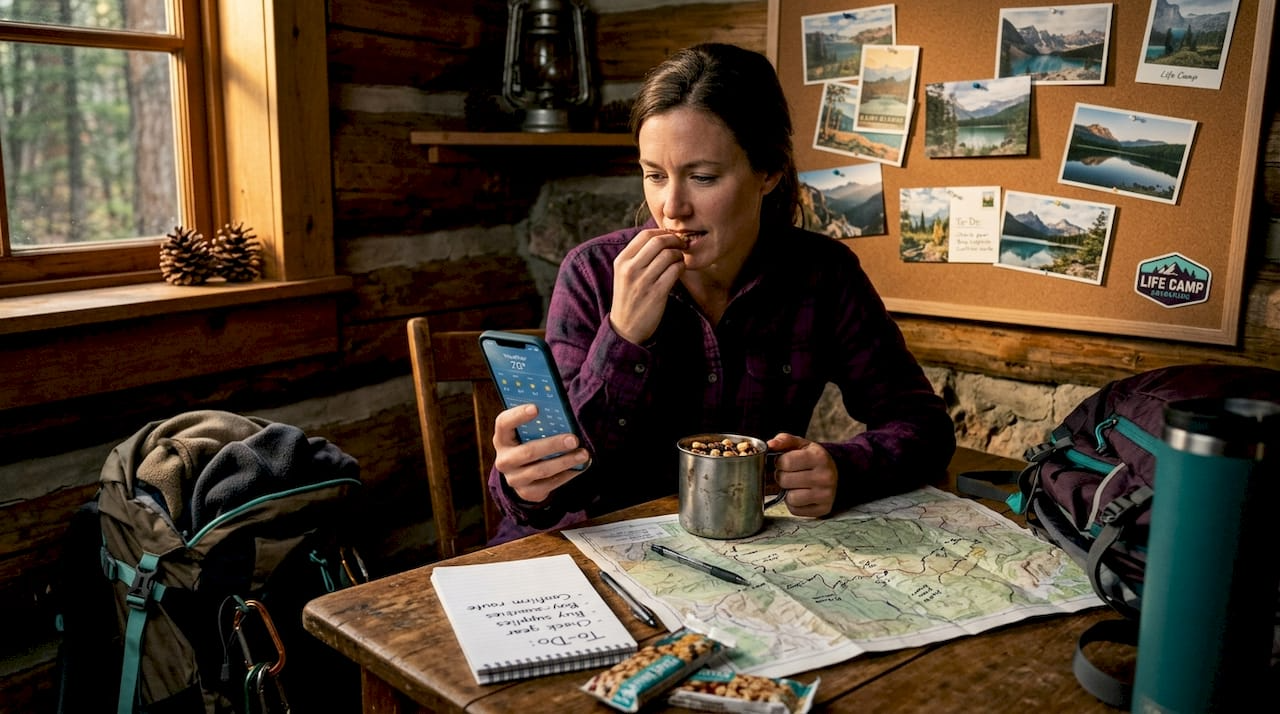
You forgot the camp stove fuel. You skipped checking the permit requirements. Now you're standing at the trailhead with a $300 fine notice, no way to cook dinner, and a storm rolling in from the west. This scenario plays out across U.S. campgrounds and backcountry trails every single weekend, and it's almost always avoidable. Skipping pre-trip planning feels like saving time, but what it actually does is trade a few comfortable hours at home for real headaches in the field. This guide breaks down exactly why planning matters and gives you a step-by-step framework to make every outing safer and more enjoyable.
Key Takeaways
| Point | Details |
|---|---|
| Pre-trip planning prevents risks | Small preparation steps help you avoid avoidable safety and logistical disasters in the outdoors. |
| Permits and logistics are critical | Don't get caught without required reservations or backup plans—plan well and early. |
| Planning reduces environmental impact | By prepping basics like waste gear and route info, you protect nature for everyone. |
| Checklists boost confidence | Having a reliable checklist means you focus less on stress and more on fun. |
How pre-trip planning prevents common camping pitfalls
Most camping problems are not dramatic survival situations. They are small, preventable oversights that snowball once you're miles from your car. A forgotten water filter, a wrong turn on an unmarked fork, or an expired permit can shorten a trip, spike stress, and even create genuine safety risks for you and everyone in your group.
The good news? Safe hiking planning catches these problems before they become problems. Here is what pre-trip planning reliably protects you from:
- Missing permits or reservations: Many popular wilderness areas require advance permits. Show up without one and you're heading home.
- Weather surprises: Mountain weather changes fast. Knowing the forecast lets you pack rain gear, time your summit push, or choose a safer route.
- Navigation failures: Without a downloaded map or a physical topo, a dead phone battery turns a straightforward trail into an uncertain situation.
- Inadequate emergency supplies: Forgetting a first-aid kit, emergency whistle, or signaling mirror removes your safety net.
- Unprepared campfire decisions: Not knowing local fire restrictions can result in fines or, worse, contributing to a wildfire.
"Pre-trip planning helps campers handle predictable hazards including weather changes, navigation issues, minor injuries, and delays rather than improvising in the field." Leave No Trace essentials
Improvisation has a romantic reputation in outdoor culture, but experienced campers know the truth. A simple checklist reviewed at home catches errors that your brain will miss after a four-hour drive and a steep approach. Planning trail routes ahead of time is one of the highest-value habits you can build. When the basics are handled before you leave the driveway, your energy on the trail goes toward enjoying the experience, not firefighting logistics.
Safety, permits, and logistics: The essential planning loop
A solid pre-trip plan addresses three connected areas: safety, permits, and day-to-day logistics. Think of these as a loop, not a one-time checklist. Each area informs the others, and missing one creates gaps in the others.
Here is a practical, four-step planning loop you can use for any trip:
Confirm all requirements first. Check if your destination requires a permit, reservation, or campfire restriction acknowledgment. National Park permit details for backcountry trips are mandatory and have specific reservation windows. Miss the window and you miss the trip.
Know your trip constraints. How far are you hiking each day? Is water available on the route or will you carry it all? What is the elevation gain? Knowing the actual demands of the trip lets you pack the right gear, not just general camping gear.
Build a checklist with buffers. Every checklist needs a backup plan baked in. If your primary navigation is a phone app, pack a paper map. If you plan two liters of water per person per day, carry material to treat more. Backcountry navigation skills become far more effective when you know the terrain ahead of time.
Pack proactively to reduce risk and Leave No Trace impact. Knowing the rules of your specific site means you show up with the right waste bags, the right stove, and the right knowledge to leave the place better than you found it.
The margin for error shrinks significantly on longer or more remote trips. Small oversights compound on multi-day outings in ways that feel impossible on a quick overnight near the car. One missed item on a two-night backpacking trip in the Cascades could mean wet sleeping gear, zero sleep, and an emergency bailout on day two.
| Planning element | Short local trip | Remote multi-day trip |
|---|---|---|
| Permit required | Rarely | Almost always |
| Margin for error | Forgiving | Very low |
| Navigation tools needed | Basic | Topo map plus backup |
| Water planning | Simple | Critical, must plan sources |
| Emergency plan | Optional | Non-negotiable |
Pro Tip: For any camping trip planning, write down your itinerary, trailhead parking info, campsite coordinates, and emergency contacts. Leave a copy with someone at home and photograph it on your phone. This single habit dramatically improves your safety net.
Leave No Trace: How planning protects the places you love
Safety is the most obvious reason to plan ahead, but it's not the only one. The trails, forests, and wilderness areas you love exist because generations of campers treated them with care. Poor planning is one of the biggest contributors to environmental damage on public lands.
Here is what typically happens when campers skip the planning phase:
- Off-trail travel caused by poor navigation or unmarked shortcuts compacts soil and kills vegetation over time.
- Improvised campfire spots outside designated rings, or fires during active restrictions, cause lasting ground damage and fire risk.
- Waste problems from not packing proper waste bags, trowels, or disposal knowledge create sanitation hazards that persist long after you've gone home.
Planning your outdoor gear checklist before every trip means you arrive knowing exactly what you need to handle waste, stick to mapped trails, and respect fire rules. It turns ethical camping from an intention into a practice. As Leave No Trace puts it, planning prevents avoidable impacts like unplanned fires, shortcuts from missed turns, and improvised waste solutions.
| Action when planned | Typical impact when unprepared |
|---|---|
| Pack out all waste with proper bags | Waste buried incorrectly or left behind |
| Follow marked trail using downloaded map | Shortcut through fragile vegetation |
| Use designated fire rings with seasoned wood | Improvised fire ring with wet or green wood |
| Know site-specific fire rules before arriving | Unknowingly light a fire during restrictions |
| Carry a trowel and know cat-hole rules | Human waste left at surface or near water |
Knowing efficient packing tips also plays a role here. When you pack intentionally for Leave No Trace, you are not hauling extra weight for its own sake. Every item serves a purpose, and every purpose is planned.
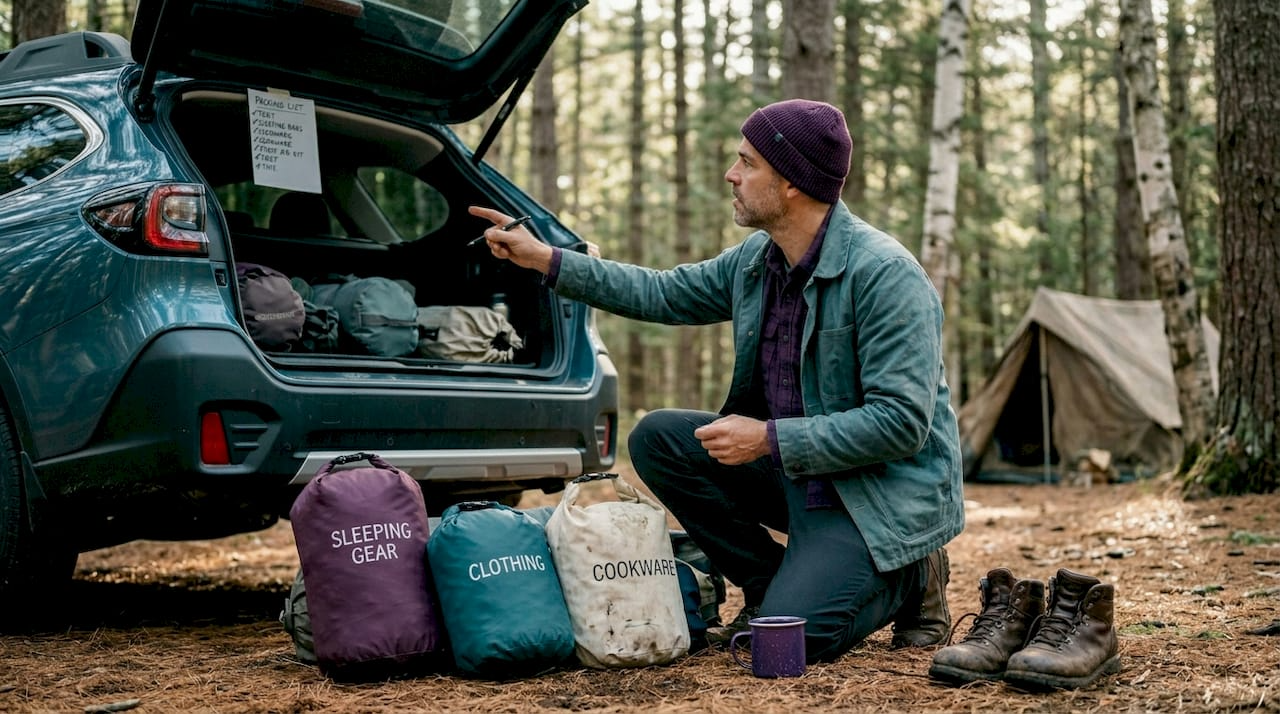
Pro Tip: Cross-reference the "ten essentials" framework with the specific rules of your destination. Some wilderness areas ban single-use plastics or require bear canisters. Checking this before you pack saves you from having to make do in the field with the wrong equipment.
From checklist to confidence: Practical planning steps for every trip
Knowing that planning matters and actually doing it are two different things. Here is a plain-language walkthrough you can follow before any outdoor outing, from a casual day hike to a week-long backpacking trip.
Step 1: Build your personalized checklist
Start with the core categories and work outward. A solid checklist covers shelter, sleep, navigation, hydration, nutrition, first aid, fire and light, and emergency communication. Use your day hike prep checklist as a base, then add trip-specific items. Going above treeline? Add trekking poles and extra insulation. Desert trip? Double your water and add electrolytes.
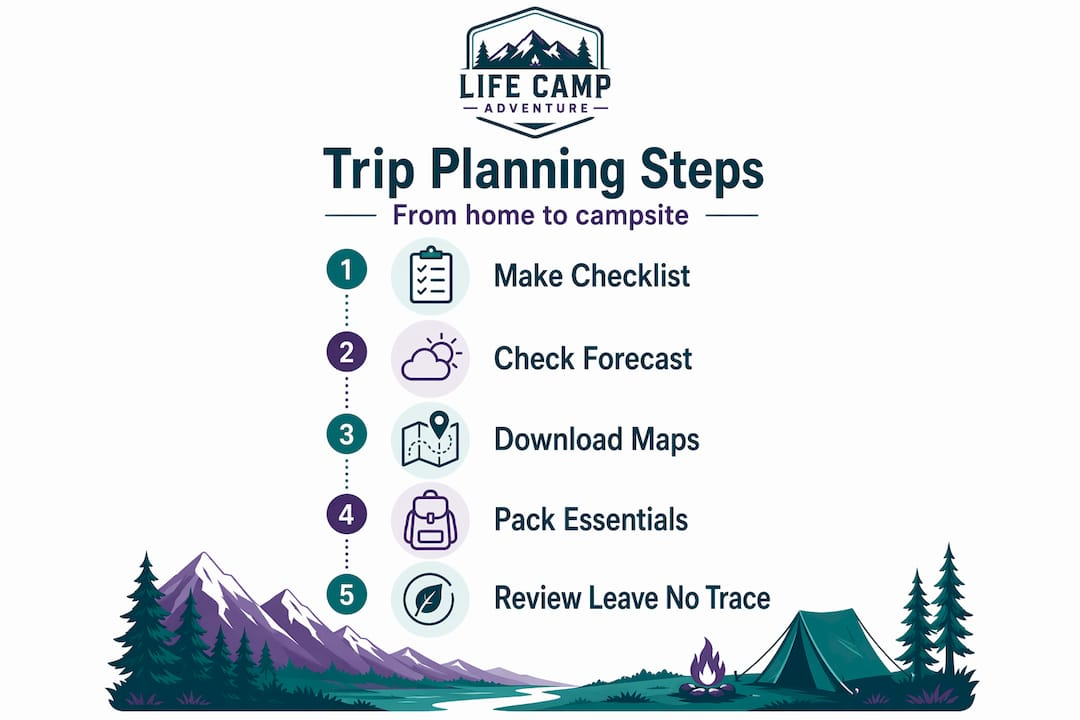
Step 2: Check weather, maps, and emergency contacts
Pull a seven-day forecast from a reliable source and look for patterns, not just daily highs. Download offline maps for your area. Write down the nearest ranger station number, trailhead address for emergency responders, and a contact person at home.
Step 3: Add margin across the board
The best backpacking trip planning always includes buffers. Aim for one extra day of food. Carry a backup fire-starting method. Know two ways out of your campsite. This is not pessimism. It's how experienced campers stay calm when conditions change.
Step 4: Review your Leave No Trace impact
Before you pack the final bag, ask yourself: do I have a way to manage all my waste? Do I know the fire rules for this site? Am I sticking to established trails? If yes, you're set.
Step 5: Do a final check with another person
A second set of eyes catches things you mentally glossed over. Run through your checklist with a friend or family member the night before departure. This five-minute conversation has saved countless trips. Pre-trip planning consistently helps campers handle predictable hazards rather than improvising in the field, and a verbal review is one of the most underrated ways to lock that in.
Here is a quick reference list to confirm your planning baseline before any trip:
- Permits secured and printed or saved offline
- Weather checked for all trip days
- Offline maps downloaded
- Emergency contacts noted and shared
- Food and water quantities calculated with buffer
- First-aid kit inspected and restocked
- Leave No Trace tools packed (waste bags, trowel, bear canister if required)
- Backup navigation ready (paper map or compass)
Pro Tip: Set a recurring calendar reminder 10 days before any planned trip. That's your window to check permits, order missing gear, and finalize the logistics without rushing.
Why most outdoor mishaps come down to overlooked planning
Here is an unpopular opinion worth saying plainly: most camping "emergencies" are not emergencies. They are the predictable results of skipped preparation.
Outdoor culture loves a good disaster story. The tale of a group who improvised their way through a storm or found their campsite flooded gets retold at every campfire. What nobody tells around the fire is that the storm was in the forecast, the campsite was in a drainage, and both problems were visible on a map. The story is memorable because it was dramatic. It was dramatic because planning was skipped.
Experienced campers and park rangers repeat the same pattern when asked about the calls they respond to: the person who forgot to check if the trail was still open, the group who brought no water treatment and drank from an unsafe source, the solo hiker who didn't tell anyone their route. These are not random accidents. They are planning gaps.
Here is the uncomfortable truth: improvisation in the outdoors is not adventurous. It is a decision to transfer risk from your preparation time to your time in the field, where the consequences are far harder to manage. A good survival checklist guide is less exciting than a survival story, but it is infinitely more useful.
Planning is also not just about what gear you bring. It includes mental rehearsal. Before any trip, run through the "what if" scenarios: what if it rains on night two? What if one person in the group twists an ankle at mile eight? What if the water source marked on the map is dry? These mental run-throughs are free, fast, and consistently effective. They keep you calm in the moment because you've already thought through the response.
The unsexy truth is that the campers who have the most consistently great trips are not the most experienced survivors. They are the most consistent planners.
Take the stress out of your next trip with the right tools
Planning well starts with having the right resources in your corner. At Life Camp Adventure, we have built out a library of practical guides to help you move from idea to fully prepared adventurer without the guesswork.
Start with our outdoor survival checklist to make sure you never leave an essential item behind. If you're still figuring out your shelter setup, our guide to compare the best camping tents breaks down the right options for every trip type and budget. And when you want a step-by-step framework for handling real outdoor situations, our essential survival steps guide gives you a clear, confidence-building process to follow. Better gear and better knowledge, side by side.
Frequently asked questions
What key items should I never leave off my camping checklist?
Always pack weather-appropriate clothing, navigation tools, a water treatment method, food, and a first-aid kit as basics for any outdoor trip. These core items, recommended by Leave No Trace essentials, cover your most critical survival and comfort needs in almost any situation.
How early should I reserve a permit for a U.S. National Park backcountry trip?
Overnight backcountry permits at parks like Canyonlands are available four months in advance and fill quickly, so you should check the specific park's site and reserve the moment the window opens.
What is the "margin for error" in camping and why does it matter?
Margin for error describes how forgiving your trip is to small mistakes. Weekend trips tolerate minor slips, but on remote multi-day outings, small oversights can cascade into serious problems that are hard or impossible to fix in the field.
How does planning ahead support Leave No Trace principles?
Planning ahead lets you arrive with the right waste management tools, knowledge of fire restrictions, and a mapped route, which directly prevents the improvised decisions that cause environmental damage. Avoidable impacts like unplanned fires and off-trail shortcuts are almost always the result of skipping the preparation phase.
