
Over 70 percent of American campers use GPS technology to guide them through challenging terrain and remote wilderness each year. For today’s tech-savvy outdoor enthusiasts, reliable GPS solutions are more than a convenience—they are a vital safeguard against getting lost during weekend backpacking trips. This guide makes it easy to choose the right GPS system, empowering every American adventurer with the most effective tools for safer and more confident exploration.
Key Takeaways
| Point | Details |
|---|---|
| GPS technology enhances safety | Modern GPS systems provide precise location tracking, allowing campers to navigate unfamiliar terrain confidently. |
| Offline functionality is crucial | Downloading offline maps and preloaded routes ensures navigation without cellular service, essential in remote areas. |
| Selecting the right GPS device | Choose between handheld, smartphone, or wearable GPS depending on trip type and user needs for optimal performance. |
| Common mistakes can hinder performance | Being aware of GPS signal issues and device maintenance prevents navigation errors during wilderness trips. |
What GPS Means for Modern Campers
GPS technology has fundamentally transformed how outdoor enthusiasts explore and navigate wilderness environments. Unlike traditional navigation methods requiring extensive map reading skills, modern GPS systems provide instant, precise location tracking that dramatically enhances camping safety and exploration capabilities. Real-time location data enables campers to confidently traverse unfamiliar terrain with unprecedented accuracy.
For contemporary campers, GPS represents more than just a navigation tool—it's a comprehensive safety system. Advanced GPS devices allow users to mark critical waypoints, track precise routes, record elevation changes, and maintain situational awareness even in remote areas without cellular coverage. These capabilities are particularly crucial when hiking through challenging landscapes where traditional map and compass navigation might prove unreliable.
The technological evolution of GPS means modern camping devices integrate multiple features beyond basic location tracking. Many contemporary GPS units now include emergency communication capabilities, topographical mapping, battery life indicators, and even weather monitoring systems. Experienced outdoor enthusiasts understand that blending GPS technology with traditional navigation skills creates the most robust approach to wilderness exploration.
Pro Tip: Always carry backup battery power sources and download offline maps before departing on extended camping trips to ensure continuous GPS functionality in remote areas.
Comparing Handheld, Smartphone, and Wearable GPS
Campers today have multiple GPS technology options, each with distinct advantages and limitations. Handheld GPS devices represent the traditional gold standard for wilderness navigation, offering rugged construction specifically designed for outdoor environments. These specialized devices typically feature longer battery life, more durable exteriors, and enhanced navigational capabilities that withstand extreme temperatures and challenging terrain conditions.
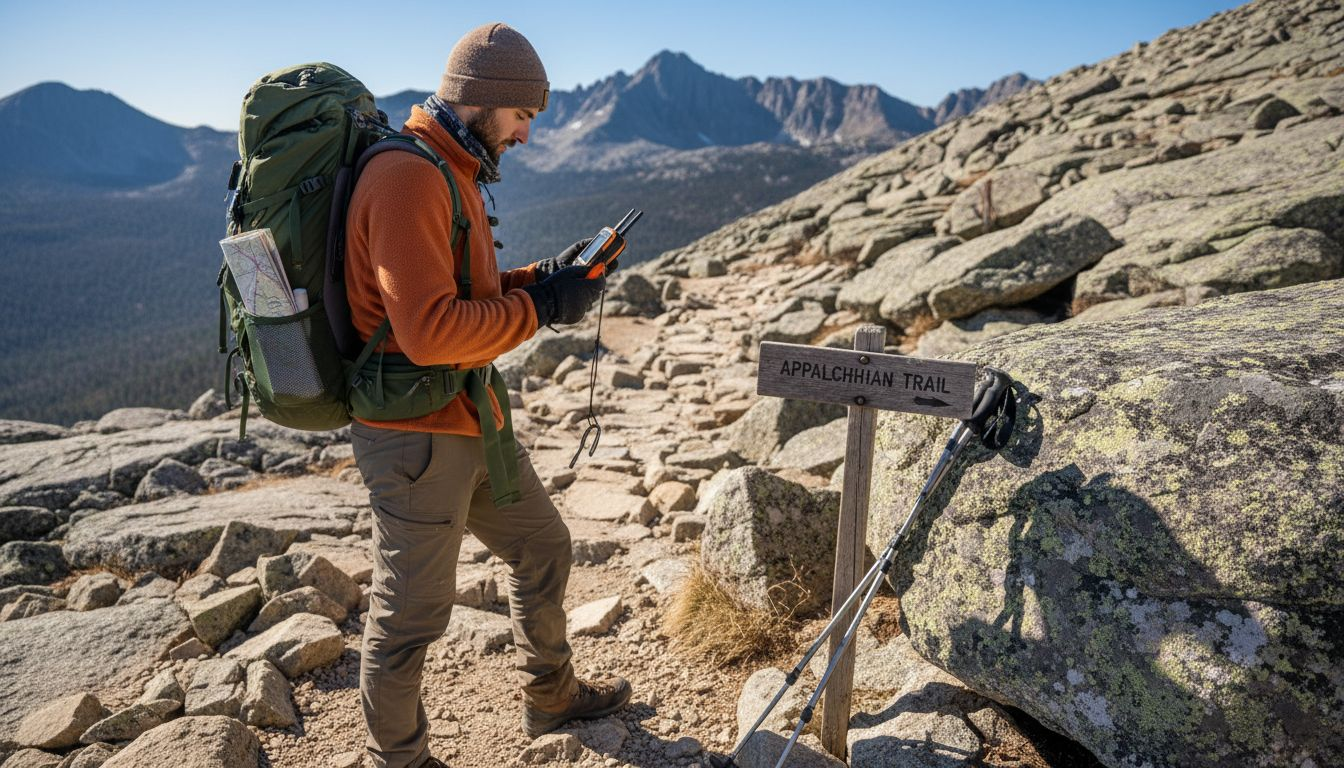
Smartphones have emerged as a popular alternative, providing GPS functionality through numerous navigation applications. While convenient and multifunctional, smartphone GPS systems rely heavily on battery life and cellular signal availability. They excel in user-friendly interfaces and real-time connectivity but may struggle in remote wilderness areas with limited infrastructure. GPS technology variations demonstrate that smartphones work best as supplementary navigation tools rather than primary wilderness tracking devices.
Wearable GPS technologies like smartwatches represent the newest category of location tracking devices. These compact units integrate location monitoring with fitness tracking, offering lightweight and minimalist navigation solutions. They work exceptionally well for hikers and trail runners who prefer minimal equipment and want continuous movement tracking. However, their smaller screens and more limited input capabilities mean they cannot completely replace more comprehensive GPS navigation systems.
Pro Tip: Consider carrying multiple GPS tracking methods during extended camping trips to ensure redundant navigation capabilities and maximize your safety in remote wilderness areas.
Here's a breakdown of GPS device types and their ideal camping applications:
| Device Type | Best For | Key Strengths | Limitations |
|---|---|---|---|
| Handheld GPS | Multi-day hikes | Rugged build, long battery | Bulky, single-purpose |
| Smartphone GPS | Day trips, urban | User-friendly, versatile | Limited battery, signal |
| Wearable GPS | Trail running | Lightweight, fitness data | Small screen, fewer maps |
Essential GPS Features for Outdoor Safety
Modern GPS devices designed for outdoor adventures offer critical safety features that go far beyond basic location tracking. Global positioning accuracy enables precise location identification within meters, providing campers and hikers with critical navigation support in remote wilderness environments. The ability to pinpoint exact coordinates becomes a lifeline when traditional navigation methods fail or when emergency response teams need to locate a specific position.
Key safety features in advanced GPS systems include emergency communication protocols, topographical mapping, and independent network functionality. These devices can operate without cellular signals, making them invaluable in areas with limited infrastructure. Advanced GPS units often incorporate additional survival-oriented capabilities like altitude tracking, compass integration, weather monitoring, and route recording. These tools allow outdoor enthusiasts to plan more effectively, track their progress, and maintain situational awareness in challenging terrain.
The most sophisticated GPS devices for outdoor safety integrate multiple communication and tracking technologies. Some models include satellite messaging capabilities, allowing users to send emergency alerts or communicate their location to rescue services even in areas without standard cellular coverage. These comprehensive systems transform GPS from a simple navigation tool into a critical safety management platform, providing peace of mind for solo travelers, expedition teams, and weekend adventurers exploring remote landscapes.
Pro Tip: Always test your GPS device's features and battery life before embarking on any wilderness expedition to ensure reliable performance when you need it most.
Offline Navigation and Emergency Scenarios
Offline GPS functionality represents a critical lifeline for outdoor enthusiasts venturing into remote wilderness areas with limited or nonexistent cellular infrastructure. Modern GPS devices can download and store comprehensive topographical maps directly onto the device, enabling precise navigation without requiring an active internet connection. This capability becomes especially crucial during emergency scenarios where traditional communication networks might be compromised or completely unavailable.
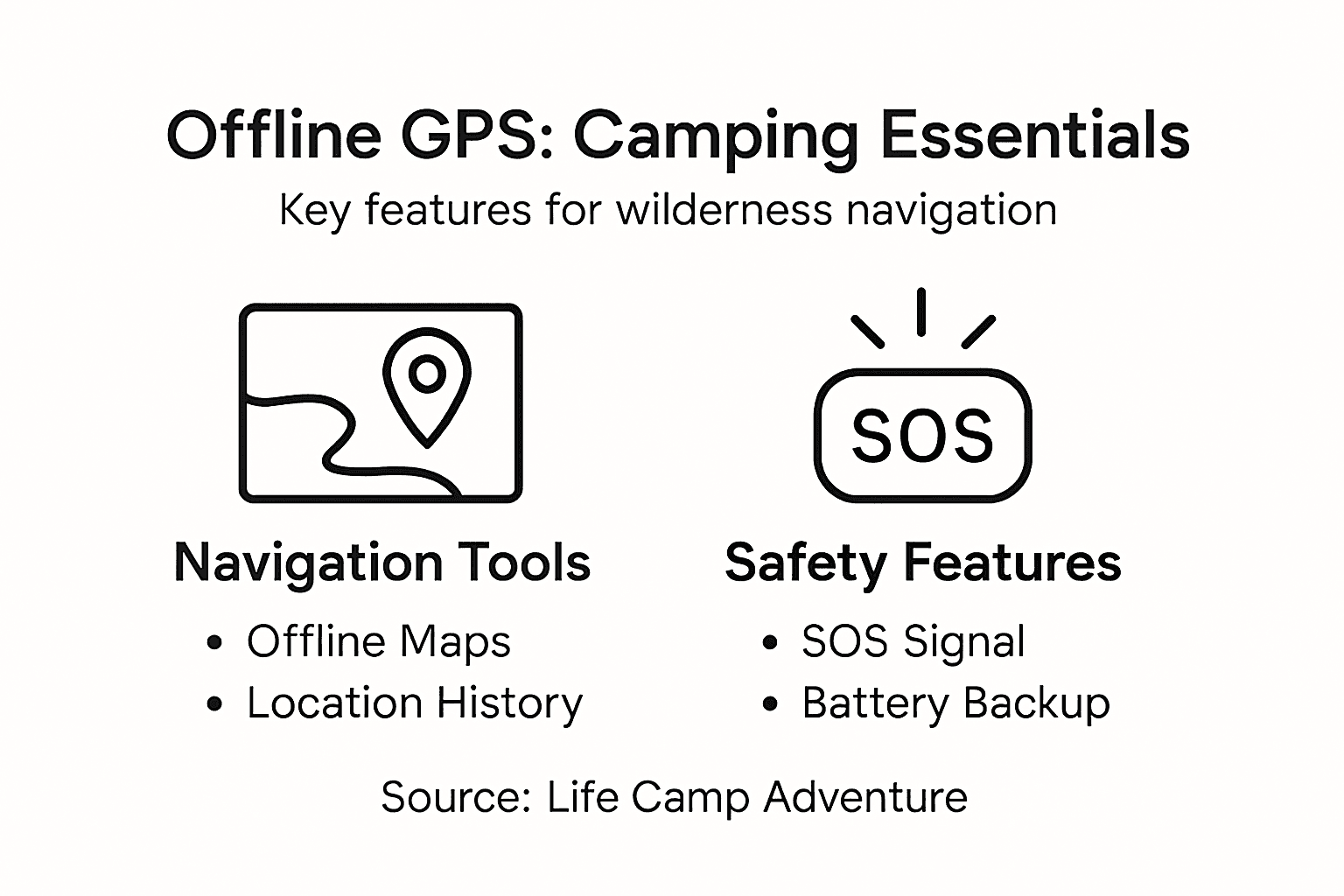
Understanding offline navigation involves more than simply downloading maps. Advanced GPS systems allow users to preload detailed route information, waypoints, and geographical markers before departing on an expedition. These preloaded resources enable hikers and campers to maintain situational awareness even in challenging environments where electronic communication is impossible. Sophisticated devices can track your movement, provide elevation data, and offer critical navigation guidance using satellite signals that operate independently of cellular towers.
Emergency scenarios demand robust technological solutions that can function under extreme conditions. Offline GPS devices often include specialized features like emergency beacon transmission, satellite messaging capabilities, and the ability to share precise location coordinates with rescue services. These technologies can mean the difference between a quick rescue and a prolonged survival situation, particularly in remote mountain ranges, dense forests, or extreme wilderness environments where traditional communication methods fail.
Pro Tip: Always download comprehensive offline maps and test your GPS device's emergency features before embarking on any wilderness expedition to ensure reliable performance when you need it most.
Common GPS Mistakes and Troubleshooting Tips
Outdoor enthusiasts often encounter technical challenges that can compromise their GPS navigation experience. GPS signal interference represents one of the most common problems, particularly in environments with dense tree coverage, steep terrain, or significant geological obstacles. Understanding these potential disruptions is crucial for maintaining reliable navigation during wilderness expeditions.
Common GPS mistakes typically stem from user error or device limitations. These include failing to update device firmware, neglecting battery maintenance, and not understanding satellite signal dynamics. Multipath errors occur when GPS signals bounce off surfaces like rock walls or dense foliage, creating inaccurate location readings. Experienced campers learn to mitigate these issues by maintaining clear lines of sight to the sky, carrying backup navigation tools, and regularly calibrating their GPS devices.
Troubleshooting GPS performance requires a systematic approach. Hikers should always perform pre-trip device checks, including verifying satellite connectivity, ensuring full battery charge, and downloading offline maps. When signal problems persist, basic troubleshooting steps include repositioning the device, removing protective cases that might block signals, and checking for potential electronic interference from other devices. Understanding your GPS unit's specific operational characteristics and limitations can dramatically improve navigation reliability in challenging outdoor environments.
Below are common GPS mistakes and corrective strategies for reliable navigation:
| Mistake | Typical Cause | How to Resolve |
|---|---|---|
| Signal loss | Dense trees or terrain | Move to open area |
| Battery failure | Not charging device | Carry spares, monitor usage |
| Firmware outdated | Ignored updates | Update before trips |
| Inaccurate readings | Multipath signal errors | Recalibrate, reposition unit |
Pro Tip: Carry spare batteries and learn your GPS device's manual reset procedures before heading into remote wilderness areas to ensure you can quickly resolve potential technical issues.
Equip Yourself for Safe and Confident Camping with Life Camp Adventure
Navigating remote wilderness safely is a challenge every camper faces according to the article on the role of GPS in camping. Without reliable location tracking and comprehensive outdoor gear, even the most seasoned adventurer can encounter unexpected dangers. The article highlights critical needs like durable GPS devices with offline map functionality, emergency communication features, and dependable power sources to prevent battery failures.
At Life Camp Adventure, we understand these concerns deeply. Our selection of high-quality camping equipment and survival essentials is designed to keep you prepared for any situation in the wild. Whether you are planning multi-day hikes or day trips, our rugged gear supports your navigation and safety goals by complementing GPS technology with reliable tools built for the outdoors. Do not wait to experience the peace of mind that comes with being well equipped. Visit Life Camp Adventure now to explore gear that enhances your navigation and safety strategies. For more insights on mastering outdoor adventures, check out our landing page where you will find everything you need to elevate your experience and travel with confidence.
Frequently Asked Questions
What is the role of GPS in camping safety?
GPS technology enhances camping safety by providing precise location tracking, allowing campers to navigate unfamiliar terrain, mark waypoints and communicate their location in emergencies.
Can smartphones be used as effective GPS devices for camping?
While smartphones offer user-friendly GPS apps and real-time connectivity, they have limitations such as battery life and reliance on cellular signals. They work best as supplementary tools rather than primary navigation devices in remote areas.
What are the essential features of a GPS device for outdoor adventures?
Key features to look for include emergency communication protocols, offline navigation capabilities, topographical mapping, and independent network functionality that can operate without cellular signals.
How can I troubleshoot common GPS issues while camping?
To resolve GPS issues, always perform pre-trip checks, ensure your device's firmware is updated, clear the line of sight to the sky, and carry backup navigation tools to address potential signal loss and battery failures.
Recommended
- Why Choose Camping Equipment for Adventure Success
- Camping Safety Tips 2025 for Families: Stay Secure Outdoors
- 7 Essential Family Camping Tips for Safe Outdoor Fun
- How to Plan a Camping Trip for Stress-Free Adventure
- Las mejores apps para ciclistas en 2025: guía para pedalear conectado - Blog Ciclista
- 10 Essential Adventure Camping Tips for Outdoor Enthusiasts – Hazli Collection
