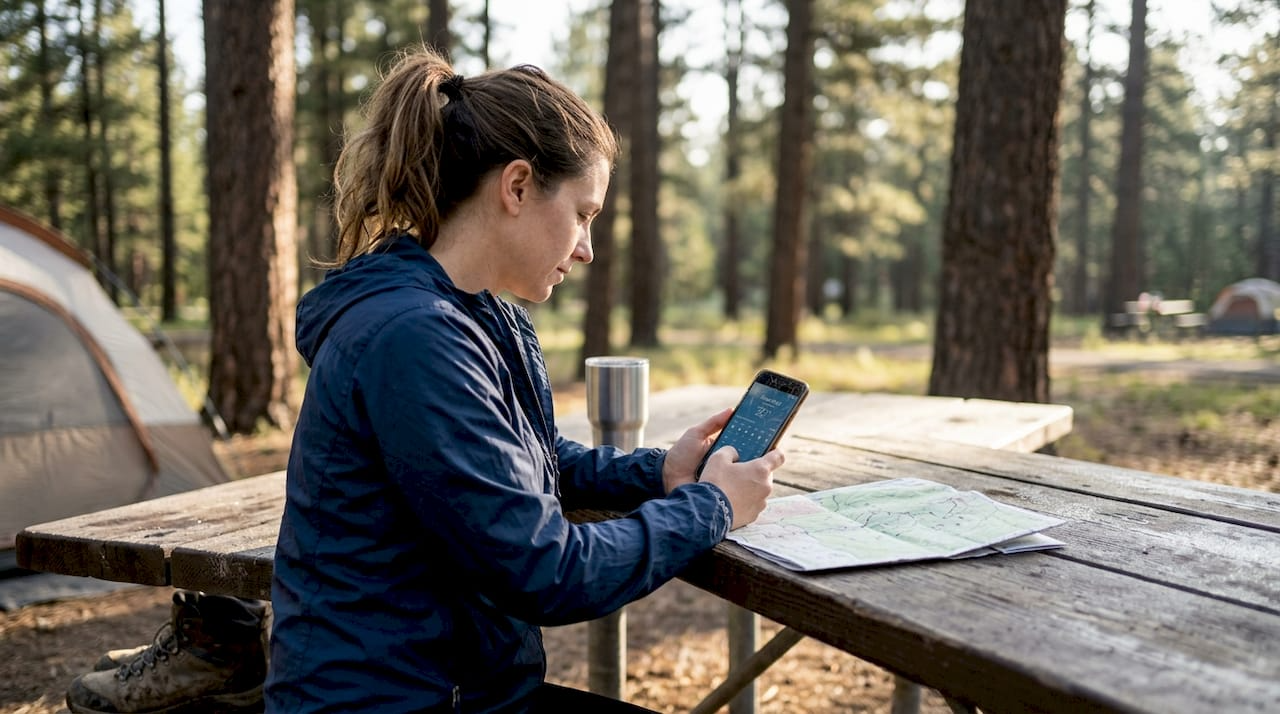
Unexpected weather can transform a peaceful camping trip into a dangerous situation within minutes. Whether you're planning a family hike or a backcountry expedition, understanding how to prepare for and respond to severe weather conditions is essential for safety and enjoyment. This guide provides practical strategies, expert-backed safety protocols, and gear recommendations to help you confidently navigate any weather challenge on your outdoor adventures.
Key Takeaways
| Point | Details |
|---|---|
| Check multiple forecasts | Relying on a single forecast can miss rapid changes, especially in mountains, so consult NOAA forecasts, Windy and local ranger reports to form a complete picture. |
| Lightning safety rule | Count seconds between lightning and thunder; if the count is thirty or less, seek shelter immediately and wait thirty minutes after the last thunder. |
| Finish by 2 PM | Plan hikes to be below treeline or back to camp before the early afternoon when storms commonly form. |
| Four season tents essential | Choose four season tents with stronger poles and weatherproof fabric to withstand high winds heavy snow and prolonged storms. |
Assessing weather conditions before your trip
Thorough weather assessment forms the foundation of safe outdoor planning. Relying on a single forecast source creates dangerous blind spots, as weather patterns in mountainous and remote areas change rapidly and unpredictably. Professional outdoor guides consistently check multiple weather sources including NOAA forecasts, specialized apps like Windy, and local ranger station reports to build a complete picture of expected conditions.
The National Weather Service 30-30 lightning rule provides a critical safety benchmark. Count seconds between lightning flash and thunder. If the count reaches 30 or less, lightning is within six miles and you must seek shelter immediately. After the last thunder, wait 30 minutes before resuming outdoor activities. This simple protocol has prevented countless lightning injuries.
Mountainous terrain generates afternoon thunderstorms with remarkable consistency during warmer months. Plan turnaround times that get you below treeline or back to camp by early afternoon, typically before 2 PM. Route flexibility is essential. Always identify alternative paths and bailout points before starting your hike.
Environmental observation complements digital forecasts. Watch for rapidly building cumulus clouds, sudden temperature drops, increasing wind speeds, or changes in animal behavior. These real-time indicators often signal weather shifts before apps update. Understanding outdoor survival basics enhances your ability to read natural warning signs.
Essential pre-trip weather checks:
- Review 7-day extended forecasts from NOAA and Weather.gov
- Check hourly predictions for your specific elevation and location
- Contact ranger stations for localized conditions and trail reports
- Monitor radar patterns on Windy or similar apps for storm tracking
- Verify sunrise and sunset times to plan daylight hours
- Research historical weather patterns for your destination and season
Pro Tip: Download offline weather data and maps before entering areas with limited cell service. Many weather apps offer offline functionality that maintains access to your last updated forecast even without connectivity.
Essential gear for extreme weather preparedness
Your gear selection directly determines your ability to survive and remain comfortable in harsh conditions. Three-season tents handle mild weather adequately, but 4-season tents for extreme weather provide the structural integrity and weatherproofing necessary for high winds, heavy snow, and sustained storms. These specialized shelters feature stronger poles, reinforced fabric, and minimal mesh to retain heat and block precipitation.
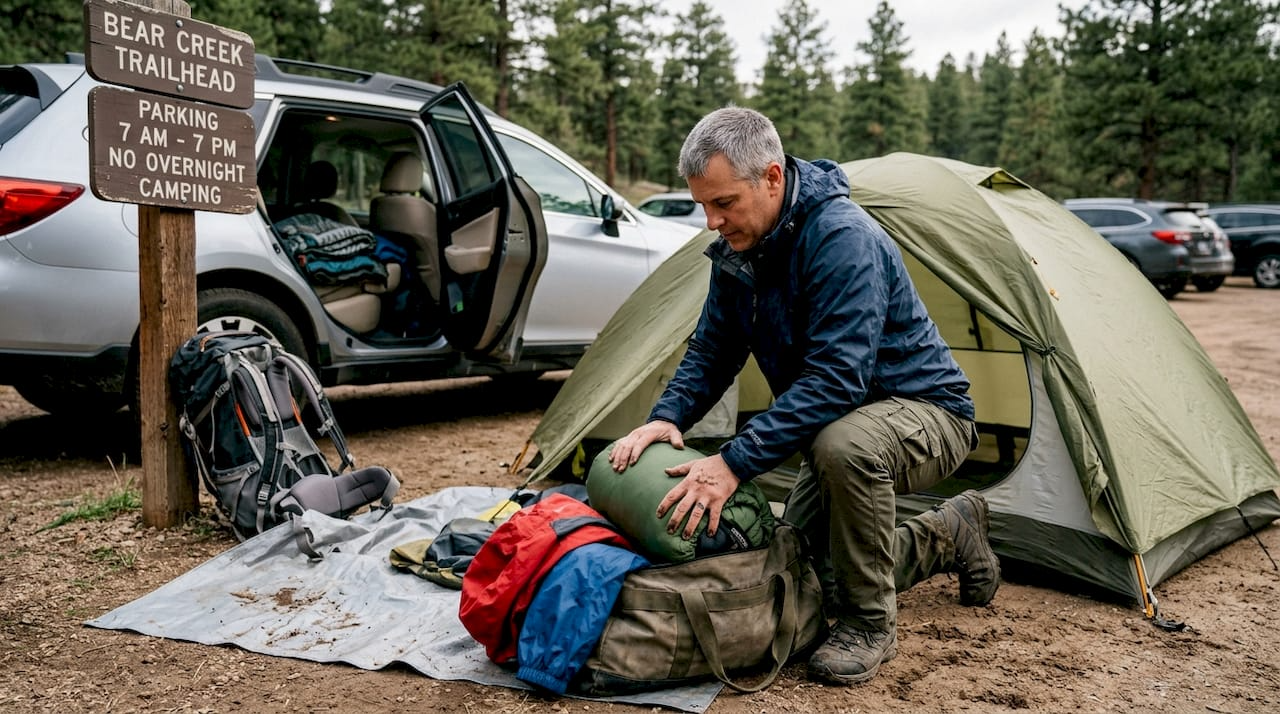
Waterproof rain gear serves as your primary defense against hypothermia. Quality rain jackets and pants with sealed seams keep you dry when cotton clothing would become dangerously saturated. Emergency bivy sacks provide life-saving backup shelter weighing just ounces. Closed-cell foam sleeping pads insulate you from frozen ground far better than inflatable alternatives that can fail.
Comparison of recommended 4-season tents:
| Model | Weight | Capacity | Wind Rating | Snow Load | Key Feature |
|---|---|---|---|---|---|
| Black Diamond Mission 4P | 10 lbs 6 oz | 4 person | 60+ mph | Heavy | Geodesic dome structure |
| Mountain Hardwear Trango | 9 lbs 12 oz | 3 person | 70+ mph | Extreme | Single-wall convertible |
| Hilleberg Jannu | 8 lbs 13 oz | 2 person | 80+ mph | Extreme | Tunnel design, vestibules |
When comparing camping tents, prioritize proven performance over weight savings for extreme conditions. Regular gear maintenance extends the life and reliability of your weather protection equipment.
Essential clothing materials and layers:
- Base layers in merino wool or synthetic fabrics that wick moisture away from skin
- Insulating mid-layers using fleece or synthetic fill that retain warmth when damp
- Waterproof-breathable outer shells with pit zips for ventilation control
- Insulated pants for stationary activities and camp time
- Warm hat covering ears and moisture-wicking gloves with waterproof shells
- Extra socks in wool or synthetic blends, never cotton
Understanding the 7 essential types of camping gear ensures you pack comprehensively for weather challenges. Every item should serve multiple purposes to minimize pack weight while maximizing functionality.
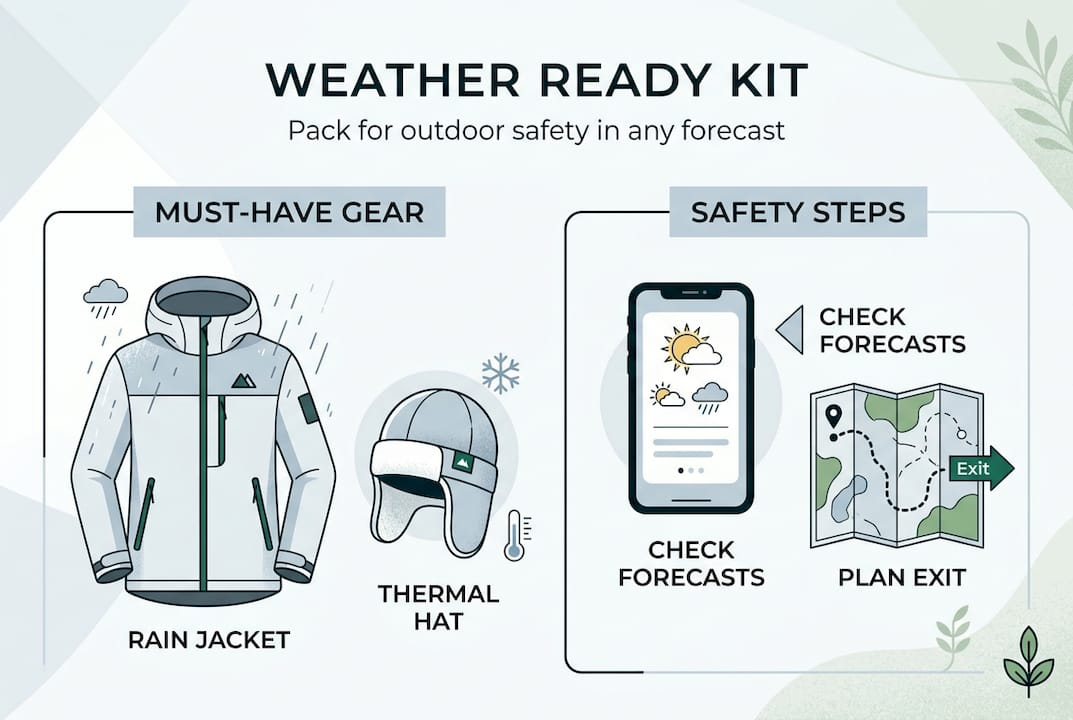
Pro Tip: Layer clothing strategically by adding or removing pieces before you feel too hot or too cold. Managing moisture through active ventilation prevents the sweat accumulation that leads to dangerous chilling when you stop moving.
Safety protocols during adverse weather events
Knowing how to respond when severe weather strikes separates prepared adventurers from victims. Lightning poses one of the most serious threats in exposed terrain. The NWS 30-30 rule provides clear guidance, but your response must be immediate and decisive when thunder counts reach that threshold.
Lightning storm response protocol:
- Seek substantial shelter in a building or hard-topped vehicle immediately
- Descend from ridges and summits to lower elevation or treeline quickly
- Drop metal objects including trekking poles and frame packs away from your position
- Crouch on insulating material with feet together, minimizing ground contact
- Spread group members 50 feet apart to reduce multiple-casualty lightning strikes
- Avoid isolated tall trees, water, and open fields that attract lightning
Hypothermia develops when your core body temperature drops below 95°F, causing progressive loss of physical and mental function. Prevention through proper layering and moisture management is far easier than treatment. Cotton clothing kills in cold, wet conditions by holding moisture against your skin. Synthetic and wool fabrics maintain insulating properties even when damp.
Hypothermia causes approximately 1,300 deaths annually in the United States, with outdoor recreationalists representing a significant portion of victims.
Hypothermia warning signs and symptoms:
- Uncontrollable shivering in early stages
- Slurred speech, mumbling, or confused thinking (the umbles)
- Stumbling, poor coordination, and fumbling hands
- Drowsiness, apathy, or irrational behavior
- Slow, shallow breathing and weak pulse in severe cases
Immediate rewarming treatment steps:
- Move victim to shelter and remove wet clothing immediately
- Apply dry layers and insulation, focusing on core body areas
- Provide warm, sweet drinks and high-calorie food if victim is conscious
- Use body heat from another person in sleeping bag for severe cases
- Seek emergency medical help for moderate to severe hypothermia
Mastering essential first aid steps and understanding why pack survival gear prepares you to handle medical emergencies in remote locations. Your response speed in the first minutes often determines outcomes.
Pro Tip: Cold conditions suppress thirst signals while increasing fluid loss through respiration. Drink water regularly even when you don't feel thirsty. Proper hydration maintains physical performance and helps your body regulate temperature effectively in challenging weather.
Weather preparedness strategies for families with children
Families face unique challenges when adventuring outdoors with children. Kids have less body mass for heat retention, become wet and cold faster, and lack the judgment to recognize developing dangers independently. Packing extra clothing and gear specifically for children prevents minor discomfort from escalating into serious problems.
Extra clothes and multiple pairs of socks are non-negotiable for kids. Children splash in puddles, fall in streams, and generate less body heat than adults. Having dry backup clothing available keeps them warm and maintains their enthusiasm for outdoor activities. Wet, cold children quickly become miserable and potentially hypothermic.
Whistles provide children with a powerful safety tool. Teach kids three sharp blasts signals distress. This sound carries much farther than shouting and conserves energy. Hydration packs or water bottles with bright colors help kids stay hydrated while remaining visible. Dehydration impairs judgment and physical performance at any age.
Safety education must be age-appropriate and practiced before emergencies occur. Establish clear boundaries for how far children can explore from camp or the group. Teach the critical rule to stay put if they become separated. Moving around when lost makes rescue exponentially harder. Practice having kids blow their whistle and wait calmly.
Child-specific gear and safety considerations:
- Brightly colored clothing and reflective elements for visibility
- Child-sized rain gear that actually fits and stays on during activity
- Insulated jackets rated for colder temperatures than adult gear
- Emergency whistles on lanyards attached to jackets or packs
- Identification cards with parent contact information in pockets
- High-energy snacks that kids actually enjoy eating
- Headlamps or flashlights with extra batteries for each child
Choosing family-friendly campsites near facilities provides safety margins for less experienced young adventurers. Sites with nearby restrooms, water sources, and ranger stations offer support if weather or other challenges arise. Gradually increase difficulty and remoteness as children gain skills and confidence.
Understanding why outdoor safety matters helps families prioritize preparation over convenience. Teaching children outdoor survival basics builds skills and confidence that serve them throughout life.
Pro Tip: Assign age-appropriate navigation responsibilities to engage kids in trip planning and awareness. Toddlers can help spot trail markers, while older children can practice using compasses or identifying landmarks. This involvement keeps them mentally engaged and teaches valuable outdoor skills.
Explore top gear and expert advice for your next adventure
Weather preparedness requires reliable equipment and expert knowledge. Life Camp Adventure provides comprehensive resources to help you make informed decisions about gear and safety strategies. Our detailed camping tent comparisons evaluate shelter options for every weather condition and budget, helping you choose protection that matches your specific needs.
Explore our guide to 7 essential types of camping gear for complete preparedness across all outdoor scenarios. Understanding why choose quality camping equipment ensures your investment in gear delivers the performance and durability necessary for safe adventures in challenging conditions.
FAQ
What weather apps are best for checking conditions before a hike or camping trip?
Windy provides detailed wind patterns and radar visualization that helps predict storm movement and intensity. Combine this with official NOAA forecasts from Weather.gov for your specific location and elevation. Always contact local ranger stations for ground-truth conditions and recent trail reports that apps cannot capture.
How can I recognize and treat hypothermia early while outdoors?
Watch for the umbles: mumbling speech, stumbling movements, and fumbling hands that indicate declining coordination and mental function. Shivering, confusion, and unusual behavior are early warning signs requiring immediate action. Rewarm the person by moving to shelter, replacing wet clothing with dry layers, and providing warm drinks and high-calorie food if they remain conscious.
What safety tips are most important for families hiking with children?
Pack extra clothing layers and multiple pairs of socks because children get wet and cold faster than adults. Equip each child with a whistle and teach them three blasts signals distress. Establish clear boundaries about how far they can explore and emphasize the critical rule to stay put and blow their whistle if they become separated. Choose campsites near facilities until kids gain experience.
When should I turn back or cancel a trip due to weather forecasts?
Cancel or postpone trips when forecasts predict sustained high winds above 40 mph, lightning probability exceeding 30 percent, or temperatures combined with precipitation that create hypothermia risk. Turn back immediately if conditions deteriorate faster than predicted or if any group member shows signs of cold injury, exhaustion, or distress. Your safety margin should increase with group size, presence of children, and distance from help.
What is the difference between a 3-season and 4-season tent for weather protection?
Three-season tents use lighter materials and more mesh for ventilation, handling spring through fall conditions in most locations. Four-season tents feature stronger poles, minimal mesh, reinforced fabric, and geodesic or tunnel designs that withstand heavy snow loads and extreme winds above 60 mph. Choose 4-season models for winter camping, high-altitude expeditions, or any trip where severe weather is possible.
