TL;DR:
- An effective outdoor safety checklist integrates gear, planning, campsite safety, navigation, and emergency preparedness as interconnected systems to reduce risks during adventures. Proper preparation, situational awareness, and redundancy in communication are crucial for responding to changing conditions and hazards. Building skills like map reading and recognizing hypothermia enhances safety beyond simply carrying the right equipment.
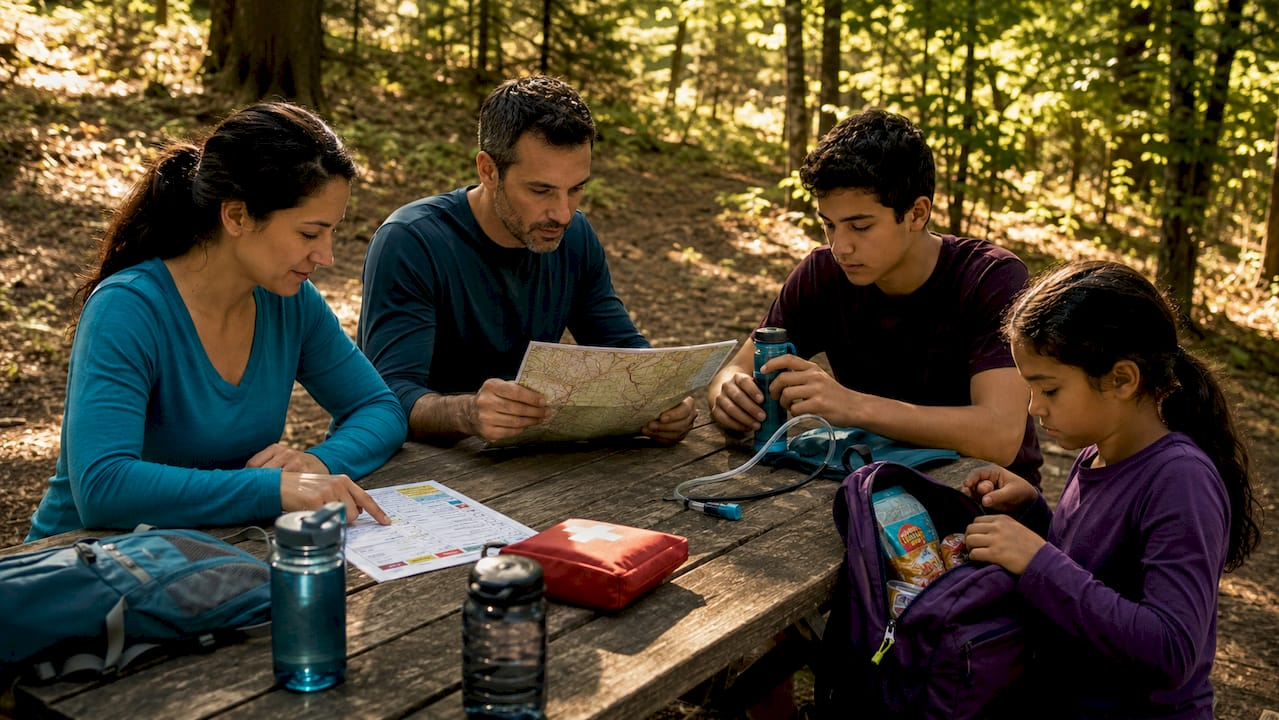
An outdoor safety checklist is a systematically organized tool that ensures you have the planning, gear, and knowledge to stay safe during any adventure, from a backyard campout to a multi-day wilderness trek. The U.S. Forest Service, National Park Service, and CDC each publish guidance that informs what belongs on a solid checklist, and the gaps in preparation are where most outdoor emergencies begin. Whether you are managing family camping safety or solo backcountry travel, the same core principles apply: prepare before you leave, carry the right gear, and know what to do when conditions change.
1. What your outdoor safety checklist must cover first
The most effective outdoor safety checklists are organized around five domains: gear essentials, trip planning, campsite safety, navigation and communication, and emergency preparedness. Treating these as separate but connected layers means no single failure point leaves you exposed. Most outdoor accidents trace back to a gap in one of these domains, not bad luck.
Situational awareness is the non-gear skill that ties all five domains together. Monitoring weather shifts, reading terrain, and tracking wildlife behavior prevents small hazards from escalating into emergencies. No piece of gear replaces the habit of paying attention.2. Must-have gear essentials on a hiking safety checklist
The Ten Essentials are a functional framework of gear categories, not a rigid packing list, and they must be adapted based on trip length, terrain, and remoteness. A day hike in a state park requires a different configuration than a five-day backcountry route in the Rockies. Leave No Trace and the Mountaineers both endorse this flexible approach.
The core categories every outdoor safety guide covers include:
- Navigation: Offline maps via apps like Gaia GPS or onX, plus a paper topographic map and baseplate compass as backup
- Sun protection: SPF 30+ sunscreen, UV-blocking sunglasses, and a wide-brim hat
- Insulation: Layered clothing including a moisture-wicking base layer, insulating mid-layer, and waterproof shell
- Illumination: A headlamp such as the Black Diamond Spot 400 with spare batteries
- First aid supplies: A pre-built kit from Adventure Medical Kits or a custom build covering blisters, wounds, and allergic reactions
- Fire starting: Waterproof matches, a BIC lighter, and a ferrocerium rod as a third backup
- Repair tools and knife: A multi-tool like the Leatherman Wave Plus and duct tape
- Nutrition: One extra day of food beyond your planned trip length
- Hydration: A water filter like the Sawyer Squeeze or Katadyn BeFree, plus iodine tablets as backup
- Emergency shelter: A lightweight bivy such as the SOL Escape Bivvy or a mylar emergency blanket
Pro Tip: Pack your insulation layer and emergency shelter in a dry bag inside your pack. Wet gear fails exactly when you need it most.
3. How to plan your trip using a wilderness safety checklist
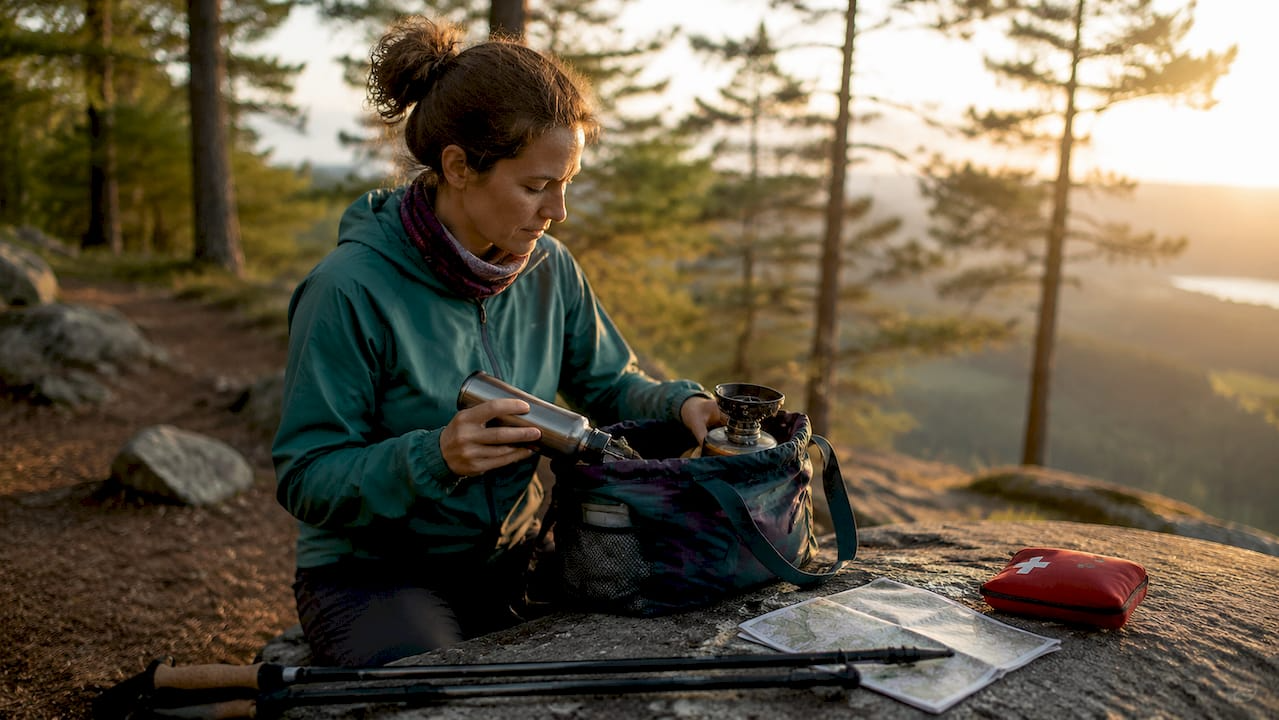
Pre-trip planning is where most risk reduction actually happens. The steps below form the backbone of any solid outdoor emergency plan.
- Check weather forecasts repeatedly. Use the National Weather Service and Weather.gov for location-specific forecasts. Check again the morning of departure. Conditions change faster than weekly planning accounts for.
- Verify fire restrictions. Wildfire restrictions are localized and change frequently. Check InciWeb and your specific national forest or park website the day before you leave, not a week out.
- Research local hazards. Review wildlife activity reports from the NPS or state fish and wildlife agencies. Understand the terrain, elevation gain, and any technical sections on your route.
- Obtain required permits. Many wilderness areas require advance permits through Recreation.gov. Skipping this step can result in fines and, more importantly, means rangers have no record of your intended route.
- Share a detailed trip plan. Leave a written document with a trusted contact that includes your trailhead, planned route, campsites, expected return time, and what to do if you don't check in.
A true emergency plan goes beyond telling someone your destination. It includes specific route details, return times, go/no-go weather triggers, and backup communication plans if your devices fail. That level of detail is what enables search and rescue teams to find you quickly.
Pro Tip: Set a hard check-in time with your emergency contact and agree on exactly when they should call 911 if they don't hear from you. Vague instructions delay rescue.
4. Campsite safety and environmental hazard measures
Choosing the right campsite is one of the most underrated decisions on any camping safety checklist. A poor site selection exposes you to flash floods, falling branches, insect swarms, and wildlife encounters before you even unpack.
Experienced campers select sites on elevated ground at least 200 feet (60 meters) from water sources to reduce flash flood risk, insect activity, and moisture problems. The table below compares safe versus risky campsite characteristics:
| Feature | Safe campsite | Risky campsite |
|---|---|---|
| Distance from water | 60 to 100 meters minimum | Less than 30 meters from riverbank |
| Ground elevation | Elevated, well-drained surface | Low-lying or flood-prone area |
| Overhead hazards | Clear of dead limbs and widow-makers | Under large dead trees or unstable branches |
| Wildlife sign | No fresh scat, tracks, or food caches nearby | Active wildlife corridors or bear activity |
| Fire risk | Cleared area, no dry brush within 3 meters | Dense dry vegetation, no clearance |
Wildlife safety at camp centers on food storage. Use bear canisters approved by the Interagency Grizzly Bear Committee or hang food using the PCT method at least 10 feet high and 4 feet from the trunk. Reducing wildlife encounters also means storing scented items including toothpaste, sunscreen, and trash in the same bear-safe container as food.
Drowning is the leading cause of injury-related death for children ages 1 to 4, making constant supervision near water and properly fitted personal flotation devices non-negotiable on any family outdoor safety checklist. Never assume a calm-looking river is safe for wading.5. Navigation and communication for outdoor safety
Reliable navigation and communication are the two systems most likely to save your life when everything else goes wrong. Both require redundancy built in before you leave the trailhead.
- Offline maps: Download your route to Gaia GPS, AllTrails Pro, or CalTopo before you lose cell service. Cellular coverage disappears fast in canyons and dense forest.
- Paper backup: Carry a printed or laminated topographic map of your area and know how to use a compass with it. GPS batteries die; paper does not.
- Key waypoints: Save your trailhead, water sources, campsites, and bailout routes as waypoints in your GPS app before departure.
- Satellite communicators: In areas without cell coverage, carry a Garmin inReach Mini 2 or SPOT Gen4 personal locator beacon. These devices allow two-way messaging and SOS activation anywhere on Earth.
- Check-in schedule: Establish specific check-in times with your emergency contact. If you miss two consecutive check-ins, they initiate your emergency protocol.
- Communication fallback: Agree on a fallback plan if your primary device fails. A whistle, signal mirror, and knowledge of the universal distress signal (three blasts or flashes) are low-tech backups that work when electronics don't.
6. Emergency preparedness and first aid on your safety checklist
A well-stocked first aid kit is the difference between a manageable situation and a serious evacuation. The contents should reflect your trip type, group size, and any personal medical needs.
Core first aid and survival items for your emergency preparedness kit include:
- Wound care: Sterile gauze, medical tape, butterfly closures, and a SAM splint for fractures
- Blister treatment: Moleskin, Leukotape, and a blister lancet
- Medications: Antihistamines (diphenhydramine), ibuprofen, antidiarrheal tablets, and any personal prescriptions including an EpiPen if allergies are a factor
- Infection control: Antiseptic wipes, triple antibiotic ointment, and nitrile gloves
- Survival signaling: A Fox 40 whistle, signal mirror, and a small strobe light
- Emergency shelter: An SOL Escape Bivvy rated to 40 degrees below zero Fahrenheit for unexpected overnights
- Water purification backup: Aquatabs iodine tablets in case your primary filter fails
Customize your kit to your group. A family trip with young children needs pediatric dosing information and extra blister supplies. A solo technical climb needs a more advanced wound closure kit and a SAM splint. Review your kit before every trip and replace expired items.
Pro Tip: Take a Wilderness First Aid (WFA) or Wilderness First Responder (WFR) course through NOLS or SOLO Schools. Knowing how to use your kit matters as much as having it.
Key takeaways
A complete outdoor safety checklist covers gear, planning, campsite selection, navigation, and emergency preparedness as interconnected systems, not isolated items.
| Point | Details |
|---|---|
| Gear follows the Ten Essentials | Adapt the Ten Essentials framework to your specific trip length, terrain, and group needs. |
| Planning reduces most risk | Check weather, fire restrictions, and local hazards repeatedly before departure, not just once. |
| Campsite placement matters | Set up at least 60 meters from water on elevated ground to avoid floods, insects, and wildlife. |
| Communication needs redundancy | Carry a satellite communicator and leave a detailed trip plan with a trusted contact. |
| First aid requires customization | Build your kit around your group's medical needs and replace expired items before every trip. |
Why most checklists miss the point
Most outdoor safety checklists I've seen focus entirely on what to pack and skip the harder question: do you know how to use what you're carrying? I've watched experienced-looking hikers pull out a compass and hold it like a TV remote. The gear was right. The training wasn't.
The checklists that actually work treat preparation as a skill, not a shopping list. Knowing how to read a topo map, recognize hypothermia in a companion, or build an emergency shelter from your bivy and trekking poles is what separates a prepared adventurer from someone who just has expensive gear. The Ten Essentials framework from Leave No Trace gets this right because it forces you to think in functional categories, not product names.
For families, the biggest gap I see is the absence of a real emergency communication plan. Telling your neighbor "we'll be back Sunday" is not a plan. Writing down your trailhead coordinates, your route, your campsites, and the exact time they should call search and rescue is a plan. That document has saved lives.
The other thing most checklists ignore is the mental side of situational awareness. Staying alert to weather changes, watching how the group is moving, and noticing when someone is quieter than usual are all safety behaviors that no gear can replace. Build those habits alongside your gear list and your outdoor experiences will be safer and more enjoyable.
— Billy
Gear up with Lifecampadventure before your next adventure
Lifecampadventure builds gear and resources specifically for adventurers who take preparation seriously. Before your next trip, use the survival gear guide to match your kit to your specific adventure type, whether that's a weekend car camp or a remote backcountry route. The best camping gear comparison covers expert-reviewed shelters, sleep systems, and safety essentials tested for durability and packability. For families building their first complete kit, the outdoor survival checklist breaks down exactly what to prioritize at every budget level. Lifecampadventure's goal is to make sure you spend less time second-guessing your gear and more time focused on the trail ahead.
FAQ
What should an outdoor safety checklist always include?
Every outdoor safety checklist should cover the Ten Essentials categories: navigation, sun protection, insulation, illumination, first aid, fire starting, repair tools, nutrition, hydration, and emergency shelter. These categories apply to every trip type and should be adapted based on terrain and duration.
How far should you camp from water?
Camp at least 60 meters (200 feet) from rivers, lakes, and streams to reduce flash flood risk, insect activity, and site erosion. In high-risk flood terrain, 100 meters is the safer minimum distance.
What is the most common cause of death in outdoor activities?
Hypothermia causes more outdoor deaths than any other single hazard, according to U.S. Forest Service guidance. Carrying insulation layers year-round and knowing the early signs of hypothermia are the two most effective countermeasures.
How do you create an outdoor emergency plan?
A solid outdoor emergency plan includes your specific route, trailhead coordinates, planned campsites, expected return time, go/no-go weather triggers, and a clear instruction for your emergency contact on when to call search and rescue. Vague plans delay rescue response significantly.
What communication devices are best for remote hiking?
The Garmin inReach Mini 2 and SPOT Gen4 are the two most widely used satellite communicators for remote hiking. Both allow SOS activation and two-way messaging in areas with zero cell coverage, making them the most reliable backup when phones fail.
