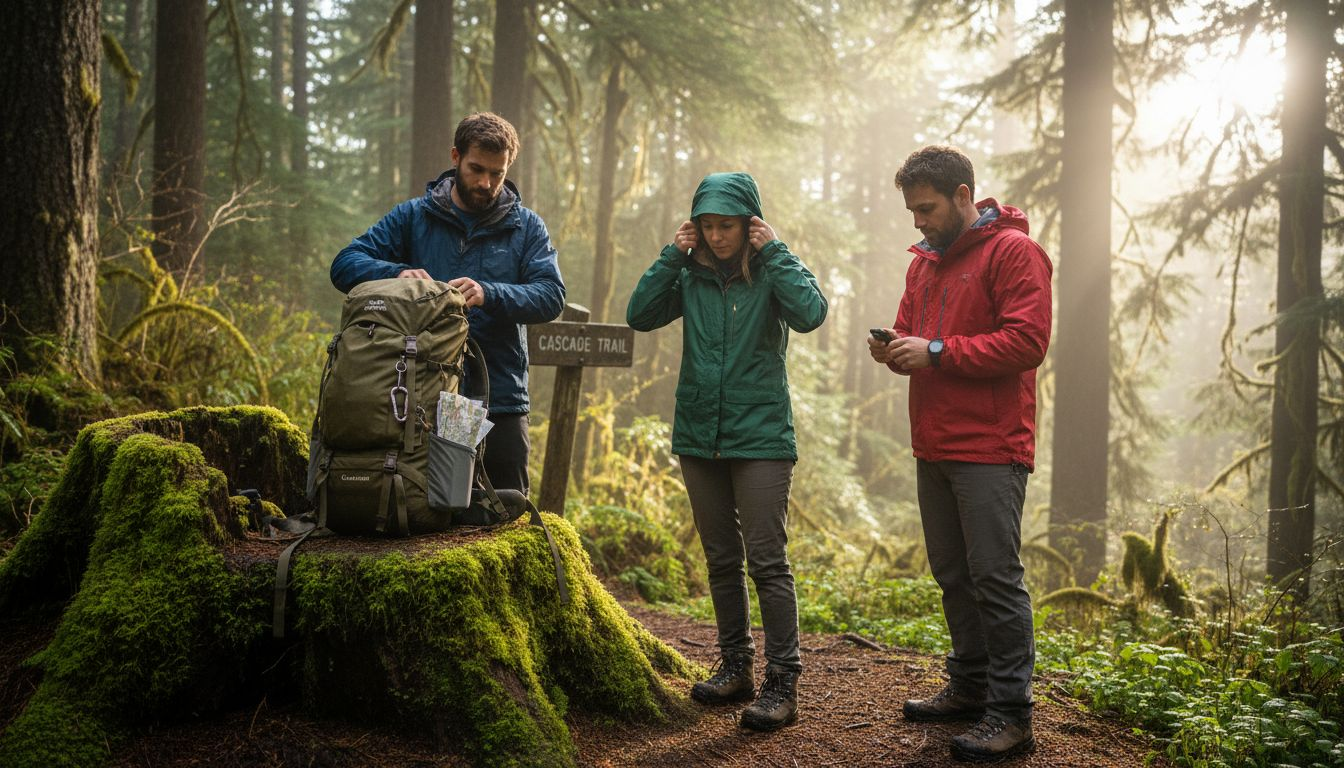
Standing at a misty Cascade Range trailhead, you know how quickly wet, rocky ground reveals the truth about your outdoor gear. Durability and sustainability matter intensely for Pacific Northwest hikers who want reliable equipment that respects the environment. The outdoor market brims with terms like synthetic, natural, and waterproof, but actual performance depends on how materials are matched to local conditions. This guide clears up confusing claims and spotlights what really works, highlighting durable, eco-friendly materials designed for your Pacific Northwest adventures.
Key Takeaways
| Point | Details |
|---|---|
| Understand Material Differences | Distinguish between natural and synthetic fabrics to select gear that meets specific performance needs in various outdoor conditions. |
| Evaluate Waterproof Claims | Recognize that 'waterproof' and 'water-resistant' have distinct meanings; ensure gear is designed to withstand the particular moisture challenges of the Pacific Northwest. |
| Prioritize Durability and Maintenance | Choose materials that are designed for longevity and consider their maintenance requirements to avoid disappointment during use. |
| Hybrid Material Approach | Opt for gear that strategically combines natural and synthetic materials to leverage the strengths of each for enhanced performance. |
Outdoor Gear Materials Defined and Debunked
When you're standing in the rain with a supposedly waterproof tent that's leaking through the corners, or you notice your pack's fabric tearing after just a few months of regular use, you're dealing with the reality of outdoor gear materials. But here's what most people don't realize: the materials themselves aren't the problem. The confusion comes from how we talk about them, what we expect from them, and the gap between marketing claims and actual performance. Let's cut through the noise and understand what these materials actually do, why some claims are pure marketing fiction, and what genuinely matters when you're choosing gear for Pacific Northwest trails.
The outdoor industry loves to throw around technical terms that sound impressive but often mean very little. Synthetic fabrics, natural fibers, and mysterious names like "Gore-Tex" or "Cordura" dominate gear labels, but understanding these materials starts with recognizing three fundamental categories. First, there are natural materials like wool, cotton, and linen, which have been used for centuries and offer genuine benefits like temperature regulation and breathability. Second are synthetic polymers such as polyester, nylon, and polyurethane, engineered specifically for durability and water resistance. Third are advanced composites and treated fabrics that combine multiple materials to achieve specific performance goals. According to sustainable materials research in outdoor gear design, many traditional materials commonly used in softgoods aren't actually environmentally sustainable, yet they remain industry standards because they perform exceptionally well in demanding conditions. The challenge isn't that these materials are inferior, but rather that the industry has been slow to innovate alternatives that match their durability and functionality while reducing ecological harm.
Now let's debunk some of the biggest myths circulating through outdoor communities. The first misconception is that "waterproof" and "water-resistant" mean the same thing, and manufacturers deliberately blur this line. Water-resistant materials can repel light rain and splash but will eventually soak through under sustained pressure. Waterproof materials have a defined barrier, typically a membrane coating, that prevents water penetration entirely. Your Pacific Northwest adventures involve frequent encounters with heavy, persistent rain, so this distinction matters critically. Second myth: thicker equals more durable. A heavy gauge nylon might feel more robust in your hands, but a thinner, tighter weave can actually outlast it. Weight has almost nothing to do with longevity. Third, and this one catches everyone, treated fabrics lose their performance with washing and wear. Your rain jacket's water-beading treatment doesn't last forever, and pretending otherwise means you'll be disappointed when it fails. Most quality gear manufacturers understand this and design layering systems rather than single garments that supposedly do everything. The real performance comes from the weave structure, the type of yarn, and how those elements interact with your specific use case.
What separates gear that lasts through five years of regular use from gear that starts failing after a season comes down to fiber selection, construction methods, and honest design for your actual environment. Nylon fabrics offer excellent abrasion resistance and strength, which is why they dominate pack construction and tent floors exposed to rough ground contact. Polyester resists UV damage and moisture absorption better than nylon, making it ideal for tarps and rain shells that sit in the sun. Merino wool, increasingly common in base layers, regulates temperature across a wider range than synthetic alternatives and handles moisture vapor in ways that polypropylene simply cannot match. The materials themselves perform as designed when matched to their intended purpose. The failure usually happens when manufacturers try to use one material to solve multiple problems, or when the industry pushes a material beyond its legitimate performance envelope for marketing advantage. For your Pacific Northwest conditions, understanding whether your gear is designed for the specific challenges you face—sustained moisture, temperature swings, rocky terrain, UV exposure at higher elevations—matters far more than any single material name on the tag.
Pro tip: Check the care instructions on your gear before buying it. If washing requires special detergents or voiding the warranty, the materials likely require more maintenance than you want to commit to during your outdoor lifestyle.
Comparing Natural Versus Synthetic Fabrics
The choice between natural and synthetic fabrics for your outdoor gear isn't a simple preference. It's a trade-off calculation where you sacrifice certain advantages to gain others, and understanding what you're actually choosing determines whether your gear will serve you well or become a frustration on the trail. When you're planning a multiday backpacking trip in the Cascade Range, the fabric touching your skin and protecting you from the elements matters as much as your route planning. Natural fibers like merino wool, cotton, and linen have been used for generations because they genuinely do certain things that petrochemical products struggle with. Synthetic fabrics like polyester, nylon, and polyurethane were developed specifically to address the weaknesses inherent in natural materials. Rather than viewing one category as superior, understanding the specific performance characteristics of each material type allows you to make choices aligned with your actual use case and values.
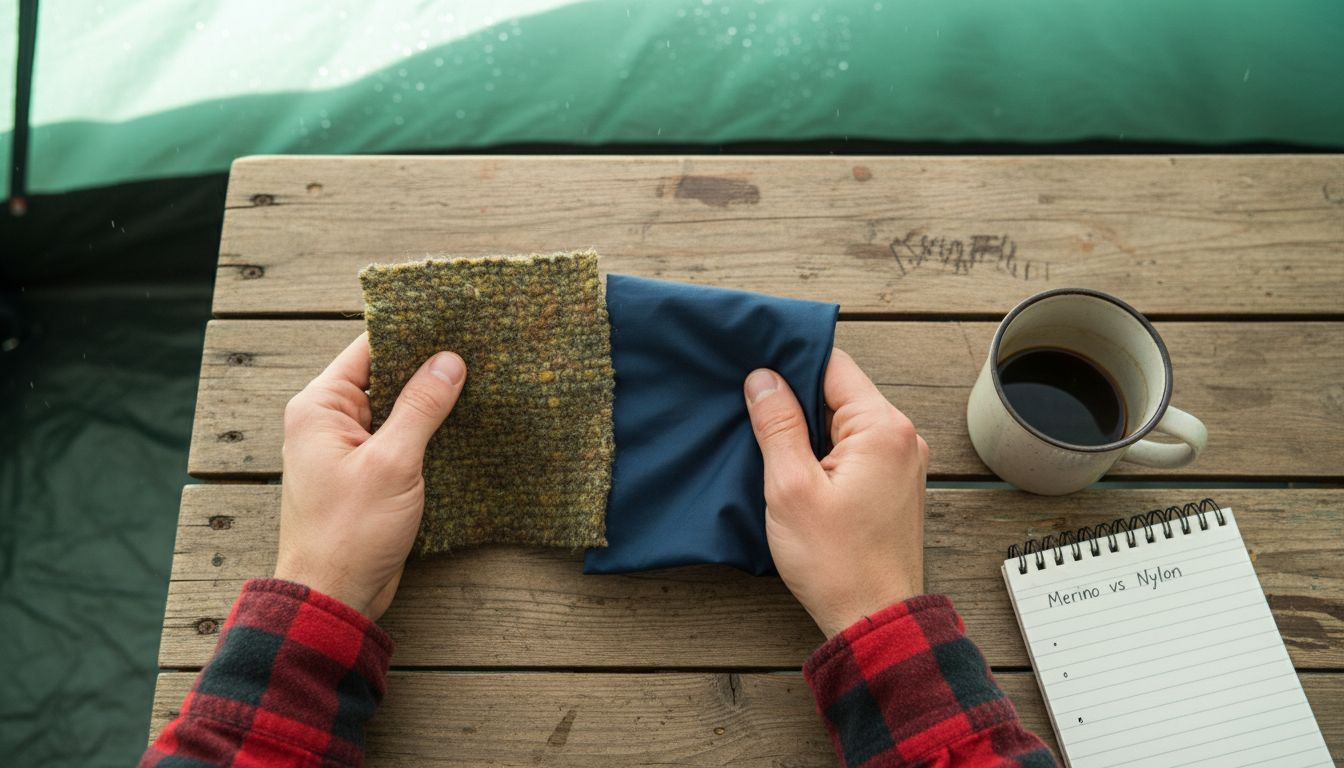
Natural fabrics excel at regulating temperature and managing moisture vapor in ways that synthetic alternatives still haven't fully replicated. Merino wool, in particular, absorbs moisture vapor without feeling wet against your skin, maintains insulation properties even when damp, and naturally resists odor development through antimicrobial properties. This is why high-end base layers cost significantly more than their polyester equivalents. Cotton offers breathability that's exceptional for warm weather activities, though it absorbs liquid water and takes forever to dry once saturated. Linen shares similar benefits with even better breathability but lacks durability for rugged outdoor use. The environmental profile of natural fibers appears favorable at first glance: they're renewable, biodegradable, and don't require petroleum extraction. However, modern natural fiber production carries significant water consumption, pesticide use, and agricultural impact that marketing often downplays. When you compare durability of synthetic versus natural materials in outdoor gear, synthetic fabrics demonstrate superior longevity and weather resistance, though they come with persistent environmental concerns around manufacturing and end-of-life disposal. The real question becomes whether you prioritize performance, environmental impact, or some balance between the two.
Synthetic fabrics dominate the market because they reliably deliver specific performance goals that natural fibers struggle to achieve. Nylon offers exceptional abrasion resistance and strength, which explains why nearly every pack hip belt and tent floor uses it. Polyester resists UV degradation far better than natural fibers, making it ideal for tarps and rain shells exposed to intense sun. Polyurethane and other membrane technologies create actual waterproof barriers that no natural fiber can match without chemical treatment. These materials are lighter weight than comparable natural fibers, dry quickly, and maintain their performance characteristics across thousands of wear cycles. The downside is substantial: synthetic fabrics don't breathe as effectively, they create microplastic pollution during washing, they're derived from fossil fuels, and they persist in landfills for centuries. For Pacific Northwest hiking where you regularly encounter rain, sustained moisture, and variable terrain, synthetic fabrics in your pack construction and outer shell are probably non-negotiable. Where you have real choice is in base layers and mid-layers where natural fibers can genuinely improve comfort. A practical approach combines both: synthetic shells and floor protection where weather resistance is critical, natural fiber base layers where skin contact and temperature regulation matter most.
The most durable gear often uses natural and synthetic fibers in strategic combination rather than committing entirely to one category. Your tent might use a nylon floor for abrasion protection, a polyester shell for UV and water resistance, and a cotton or linen interior for breathability and comfort in camp. Your backpack probably features nylon in high-stress areas and mesh panels in lower-stress zones for weight reduction. Your clothing system layers natural fibers next to skin, synthetic insulation in the middle, and synthetic shells on the exterior. This hybrid approach lets you capture the genuine benefits of each material type while mitigating their individual weaknesses. The gear that truly lasts through years of hard use isn't made from one superior material, but rather from thoughtful material selection matched to specific functional demands. When evaluating new gear, ask where each material appears and why the manufacturer chose it for that location. If they're using synthetic everywhere, they're prioritizing cost and durability over comfort. If they're using natural materials in demanding applications where synthetics actually perform better, they're prioritizing marketing narrative over performance. Either approach suggests less than optimal design.
Here's a quick comparison of natural and synthetic outdoor gear fabrics:
| Property | Natural Fibers (e.g., Wool) | Synthetic Fibers (e.g., Nylon) |
|---|---|---|
| Source | Renewable, plant or animal-based | Derived from petrochemicals |
| Moisture Management | Good vapor absorption, stays warm | Dries quickly, may trap odor |
| Durability | Moderate, may degrade faster | High, withstands abrasion and wear |
| Environmental Impact | Biodegradable, but resource-heavy | Persistent waste, fossil fuel use |
| Typical Use Cases | Base layers, mid-layers | Shells, tent floors, backpacks |
Pro tip: When shopping for base layers, prioritize merino wool over cotton or synthetic for Pacific Northwest conditions, but for pack construction and rain shells, demand synthetic materials regardless of eco-marketing claims that suggest natural fibers can match their weather resistance.
Material Strength, Weight, and Weather Resistance
You've probably felt the difference between gear that feels flimsy and gear that feels genuinely solid, but that tactile impression doesn't always correlate with actual performance or longevity. A fabric that feels substantial in your hands might be heavier than necessary, while a seemingly delicate material could outlast something twice its weight. The relationship between material strength, the weight you carry, and how well your gear handles rain, wind, and temperature extremes defines the boundary between gear that serves you reliably and gear that fails when conditions get challenging. For Pacific Northwest outdoor enthusiasts, this balance matters intensely because you're regularly dealing with sustained rain, muddy terrain that abrades fabric, and temperature swings that test a material's resilience across different states. Understanding what makes materials genuinely strong, how weight affects performance rather than just comfort, and what weather resistance actually requires helps you evaluate whether new gear is engineered for your environment or simply marketed aggressively.
Material strength isn't a single characteristic; it's a combination of fiber type, yarn construction, weave density, and how those elements work together under specific stresses. Denier rating, which you'll see on technical fabrics, measures fiber thickness, but higher denier doesn't automatically mean better performance. A 1000-denier nylon with a loose weave might tear more easily than a 500-denier nylon with a tight weave because the weave structure distributes stress more effectively. Tensile strength measures how much force is required to tear a fabric in a specific direction, while tear strength measures how easily a small rip propagates into a larger failure. These are different properties, and a material might excel at one while struggling with the other. Weight reduction in modern gear comes from innovations in fiber engineering and weave technology rather than simply using thinner materials. Advances like laminated fabrics and coating technologies improve strength while actually reducing overall weight, allowing manufacturers to create gear that's simultaneously lighter and more durable than previous generations. The catch is that these advanced materials typically cost more, which explains the price gap between budget gear that feels substantial but tears easily and expensive gear that feels almost fragile until you use it hard.
Weather resistance is where material science becomes genuinely complex because different weather challenges require different solutions. Water resistance involves two separate mechanisms: the fabric's ability to shed liquid water through hydrophobic coatings, and the tightness of the weave itself. A tightly woven natural fiber might shed light rain effectively without any chemical treatment, while a loose synthetic weave needs a waterproof membrane to prevent soaking. Polyurethane-based membranes create actual waterproof barriers that repel rain entirely but sacrifice breathability in the process, which is why many rain shells feel clammy after sustained wear. Wind resistance depends on weave tightness and the presence of a densely-woven layer that blocks air passage without completely eliminating vapor transmission. UV resistance comes from the inherent properties of the fiber itself: polyester naturally resists UV degradation while many natural fibers, especially cotton, break down quickly under sustained sun exposure. Temperature resilience is where materials reveal unexpected behavior. Some synthetics become brittle in extreme cold, while certain natural fibers actually improve their insulating properties in damp conditions where synthetics fail. For your specific conditions, gear needs to handle rain that might last for days, temperature swings from freezing ridge-line conditions to warmer valley elevations, and abrasion from brush, rocks, and backpack straps that never stop grinding.
The practical outcome is that optimal gear uses different materials strategically rather than trying to find one material that does everything acceptably. Your tent floor needs exceptional abrasion resistance and water repellency, so nylon with a protective coating dominates that application. Your rain shell needs to balance water resistance with breathability and packability, so it probably uses a polyester or nylon base with a polyurethane membrane and specialized coatings that improve breathability without sacrificing water repellency. Your base layer should prioritize moisture management and comfort against skin, so merino wool or advanced synthetics designed for vapor transmission work better than densely-woven fabrics. Your backpack body uses relatively lightweight nylon or polyester in medium denier because it needs to balance weight, abrasion resistance, and the strength to support a heavy load without tearing at stress points. When evaluating specific gear, look at where materials transition between different fabrics. Poor designs use the same material everywhere and accept compromises in multiple areas. Better designs use different materials in different zones, optimizing each area for its specific demands. The absolute best gear acknowledges that weight, strength, and weather resistance are competing demands and makes intentional trade-offs rather than trying to optimize all three simultaneously.
Pro tip: Before buying a pack, tent, or rain jacket, physically test the fabric by attempting to tear it and feeling how it resists. Then check the seams, which are where actual failure usually occurs, and run your finger along them to detect loose stitching or gaps in sealing that indicate manufacturing shortcuts.
Eco-Friendly Innovations in Gear Materials
The outdoor industry has a reputation problem. For decades, gear manufacturers marketed products as built to last forever while contributing to a throwaway consumer culture, used materials derived from fossil fuels without acknowledging environmental cost, and celebrated durability while ignoring what happens when gear finally fails. As someone who spends significant time on Pacific Northwest trails, you've probably noticed more conversations about environmental impact at trailheads and in gear shops. That shift reflects genuine pressure from consumers and a growing recognition within the industry that outdoor enthusiasts actually care about protecting the landscapes they explore. The good news is that real innovations are happening. Companies are developing alternative materials that perform comparably to traditional synthetics, creating circular product models that extend gear lifespan, and rethinking manufacturing processes to reduce water consumption and chemical pollution. The challenge is separating meaningful innovation from marketing greenwashing, where companies make superficial environmental claims without backing them with actual changes.
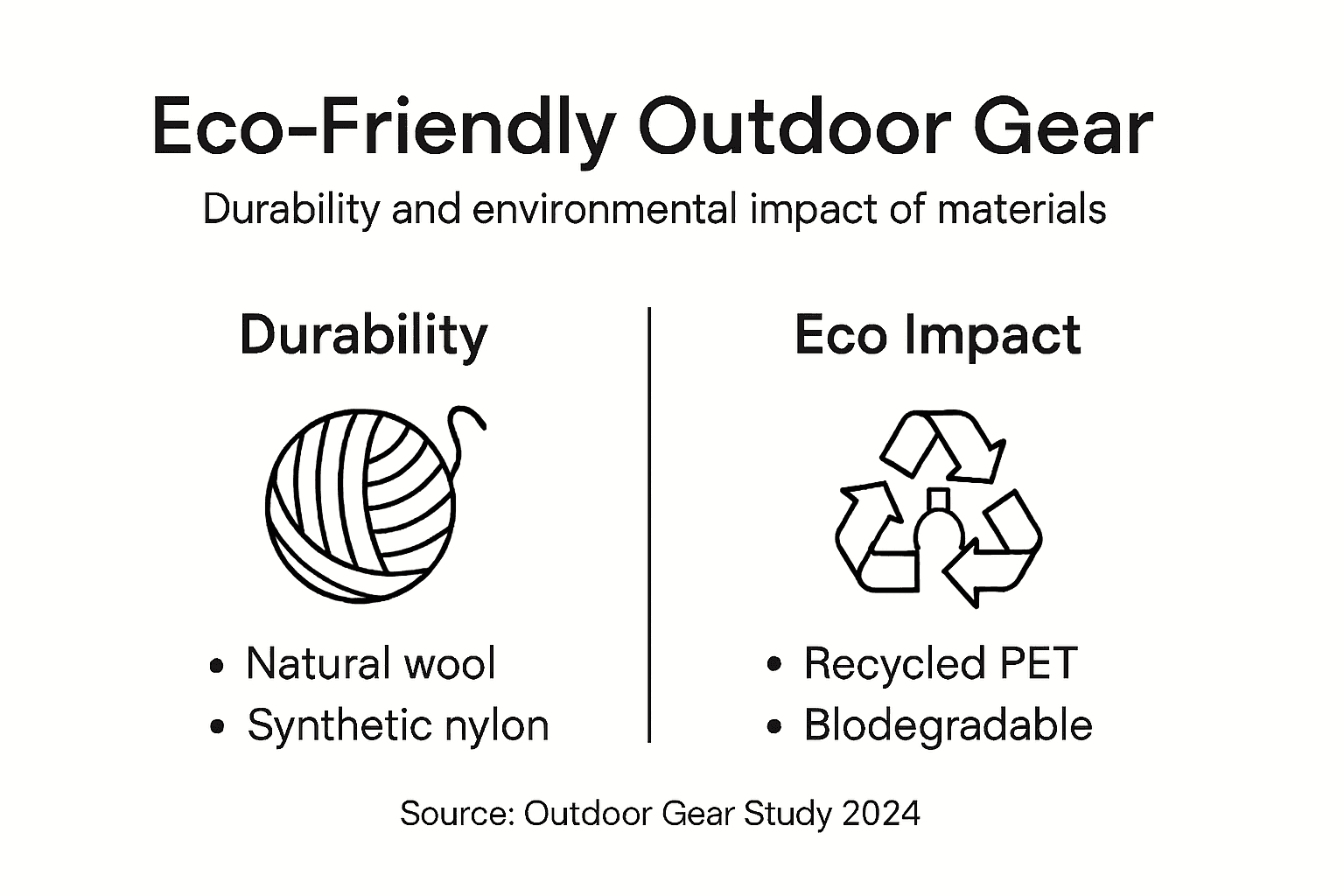
The most impactful eco-friendly innovations address material sourcing and production rather than simply swapping one petroleum-based material for another. Recycled polyester, made from plastic bottles and post-consumer textile waste, reduces demand for virgin petroleum and diverts waste from landfills, though the recycling process itself consumes energy and often requires chemical processing. Bio-based synthetics derived from plants like corn, sugarcane, or algae reduce fossil fuel dependency but often require agricultural land and pesticide use that creates new environmental problems. Regenerated fibers like Lyocell, made from wood pulp using closed-loop processes that recycle solvents and reduce water pollution, offer genuine sustainability advantages compared to conventional rayon production, though they still lack the durability of established synthetics. The research on circular product lifecycle models and sustainable textile development indicates that the most effective path forward combines material innovation with durability-focused design. A recycled polyester pack that lasts three years is worse for the environment than a conventional polyester pack lasting ten years because you'll eventually replace it, perpetuating resource consumption. The real environmental win comes from creating durable gear, regardless of material source, and designing products for disassembly and recycling at end of life.
Circular lifecycle approaches represent the biggest conceptual shift in sustainable gear design. Traditional gear manufacturing follows a linear path: extract raw materials, manufacture products, sell products, users dispose of worn gear in landfills or recyclers process it at massive cost and energy expense. Circular models reverse this process by designing gear for eventual recovery and remanufacturing. Some companies now offer repair services that extend product life, material exchange programs where customers return worn gear for proper recycling or remanufacturing, and design standards that facilitate disassembly so materials can be separated and reused. Modular design allows you to replace worn components rather than discarding entire items: replaceable pack straps, detachable rain shell linings, and reversible zippers that can be swapped when one side fails. These approaches cost more upfront because they require better engineering, supplier relationships, and logistics infrastructure. However, they fundamentally reduce environmental impact by extending the useful life of products and capturing materials for reuse. The critical question when evaluating eco-friendly gear isn't whether it uses recycled materials or sustainable sources, but whether it's designed to last longer than conventional alternatives and what happens to the product when it finally wears out.
Practical sustainability for outdoor enthusiasts doesn't require choosing between performance and environmental responsibility. Start by purchasing gear engineered for durability, which immediately reduces consumption regardless of material source. A synthetic pack that lasts a decade beats an eco-branded pack that fails after three seasons. Buy repair kits and learn basic fixes for common failures like torn seams or broken zippers, extending gear life by years. Choose gear from manufacturers who transparently discuss material choices, explain why specific materials appear in specific locations, and provide repair services or take-back programs. When buying new gear, investigate what happens to products after you're done with them. Can they be returned for recycling? Will the manufacturer refurbish and resell them? Or will your worn tent inevitably end up in a landfill? The most sustainable gear is the gear you already own. Before purchasing new equipment, exhaust repair and maintenance options. When replacement is unavoidable, prioritize durability over eco-marketing claims, understand the genuine environmental trade-offs of different materials, and support manufacturers advancing toward circular models rather than simply greenwashing traditional products.
Pro tip: Before assuming new eco-friendly gear is a better choice, calculate the environmental payback period by dividing the estimated additional environmental cost of the new product by the annual environmental savings from improved durability or reduced weight.
Choosing Materials for Pacific Northwest Conditions
The Pacific Northwest presents specific material challenges that differ fundamentally from desert hiking, alpine mountaineering, or tropical backpacking. Your region combines sustained moisture, temperature variability, dense vegetation, rocky terrain, and UV exposure that occurs even on overcast days. This unique combination means gear optimized for other environments might fail you precisely when you need it most. A rain jacket engineered for dry cold won't manage the clammy feel of persistent drizzle. A tent designed for desert sand won't shed mud and organic matter as effectively as one engineered for forest floors. Your pack needs different abrasion considerations than gear intended for alpine talus fields. Understanding which materials perform well in Pacific Northwest conditions means you can confidently evaluate new gear and avoid expensive mistakes from products that sound impressive but aren't engineered for your actual environment. The goal isn't finding perfect gear, because perfect doesn't exist. The goal is selecting materials matched to the specific demands you face on every trail.
Water management is the defining characteristic of Pacific Northwest outdoor conditions. Unlike rain in other regions that often comes in concentrated bursts, Pacific Northwest moisture arrives in sustained, horizontal sheets driven by consistent wind patterns. Your gear needs to shed active precipitation while simultaneously managing moisture vapor from your own body and ambient humidity. This requirement eliminates certain material choices entirely. Pure cotton absorbs water and retains it for hours, becoming heavy and losing insulation properties. Untreated wool wicks moisture but never truly dries in the persistent damp. Lightweight synthetic shells designed primarily for wind protection without waterproofing will soak through within minutes of exposure. Instead, you need polyester or nylon rain shells with quality membrane coatings that truly repel sustained rain. Your base layers should prioritize merino wool or technical synthetics designed for vapor transmission rather than moisture absorption. Your tent floor absolutely requires heavy denier nylon with waterproof coatings because you'll be setting up on muddy, wet ground where surface moisture constantly threatens. Tent interior fabrics should resist condensation buildup through tight weaves that prevent water droplet formation from accumulating on interior surfaces. Your pack body works best in densely woven synthetic materials that repel moisture while remaining breathable so your back doesn't become soaked from sweat accumulation under the pack.
Temperature regulation in Pacific Northwest conditions involves narrower ranges than alpine environments but more variability than lowland trails. Daytime temperatures might swing from 35 degrees Fahrenheit in dawn shadows to 55 degrees in afternoon sun. Your gear needs to accommodate this without requiring constant layer adjustments. This is where layering systems matter more than individual garments. A single synthetic jacket won't adapt as effectively as base layer, mid-layer insulation, and outer shell combinations that let you modulate warmth through strategic removal and addition. Merino wool excels here because its insulating properties remain functional even when slightly damp, unlike down or certain synthetic insulators. Your pack should use materials with minimal wind transmission but adequate vapor transport so sweat doesn't accumulate during climbing sections. Moisture interacting with temperature creates challenges that other regions don't face as intensely. An insulation layer that feels warm and dry in Colorado might feel clammy and cold in the Pacific Northwest because moisture is constantly present. Test gear in actual conditions before committing to major purchases. A jacket that feels adequate in a dry climate's cool morning might prove inadequate during sustained drizzle in your region.
Abrasion resistance takes on specific importance because Pacific Northwest trails feature dense brush, wet vegetation that increases friction, and muddy surfaces that don't simply slide across fabric like dry sand. Your pack exterior will encounter ferns with rough edges, wet blackberry branches that catch and pull, and moss-covered rocks that create friction without the clean sliding of exposed stone. This demands durable synthetic materials with tight weaves. Nylon with denier ratings between 500 and 1000 typically balances weight and durability optimally. Your tent also encounters specific abrasion from pine needles, forest debris, and organic material accumulation on tent floors. UV protection in the Pacific Northwest seems less critical because overcast skies reduce direct sun exposure, but this assumption is dangerous. High-altitude ridgeline hikes expose gear to intense UV despite cloud cover, and even lowland areas experience gradual UV degradation over seasons. Polyester resists UV damage significantly better than natural fibers, which is why it dominates outer shell fabrics. Your gear investments should prioritize materials selected specifically for sustained moisture exposure, moderate temperature ranges, and abrasion from dense vegetation rather than materials optimized for alpine or desert conditions.
Material selection for Pacific Northwest conditions requires honest evaluation of where you actually spend time and what specific challenges you encounter. Start by auditing your current gear and noting which pieces fail first and why. Do seams separate or does fabric tear? Does water penetration happen through the material or through compromised seams and zippers? Does condensation accumulate inside your tent? Does your pack handle wet branch impacts without tearing? Does your rain jacket feel clammy after sustained wear? These observations reveal whether your material problems stem from material choice or construction quality. Then evaluate new gear specifically for your conditions. Ask whether rain shells are engineered for sustained moisture or brief showers. Confirm that insulation remains functional when damp. Verify that tent fabrics actually shed mud rather than absorbing it. Check whether pack abrasion resistance comes from material durability or protective overlays that might wear away. The most expensive gear isn't always optimized for Pacific Northwest conditions. The best gear makes intentional material choices matched to your specific environment.
This summary shows material features to prioritize for Pacific Northwest gear:
| Gear Type | Key Material Requirement | Best Material Choice |
|---|---|---|
| Rain Shell | Waterproof & breathable | Polyester with membrane coating |
| Tent Floor | Abrasion & water resistance | Heavy denier nylon, sealed |
| Base Layer | Moisture regulation & warmth | Merino wool or technical synthetics |
| Backpack Body | Abrasion & moisture control | Densely woven synthetic fabric |
Pro tip: Before buying new gear, test it in actual Pacific Northwest conditions during a short day hike with deliberate wet exposure rather than waiting for sustained overnight trips to discover whether materials perform as advertised.
Discover Outdoor Gear That Matches Your Durability and Eco Needs
Choosing the right outdoor gear for Pacific Northwest conditions means understanding the real strengths and weaknesses of materials like nylon, polyester, and merino wool. If you have faced gear that fails under sustained rain or struggles with abrasion or are concerned about the environmental impact of your equipment, you are not alone. Life Camp Adventure understands these challenges and prioritizes durable, thoughtfully designed gear that performs where it counts without compromising on sustainability.
Explore our selection of adventure-ready camping equipment and essentials crafted with materials proven to withstand rugged trails and wet environments. Visit Life Camp Adventure today and equip yourself with gear that balances long-lasting durability, comfort, and eco-conscious design. Your journey deserves gear built for the Pacific Northwest and designed to elevate every outdoor experience.
Frequently Asked Questions
What is the difference between waterproof and water-resistant materials?
Waterproof materials have a defined barrier that prevents water penetration entirely, while water-resistant materials can repel light rain but may eventually soak through under sustained pressure.
How do natural fabrics like merino wool compare to synthetic fabrics in outdoor gear?
Natural fabrics excel at temperature regulation and moisture vapor management, while synthetic fabrics often provide superior durability, water resistance, and quicker drying times.
What factors affect the durability of outdoor gear materials?
Durability is influenced by fiber selection, construction methods, weave structure, and the specific performance characteristics tailored to the intended environment and use case.
How can I choose eco-friendly outdoor gear materials?
Look for gear made from recycled fibers, bio-based materials, or those designed for durability and circular life cycles, ensuring they can be repaired or recycled at the end of their life.
