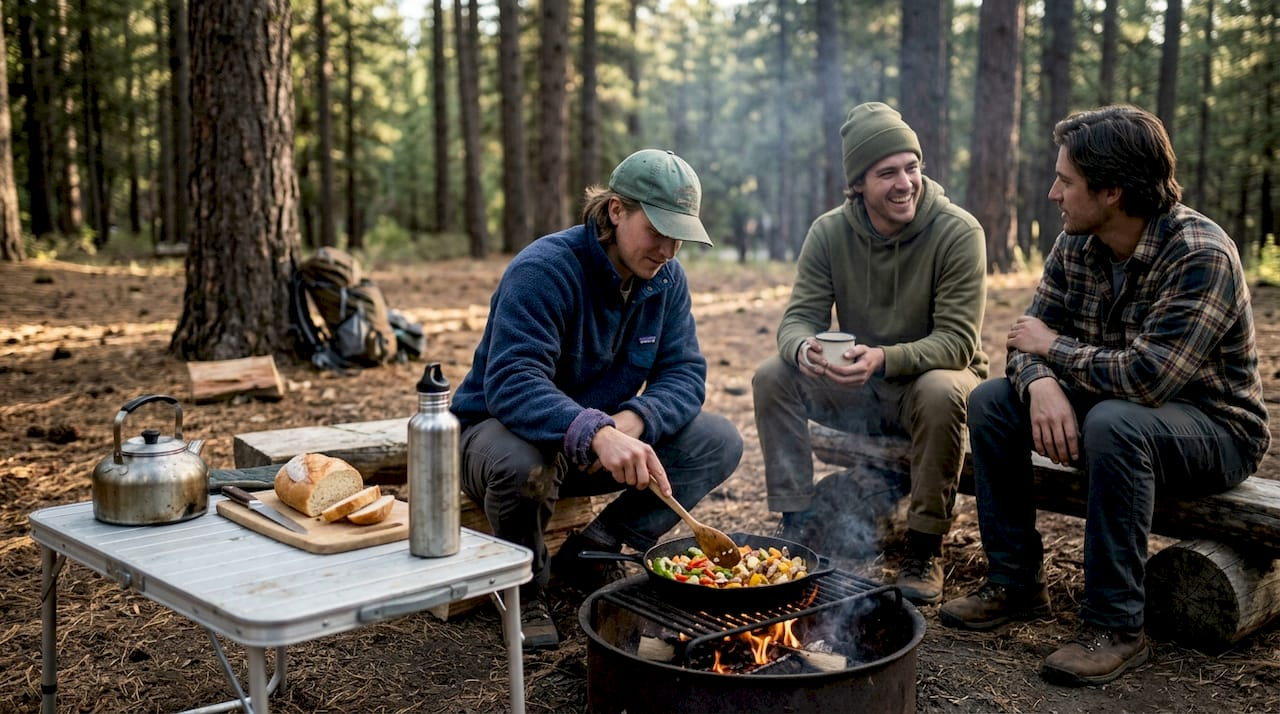
Preparing meals outdoors can transform any camping trip or backyard gathering into a memorable culinary adventure, but it comes with unique challenges. From managing limited equipment to dealing with unpredictable weather, outdoor cooking requires different skills than kitchen cooking. Whether you're a seasoned camper or planning your first trail meal, mastering essential techniques makes the difference between frustrating meal prep and enjoyable outdoor dining. This guide shares practical tips to help you cook confidently in any outdoor setting, ensuring your meals are both delicious and stress-free.
Key Takeaways
| Point | Details |
|---|---|
| Right equipment matters | Choosing lightweight, durable gear tailored to your activity speeds meal prep and reduces safety risks. |
| Meal prep ahead | Plan simple one pot meals and pre measure ingredients at home to cut cooking time and pack weight. |
| Safe fire practices | Use reliable fire starters, control flames, and follow guidelines to prevent accidents and ensure consistent cooking results. |
| Safe food storage | Airtight moisture resistant containers protect meals from wildlife and weather while preventing cross contamination. |
| Outdoor friendly recipes | Choose simple five ingredient or fewer one pot recipes to minimize prep and cooking time. |
Essential outdoor cooking equipment and tools
Choosing the right equipment forms the foundation of successful outdoor cooking. Your gear selection should match your specific activity, whether you're backpacking miles into the wilderness or setting up a base camp. Lightweight, durable cookware enhances outdoor cooking efficiency, making meal preparation faster and more enjoyable.
For backpacking and hiking, prioritize compact, multi-purpose items. A single pot that nests with a small pan saves pack space while providing cooking versatility. Look for titanium or hard-anodized aluminum cookware that balances weight with durability. Car camping allows heavier cast iron skillets and larger pots that deliver superior heat distribution.
Your essential toolkit should include these core items:
- A reliable fixed-blade or folding outdoor knife for food prep and general camp tasks
- Fire-starting tools like waterproof matches, lighters, and ferro rods as backup
- Heat-resistant utensils designed for outdoor cooking surfaces
- Portable grill grates or cooking tripods for campfire cooking
- Biodegradable soap and scrubbing tools for cleanup
- Cutting boards that double as serving plates
Consider your essential camping gear types holistically, ensuring cooking equipment integrates with your shelter, sleeping, and storage systems. A compact camp stove provides reliable heat regardless of fire restrictions or wet conditions.
Pro Tip: Invest in tools with multiple functions, like a spork that combines spoon and fork or a pot with a built-in strainer lid, to minimize weight and maximize pack efficiency.
Preparing and packing meals for outdoor cooking
Meal prep and packing strategies significantly improve cooking ease and food enjoyment when you're miles from your kitchen. Planning meals around simple recipes with minimal ingredients reduces both pack weight and cooking time at camp.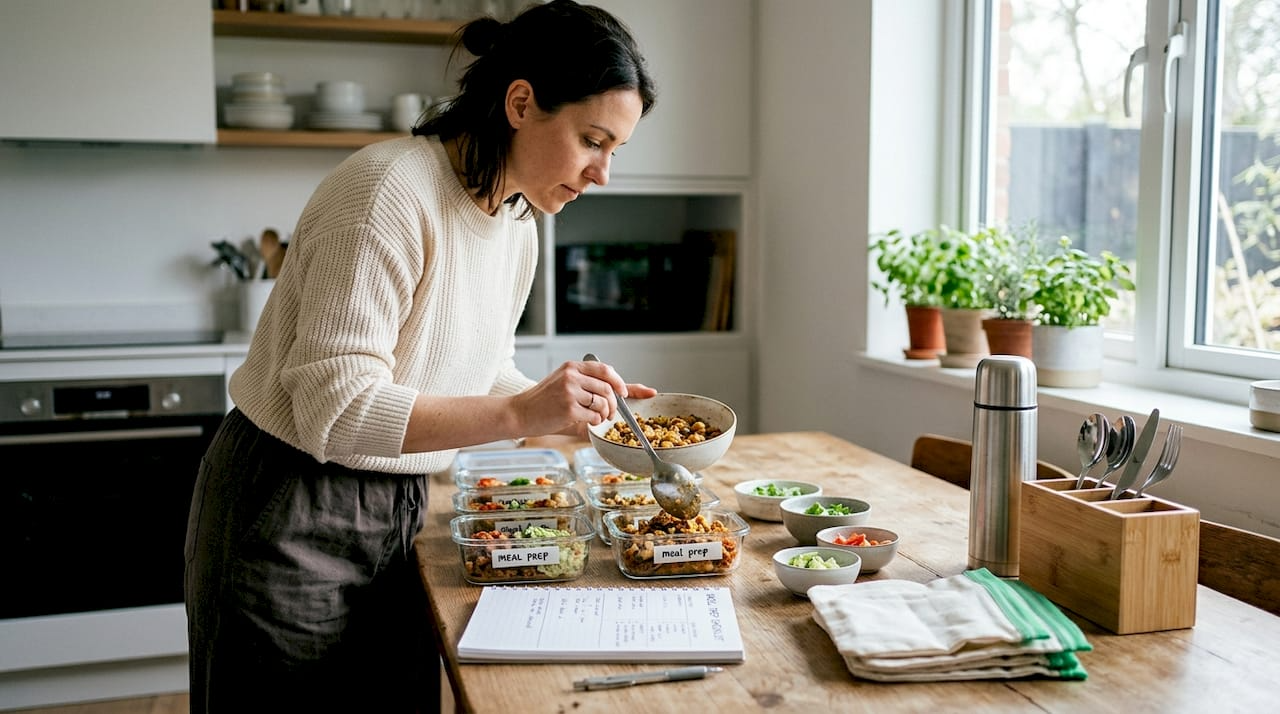
Start by selecting recipes that require five ingredients or fewer and can cook in one pot. Pre-measure dry ingredients like rice, pasta, and spices into labeled bags or containers at home. This eliminates bulky packaging and speeds up meal assembly outdoors. For proteins, consider pre-cooking chicken or beef at home, then vacuum-sealing portions for quick reheating.
Follow these preparation steps for optimal organization:
- Create a detailed meal plan for each day, including snacks and contingency meals
- Prep vegetables by washing, chopping, and storing in airtight containers
- Combine dry ingredients for each recipe into individual bags labeled with cooking instructions
- Freeze marinades in bags with proteins for gradual thawing during travel
- Pack ingredients in reverse order, placing first-day meals on top for easy access
- Use hard-sided containers for delicate items like eggs or bread
Airtight, moisture-resistant containers protect food from wildlife and weather while preventing cross-contamination. Silicone bags work well for liquids and semi-solids, while rigid containers protect fragile items. Your efficient backpacking meal prep approach should balance nutrition with pack weight.
Pro Tip: Pre-cook rice, quinoa, or pasta at home and store in portioned bags, then simply reheat with sauce or vegetables at camp to cut cooking time in half.
Fire and cooking safety best practices
Proper fire safety and cooking practices prevent common outdoor accidents that can quickly ruin an adventure. Selecting the right cooking location starts with checking local regulations, as many areas restrict open fires during dry seasons or prohibit them entirely.When building a cooking fire, clear a 10-foot diameter area down to mineral soil, removing all flammable materials like dry grass, leaves, and overhanging branches. Position your fire downwind from tents and gear, and always keep water or sand nearby for emergency extinguishing. Never leave fires unattended, even briefly.
Key safety practices include:
- Keep a dedicated fire-watching person when cooking over open flames
- Maintain stable cooking surfaces using rocks or commercial grill grates
- Store fuel sources like propane canisters away from heat and direct sunlight
- Use long-handled utensils to maintain safe distance from flames
- Extinguish fires completely by drowning with water and stirring until cold to touch
- Pack out all trash, including food scraps that attract wildlife
Food safety requires equal attention in outdoor settings. Wash hands with biodegradable soap before handling food, or use hand sanitizer when water is scarce. Keep raw meats separate from ready-to-eat foods, and cook proteins to safe internal temperatures. Store perishables in coolers with ice, maintaining temperatures below 40°F.
"The wilderness doesn't forgive careless fire management. A properly extinguished fire feels cold to the touch and shows no smoke or heat, protecting forests and fellow adventurers from devastating wildfires."
Apply easy outdoor entertaining tips to create safe, enjoyable cooking zones that keep guests comfortable while you prepare meals. Designate separate areas for food prep, cooking, and dining to maintain organization and cleanliness.
Choosing recipes and foods ideal for outdoor cooking
Certain foods and recipes better suit outdoor cooking conditions with ease and taste, making meal selection a critical planning step. Foods that store well without refrigeration and cook quickly over variable heat sources deliver the best outdoor cooking results.Foil packet meals, one-pot dishes, and grilled options each offer distinct advantages for different camping scenarios:
| Cooking method | Best for | Advantages | Ideal recipes |
|---|---|---|---|
| Foil packets | Individual portions, minimal cleanup | Self-contained, customizable, easy cleanup | Chicken and vegetables, fish with herbs, breakfast burritos |
| One-pot meals | Group cooking, base camps | Efficient fuel use, feeds many, simple prep | Chili, pasta dishes, stews, rice bowls |
| Grilled foods | Quick cooking, fresh ingredients | Fast cooking, great flavor, interactive | Skewers, burgers, vegetables, quesadillas |
Balance nutrition, taste, and cooking simplicity by selecting ingredients that serve multiple purposes. Tortillas work for breakfast wraps, lunch sandwiches, and dinner quesadillas. Canned beans provide protein and fiber without refrigeration. Pre-seasoned or marinated ingredients eliminate the need to pack multiple spice containers.
Quick and easy outdoor-friendly recipes include:
- Breakfast scramble with pre-cooked sausage, eggs, and cheese in a single pan
- Trail mix energy bars made from oats, nuts, and dried fruit
- Grilled vegetable and halloumi skewers with pre-made marinade
- Instant ramen upgraded with freeze-dried vegetables and jerky
- Campfire nachos layered in a cast iron skillet
- No-cook wraps with hummus, vegetables, and cured meats
Dried and dehydrated foods offer excellent shelf stability and minimal weight. Instant mashed potatoes, dried soups, and freeze-dried meals rehydrate quickly with boiling water. Fresh produce like apples, oranges, and carrots withstand days without refrigeration, adding vital nutrients and crunch to outdoor meals.
Explore life camp adventure for expert outdoor gear and tips
Now that you understand essential outdoor cooking techniques, having the right gear makes implementing these strategies effortless. Life Camp Adventure specializes in high-quality equipment designed specifically for outdoor enthusiasts who demand reliability and performance in challenging conditions.
Our comprehensive camping tents comparison helps you select shelters that complement your cooking setup, while our expert reviews cover everything from cookware to fire-starting tools. We understand why choosing camping equipment matters, testing products in real-world conditions to ensure they meet adventurer needs. Browse our best camping gear comparison to discover top-rated products across categories:
- Lightweight cookware sets engineered for backpacking efficiency
- Durable camp stoves with reliable ignition systems
- Food storage solutions that keep wildlife out and freshness in
- Multi-tools and knives designed for outdoor food preparation
- Comprehensive gear guides with expert tips and recommendations
Whether you're planning a weekend camping trip or a month-long expedition, our curated selection and detailed guides help you make informed decisions that enhance every outdoor cooking experience.
FAQ
What equipment is essential for beginners in outdoor cooking?
Beginners should start with basic cookware like a durable pot and pan, reliable fire-starting tools such as waterproof matches and a lighter, and a quality outdoor knife for food preparation. Choosing versatile, lightweight gear from essential camping gear types ensures a smoother learning experience without overwhelming your pack. A simple camp stove provides consistent heat while you build confidence with campfire cooking.
How can I keep food safe and fresh when cooking outdoors?
Use airtight containers and well-insulated coolers with sufficient ice to maintain temperatures below 40°F for perishable items. Plan meals that require minimal perishable ingredients, focusing on shelf-stable options like canned goods, dried foods, and hardy vegetables that withstand temperature fluctuations. Store raw meats separately from other foods, and consume the most perishable items during your first day outdoors.
What are quick meal ideas for camping or hiking trips?
Foil packet meals with protein and vegetables, grilled skewers with pre-marinated ingredients, and one-pot dishes like pasta or rice bowls cook quickly with minimal cleanup. Pre-prepared ingredients such as chopped vegetables, pre-cooked grains, and portioned spices dramatically reduce prep complexity at camp. Explore easy camping food ideas for family-friendly recipes that satisfy hungry adventurers without requiring culinary expertise.
How do I cook safely over an open campfire?
Build fires only in designated areas or fire rings, clearing a 10-foot radius of flammable materials and keeping water nearby for emergencies. Use stable cooking surfaces like grill grates or tripods to prevent spills, and never leave fires unattended while cooking. Extinguish fires completely by drowning with water, stirring ashes, and repeating until everything feels cold to the touch, ensuring no hidden embers remain.
What foods travel best for outdoor cooking adventures?
Hardy vegetables like potatoes, carrots, and onions, along with shelf-stable proteins such as canned beans, jerky, and vacuum-sealed meats, withstand travel without refrigeration. Dried goods including pasta, rice, oats, and dehydrated meals offer excellent nutrition-to-weight ratios for backpacking trips. Fresh fruits like apples and oranges provide natural packaging and last several days, while hard cheeses remain safe longer than soft varieties in cooler conditions.
