TL;DR:
- Multi-day trekking demands sustained physical effort and mental resilience over changing conditions.
- Proper gear systems, layering, training, and safety planning are crucial for success and safety.
- Rest days and system testing help manage fatigue and improve overall trekking experience.
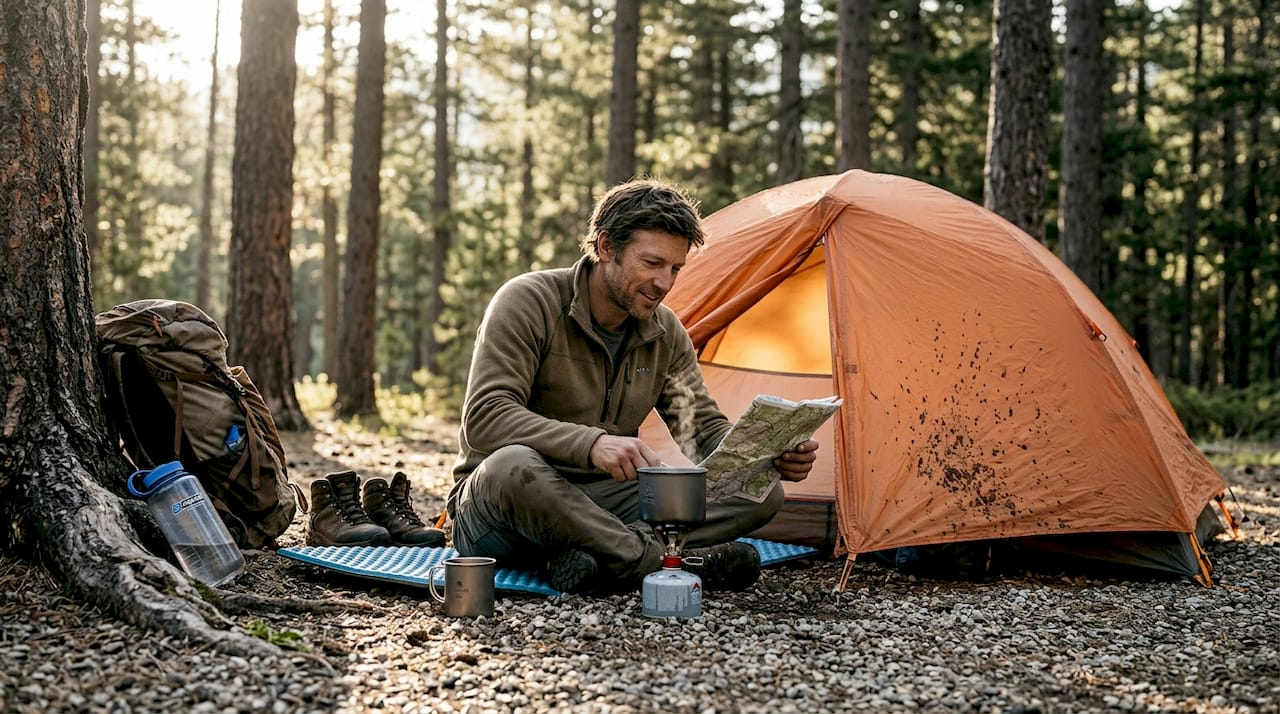
Multi-day trekking is not just walking longer. It's a sustained physical and mental challenge across changing terrain, weather, and fatigue levels that compound every single day. Poor preparation leads to high rescue rates in the backcountry, and the gap between a rewarding adventure and a dangerous ordeal often comes down to planning. At Life Camp Adventure, we've put together this guide to walk you through core principles, gear systems, physical preparation, and safety strategies that make multi-day treks not just survivable, but genuinely great experiences.
Key Takeaways
| Point | Details |
|---|---|
| Systems matter most | Prioritize a layered gear system and safety redundancies over individual items for trek reliability. |
| Physical prep is critical | Train for endurance and pack weight, and plan nutrition to meet the high energy demands of multi-day hiking. |
| Safety comes first | Bring backup navigation and water purification methods for unpredictable weather or remote emergencies. |
| Build in rest | Plan periodic rest days and test gear to prevent fatigue and maintain trekking enjoyment. |
Core principles of multi-day trekking
Multi-day trekking means hiking consecutive days through wilderness while carrying everything you need. That includes shelter, food, water, clothing, and navigation tools. You're not returning to a car or lodge at the end of the day. Every choice you make in the morning affects how you feel at mile ten.
The physical variables are significant. Daily distances range from 5 to 15 miles with pack weights of 10 to 40 lbs, shaped by elevation gain, terrain, and trip length. A three-day beginner outing feels nothing like a two-week alpine traverse, even if the daily mileage looks similar on paper. Elevation gain and loss, trail surface, altitude, and temperature all stack up.
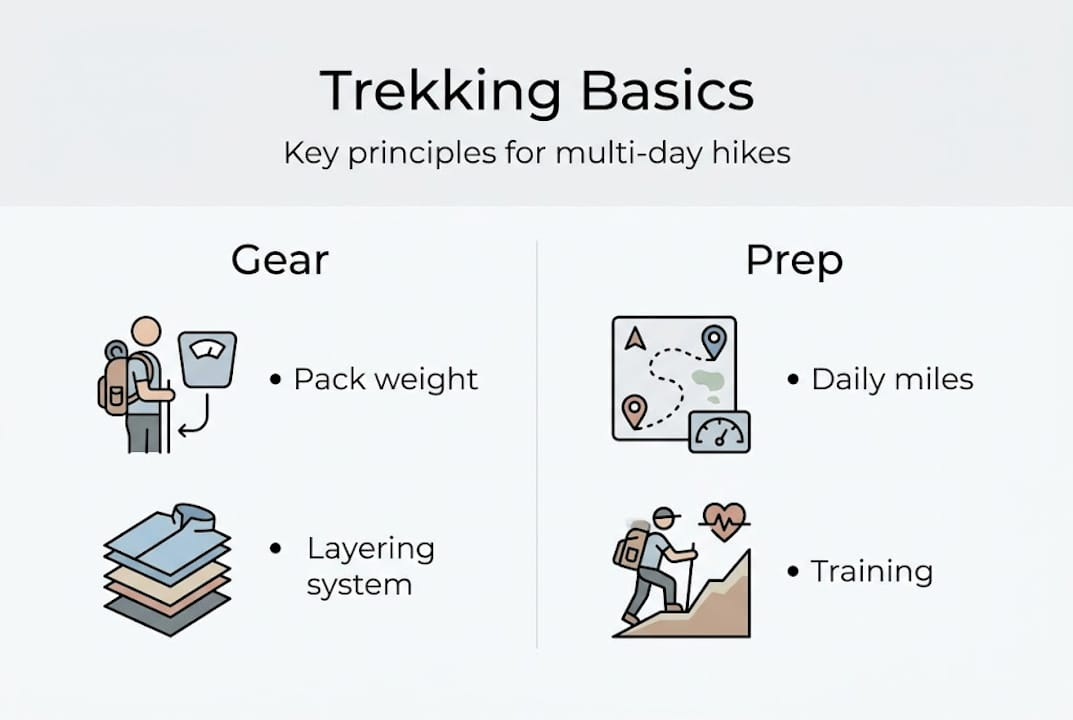
Here's how these variables typically break down:
| Trek length | Daily distance | Pack weight | Elevation change |
|---|---|---|---|
| 3 days | 5 to 8 miles | 20 to 30 lbs | 500 to 1,500 ft |
| 5 to 7 days | 8 to 12 miles | 25 to 40 lbs | 1,000 to 3,000 ft |
| 2+ weeks | 10 to 15 miles | 30 to 50 lbs | 2,000 to 5,000+ ft |
The mental side is where most hikers get caught off guard. Cumulative fatigue builds across days. What felt manageable on day one becomes heavy on day four. Isolation, weather shifts, and small physical discomforts like blisters or sore shoulders can erode motivation fast. That's why smart preparation includes mental rehearsal alongside physical training.
Key physical and mental demands to expect:
- Sustained aerobic output for 6 to 10 hours daily
- Load-bearing stress on joints, especially knees and ankles
- Decision-making under physical fatigue
- Adapting to unpredictable weather
- Managing motivation during low-energy stretches
For newer trekkers, starting with smart day hike packing is a smart entry point before committing to multi-day routes. And if you want a broader overview of planning, our backpacking trip tips cover the full planning spectrum.
"The biggest mistake beginners make is treating multi-day trekking like a longer day hike. It's a different discipline entirely."
Essential gear and layering systems
Gear makes or breaks a multi-day trek. Not because the fanciest equipment protects you, but because the right systems do. One waterproof shell and a poor base layer can leave you colder than a well-chosen mid-layer setup that costs half as much.
The layering system covers base, mid, and shell for temperature regulation, moisture control, and wind and rain protection. Each layer has a specific job. Strip that thinking down:
- Base layer: Moves sweat away from skin. Merino wool or synthetic, never cotton.
- Mid layer: Traps body heat. Fleece or insulated jacket depending on temperature.
- Shell layer: Blocks wind and rain. Waterproof and breathable membranes matter here.
Why does this beat traditional hiking clothing? A single heavy jacket can leave you drenched in sweat on an uphill and freezing on a ridge. Layering lets you adjust as conditions change, which they always do on multi-day routes.
| System | Temperature control | Moisture management | Adaptability |
|---|---|---|---|
| Layering system | Excellent | Excellent | High |
| Traditional hiking clothing | Moderate | Poor | Low |
Beyond clothing, your main equipment categories should include:
- Shelter: Lightweight tent or tarp with good condensation management
- Food: High-calorie, low-weight meals and snacks
- Water treatment: Filter, chemical tablets, and boiling as backups
- Navigation: Printed map, compass, and GPS device
- First aid: Blister treatment and emergency supplies
For detailed guidance on layering for comfort in varied conditions, or to understand layering for safety in cold and wet environments, those resources go deep on the reasoning behind each choice. If you're new to the concept, our breakdown of camping clothing layering is a great place to start.
Pro Tip: Borrow or rent gear before buying anything new. A borrowed pack on a shakedown hike will tell you more than any review. Also, place your heaviest food at the bottom of your pack closest to your back. It shifts your center of gravity down and reduces shoulder strain dramatically.
Training, nutrition, and physical preparation
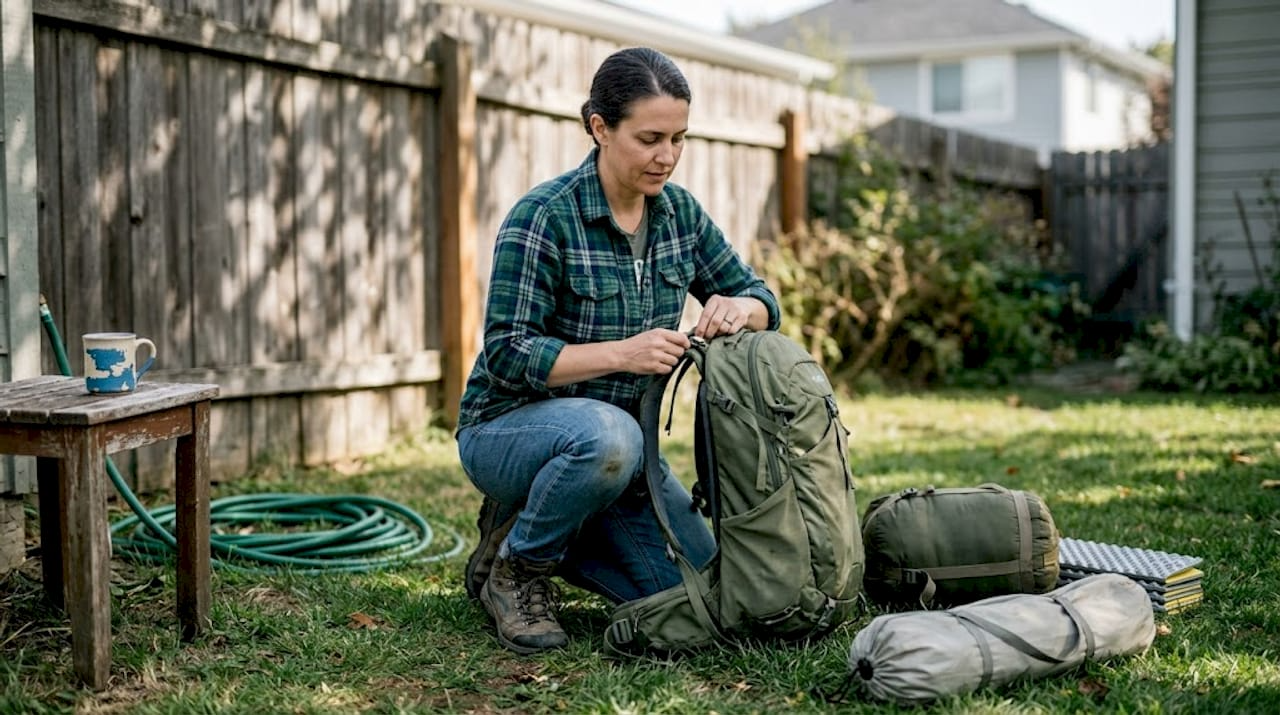
You can have the best gear on the market and still suffer through a trek if your body isn't ready. Physical preparation is just as important as what's in your pack.
Training should cover aerobic fitness, lower body strength, and core stability, along with shakedown hikes to simulate real conditions. Here's a step-by-step approach:
- Build aerobic base: Walk or hike 4 to 5 days per week, increasing duration weekly over 8 to 12 weeks.
- Strengthen lower body: Squats, lunges, and step-ups prepare knees and hips for heavy loads and elevation.
- Develop core stability: Planks and single-leg exercises improve balance on uneven terrain.
- Do loaded hikes: Practice with your full pack at least 3 to 4 times before your trip.
- Plan a shakedown hike: One overnight trip with all your gear reveals fit issues, hotspots, and missing items.
- Schedule rest: Build a rest day into every 3 to 4 training days.
Nutrition is the other pillar. Calorie needs on trek run from 2,500 to 4,500 per day, depending on intensity and body size. That's a lot to pack without adding excessive weight. Focus on calorie-dense, lightweight foods like nut butters, dried fruit, jerky, instant oats, and freeze-dried meals.
and building in rest days prevents the 90% of day-to-day fatigue issues that hit on extended treks. Your pack gets lighter as the days pass, which is a nice psychological and physical bonus.Our backpacking meal prep guide covers calorie planning in practical detail, and if you want a broader readiness picture, the backpacking preparation guide ties training and planning together.
Pro Tip: Add one rest day per every three to four days of trekking into your itinerary. Don't wait until you're exhausted to take one. Planned rest is more effective than reactive rest.
Navigation, water, and outdoor safety essentials
Physical fitness and good gear get you out there. Navigation, water management, and safety protocols keep you safe when things get complicated.
Redundancy in navigation and water treatment is critical for edge cases like storms, injury, or trail washouts. No single tool should be your only option.For navigation:
- Always carry a printed topographic map of your route
- Bring a baseplate compass and know how to use it without GPS
- Use a GPS device as your primary tool and the map as your backup
- Mark waypoints before you leave, not when you're confused on trail
For water:
- A pump or squeeze filter handles most conditions
- Chemical tablets like iodine or chlorine dioxide are a lightweight backup
- Boiling works when you have fuel and time
- Never assume a water source is clean, even if it looks clear and fast-moving
For safety, follow these protocols:
- File a trip plan with a trusted contact before departure
- Carry a personal locator beacon on remote routes
- Know the signs of hypothermia and heat exhaustion
- Mark your turnaround time and stick to it regardless of progress
- Carry a whistle, emergency bivy, and headlamp as non-negotiables
Our detailed guide on water purification outdoors covers each method in depth. If you want to understand filter selection specifically, water filtration for trekkers is worth reading before your trip. For route planning beyond cell service, see our off-grid backpacking planning resource.
Pro Tip: On any route longer than two days, carry two water treatment methods. Filters can freeze, clog, or crack. Chemical tablets weigh almost nothing and can save the trip.
A deeper perspective: what most guides miss about multi-day trekking
Most gear guides give you a checklist. Pack this, wear that, bring these calories. That's useful, but it misses the actual challenge of multi-day trekking, which is systems thinking under stress.
Here's what experience teaches: focusing on systems over individual items means every piece of your kit works together as one reliable unit, not a collection of good-looking products. A $400 pack fails if your hip belt doesn't fit. A $200 rain jacket fails if your base layer holds moisture.
Cumulative fatigue is the factor that surprises people most. A trail that looks easy on paper on day one feels brutal on day five. Weather compounds that. A wet morning on day three of seven is demoralizing in a way a single rainy day hike never is. Planning rest days is not weakness. It is the single most underrated strategy in extended trekking.
"The difference between a miserable trek and a great one is usually not gear quality. It's whether you planned rest, tested your systems, and accepted the weather."
Test your gear in real conditions before you rely on it. Wear your boots for 40 miles before your trip. Set up your tent in rain. Use your stove in the wind. Reviews tell you what other people experienced. Your body and your conditions will tell you the truth.
For more planning frameworks that go beyond the basics, our advanced trek planning tips are built around this systems-first mindset.
Find the right gear and expert support for your next trek
You now have the foundation: the principles, the gear systems, the training approach, and the safety protocols that turn a planned trek into a successful one. The next step is matching that knowledge to the right equipment.
At Life Camp Adventure, we've done the comparison work so you don't have to start from scratch. Browse our must-have camping gear guide to see what category of equipment matters most for your specific route. Check the outdoor survival checklist to make sure nothing critical gets left behind. And when you're ready to choose between specific products, our camping gear comparison breaks down top options across categories so you can make a confident, informed call.
Frequently asked questions
How long does a typical multi-day trek last?
Most multi-day treks last anywhere from three days to several weeks depending on route and goals. Trip length affects pack weight and daily mileage significantly, so planning your duration before choosing your gear matters.
What is the most important gear for a successful multi-day trek?
A layered clothing system, water treatment, and navigation tools are the three non-negotiables for safety and comfort across changing conditions.
How do you train for multi-day trekking?
Train aerobic fitness, lower body strength, and core stability, then do loaded shakedown hikes to identify any issues with fit and systems before your actual trip.
What should you do if you run out of water on a trek?
Always carry a backup purification method because redundancy in water treatment prevents a bad situation from becoming an emergency. Know your next water source before you leave each campsite.
How can you reduce fatigue during a multi-day trek?
Eat heaviest foods early and build in rest days from the start of your itinerary. Testing your gear and systems before your trip also removes the energy drain of dealing with unexpected problems on trail.
