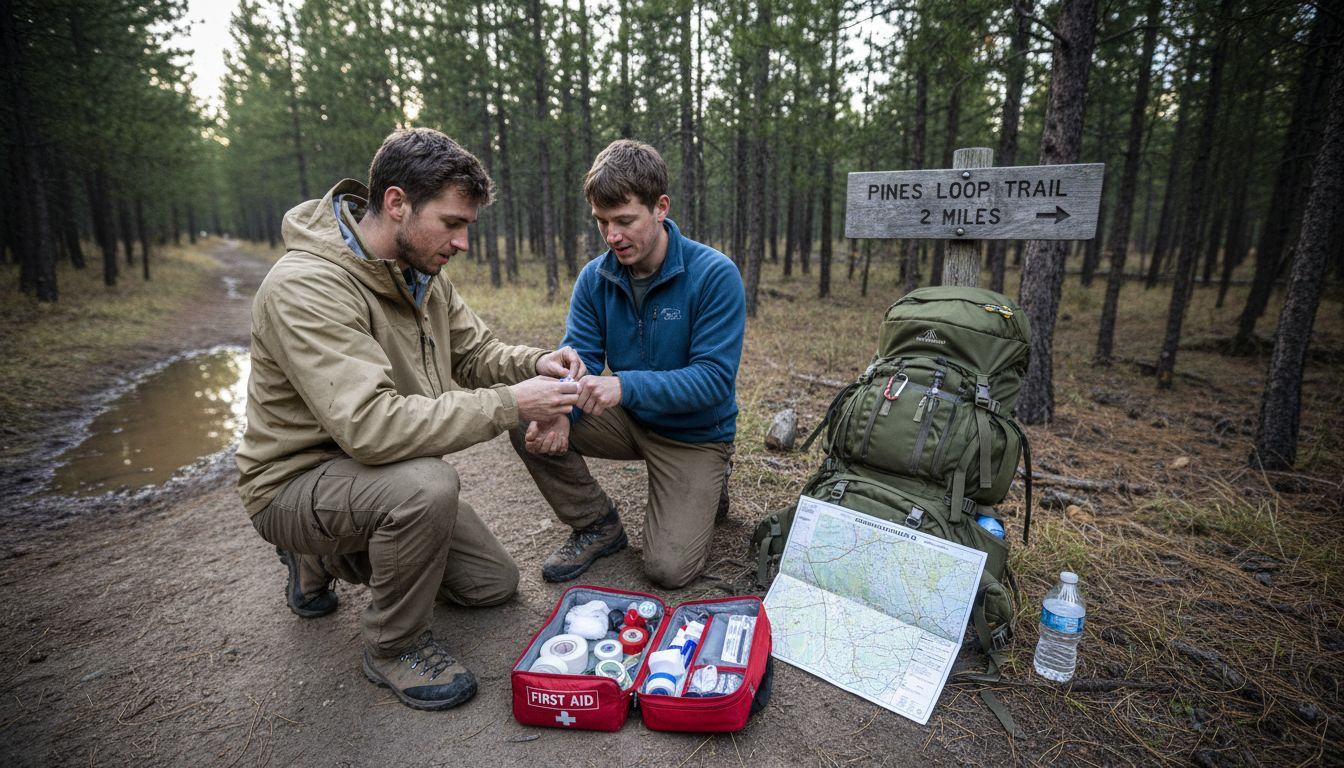
You're two hours into a backcountry hike when a companion twists an ankle on loose rocks. The nearest hospital is miles away, and emergency response times average 30 minutes to several hours in wilderness areas. Without immediate first aid knowledge, minor injuries quickly escalate into serious complications. This guide teaches you essential treatment steps to manage common outdoor emergencies confidently until professional help arrives.
Key takeaways
| Point | Details |
|---|---|
| Immediate action matters | Proper first aid in wilderness scenarios prevents minor injuries from becoming severe complications while awaiting rescue. |
| Preparation is essential | A customized, well-stocked first aid kit with antiseptics, bandages, and tools ensures readiness for trip-specific emergencies. |
| Master core techniques | Key treatments include wound cleaning, R.I.C.E for sprains, and managing bleeding or shock safely. |
| Avoid critical mistakes | Common errors like delayed treatment or overly tight bandaging worsen outcomes and delay recovery. |
| Know your limits | Recognize when injuries exceed first aid capabilities and require immediate professional medical intervention. |
Prerequisites: what you need before you start
Before heading outdoors, you need proper equipment and knowledge to handle emergencies effectively. A well-stocked first aid kit including bandages, antiseptics, pain relievers forms your foundation. Your kit should contain adhesive bandages in multiple sizes, sterile gauze pads, antiseptic wipes, antibiotic ointment, elastic bandages, tweezers, scissors, disposable gloves, pain relievers, and a waterproof container.
Waterproofing protects supplies from moisture damage during river crossings or rain. Regularly checking and replenishing first aid kits based on trip type significantly improves preparedness. Customize your supplies for trip duration, group size, and known medical conditions among participants.
| Trip Type | Duration | Group Size | Recommended Kit |
|---|---|---|---|
| Day hike | 4-8 hours | 1-4 people | Basic pre-made kit with essentials |
| Weekend camping | 2-3 days | 4-8 people | Enhanced custom kit with extra bandages, medications |
| Multi-day backpacking | 5+ days | Any size | Comprehensive custom kit with splints, advanced supplies |
Invest time in basic wilderness first aid training before your trip. Learning wilderness first aid skills reduces injury complications and improves rescue outcomes. Courses teach you to assess injuries, prioritize treatments, and adapt techniques when standard medical equipment isn't available.
Maintain your kit with these practices:
- Check all contents before every trip to verify supplies aren't expired or damaged
- Replenish used items immediately after returning home
- Tailor supplies to match specific activities like rock climbing or water sports
- Store kits in easily accessible locations during outdoor activities
- Review first aid kits outdoors guidelines annually
Understanding what is outdoor survival helps you prepare mentally for emergencies. Include a camping first aid kit checklist in your hiking essentials list to ensure nothing gets forgotten.
Pro Tip: Carry compact, multi-use items like sterile gloves that protect against infection during wound care and bandages sized for various injuries from small cuts to large abrasions.
Core steps: treating common outdoor injuries
Common injuries like cuts, scrapes, sprains, and insect bites happen frequently on trails. Follow these steps to manage them effectively.
- Assess the scene for ongoing dangers like unstable terrain or wildlife before approaching the injured person.
- Put on disposable gloves to prevent infection transmission between you and the victim.
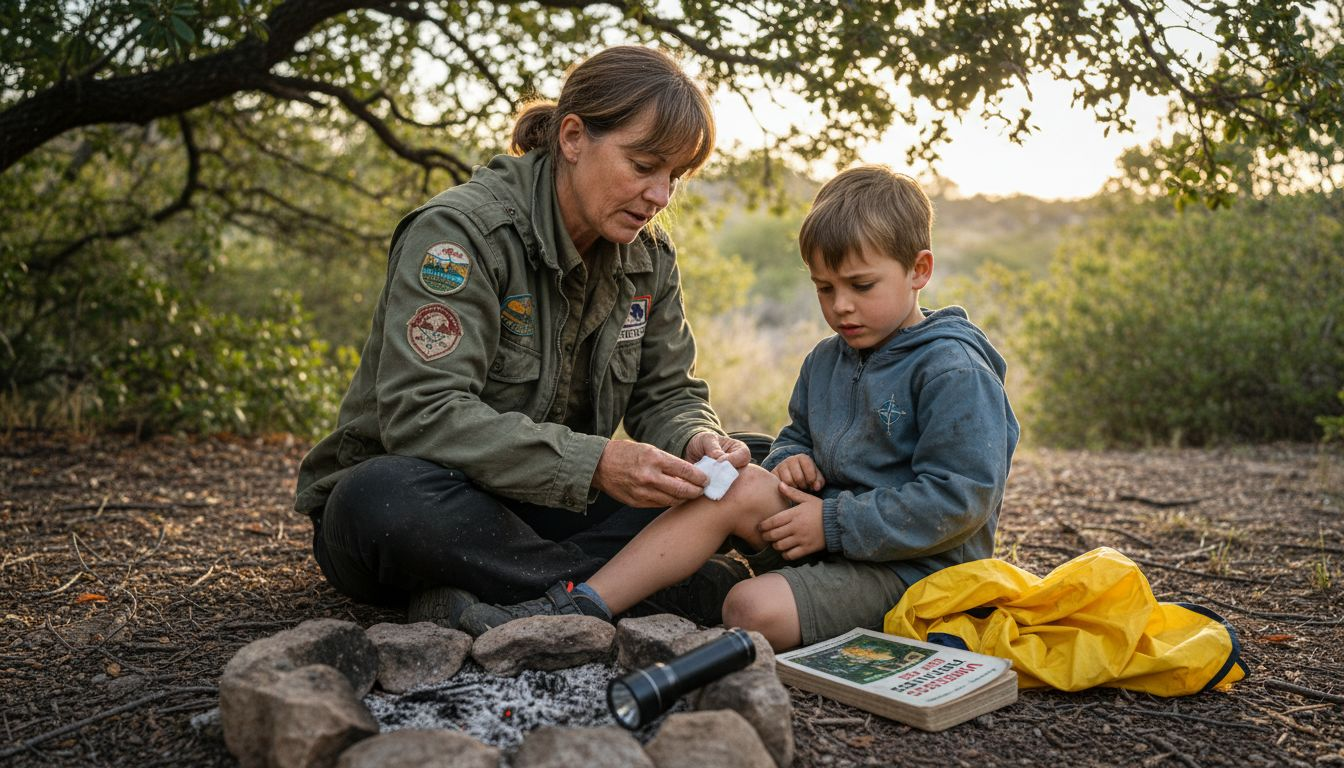
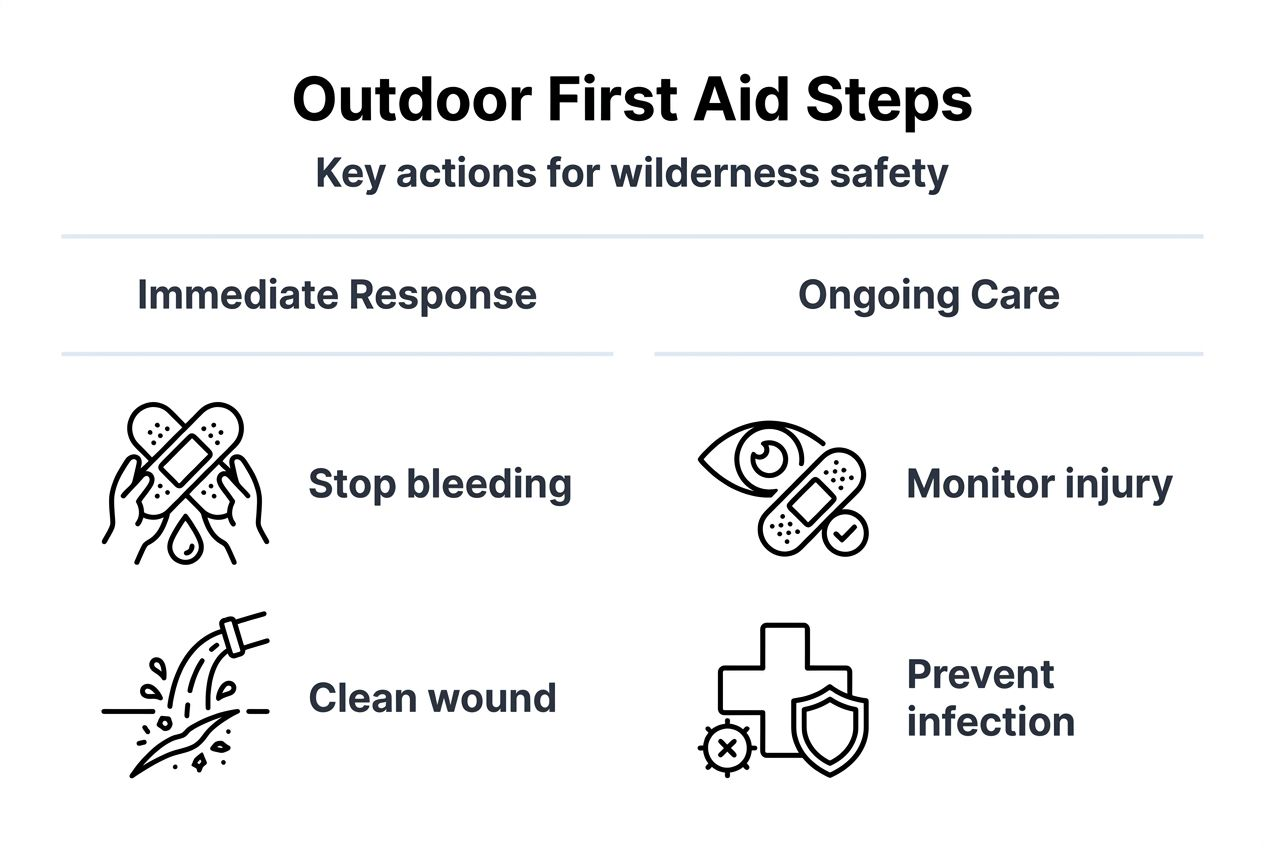
- Stop bleeding by applying firm, direct pressure with sterile gauze or clean cloth for several minutes.
- Clean wounds immediately using antiseptic wipes or sterile saline to remove dirt and bacteria.
- Apply antibiotic ointment to prevent infection, then cover with sterile bandages.
- Secure dressings snugly but never so tight they restrict blood flow or cause numbness.
For sprains and strains, the R.I.C.E method reduces swelling and pain in outdoor settings:
- Rest the injured area immediately to prevent further damage.
- Ice the injury using cold packs or snow wrapped in cloth for 15 to 20 minutes every 2 to 3 hours.
- Compress with elastic bandages, wrapping from the extremity toward the heart without excessive tightness.
- Elevate the injured limb above heart level whenever possible to reduce swelling.
Treat other common issues with these adaptations:
- Insect stings: Remove stingers with tweezers, clean the area, apply cold compress, and monitor for allergic reactions
- Snake bites: Keep victim calm, immobilize the bitten limb below heart level, remove jewelry, and evacuate immediately without attempting suction
- Minor burns: Cool with clean water for 10 minutes, cover loosely with sterile gauze, and avoid applying ice directly to skin
- Blisters: Clean area, apply moleskin or padding around blister, and avoid popping unless absolutely necessary
Review outdoor survival basics essential steps to understand how first aid fits into broader emergency protocols. Detailed outdoor first aid treatment steps provide additional context for wilderness scenarios.
Pro Tip: Never use harsh chemicals like hydrogen peroxide or rubbing alcohol on deep wounds or sensitive skin, as they damage tissue and slow healing.
Core steps: managing severe injuries and environmental emergencies
Severe injuries and environmental illnesses require immediate, decisive action when professional help is delayed. Always assess airway, breathing, and circulation first.
For severe bleeding:
- Apply direct pressure with the cleanest available cloth or gauze immediately.
- If bleeding doesn't stop after 10 minutes of pressure, apply a tourniquet 2 to 3 inches above the wound on the limb.
- Note the exact time you applied the tourniquet, as tourniquets can save lives but incorrect use causes tissue damage if left too long.
- Never remove the tourniquet once applied; leave removal to medical professionals.
Recognize and treat shock by watching for pale skin, rapid pulse, confusion, and shallow breathing. Keep the victim warm with blankets or extra clothing, elevate legs slightly if no spinal injury is suspected, and provide calm reassurance while monitoring vital signs.
Environmental emergencies require specific interventions:
- Hypothermia: Move victim to shelter, remove wet clothing, warm gradually with dry layers and blankets, offer warm fluids if conscious
- Heat exhaustion: Move to shade, remove excess clothing, cool with wet cloths, provide water if conscious, elevate feet slightly
- Heat stroke: Emergency situation requiring immediate cooling with water and fanning, plus rapid evacuation
Proper tourniquet application requires training and careful timing. While tourniquets prevent death from severe bleeding, tissue damage occurs if pressure is maintained beyond safe limits. Always seek professional medical help immediately after applying a tourniquet.
Critical safety warnings:
- Never remove impaled objects like branches or sharp debris from wounds
- Do not give unconscious victims food or fluids due to choking risk
- Monitor vital signs including pulse and breathing rate every 15 minutes
- Keep detailed notes of treatment times and victim responses for medical professionals
Explore comprehensive wilderness first aid supplies guide resources to understand advanced equipment needs. Your wilderness first aid guide knowledge becomes invaluable during life-threatening situations.
Common mistakes and troubleshooting
Even experienced outdoor enthusiasts make critical errors that compromise first aid effectiveness. Common mistakes include neglecting wound cleaning, delaying treatment, and misapplying bandages, which worsen outcomes.
Skipping wound cleaning allows bacteria to cause infections that develop into serious complications days later. Always clean injuries immediately, even if evacuation seems imminent. Delaying intervention because an injury appears minor often results in worsening conditions that become harder to manage.
Improper bandage application creates new problems. Overly tight elastic bandages cause numbness or pain in about 25% of cases. Watch for these circulation warning signs:
- Numbness or tingling in fingers or toes below the bandage
- Skin color changes to pale, blue, or purple
- Coldness in the wrapped limb compared to the unwrapped side
- Increased pain or swelling beyond the injury site
If these symptoms appear, immediately loosen the bandage and rewrap with less tension. Check pulses at the wrist or ankle to confirm blood flow.
Treat every injury promptly, even minor cuts or scratches. Small wounds left untreated in outdoor environments quickly become infected. Dirt, bacteria, and moisture create ideal conditions for complications.
Review your first aid kits outdoors regularly and understand why outdoor safety matters to prevent errors. Access detailed first aid checklist hiking camping resources and camping first aid tips to refine your technique.
Pro Tip: Check pulses and limb function every 10 minutes during bandage application to catch circulation problems early before permanent damage occurs.
Expected outcomes: what success looks like
Recognizing effective first aid helps you know when interventions work and when escalation becomes necessary. Bleeding should stop or significantly reduce within 5 to 10 minutes after applying pressure and dressings.
Wounds remain clean with minimal redness around edges during the first 24 to 48 hours. Healthy wounds show no pus, spreading inflammation, or foul odor. Swelling and pain from sprains gradually decrease over hours following R.I.C.E treatment, with victims reporting improved comfort.
Victims maintain consciousness and stable vital signs throughout treatment and observation. Breathing remains regular, pulse stays within normal ranges for the person's age and fitness level, and skin color appears normal rather than pale or bluish.
Watch for these positive recovery indicators:
- Bleeding stops completely and remains controlled
- Victim stays alert and responds appropriately to questions
- Pain decreases or remains manageable with over-the-counter medication
- Normal sensation and movement continue in injured areas
- Vital signs remain stable during hourly checks
Seek immediate medical attention if these warning signs appear:
- Persistent severe pain unrelieved by medication or rest
- Spreading redness, heat, or red streaks extending from wound
- Fever developing hours or days after injury
- Increasing swelling despite elevation and ice
- Confusion, drowsiness, or difficulty breathing
- Numbness or inability to move injured areas
Successful first aid bridges the gap between injury and professional care. Your interventions stabilize conditions, prevent complications, and maintain victim comfort until evacuation or rescue arrives.
Prepare for your next adventure with our outdoor gear
Mastering first aid skills is just one piece of outdoor preparedness. Equipping yourself with reliable, durable gear enhances safety and comfort on every adventure. Quality equipment supports your ability to respond effectively during emergencies.

Explore our curated selection of essential types of camping gear designed for comfort and durability in challenging conditions. Compare options through our camping tents compared guide to find shelter that protects you in any weather. Discover why choose camping equipment that combines functionality with ease of use for confident outdoor experiences.
FAQ
What are the most important items in an outdoor first aid kit?
Bandages in various sizes, antiseptic wipes, antibiotic ointment, elastic bandages, disposable gloves, tweezers, pain relievers, scissors, and a waterproof container form the core essentials. Customize your first aid kits outdoors based on trip length, group size, and specific medical needs of participants.
How do you properly apply the R.I.C.E method in the outdoors?
Rest the injured area immediately to prevent further damage. Apply ice or cold packs for 15 to 20 minutes every 2 to 3 hours during the first 24 to 48 hours. Compress with elastic bandages, wrapping from extremity toward heart without restricting circulation. Elevate the injured limb above heart level whenever terrain and conditions allow, following outdoor survival basics essential steps.
When should I seek professional medical help after administering outdoor first aid?
Seek help if bleeding doesn't stop despite pressure or tourniquets, or if signs of infection appear like increased redness, swelling, pus, or fever. Immediate evacuation is necessary when victims show confusion, persistent severe pain, difficulty breathing, or unconsciousness. Any injury limiting mobility or causing worsening vital signs after first aid requires professional medical intervention.
Can you treat snake bites effectively in wilderness settings?
Keep the victim calm and still to slow venom spread. Immobilize the bitten limb below heart level and remove jewelry before swelling begins. Never attempt to suck out venom, apply ice directly, or use tourniquets on snake bites. Evacuate immediately to medical facilities for antivenom treatment, as wilderness first aid only stabilizes the victim temporarily.
How often should you replace first aid kit supplies?
Check supplies before every outdoor trip and replace items immediately after use. Medications and ointments expire, typically within 2 to 3 years, so verify dates regularly. Replace bandages if packaging becomes damaged or moisture compromised. Update kits annually to match current trip types and participant medical needs.
