TL;DR:
- A lightweight travel backpack around 30–40 liters is ideal for multi-day trips, fitting most airline overhead bins, and keeping weight low. Proper pack selection requires matching capacity to use case, torso measurement, suspension type, features, and airline size limits. Most users benefit from a durable, well-structured pack that balances comfort, organization, and compatibility for both trail and travel.
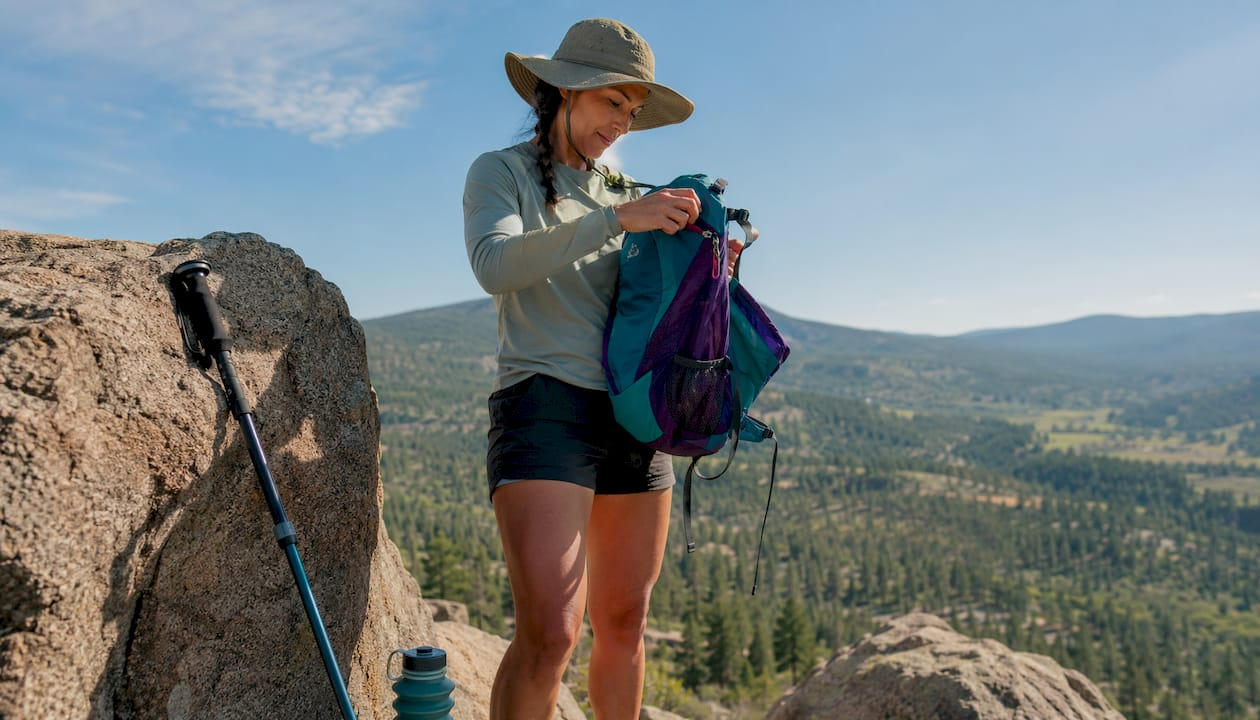
For most outdoor enthusiasts who also travel by air, a lightweight travel backpack around the 30–40L size range is the right starting point. It carries enough for multi-day trips, fits most airline overhead bins, and keeps pack weight low enough to matter. A true lightweight pack in this range weighs typically under 1.6 kg depending on frame type and materials. Ultralight hiking packs for multi-day use are generally even lighter, often under 1 kg.
Here is what "lightweight" looks like across the three main capacity bands:
- 20–28L (personal item / daypack): Fits under airline seats per the standard personal-item footprint (roughly 22 x 14 x 8 in / 55 x 35 x 20 cm); ideal for day hikes and short city trips.
- 30–40L (carry-on / overnight): The sweet spot for most travelers. Fits overhead bins, handles two to four nights, and quality lightweight builds in this range typically weigh under 1.6 kg depending on frame type and material.
- 40L+ (multi-day / expedition): Maximizes volume but demands more suspension to stay comfortable; a 45L pack can become heavy when fully loaded, while 35L tends to be more manageable for mixed travel and hiking.
Lifecampadventure's backpack lineup covers all three bands, built for campers and outdoor enthusiasts who need durability, not just low weight.
What should you look for in a lightweight travel backpack?
A good pack decision comes down to five variables: use case, fit, suspension, features, and airline compliance. Work through them in order.
- Nail your use case first. Day hikes and city carry call for 20–28L. Carry-on travel and overnights fit 30–40L. Multi-day backcountry trips need 40L or more.
- Measure your torso length. Run a tape from your C7 vertebra (the bony bump at the base of your neck) down to your iliac crest (the top of your hip bones). Most lightweight packs come in fixed sizes (S, M, L) matched to that measurement. Getting this wrong causes shoulder pain on day two.
- Choose your suspension honestly. Frameless packs are lightest but demand skilled load distribution. Light-frame packs add 100–200 g and dramatically improve comfort for loads above 15 lb. Moderate suspension (padded hipbelt, load lifters) is the right call for anyone carrying 20 lb or more.
- Run the feature checklist:
- Weight-bearing hipbelt (transfers load to hips)
- Load lifters (angle the pack into your back)
- Sternum strap (stabilizes lateral movement)
- Compression straps (cinch down a partial load)
- Hydration sleeve or laptop compartment
- External pockets for quick-access items
- Confirm carry-on dimensions before you buy. The standard carry-on limit is 22 x 14 x 8 in (55 x 35 x 20 cm). Soft packs can compress to fit; rigid-framed packs often cannot.
- Assess your base weight. If your gear totals more than 20 lb, an ultralight frameless pack will not save you — it will hurt you. Reduce base weight first, then choose the lightest pack that still carries that weight comfortably.
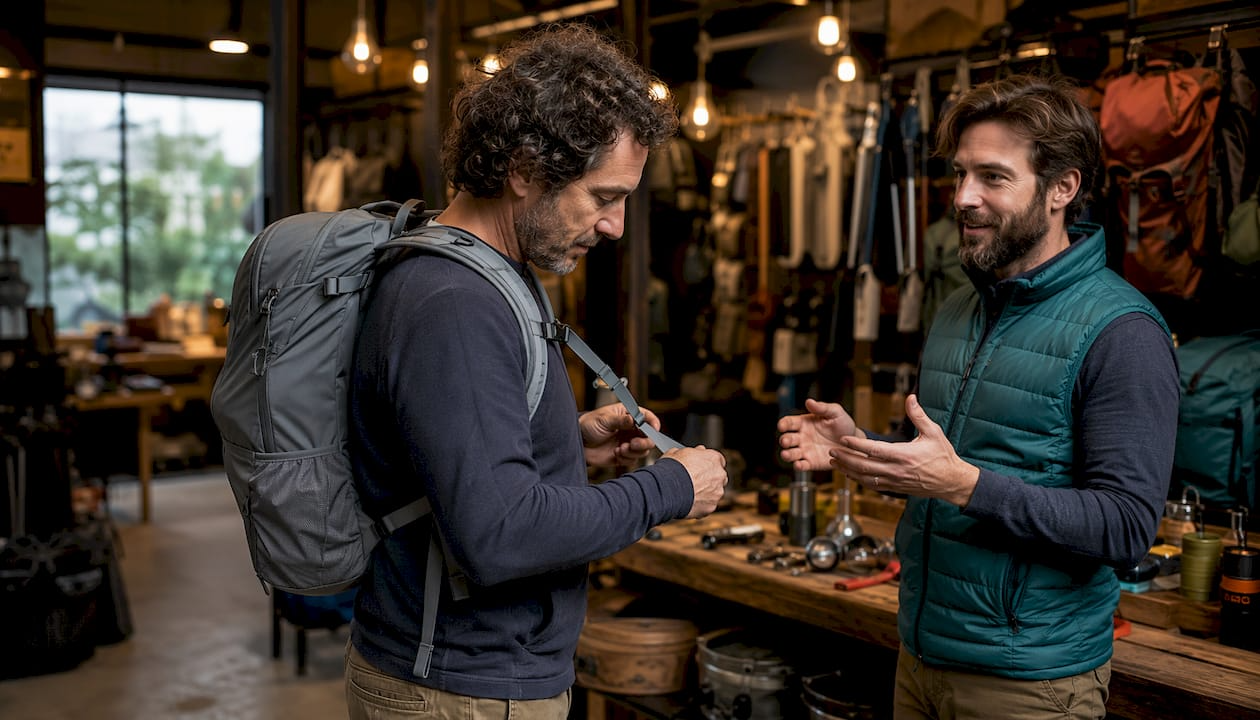
Pro Tip: Before committing to any pack, load it to your expected trip weight and walk around the store or your neighborhood for 20 minutes; also consider essential advice from the ultracyclist safety checklist for preparation and gear tips relevant to long-distance adventurers. Shoulder pressure that feels minor at five minutes becomes real pain at mile three.
Is ultralight actually better, or is it a system decision?
Ultralight and lightweight are not the same thing, and confusing them is the most common buying mistake.
Industry testing shows ultralight packs can be 3–4 pounds lighter than traditional packs. That is a meaningful difference on a long trail. But that advantage disappears fast if your sleeping bag, shelter, and cookware are still conventional-weight gear. Experts are consistent on this point: an ultralight pack only works when paired with an ultralight kit. Buying a 500 g frameless pack and filling it with a 3 lb tent is a waste of money and a recipe for back pain.Here is when each approach makes sense:
- Frameless ultralight (under 700 g): Best for experienced packers with a dialed-in kit, total base weight under 10 lb, and the skill to pack a load that sits flat against the back.
- Light-frame lightweight (700 g–1.6 kg): The right call for most outdoor enthusiasts. Adds modest structure, handles 15–25 lb comfortably, and works for both trail and travel.
Pro Tip: Before buying a frameless ultralight pack, audit your total kit weight. If reducing your shelter, sleep system, and cookware gets your base weight below 12 lb, a frameless pack becomes a genuine upgrade. If not, a light-frame pack will serve you better.
How do you keep a lightweight backpack lasting for years?
Light packs use thinner fabrics and minimal hardware by design. That means maintenance matters more, not less.
- Clean after every trip. Spot-clean with mild soap and lukewarm water. Air dry completely before storage. Machine-washing is only safe if the manufacturer explicitly permits it; most lightweight fabrics do not tolerate agitator cycles.
- Inspect high-wear zones. Check hipbelt foam, shoulder strap stitching, zipper tape, and any seam under load stress. Catching a fraying seam early costs five minutes; ignoring it costs a new pack.
- Make field repairs fast. Gear tape handles most fabric tears and delamination on the trail. A spare buckle and six inches of webbing weigh almost nothing and can save a trip. Seam sealant applied at home before a wet-weather trip prevents leaks before they start.
- Store it right. Keep packs loosely stuffed (not compressed) in a cool, dry space away from direct sunlight. UV exposure degrades nylon and ripstop over time, especially on lighter-denier fabrics.
For a deeper look at keeping all your gear in shape, Lifecampadventure's outdoor gear maintenance guide covers the full routine.
Pro Tip: Pack a minimal repair kit: one needle, waxed thread, a 6-inch strip of gear tape, and one spare side-release buckle. Total weight is under 20 g and it has saved more trips than any single piece of gear.
Why Lifecampadventure's packs are worth your attention
Lifecampadventure designs its backpacks for outdoor enthusiasts who need a pack that performs on the trail and fits in the overhead bin. The focus is on the balance that most buyers actually need: enough structure to carry a real load comfortably, light enough to not eat into your weight budget.
Key strengths across the lineup:
- Durable materials: Ripstop nylon and reinforced stress points built to handle trail abrasion, not just airport floors.
- Carry-on compatibility: Sizing and compression designed around the 22 x 14 x 8 in standard so you can skip checked baggage fees.
- Repairability: Replaceable buckles, accessible seam tape points, and fabrics that respond well to standard field repairs.
- Clear sizing guidance: Torso-length matching and capacity guidance so you buy the right size the first time.
Who each category fits:
- 20–28L packs: Day hikers, urban travelers, and anyone who needs a personal-item bag that still carries trail essentials.
- 30–40L packs: The core carry-on traveler and weekend camper who wants one pack for flights and trails.
- 40L+ packs: Multi-day backcountry campers who need volume and suspension without crossing into expedition-pack weight.
What does a lightweight travel backpack cost?
Price tracks closely with materials and suspension quality. Here is a realistic breakdown:
| Price Range | What you get |
|---|---|
| Under $75 | Basic nylon, minimal suspension, limited organization. Fine for casual day hikes. |
| $75–$150 | Better denier fabrics, light-frame or foam suspension, more pockets. The right range for most buyers. |
| $75–$150 | Ripstop or laminated fabrics, proper hipbelts, load lifters, carry-on-optimized sizing. |
| — | Ultralight specialty fabrics (Dyneema, Ultra 200X), cottage-brand craftsmanship, sub-700 g builds. |
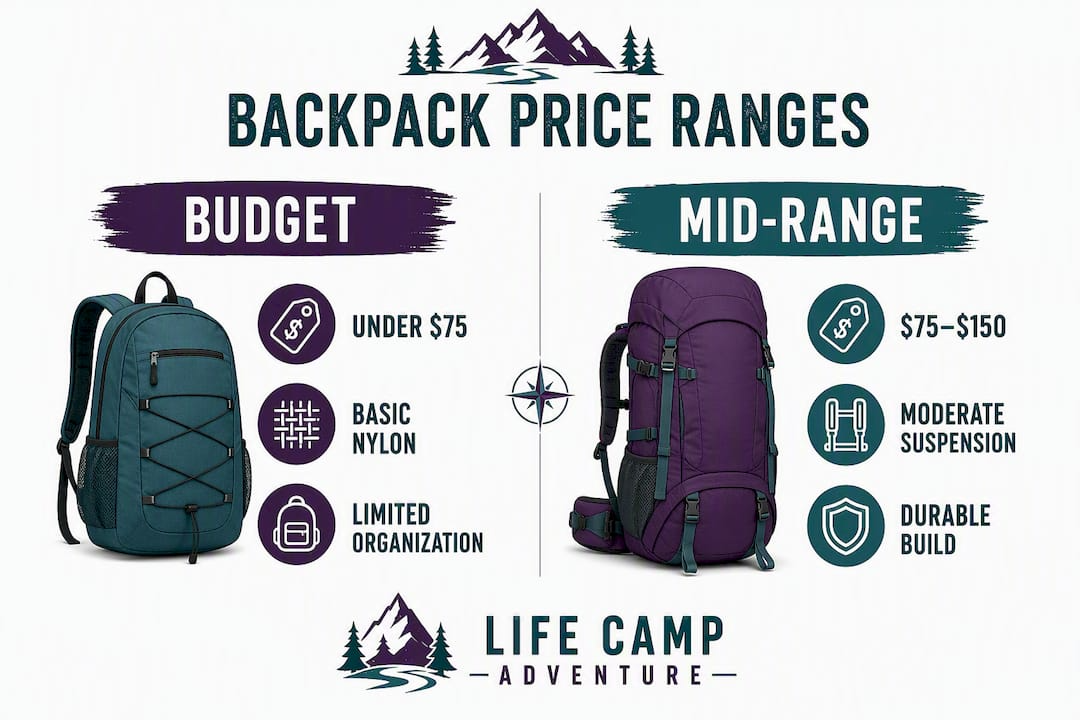
Most outdoor enthusiasts land in the $75–$150 range and get a pack that handles both trail and travel without compromise. Spending more makes sense when you have already reduced your base weight and need the pack itself to stop being the heaviest item in your kit.
What do users actually say about lightweight packs?
Across verified buyer reviews, a few patterns repeat consistently. Buyers who match pack capacity to their actual trip length are overwhelmingly satisfied. The most common complaint is buying too large: a 45L pack that felt spacious in the store becomes a burden when it encourages overpacking.
Organization features rank high in satisfaction. Buyers praise clamshell openings, dedicated laptop sleeves, and external water bottle pockets as the features they use most. Suspension comfort is the second most-cited satisfaction driver, with reviewers consistently noting that a padded hipbelt changes the experience on trips longer than four hours.
The most common reliability concern is zipper durability on budget packs. Buyers who invest in mid-range or higher builds report years of daily use with minimal wear. Lifetime warranties, where offered, are frequently cited as a deciding factor for repeat purchases.
Key Takeaways
The right lightweight travel backpack matches your capacity to your trip length, your suspension to your load, and your pack weight to your total kit weight.
| Point | Details |
|---|---|
| Capacity by use case | 20–28L for day hikes, 30–40L for carry-on travel, 40L+ for multi-day backcountry trips. |
| Carry-on standard | Standard overhead bin limit is 22 x 14 x 8 in (55 x 35 x 20 cm); confirm before buying. |
| Suspension choice | Light-frame packs handle 15–25 lb comfortably; frameless suits experienced packers with base weight under 10 lb. |
| Measure torso first | Match pack size to your C7-to-iliac-crest measurement; wrong fit causes pain before wrong weight does. |
| Lifecampadventure | Offers ripstop-nylon packs across all three capacity bands, carry-on compatible and built for trail durability. |
Why slightly structured packs are the smarter starting point
The ultralight community has a tendency to treat frameless packs as the obvious goal. I understand the appeal: every ounce you cut from your pack is an ounce you carry all day. But the logic only holds when your total kit is already dialed in.
Most outdoor enthusiasts who come to lightweight packing are not starting with a 9 lb base weight. They are starting with a conventional tent, a mid-weight sleeping bag, and a stove that works reliably. Dropping $300 on a frameless pack before addressing those items is the wrong sequence. A light-frame pack in the 30–40L range gives you real weight savings over a traditional pack, carries a mixed-weight kit without punishing your shoulders, and leaves room to reduce kit weight over time. When your base weight genuinely drops below 12 lb, the frameless option becomes worth testing. Until then, structure is your friend.
The packs that get the best long-term reviews are not the lightest ones. They are the ones people actually enjoy carrying, trip after trip.
Lifecampadventure has the lightweight pack for your next trip
Ready-to-buy outdoor enthusiasts who want a pack that handles both trail and travel without compromise will find Lifecampadventure's lineup built exactly for that. Every pack is sized for real torso measurements, constructed from durable ripstop nylon, and carry-on compatible out of the box.
Browse the full range of outdoor adventure gear at Lifecampadventure, or check the survival essentials guide if you are building a rugged backcountry kit from scratch. Not sure which size fits your torso or trip length? The Lifecampadventure team is available to help with sizing, fit questions, and returns. Start with the pack that matches your next trip and build from there.
Sources and further reading
- American Airlines carry-on size guidelines — official carry-on and personal-item dimensions.
- Backpacker: Best Ultralight Backpacks, tested and lab-verified — comfort-to-weight lab data and ultralight pack rankings.
- OutdoorGearLab: Best Ultralight Backpack — field and lab testing across suspension types and capacity bands.
- Backpacker: Ultralight system guidance — expert guidance on treating ultralight as a full-kit decision.
- Lifecampadventure: Packing light for outdoor adventures — step-by-step base weight reduction strategies.
- Lifecampadventure: Types of hiking backpacks — suspension categories and pack selection by trail type.
- Lifecampadventure: Ultralight camping basics — how ultralight camping principles apply to pack selection.
- For lab-test articles on highly specialized ultralight packs, consult OutdoorGearLab and Backpacker Magazine before purchasing sub-700 g frameless builds.
