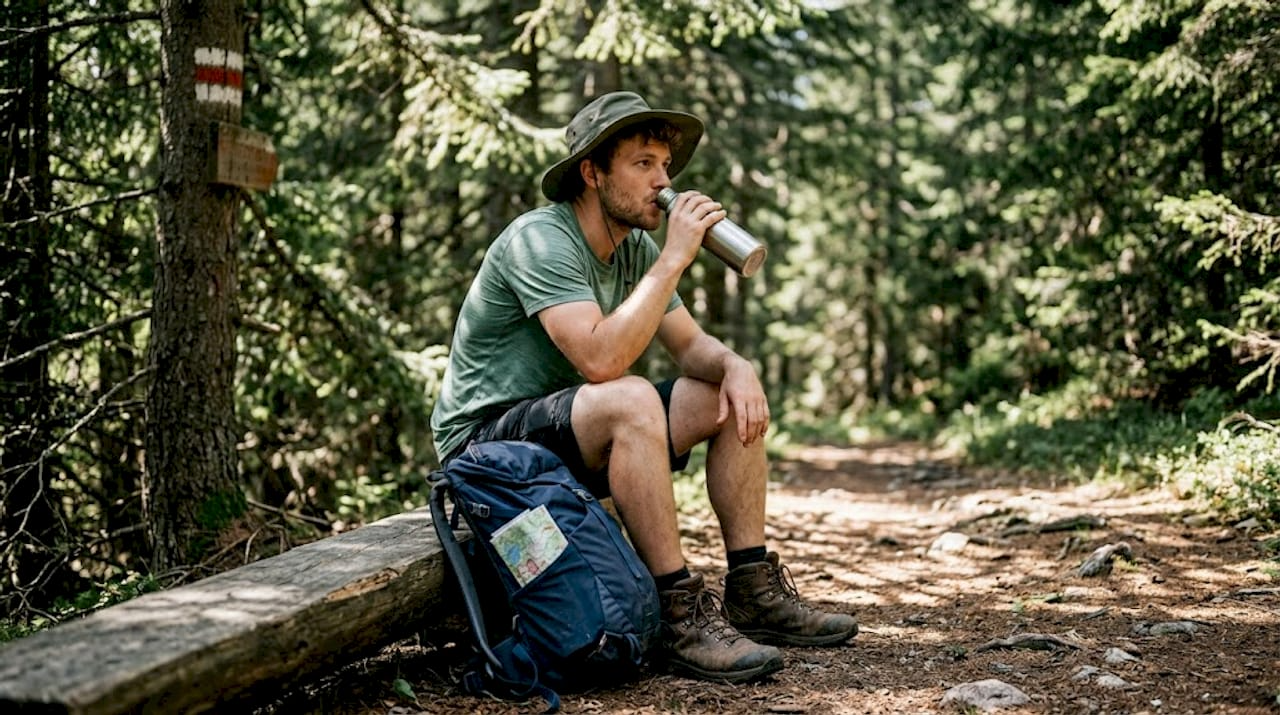
TL;DR:
- Proper hydration is vital for safety, muscle function, and mental sharpness during hikes.
- Drink consistently based on conditions, aiming for pale yellow urine as a hydration gauge.
- Use appropriate gear, plan water intake, and recognize dehydration or hyponatremia signs.
Dehydration sneaks up on you. You feel fine, you're moving well, and then somewhere around mile four your legs go heavy and your judgment starts to slip. Even mild dehydration can impair concentration, muscle function, and thermoregulation long before thirst kicks in. Most casual hikers carry water, sure, but they rarely think about how much, when to drink it, or what happens when the trail gets harder than expected. This guide covers all of it. From the science behind hydration to gear choices, field emergencies, and daily routines, you'll walk away with a practical plan that fits every type of hike you take.
Key Takeaways
| Point | Details |
|---|---|
| Hydration impacts performance | Even mild dehydration can impair focus, strength, and safety during hikes. |
| Plan for every hike | Adjust your water, snacks, and equipment based on weather, duration, and terrain. |
| Routine beats thirst | Sipping water regularly prevents problems better than drinking only when thirsty. |
| Be prepared for hazards | Recognize and treat dehydration or overhydration issues with simple checks and actions. |
Why hydration matters: The science behind water and hiking performance
Water does more than quench thirst on the trail. It regulates your body temperature through sweat, keeps your muscles contracting smoothly, and supports the mental sharpness you need to read a map, pick a safe route, or notice when the weather is turning. When you lose even a small percentage of your body weight to sweat without replacing it, all three systems start to break down. That's not a minor inconvenience. It's a real safety risk.
Water keeps your body cool, prevents cramping, and supports mental sharpness throughout your hike. Without it, your blood thickens slightly, your heart works harder to pump it, and heat moves less efficiently through your body. Add direct sun and a loaded pack, and the strain compounds fast.
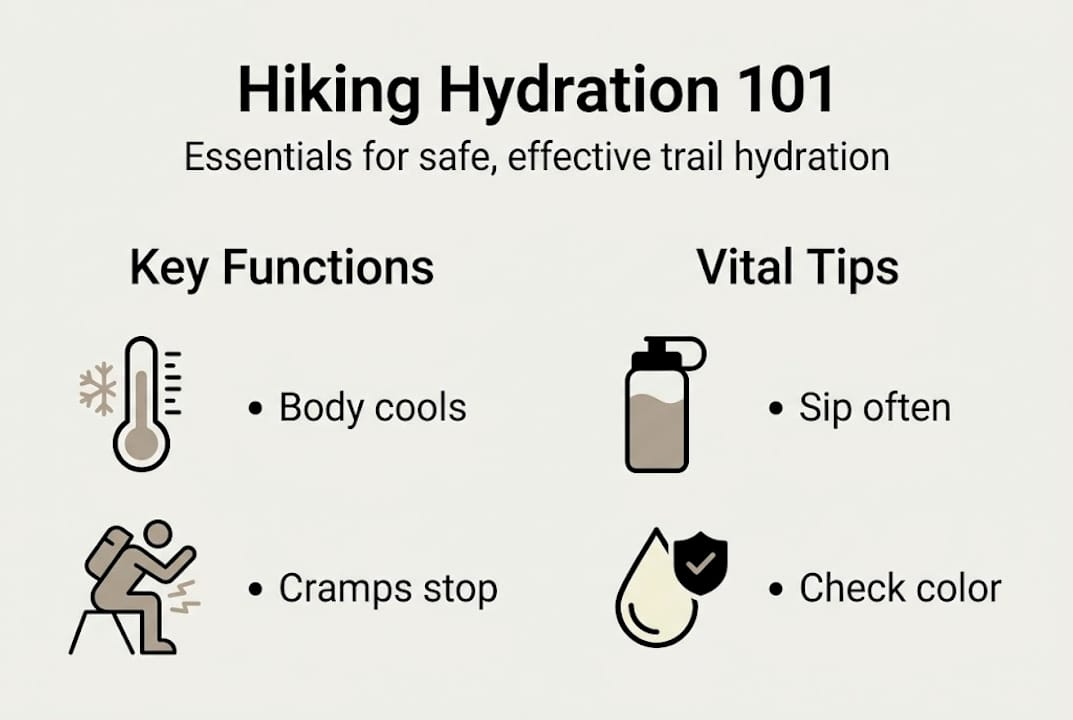
Here's a quick look at how hydration status shifts your performance on the trail:
| Hydration status | Effect on performance |
|---|---|
| Well hydrated | Stable energy, sharp focus, normal heart rate |
| 1% body weight lost | Slightly reduced endurance |
| 2% body weight lost | Noticeable fatigue, reduced coordination |
| 3-4% body weight lost | Muscle cramps, poor decision-making, heat risk |
| 5%+ body weight lost | Heat exhaustion possible, serious danger |
Most hikers don't notice the early warning signs because they're focused on the trail. But your body is already signaling distress. Watch for these:
- Darker urine than usual (yellow to amber)
- Dry mouth or sticky saliva
- Headache, especially behind the eyes
- Unusual fatigue or leg heaviness
- Reduced sweating despite effort
- Irritability or difficulty concentrating
"The gap between feeling fine and feeling terrible is narrower than most people realize. By the time you feel thirsty, you may already be running a deficit."
If you're building your hiking basics knowledge, understanding hydration early on keeps every future hike safer and more enjoyable.
How much water do you really need? Guidelines, variables, and real-world formulas
Understanding the 'why' leads to the next question: how much water should you actually bring?
The general guideline most wilderness safety organizations use is straightforward. Recommended hydration intake is 0.5 to 1 liter per hour, or 3 to 8 ounces every 15 to 20 minutes. That's the baseline. But your needs shift depending on several key variables.
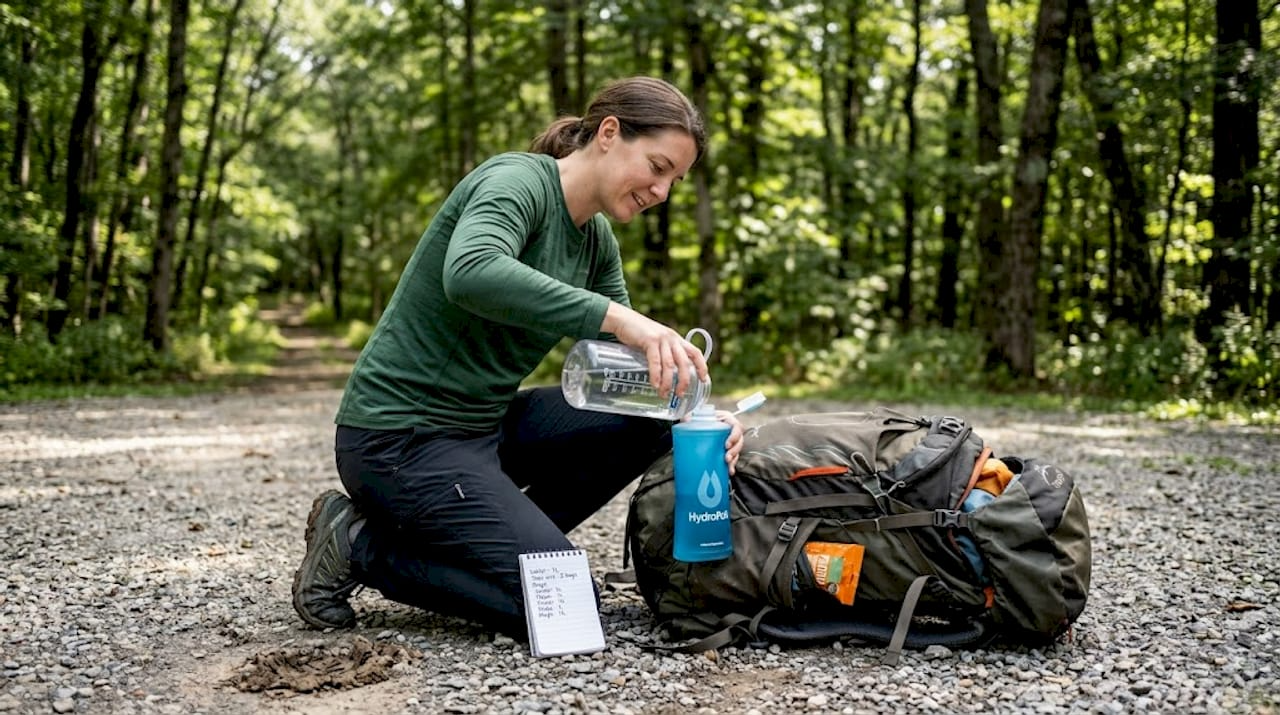
Heat increases sweat rate dramatically. Altitude makes your body lose more water through faster breathing. Intensity matters too. A flat trail walk is not the same as a steep climb with a full pack. Body size plays a role as well, since larger people typically sweat more and need more fluid replacement.
Here's a comparison of typical hydration needs across different conditions:
| Condition | Estimated intake per hour |
|---|---|
| Cool weather, easy pace | 0.5 liters |
| Moderate temp, steady pace | 0.5 to 0.75 liters |
| Hot weather, steep terrain | 0.75 to 1 liter |
| High altitude, heavy pack | 1 liter or more |
To estimate your personal needs for any specific hike, follow this process:
- Check the forecasted temperature and trail elevation gain.
- Estimate your total hiking time based on distance and pace.
- Multiply your expected hours by your intake rate (start at 0.5 L/hr, increase for heat or intensity).
- Add a reserve of 0.5 to 1 liter for unexpected delays or emergencies.
- Cross-reference your total against available water sources on the route.
Pro Tip: Pre-hydrating the day before a big hike is just as important as what you drink on the trail. Aim for consistent fluid intake the evening before, not just a big glass in the morning.
Your packing checklist for day hikes should always include a water volume calculation alongside your gear list. And if you're new to planning longer trips, this beginner hiking preparation guide walks you through how to think about logistics from the start.
Before, during, and after: Building your complete trail hydration strategy
Now that you've calculated your hydration target, let's turn it into a practical trail routine.
Hydration is not just a 'during the hike' concern. The hours before and after your hike shape how well your body performs and recovers. Pre-hydrate with 16 to 20 oz two to three hours before you start, then drink another 8 to 10 oz about 20 minutes before you hit the trail. On the trail, sip consistently rather than gulping. After the hike, monitor your urine color to check if you need to catch up.
Here's the full three-phase routine:
- Before hiking: Drink 16 to 20 oz two to three hours before departure. Add 8 to 10 oz within 20 minutes of starting. Eat a balanced meal with some sodium to help your body hold onto fluids.
- During hiking: Sip 3 to 8 oz every 15 to 20 minutes without waiting for thirst. Set a phone reminder if you tend to forget. Pair sips with salty snacks every hour to replace sodium lost through sweat.
- After hiking: Replace 16 to 24 oz for every pound of body weight lost. Weigh yourself before and after on big days to track actual fluid loss.
"Your urine should run pale yellow throughout the hike. Clear means you may be over-drinking. Dark yellow or amber means you're behind. Adjust and keep moving."
Pro Tip: 'Cameling up,' or drinking a larger amount right before a section with no water access, can backfire if you chug too fast. Drink steadily over 10 to 15 minutes instead of all at once to avoid feeling bloated or nauseous.
Your hiking essentials kit should always include enough vessel capacity to carry your full calculated water needs. For multi-day trips, see these backpacking preparation tips for planning around water sources on longer routes.
Tools and fuel: Choosing bottles, bladders, carbs, and electrolytes for your trail plan
With routines in mind, picking the right hydration gear and fuel makes following your plan much easier.
Bottles and bladders each have a place depending on your style. Hard-sided bottles are durable, easy to clean, and simple to track for volume. Soft hydration bladders fit neatly inside a pack and let you sip without stopping, which makes consistent drinking much more natural. For most day hikes, a combination works well: a bladder for steady sipping and a bottle for easy top-ups or electrolyte mixes.
Practical hydration means pairing fluids with carbohydrates and electrolytes, not just counting ounces. Here's what to consider fueling with:
- Plain water: Your primary source for most hikes under two hours
- Salty snacks: Pretzels, nuts, or crackers replace sodium naturally and cheaply
- Sports drinks: Useful in heat or on hikes over two to three hours when sweat loss is high
- Electrolyte tabs: Compact and easy to toss in a pack; great for long days when you don't want extra sugar
- Carbohydrate snacks: Energy bars or dried fruit help fuel muscles and support fluid absorption
Pro Tip: Clip your water bottle to a shoulder strap or keep your hydration hose easily accessible. Gear that's hard to reach gets used less. Make drinking effortless and you'll do it more consistently.
If you're pulling water from streams or lakes, you'll need purifying water on the trail knowledge and the right equipment. Filters, purification tablets, and UV pens each have different strengths. Understanding the importance of water filtration is essential before any backcountry trip. And keeping your filtration gear dry and functional is where waterproof gear pays off in wet conditions.
Hydration hazards: Avoiding dehydration, heat illness, and hyponatremia on the trail
With gear and routines set, it's vital to recognize and respond to hydration-related dangers on any hike.
Dehydration gets most of the attention, but over-hydrating carries its own risk. Hyponatremia happens when you drink too much plain water without enough sodium, diluting your blood's salt concentration. It's less common than dehydration but far more confusing to recognize in the field.
Know the difference between the two:
- Dehydration: Dark urine, muscle cramps, dry mouth, fatigue, dizziness, rapid heart rate
- Hyponatremia: Bloating, nausea, confusion, headache despite heavy drinking, swollen hands or feet
- Heat exhaustion: Heavy sweating, pale skin, weakness, nausea, cool and clammy to the touch
Pro Tip: If someone on your group is confused, clumsy, or getting worse after drinking, stop administering plain water. Hyponatremia requires electrolytes, not more fluids. Knowing this distinction could save someone's hike or their life.
For broader safety knowledge, review these outdoor first aid steps to build confidence in handling trail emergencies beyond hydration.
What most hikers get wrong about staying hydrated
Here's something most hydration guides skip: thirst is a lagging indicator, not a real-time signal. By the time you feel thirsty on a hot trail, you're already playing catch-up. Waiting for your body to ask for water is the single most common mistake we see hikers make.
The second mistake is over-complicating the strategy. You don't need a complex schedule of supplements and sports drinks for a 10-mile day hike. A water bottle, some salty trail mix, and a consistent sipping habit will cover 90% of situations.
Electrolyte anxiety is real but usually overblown. For most hikers on standard trails, plain water and food handle the job well. What actually puts people in trouble is not having water accessible when they need it, or ignoring early symptoms because they feel inconvenient.
Our practical suggestion: link your hydration routine to trail milestones rather than a clock. Drink every time you reach a junction, gain a major ridge, or stop to look at a view. It's easier to remember and builds the habit naturally. Pair this with smart meal prep for backpacking that includes sodium-rich foods, and you've got a system that holds up even when you're tired and distracted.
Gear up and hike smart with the right essentials
Knowing your hydration numbers is only part of the picture. Having the right gear to carry, filter, and track your water intake is what turns a good plan into a reliable one.
At Life Camp Adventure, we've built our resource library to help you check every box before you hit the trail. Start with our outdoor survival checklist to make sure your pack covers hydration and safety together. Not sure what gear belongs in your kit? Our guide on why pack survival gear breaks it down without the jargon. And if you're building your kit from scratch, explore what is outdoor gear to understand what actually matters for the trail. Solid preparation leads to safer, more enjoyable adventures every time.
Frequently asked questions
What's the best way to carry water on a hike?
Use a hydration bladder for hands-free sipping or water bottles for simplicity; choose based on hike length and personal preference. Many hikers use both for flexibility.
How do I know if I'm hydrated enough during a hike?
Monitor urine color and aim for pale yellow throughout the hike; sip small amounts regularly rather than waiting until you're thirsty.
What should I do if I experience signs of dehydration on the trail?
Rest, cool down, and eat salty snacks while sipping water steadily; consider turning back if symptoms don't improve within 20 to 30 minutes.
Can I substitute sports drinks for water while hiking?
For most hikes, water and salty snacks are enough; use sports drinks or electrolyte supplements in extreme heat, long duration, or high-altitude conditions.
Is it possible to drink too much water while hiking?
Yes. Drinking excessive plain water without enough salt can cause hyponatremia, which shows up as bloating and confusion; mix fluids with food or electrolyte tabs on long or hot hikes.
