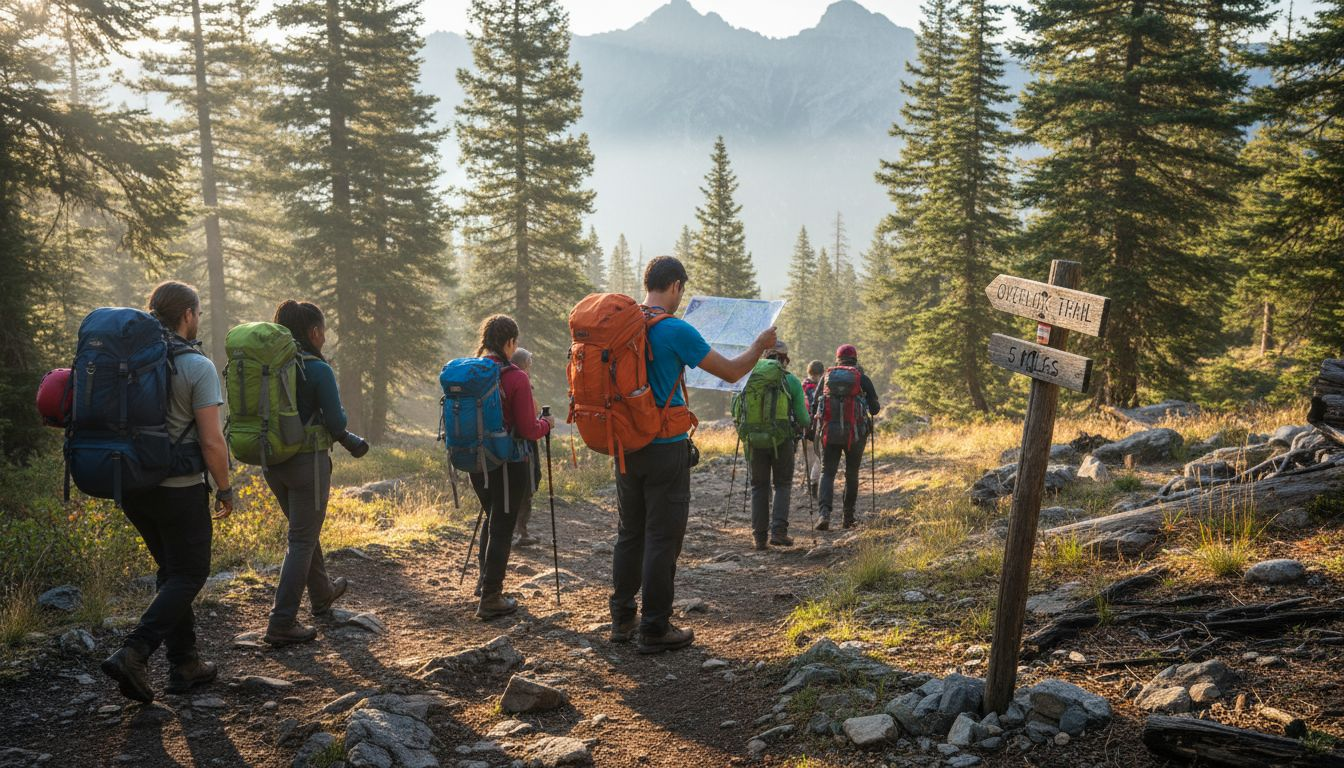
Every parent faces that moment when picking the wrong hiking trail turns excitement into complaints before lunchtime. Choosing the right path can make a weekend adventure outside New York City or Los Angeles full of laughter, not frustration. Studying maps and considering group abilities sets the tone for a stress-free day. This guide walks you through planning every detail, from matching trails to your group to packing trustworthy gear, so every family trip becomes a highlight.
Quick Summary
| Main Insight | Explanation |
|---|---|
| 1. Assess Trail Based on Group Ability | Choose a trail that matches the slowest member's ability, factoring in fitness, experience, and elevation gain to ensure enjoyment. |
| 2. Pack Essential Gear for Safety | Bring the Ten Essentials and tailor your gear to the specific hike to handle unexpected situations and weather changes. |
| 3. Plan Route and Timing Carefully | Map out your trail with checkpoints and realistic timing based on group pace to ensure everyone stays on track safely. |
| 4. Establish a Safety Plan | Communicate your hiking details to a trusted person outside your group for emergency support and ensure everyone is aware of first aid measures. |
| 5. Conduct a Final Checklist Review | Review and visually check your gear and plan the night before and morning of the hike to catch any last-minute omissions or concerns. |
Step 1: Choose the Right Trail for Your Group
Finding a trail that works for everyone in your group is one of the most important decisions you'll make before heading out. The wrong choice can turn a fun weekend into a frustrating experience, especially when you're hiking with kids or less experienced adults. This step focuses on matching the trail to your group's actual abilities, not what you wish they could do.
Start by honestly assessing your group's fitness level and hiking experience. The golden rule here is straightforward: your group moves at the speed of the slowest member. If you have a mix of abilities, plan for that reality from the start. A trail that takes a fit adult two hours might take a family with young children or older hikers three to four hours. Check elevation gain carefully, not just distance. A 5-mile trail with 2,000 feet of elevation gain feels completely different than a flat 5-mile trail. When you're planning with families, studying maps and elevation profiles helps you understand what you're actually getting into. Look for trails with multiple water sources and clear emergency exit points, especially when hiking with groups. You want options if someone gets injured or the weather turns bad.
Group size matters more than you might think. Day hikes can accommodate up to 25 people, but smaller groups of 6 to 10 tend to move more smoothly and have less impact on the trail. Larger groups split up naturally, and managing that takes real effort. Check local regulations before you go, too. Some areas have permits, seasonal closures, or group size restrictions you need to know about. Nothing derails a trip faster than showing up and discovering your favorite trail is closed or needs a permit nobody mentioned.
While you're planning, factor in your group's specific interests. Some people want scenic overlooks and photo stops. Others just want a peaceful forest walk without much elevation. Kids might get excited about a waterfall destination or a loop that feels like an adventure. When everyone knows what to expect and wants to be there, the whole experience improves.
Here's how common hiking group types influence trail selection and planning:
| Group Type | Ideal Trail Features | Common Challenges | Planning Tips |
|---|---|---|---|
| Families with Kids | Short, loop, water features | Slow pace, frequent breaks | Add extra time, choose adventure spots |
| Mixed Experience Adults | Moderate distance, gentle grade | Varied fitness, differing interests | Plan for slowest hiker, offer options |
| Fit Adults Only | Longer, higher elevation | Risk of overexertion | Set challenge but plan regroup points |
| Seniors/Oder Hikers | Flat, well-maintained, rest areas | Mobility, weather sensitivity | Prioritize safety, check regulations |
Pro tip: Plan your pace conservatively and build in extra time for breaks, bathroom stops, and photo opportunities. A trail that feels perfect for your fastest hiker rarely feels good for your whole group, so always add 30 to 50 minutes to your estimated finish time.
Step 2: Gather Essential Gear and Supplies
Packing the right gear separates a successful hike from a stressful one. You're not just bringing things to be comfortable, though that matters too. The right equipment keeps you safe when things go wrong, whether that's unexpected weather, a twisted ankle, or a change of plans. This step focuses on gathering what you actually need, not what looks cool at the outdoor retailer.
Start with the Ten Essentials, which every hiker should carry regardless of trail length or difficulty. These include proper footwear that won't leave your feet aching by mile three, a map and compass or GPS device for navigation, a water bottle or hydration system with purification means, extra food for energy and emergencies, rain gear and clothing layers that handle temperature swings, fire-starting tools and a whistle for emergencies, a first aid kit, a knife or multi-tool, sun protection like sunscreen and a hat, and an emergency shelter such as a lightweight tarp or bivy sack. Beyond the basics, tailor your gear to your specific trip. A summer day hike with kids needs different items than a cool-weather adventure. Consider the season, terrain difficulty, and how long you'll be out. Your backpack itself matters too. A pack that doesn't fit properly will leave your shoulders sore and your back tired, making the whole experience worse. When you're hiking with families or less experienced hikers, redundancy is smart. Extra water, backup snacks, and a second first aid kit mean you're prepared if something goes longer than expected or someone's supplies run short.
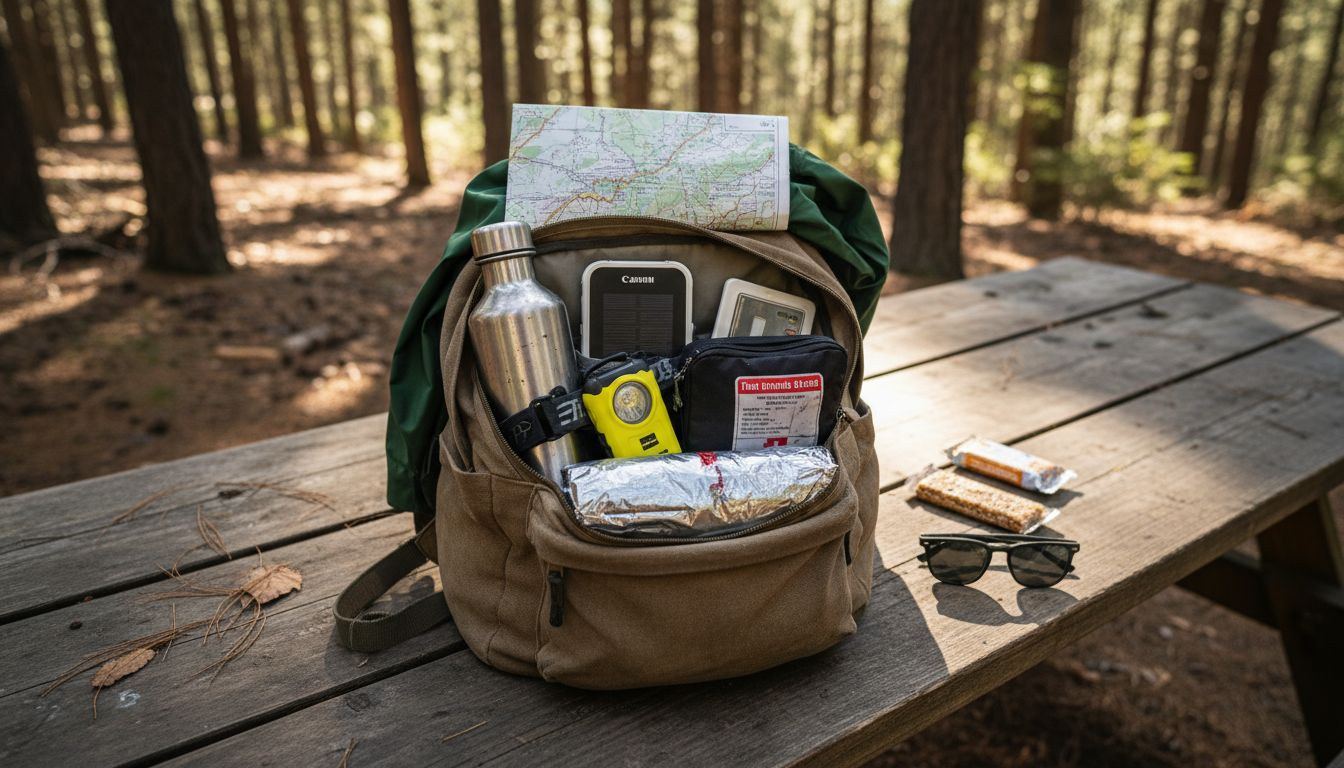
Organize your gear so you can find things quickly without dumping everything on the ground. Keep water and snacks easily accessible. Put your first aid kit somewhere you'll actually remember when someone needs it. Test your gear before the trip, especially items you've never used. A headlamp that doesn't work becomes a real problem when the sun sets faster than you expected, and you discover it only when you need it. The gear itself should be reliable and durable, built to actually perform when conditions get tough.
Pro tip: Pack your heaviest items close to your back and in the middle of your pack, roughly at shoulder height, to keep weight balanced and reduce strain on your shoulders and lower back during the entire hike.
Step 3: Map Out Your Hiking Route and Schedule
Planning your route and timing turns a vague idea about hiking into an actual plan that keeps your group safe and on track. Without this step, you end up making decisions on the fly when you're tired, hungry, or running out of daylight. This section helps you map everything out so everyone knows what to expect and when to expect it.
Start by studying detailed maps of your chosen trail. You need to know more than just the main path. Identify where water sources are located, which matters enormously when you're hiking with kids or in hot weather. Mark potential emergency exit points where you could leave the trail if someone gets injured or the weather turns dangerous. These escape routes can save a lot of stress if plans change. When you plan the actual schedule, base it on realistic timing. Calculate how fast your group actually moves, not how fast the fastest person moves. Remember that your group travels at the pace of the slowest member. If you have young children, older hikers, or anyone less fit, add extra time to standard estimates. Study elevation gain carefully when planning timing, since a moderate distance with significant elevation will take much longer than flat terrain. Break your route into sections with specific time checkpoints. For example, "We should reach the water stop by 10:30 a.m.," or "We'll take lunch at the midpoint around noon." These checkpoints let you see if you're on pace and give everyone a sense of progress and accomplishment.
Before you finalize your route, check the weather forecast for the day of your hike and the few days before. Rain, temperature drops, or unexpected conditions should influence what gear you pack and potentially whether you reschedule. Also research current trail conditions if possible. Some areas post updates about washouts, closures, or hazards that might change your route. Tell someone outside your group where you're going, what time you expect to return, and when they should call for help if you don't check in. Having a flexible backup plan matters too. Know what alternative routes or shorter options exist if your group is moving slower than expected or someone isn't feeling great.
Pro tip: Write down your planned schedule on a piece of paper and share it with everyone in your group before you start hiking, so everyone understands the timing expectations and feels confident about the journey ahead.
Step 4: Prepare Safety Plans and Emergency Contacts
Safety planning is the step people skip because nothing bad happens on most hikes. Then something goes wrong, and suddenly you're grateful you took it seriously. This step ensures that if an emergency occurs, help can find you quickly and people know what to do.
Start by telling someone not on your hike exactly where you're going and when you expect to return. Give them your actual itinerary, not just "we're hiking somewhere in the woods." Share the specific trail name, parking location, and your planned route. Include trailhead GPS coordinates if possible. Tell them when to expect you back, and agree on a specific time to call if you haven't checked in. That person becomes your lifeline if something goes wrong. If you miss your check in time, they know to contact authorities and provide searchers with your exact location and route. Keep your plan simple and written down so your designated contact can find it quickly if needed. Store a paper copy at home and consider texting a photo of your itinerary to someone reliable. Beyond telling someone your plans, make sure your group carries proper first aid supplies for your specific environment. A generic first aid kit isn't enough. Consider the length of your hike, the terrain, and anyone's specific medical conditions. If someone in your group has allergies, diabetes, or other health issues, ensure you have the right supplies and that everyone knows about them. Carry medications, allergy medications, and any personal devices like EpiPens in accessible locations.
Make sure someone in your group has first aid training, not just supplies. Knowing how to stop bleeding, treat shock, or help someone with a sprained ankle makes a real difference in an emergency. Even basic first aid knowledge helps you respond calmly and correctly. Establish a communication plan for your group. In areas with cell service, agree that someone will stay in one spot if the group gets separated. In remote areas without service, agree on a landmark where you'll meet if separated. Know what to do if someone gets injured. Practice how you'll call for help or signal rescuers. Create a simple emergency contact card for each person listing their name, emergency contacts, and any medical information. Keep these cards in your backpacks.
Pro tip: Before your trip, take a photo of your full group together and send it to your designated contact person, so if someone does go missing, rescuers have a recent photo showing who they're looking for.
Step 5: Review Your Checklist Before Hitting the Trail
You've planned your route, packed your gear, and prepared for emergencies. Now comes the final step that keeps everything from falling apart: a thorough checklist review the night before and morning of your hike. This is your last chance to catch what you forgot and make sure everyone is genuinely ready.
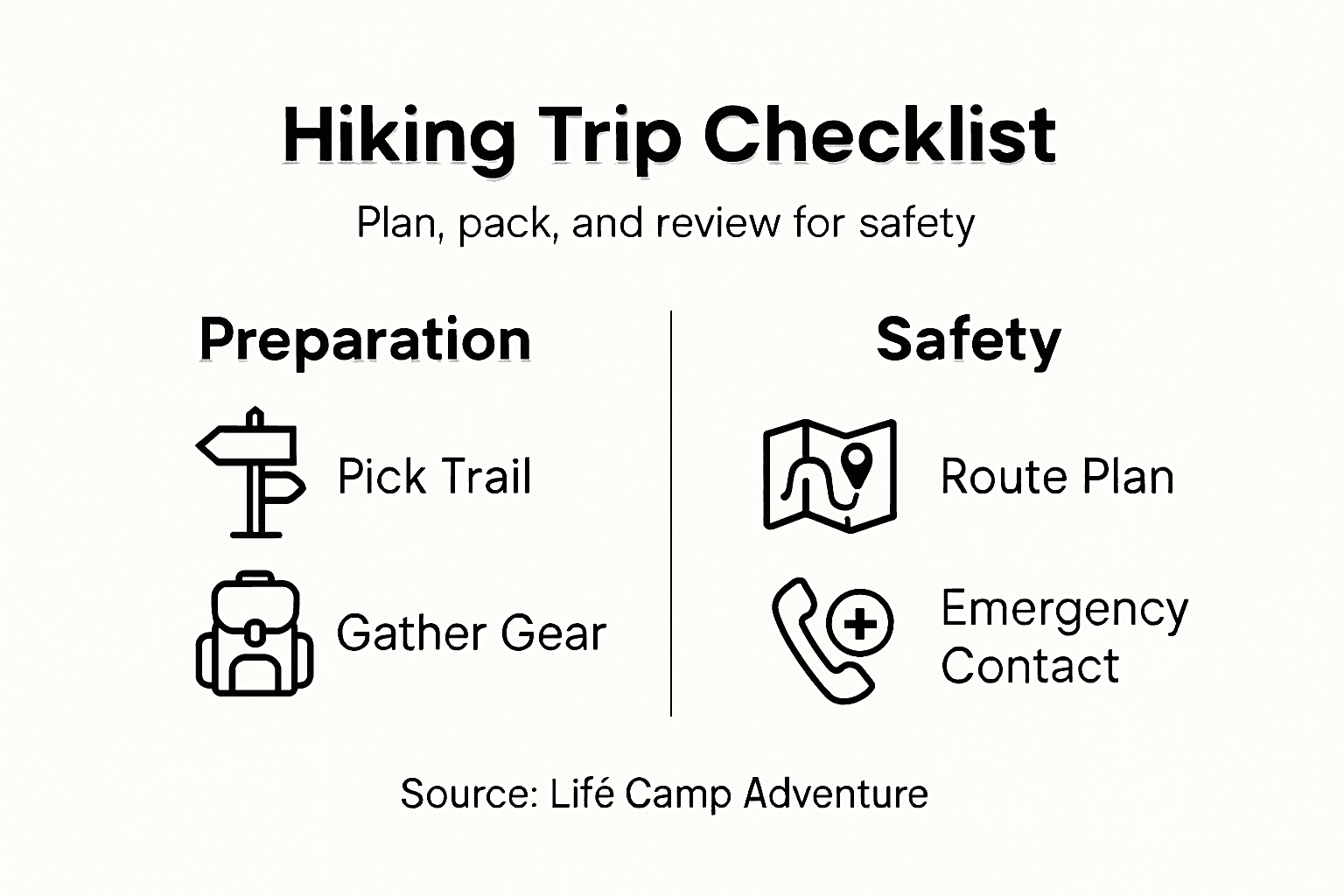
Start the night before by laying out all your gear in one place. This sounds simple, but it works. Actually seeing everything spread out reveals what you didn't pack. Check off the Ten Essentials one by one. Do you have water and a way to refill it? Navigation tools that actually work? Rain gear even though the forecast looks perfect? It only takes fifteen minutes, but this visual confirmation prevents the frustration of discovering missing items miles from the trailhead. Review your planned route with everyone in your group. Walk through the map together and discuss what you expect to see, where you'll stop for water and food, and how long each section should take. When everyone has mentally traveled the route before stepping on it, you move together more smoothly and people feel confident about what's ahead. Check trail conditions and weather forecasts one final time the morning of your hike. Conditions change overnight. A storm moved in. A trail closure was announced. A temperature drop means you should layer differently. These last minute updates matter.
Make sure every person in your group knows the actual plan and their role. Do they know where you're meeting if separated? Do they understand how fast you'll be moving and how long you'll be out? Have you confirmed they have the right clothing and footwear? Take five minutes the morning of departure to gather everyone and walk through your expectations. Talk about what to do if someone feels sick or injured. Confirm that everyone has their water bottle, snacks, and any personal medications. Check that phones are charged if you're relying on them for navigation or emergencies. Confirm that your designated contact person has your itinerary and knows when to expect your call. Look at the weather one more time and decide if conditions warrant postponing. Bad weather happens, and it's better to reschedule than to deal with a dangerous situation. Finally, trust your gut. If something feels off about the weather, the group's readiness, or your own energy level, it's okay to change plans. The trail will be there another day.
Pro tip: Create a simple checklist on your phone or paper that you can physically check off each time before a hike, so you develop a consistent habit and never wonder if you forgot something important.
This table summarizes how each step contributes to a safe, successful group hike:
| Step | Primary Focus | Key Benefit |
|---|---|---|
| Choose Trail | Match ability to terrain | Prevents frustration, ensures enjoyment |
| Gather Gear | Prepare equipment for group | Reduces risk, increases comfort |
| Map Route | Plan timing and checkpoints | Keeps group on track and safe |
| Safety Plan | Emergency readiness | Improves response to incidents |
| Final Checklist | Pre-hike confirmation | Avoids last-minute problems |
Equip Your Next Hiking Trip for Safety and Adventure
Planning a hiking trip that is safe and enjoyable means overcoming challenges like choosing the right trail, packing essential gear, and preparing emergency plans. The article "Hiking Trip Planning Guide for Safe Memorable Adventures" highlights key pain points such as matching trail difficulty to your group’s abilities, managing gear efficiently, and having a clear safety plan. These are crucial for preventing frustration and ensuring everyone in your group moves confidently and comfortably from start to finish.
At Life Camp Adventure, we understand how important reliable gear and thoughtful planning are for memorable outdoor experiences. Our collection focuses on durability, comfort, and ease of use so your group can stay focused on the journey, not the equipment. Whether you need trusted camping essentials, dependable navigation tools, or emergency preparedness supplies, we provide the solutions to enhance every step of your adventure. See how our products can help you gather the right gear, create safety plans, and map out your routes with confidence by visiting Life Camp Adventure.
Ready to transform your hiking plans into safe, unforgettable adventures? Explore our gear to find what fits your group’s needs and boost your outdoor confidence today.
Discover Outdoor Essentials
Gear Up for Your Next Hike
Plan Every Step with Confidence
Visit Life Camp Adventure now to equip yourself with gear that supports your safe and enjoyable hiking experience. Don’t wait for the unexpected prepare for it and hike with peace of mind today.
Frequently Asked Questions
How do I choose the right trail for my hiking group?
Choosing the right trail involves assessing your group's fitness level and experience. Make a list of potential trails and evaluate their elevation gain and distance to match the capabilities of your slowest hiker.
What essential gear should I pack for a safe hiking trip?
You should pack the Ten Essentials, which include proper footwear, navigation tools, hydration supplies, extra food, rain gear, a first aid kit, and emergency shelter. Review your gear the night before your hike to ensure everything is in order and ready for use.
How can I effectively plan my hiking route and schedule?
Plan your hiking route by studying detailed maps and marking water sources, emergency exits, and checkpoints. Break your route into sections with specific time estimates to keep your group on track.
What safety plans should I establish before hiking?
Establish a safety plan by informing a trusted person of your hiking itinerary and when to expect you back. Create an emergency contact card that includes your group members' names and any medical information, and ensure someone in your group is trained in first aid.
How can I ensure everyone in my group is prepared before hitting the trail?
Review your checklist with your group the morning of the hike, discussing the planned route, roles, and ensuring everyone has the right gear and food. Confirm everyone's preparedness to prevent last-minute issues or delays during the hike.
