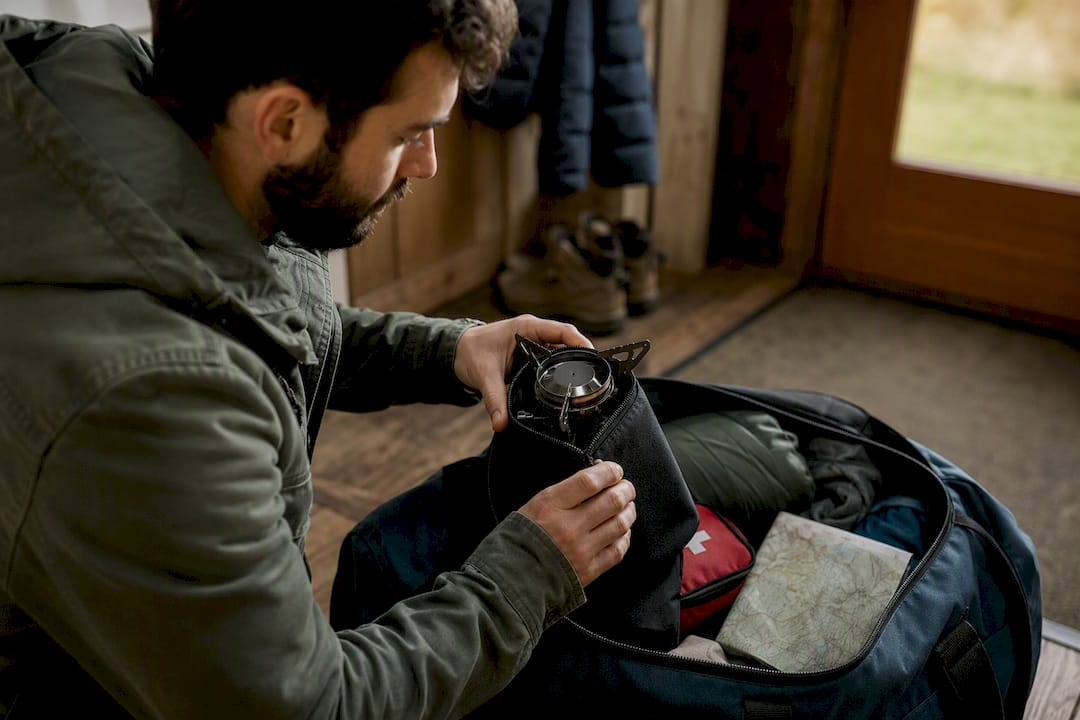
Yes, you can fly with a camping stove, in carry-on or checked baggage, as long as it's completely empty of fuel and cleaned so no vapors or residue remain. That's the entire rule in one sentence, and it's not negotiable.
"Camp stoves are allowed in carry-on or checked bags only if they are empty of all fuel and cleaned so that no fuel vapors or residue remain," according to the Transportation Security Administration.
The FAA backs this up on the aviation side: outdoor cooking gear with no residual fuel or hazardous vapors is permitted, though individual airlines can still tack on their own restrictions.
Pro Tip: Call your airline before you pack, and keep the stove somewhere you can pull it out fast if a TSA officer wants a closer look.
Key Takeaways
A camp stove clears airport security only when it's fully drained of fuel, cleaned of residue, and packed where an officer can inspect it quickly.
| Point | Details |
|---|---|
| Stove must be empty and clean | TSA allows camp stoves only when no fuel, residue, or vapors remain inside. |
| Disposable canisters are risky | Propane and butane canisters are generally barred even when empty, per TSA guidance. |
| Officers have final say | A stove can still be rejected at the checkpoint if an agent suspects lingering vapors. |
| Buying local often beats packing | For short trips, purchasing fuel on arrival avoids cleaning time and confiscation risk. |
| Pack for fast inspection | Lifecampadventure recommends labeled pouches and accessible placement to speed up screening. |
Flying With Camping Stove: Your Pre-Flight Checklist
Don't wing this the morning of your flight. A clean stove takes days, not minutes, because trace fuel vapors need time to fully clear.
Several days before departure:
- Drain all fuel into an approved container
- Burn off residual fuel outdoors if applicable to your stove type
- Disassemble removable parts and wash with warm soapy water
- Air dry every component completely for a significant duration
The day before:
- Do a final sniff and visual check for any fuel smell or residue
- Photograph the cleaned stove and empty canister for your records
- Confirm your airline's specific policy on camping stoves and fuel
Day of travel:
- Pack the stove where it's easy to access at the checkpoint
- Bring the manual or a printed copy of the TSA policy if you have room
Pro Tip: Save your purge photos and the manufacturer's manual on your phone. Officers move faster when you can show, not just tell, that the stove is clean.
How Do You Purge and Clean a Camping Stove for a Flight?
This is the part that actually determines whether your stove makes it through security. Skip a step, and you risk a rejected bag or a stove left behind at the gate.
- Read your stove's manual first. Fuel systems vary enough between models that a generic process can damage seals or valves on certain designs.
- Drain all liquid fuel into an approved fuel container, never down a drain or into the trash.
- Burn off residual fuel outdoors, away from structures, dry brush, or anything flammable, until the stove runs dry and the flame dies out on its own.
- Dismantle removable parts such as fuel lines, pumps, and burner heads so cleaning solution reaches every surface.
- Wash everything with warm, soapy water, working into threads and seams where fuel residue likes to hide.
- Rinse thoroughly and air dry for at least 48 hours in a ventilated space, not a sealed bag.
- Run a final visual and smell check. If you catch even a faint fuel odor, repeat the wash and drying cycle before you pack it.
Handle waste fuel responsibly. Most municipalities treat it as hazardous waste, so check your local disposal rules rather than pouring it outside.
Preserve your O-rings and seals during cleaning. Harsh scrubbing or the wrong solvent can ruin a part you'll need again on your next trip.
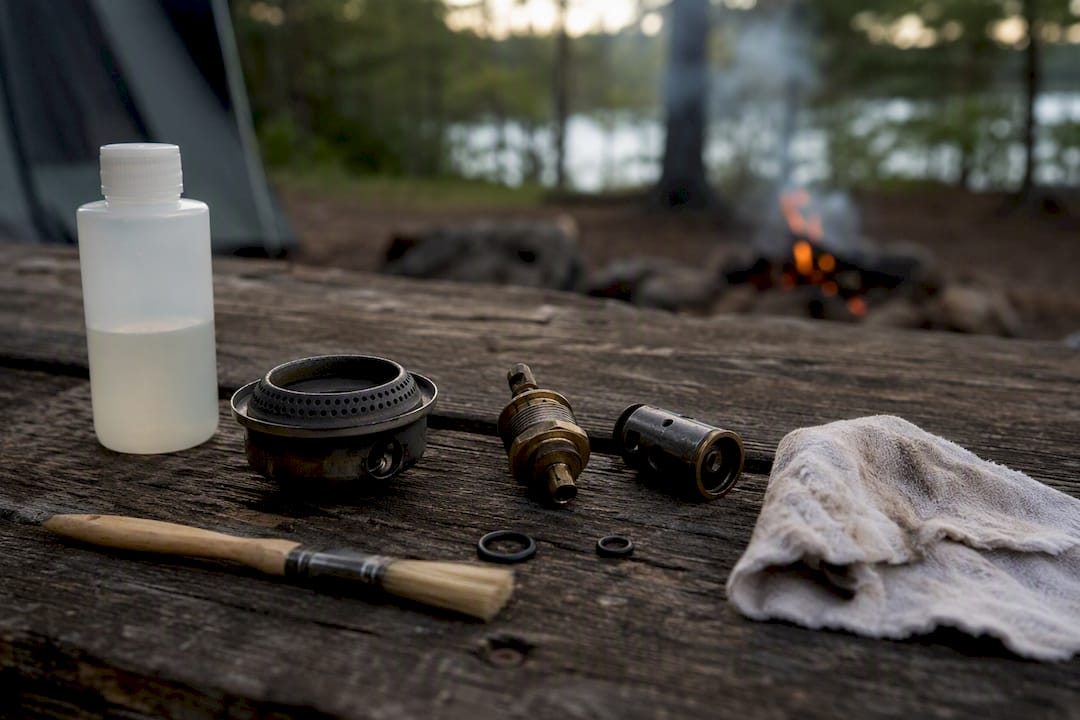
Pro Tip: Do the full purge and wash well before your flight. Microscopic vapor traces can take longer to dissipate than most travelers assume.
Are Fuel Canisters Allowed on a Plane?
The rules split sharply depending on what kind of fuel your stove burns, and this is where most travelers get tripped up.
- Disposable compressed-gas canisters (propane, butane, isobutane blends) are generally prohibited on planes even when empty, because the TSA's guidance on small compressed gas cartridges flags residual pressure and valve integrity as ongoing hazards. Leave these at home and buy new ones at your destination.
- Refillable liquid fuel bottles (white gas, Coleman fuel) can fly if you fully purge them: drain the bottle, run it dry, rinse with hot water, and let it air out completely before packing.
- Solid fuel tablets and alcohol stoves face fewer restrictions since there's no pressurized canister involved, though unused tablets should still travel in their original packaging.
- Airlines can be stricter than the TSA. Some carriers ban used camping equipment outright, regardless of how clean it is, so verify policy directly with your airline before you fly.
Pro Tip: Photograph the drain and purge process step by step. If an agent questions the container, those photos speak louder than your explanation.
What Happens at TSA Screening With a Camp Stove?
Passing your own inspection at home doesn't guarantee a smooth checkpoint. TSA officers have the final call, and they can reject a stove if they detect any hint of vapor or residue, even one that meets every guideline on paper.
- Checked bags reduce face time with an officer but still get X-rayed, and a flagged bag means someone opens it without you there to explain anything.
- Carry-on placement lets you answer questions directly and show your cleaning photos, but expect a possible secondary screening.
- Pack the stove somewhere accessible, not buried under three layers of gear, so an agent can inspect it quickly instead of unpacking your whole bag.
- International travel adds another layer. Some countries and foreign carriers ban used camping stoves outright, independent of anything the TSA allows domestically.
Pro Tip: Position the stove near the top of your bag or in its own compartment. A five-second inspection beats a ten-minute unpacking session every time.
How Should You Pack a Camp Stove and Its Parts?
Good packing does two things at once: it protects your gear from damage and makes the inspection process painless.
- Place disassembled parts in labeled zip pouches, separated by function (burner, fuel line, pump).
- Wrap the stove body in a piece of clothing or bubble wrap and set it near the center of your checked bag, cushioned from hard impacts.
- Keep hoses and regulators in their own padded pouch since they bend and crack more easily than metal components.
- Use a small clear zip pouch for jets, screws, and fittings so an agent can see the parts without digging through loose hardware.
A camp cooking essentials checklist can help you track every piece before it goes back in the bag, especially if you're traveling with a multi-part backpacking stove.
Should You Bring Your Own Stove or Buy One There?
Sometimes the smartest move is leaving the stove home entirely. If you're headed somewhere with outfitters or gear shops near the trailhead, renting or buying fuel locally sidelines the entire cleaning and inspection process.
- Rent a stove from a local outfitter at your destination
- Ship your gear ahead through a carrier that handles hazmat properly
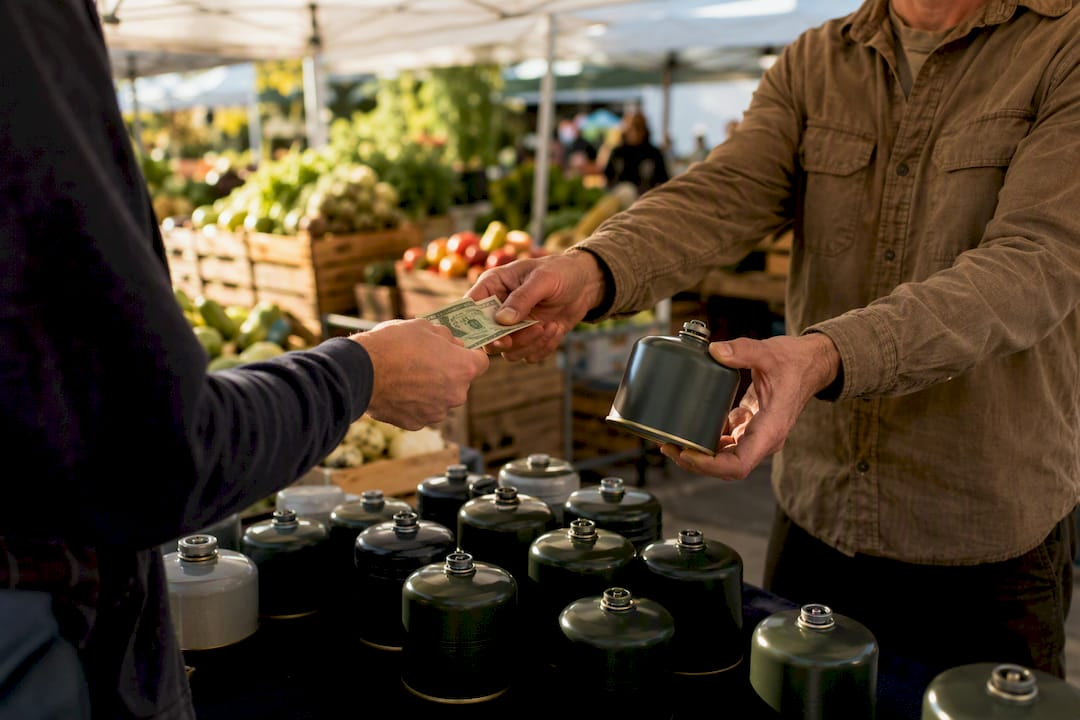
- Buy disposable or refillable fuel once you land, rather than transporting any
- Choose a solid-fuel or alcohol stove for the trip since those travel with fewer restrictions
Industry advice consistently points the same direction: buying fuel locally avoids the fees, delays, and confiscation risk that come with flying it yourself.
Pro Tip: For trips under three or four days, buying fuel on arrival is usually cheaper than the cleaning time and replacement risk of bringing your own.
Why Lifecampadventure Recommends Packing Clean and Buying Local
We tell every traveler the same thing: clean your stove fully, pack it in checked luggage, and buy fuel once you land for short trips. It's the option with the least friction and the lowest risk of losing gear at the checkpoint. If you're deciding which stove even makes sense for air travel in the first place, our guide on why portable stoves matter for outdoor adventures breaks down the tradeoffs by trip type.
Pack Smarter With Gear Built for Travel
Cleaning a stove for a flight is only half the job. Getting the parts organized so nothing gets lost, cracked, or flagged at the checkpoint is the other half, and that's where the right packing accessories save you real hassle. Lifecampadventure carries small parts pouches, protective stove sleeves, and maintenance kits designed to keep jets, seals, and fuel lines separated and visible for quick inspection.

Browse our camping cookware and stove accessories to find pouches and protective sleeves sized for your specific stove model. Just remember: gear organization makes packing easier, but it doesn't replace the cleaning and airline checks covered above. Confirm your airline's policy first, then shop the accessories that make the rest of the process painless. Start by checking our full range of outdoor gear before your next trip.
