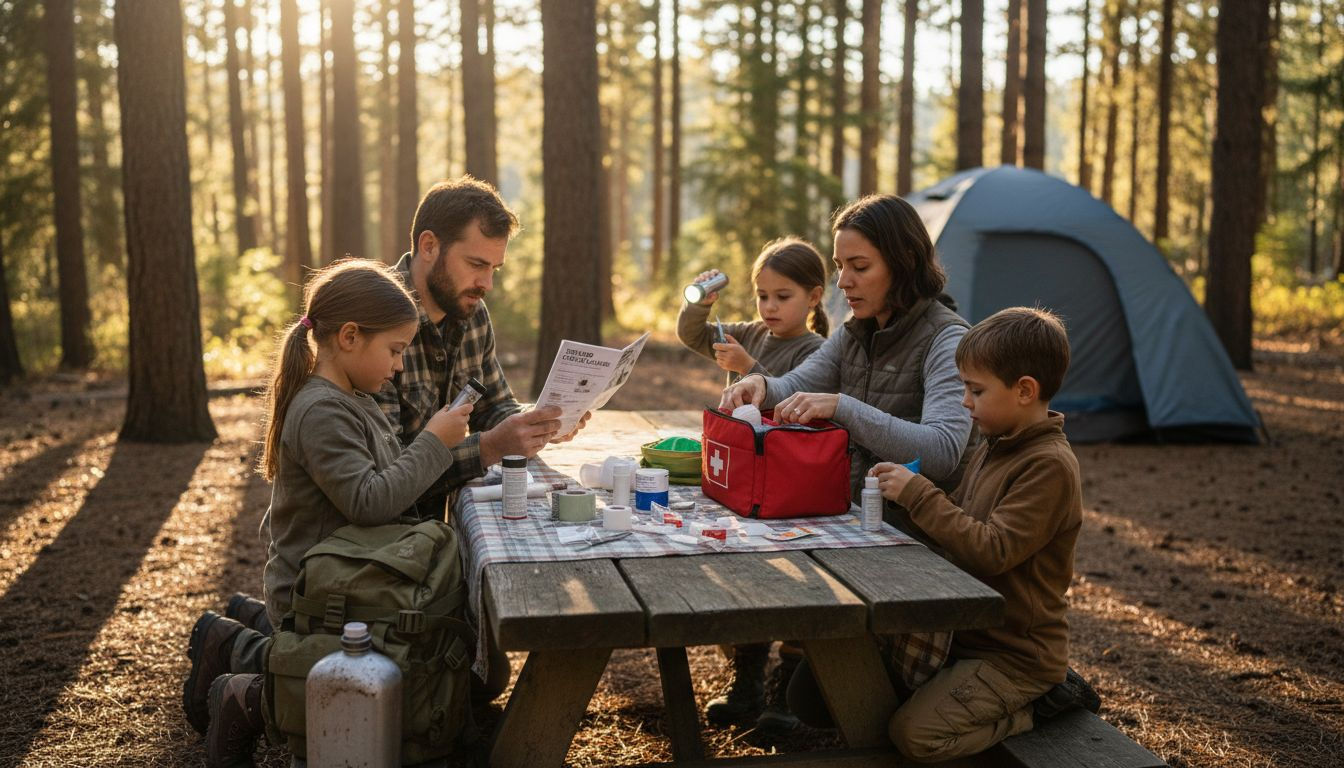
Every family knows the thrill of setting out for a weekend in the Southwest, but it only takes one scraped knee or unexpected sting to remind you why a well-stocked first aid kit matters. Remote canyons and sun-baked trails put you far from medical help, making a carefully curated response system your best ally. Discover how outdoor-specific first aid kits provide durability and versatility you can count on for any adventure, turning small emergencies into manageable moments.
Key Takeaways
| Point | Details |
|---|---|
| Importance of Outdoor First Aid Kits | Outdoor first aid kits are essential for enabling a rapid response to injuries in remote areas, bridging the gap between minor incidents and professional medical care. |
| Differences from Home Kits | Outdoor first aid kits prioritize durability and versatility, equipped with supplies suited for harsh conditions that home kits lack. |
| Preventative and Empowering | A well-stocked kit not only helps manage injuries effectively but also instills confidence in families to explore the outdoors without fear. |
| Customized Contents | Tailor the first aid kit's contents to specific activities and environments to ensure readiness for common injuries encountered during outdoor adventures. |
What First Aid Kits Outdoors Really Mean
An outdoor first aid kit is your silent partner on every Southwest adventure. It's not just a collection of bandages thrown into a backpack—it's a carefully curated response system designed to handle the unexpected moments that happen miles from the nearest hospital.
Think of your first aid kit as a bridge. On one side: you and your family enjoying the trail. On the other side: professional medical care. Your kit spans that gap, keeping minor injuries from becoming major problems.
Why Outdoor First Aid Kits Differ From Home Kits
Your bathroom cabinet isn't equipped for the outdoors. Home first aid focuses on convenience; outdoor kits prioritize durability and versatility under challenging conditions. When temperatures drop or dust kicks up, your supplies need to function reliably.
Outdoor environments present unique demands:
- Dust and dirt threaten wound infection faster than indoors
- Temperature fluctuations can degrade some medications
- Limited water access requires different wound-cleaning approaches
- You need supplies that work when you're far from help
- Compact design matters—you'll actually carry it
Here’s how outdoor and home first aid kits differ in handling challenges:
| Factor | Home Kit Approach | Outdoor Kit Approach |
|---|---|---|
| Weather Resistance | Not weatherproof | Durable, weatherproof packs |
| Infection Control | Basic bandages | Enhanced, rapid infection defense |
| Medication Longevity | Stable at room temperature | Protected from heat and cold |
| Portability | Large, stays at home | Compact, easy to carry |
The Real Purpose: Prevention and Rapid Response
Your first aid kit serves two critical functions. First, it prevents minor injuries from worsening—that blister becomes infected; that small cut leads to complications. Second, it gives you confidence to handle emergencies calmly.
For Southwest adventures, where you're often hiking remote canyons or camping in isolation, this matters intensely. A properly stocked kit means you can treat a sprained ankle effectively rather than panicking about how to get help.
A compact, versatile kit is not optional for outdoor safety—it's the difference between enjoying your adventure and cutting it short.
Multifunctional supplies work hardest in outdoor settings. Dressings, gauze, and plasters address multiple injury types. Clean water is sufficient for initial wound care, and pressure on wounds controls bleeding—these simple principles guide every supply decision.
What Makes It "Outdoor-Specific"
An outdoor kit reflects the reality of your environment and activity level. A day hike needs different supplies than a week-long camping trip. Desert environments create different challenges than pine forests.
Your kit should include supplies for:
- Wound cleaning and protection (critical in dusty conditions)
- Blister prevention and treatment (your kids will thank you)
- Pain relief and inflammation control
- Allergic reaction management
- Insect bite and sting treatment
- Minor fracture stabilization
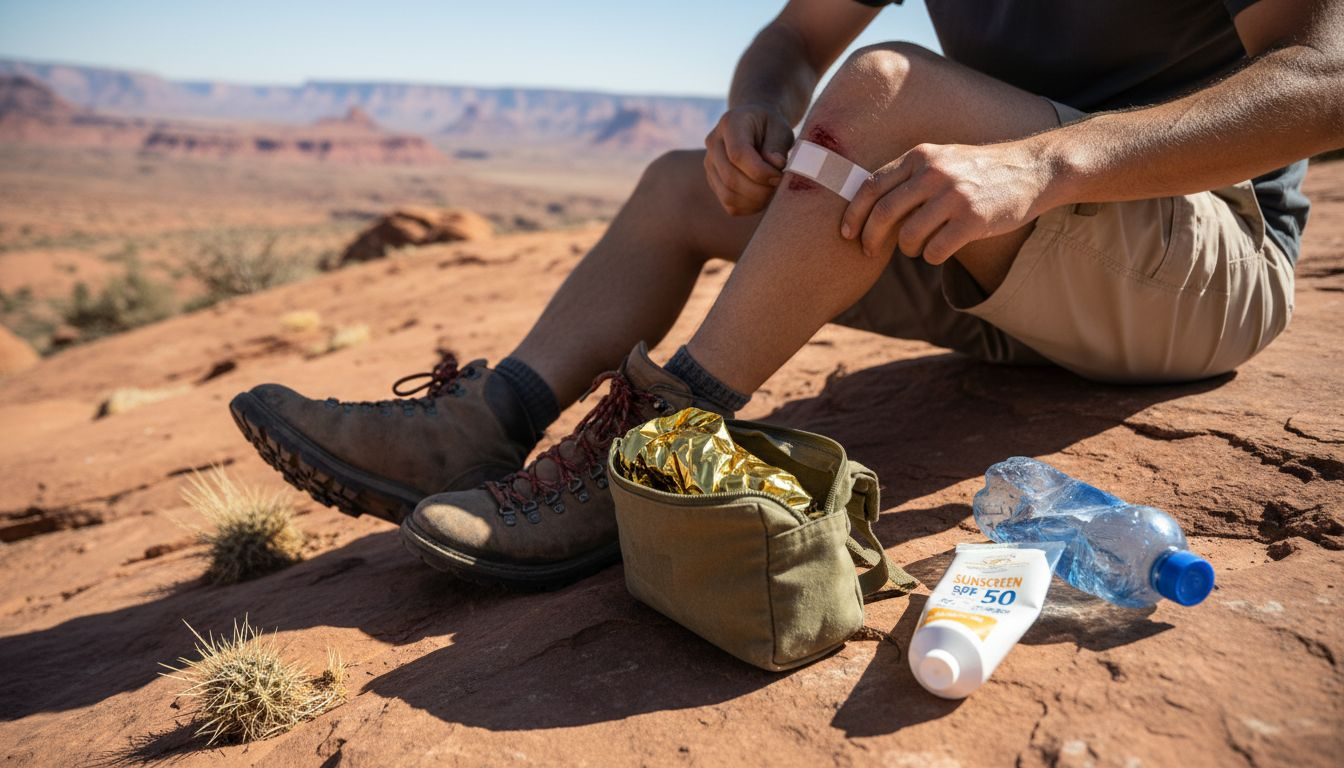
The Southwest presents specific concerns: intense sun exposure, dehydration risks, cactus injuries, and temperature extremes. Your kit must address these local realities.
Connecting Preparation to Confidence
Here's what families often miss: carrying a first aid kit isn't about expecting disaster. It's about granting yourself permission to explore confidently. When you know you can handle a twisted ankle, a scraped knee, or a bee sting, you stop hesitating on trails. Your kids climb rocks instead of sitting nervously nearby.
This confidence extends to understanding broader outdoor survival principles, which transforms how you approach every adventure. A well-prepared family moves through the wilderness with poise.
Pro tip: Pack your first aid kit in a waterproof container you can quickly access, and spend 10 minutes reviewing its contents before each trip so you know where everything is when you actually need it.
Essential Types and Key Contents Explained
Your first aid kit isn't one-size-fits-all. The contents shift based on your activity, terrain, duration, and family needs. A day hike demands different supplies than a week-long camping expedition.
Understanding what goes into your kit—and why—helps you make smart choices rather than grabbing random items.
The Core Categories Every Kit Needs
Think of your outdoor first aid kit in layers. Each layer addresses a different type of emergency you might encounter on the trail.
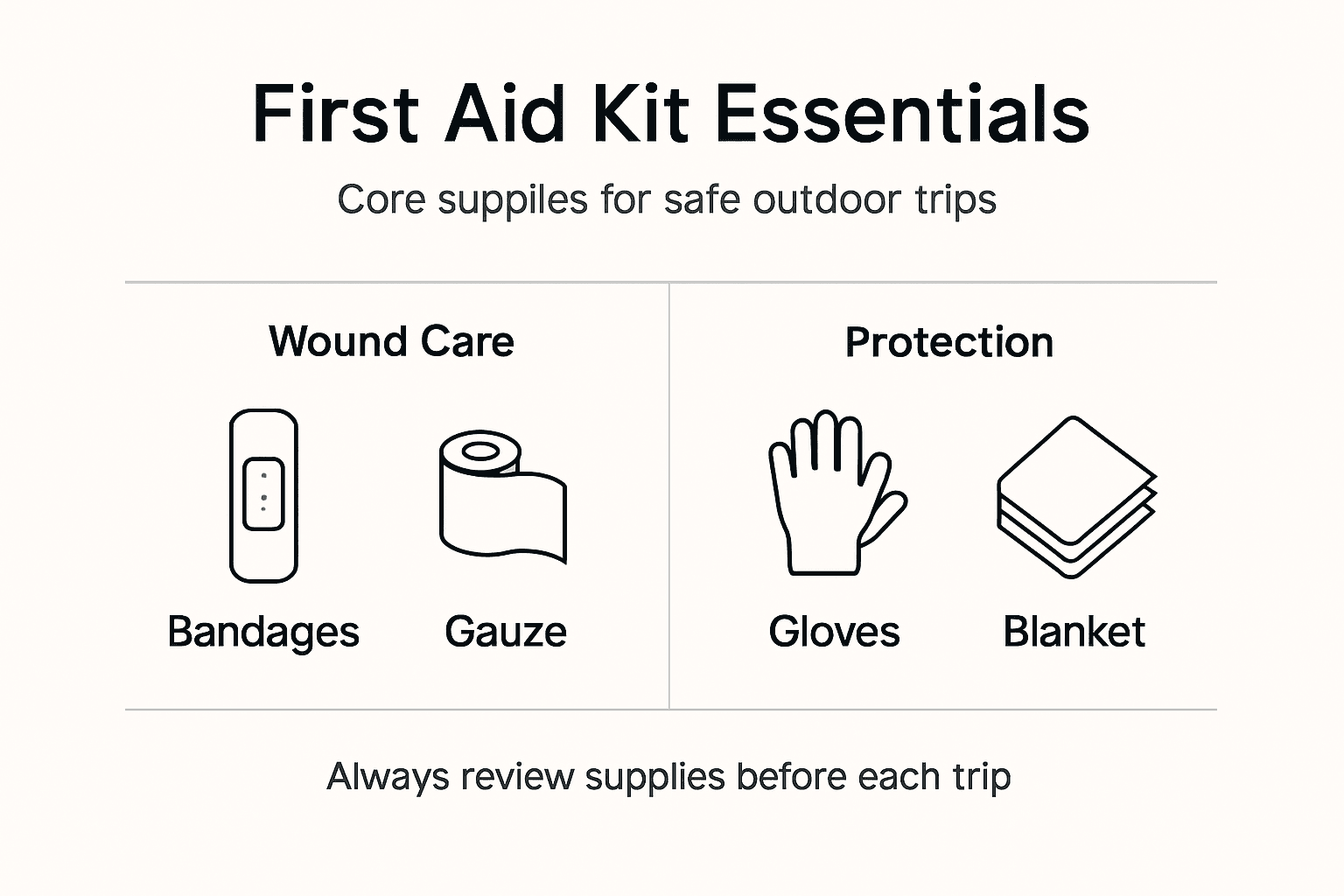
Wound care forms your foundation:
- Adhesive bandages in various sizes
- Sterile gauze pads and rolls
- Medical tape to secure dressings
- Antiseptic wipes for cleaning
- Antibiotic ointment to prevent infection
Bleeding control becomes critical in serious situations. For Southwest hiking where falls happen on rocky terrain, tourniquets and hemostatic powders stop severe bleeding until you reach help.
Tools and Medications That Matter
Your kit needs functioning tools. Scissors cut tape and clothing. Tweezers remove splinters and cactus spines—common in desert environments. A thermometer tracks fever. Elastic wraps stabilize ankles.
Medications address what your family actually experiences:
- Pain relievers for headaches and muscle soreness
- Antihistamines for allergic reactions and insect bites
- Anti-diarrheal medication for digestive upset
- Antacid tablets for acid reflux
- Hydrocortisone cream for itching
A well-equipped kit anticipates the injuries your specific environment creates, not generic emergencies.
These supplies prevent small problems from derailing your trip. A child's twisted ankle becomes manageable with elastic support rather than a painful end to camping.
Special Items for Outdoor Reality
Your bathroom first aid kit probably doesn't include a triangular bandage or emergency blanket. Outdoor kits do. These items serve purposes you won't find on city streets.
Triangular bandages create slings for arm injuries and secure larger dressings. Emergency blankets retain heat when temperatures drop unexpectedly. Disposable gloves protect you while treating someone else's injury.
Cold packs ease swelling. Face masks prevent contamination when cleaning wounds in dusty conditions. Splinting supplies immobilize fractures during evacuation.
Building Your Kit to Your Needs
Your family's kit should reflect your actual activities. Families hiking slots canyons need different supplies than those car camping near town.
Consider these factors:
- How far are you from medical care?
- How long will you be outdoors?
- What activities create injury risks (rock climbing, water sports, etc.)?
- What medical conditions run in your family?
- What does your local environment create (cactus, extreme heat, insects)?
Regularly review and restock your kit. Medications expire. Bandages get used. Ointments dry out. A kit maintained before the trip works when you need it.
Pro tip: Organize your kit into labeled compartments—wound care, medications, tools, support items—so anyone in your family can quickly find what they need during an actual emergency.
Practical Uses During Camping Emergencies
Your first aid kit transforms from a backpack item into a lifeline when something goes wrong miles from town. Real camping emergencies demand immediate action, and your kit enables you to respond effectively rather than panic.
The Southwest's remote terrain means medical help might be hours away. That reality shapes how you use your first aid kit.
Immediate Response to Common Injuries
Camping injuries follow predictable patterns. Kids trip on rocks. Someone steps on a cactus. A tent stake punctures a foot. A fall scrapes palms and knees. Managing common injuries like cuts and scrapes quickly reduces infection risk and prevents small problems from worsening.
Your first response matters most. Dirty wounds in dusty environments get infected fast. Clean the wound with sterile gauze and antiseptic. Apply antibiotic ointment. Bandage it. Done right, a nasty scrape heals without complications.
Burns happen at camp stoves. Bruises appear from bumps. Sprains occur on uneven terrain. Each injury demands different supplies from your kit.
Here’s a summary of common camping injuries and the first aid response each requires:
| Injury Type | First Aid Response | Key Kit Item |
|---|---|---|
| Cuts and Scrapes | Clean, disinfect, bandage | Sterile gauze and bandages |
| Burns | Cool, cover, monitor | Burn gel or moist pads |
| Sprains and Strains | Support, immobilize, elevate | Elastic wrap or splint |
| Insect Stings/Bites | Relieve itch, reduce swelling | Antihistamine or cream |
Controlling Bleeding and Trauma
Severe bleeding demands immediate action. In remote camping scenarios, controlling bleeding and disinfecting wounds prevents blood loss complications while you arrange evacuation.
Your approach depends on severity:
- Apply direct pressure with clean gauze or cloth
- Keep pressure on the wound for 10 minutes minimum
- If bleeding continues, add more gauze without removing the first layer
- Elevate the injured area above the heart if possible
- Consider a tourniquet for severe arm or leg bleeding
Quick, effective bleeding control buys critical time when professional help is hours away.
Hemostatic powders or gauze accelerate clotting in serious wounds. Tourniquets stop life-threatening bleeding from limbs. Your kit must include these items if you're hiking remote trails.
Managing Pain and Stabilization
Pain relief keeps injured people functional during evacuation. Pain relievers reduce suffering while elastic wraps support injuries. A sprained ankle becomes manageable with proper wrapping rather than crippling.
Stabilization prevents temporary injuries from becoming permanent damage. Splints immobilize fractures during the evacuation process. Triangular bandages create slings for arm injuries. These supplies keep injuries stable during long hikes out of the backcountry.
Allergia-prone family members need antihistamines for wasp stings or reactions to unfamiliar plants. Medications address the specific medical needs your family carries.
Using Your Kit During Actual Crises
Kit accessibility determines whether you can help during emergencies. Your kit must be with you, not buried in a vehicle miles away.
When an emergency happens:
- Stop and assess the situation calmly
- Move the injured person to a safe location if necessary
- Use your kit to address the immediate injury
- Determine if evacuation is needed
- Call for help if you have cell service or use emergency communication devices
Practical preparation includes learning outdoor survival basics so you stay calm and make good decisions during actual emergencies.
Pro tip: Before your trip, review your kit contents with family members and practice basic techniques like applying pressure bandages and elastic wraps so everyone knows where supplies are and how to use them.
Safety Tips and Common Packing Mistakes
A first aid kit only works if you actually use it correctly. Most families make predictable mistakes that undermine their preparation, turning a valuable safety tool into dead weight in a backpack.
Understanding these pitfalls helps you avoid them before your next Southwest adventure.
The Overloading Trap
Well-intentioned families pack everything imaginable, creating kits too heavy and disorganized to grab quickly. You don't need a pharmacy in your backpack. You need targeted supplies for your specific activity.
Common overloading mistakes:
- Including items you'll never use in your environment
- Packing full-size products instead of travel quantities
- Adding duplicate supplies "just in case"
- Bringing medications for conditions nobody has
- Including expired items you forgot about
Your kit should address real risks your family faces. A day hike near town needs less than a remote backpacking trip. Weekend car camping differs from backcountry expeditions.
The Opposite Problem: Missing the Basics
Some families under-pack, thinking they won't need supplies for common injuries. Then a blister forms on mile three, or a child scrapes a knee at camp. Customizing kits to the activity and group size ensures you have supplies for the injuries you'll actually encounter.
Don't skip basics:
- Quality bandages in multiple sizes
- Gauze and medical tape
- Antiseptic wipes and antibiotic ointment
- Pain relievers and antihistamines
- Elastic wraps for sprains
A well-stocked kit balances preparedness with practicality—not everything, just what matters.
These items address 90 percent of camping injuries. Everything else is bonus.
Maintenance and Organization Failures
Kits forgotten in a car for two years accumulate expired medications and dried-out ointments. When you need the kit, half the contents don't work. Key safety tips include ensuring adequate supplies and maintaining essential items so your kit functions when emergencies happen.
Establish a maintenance routine:
- Review kit contents before each season
- Check expiration dates on all medications
- Replace items you've used
- Verify ointments and creams haven't hardened
- Reorganize supplies into clear compartments
Poor organization causes dangerous delays during emergencies. You're fumbling through a jumbled kit looking for gauze while someone bleeds. Label compartments clearly and keep your kit accessible, never buried under camping gear.
Safety Tips That Actually Work
Successful families treat kit preparation like packing other essentials. It's non-negotiable, reviewed before trips, and accessible during camp.
Apply these principles:
- Tailor contents to your specific activity and environment
- Keep the kit with you, not in a vehicle miles away
- Replace used items promptly after trips
- Practice using supplies before emergencies
- Train family members on basic techniques
Familiarize everyone with kit locations and contents. If a parent is injured, children need to find supplies. Regular inventory checks catch expired items and missing basics.
Pro tip: After each trip, immediately replace any used supplies and document what you used so you know what to add for future adventures in similar terrain.
Equip Yourself for Outdoor Safety and Confidence
The article "First Aid Kits Outdoors: Protecting Every Adventure" highlights the critical need for preparedness with a reliable and tailored first aid kit when exploring remote Southwest landscapes. You understand the challenge of bridging the gap between enjoying nature and being ready for injuries like scrapes, sprains, or cactus wounds far from immediate help. The pain points of managing infection risk, controlling severe bleeding, and keeping your family safe in unpredictable conditions demand gear designed specifically for outdoor use with durability and practicality in mind.
At Life Camp Adventure, we share your goal to transform anxiety into confidence on every hiking trail and camping trip. Our curated collection of high-quality camping equipment and survival essentials is designed to complement the crucial principles of outdoor first aid preparation described in the article. From compact, weather-resistant packs to multi-function tools and medication storage solutions, our products empower you to respond calmly and effectively when unexpected moments arise. Explore our full range of reliable gear that supports safe adventures for families and solo explorers alike at Life Camp Adventure.
Don’t let uncertainty hold you back. Take control of your next trip by ensuring your first aid kit and outdoor essentials are up to the task. Visit Life Camp Adventure now to equip yourself with adventure-ready gear that keeps your family safe and confident in any environment. Prepare today so you can explore with peace of mind tomorrow.
Frequently Asked Questions
What should be included in an outdoor first aid kit?
An outdoor first aid kit should include core items like adhesive bandages, sterile gauze pads, medical tape, antiseptic wipes, antibiotic ointment, pain relievers, and specific supplies for unique outdoor injuries like insect stings, sprains, or cactus injuries.
How does an outdoor first aid kit differ from a home first aid kit?
Outdoor first aid kits prioritize durability, weather resistance, and compact design, tailored to handle environmental challenges such as dust, temperature fluctuations, and limited access to clean water, making them more suitable for emergencies far from medical help.
How can I effectively manage common camping injuries with my first aid kit?
To manage common camping injuries, clean the wound immediately with antiseptic wipes, apply antibiotic ointment, and cover it with a bandage. For sprains, use elastic wraps for support. Always ensure you have supplies like tourniquets or hemostatic gauze for severe bleeding.
Why is it important to review and maintain my first aid kit before outdoor trips?
Regularly reviewing and maintaining your first aid kit ensures that all supplies are intact and up to date, allowing for effective response during emergencies. Expired medications or used supplies can compromise your ability to manage injuries in critical situations.
